
NEW
Font size
S
M
L
XL
 Worksheets
Chapter 1
Total questions: 42
Worksheet time: 27mins
Name
Class
Date
1.
Which system are the lungs in?
a)
respiratory
b)
digestive
c)
excretory
2.
Which system is the stomach in?
a)
respiratory
b)
digestive
c)
nervous
3.
Where does digestion start?
a)
stomach
b)
mouth
c)
esophagus
4.
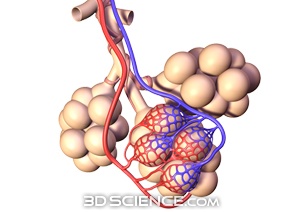
When you breathe, your lungs take in ___ and remove ___.
a)
air/oxygen
b)
oxygen/carbon dioxide
c)
carbon dioxide/waste
d)
waste/air
5.
This system includes the heart, blood vessels, veins, arteries
a)
respiratory system
b)
circulatory system
c)
nervous system
6.

Muscles help your body _______?
a)
Read
b)
Sit
c)
Sleep
d)
Move
7.

What body system consists of the kidneys?
a)
Circulatory
b)
Excretory
c)
Digestive
d)
Muscular
8.

What body system removes the waste from your body?
a)
Circulatory
b)
Excretory
c)
Digestive
d)
Respiratory
9.

_____________ organisms that are microscopic, or too small to be seen with just the eyes.
a)
Microservies
b)
Microcellular
c)
Microwaves
d)
Microorganisms
10.

The process of heat processing a liquid or a food to kill pathogenic bacteria to make the food safe to eat.
a)
Pasteurization
b)
Parking
c)
Antibiotics
d)
Bacteria
11.

Chemicals used to treat bacterial infections.
a)
Pasteurization
b)
Vaccine
c)
Antibiotics
d)
Toxins
12.

Made from dead or weakened pathogens.
a)
Toxins
b)
Pasteurization
c)
Antibiotics
d)
Vaccine
13.

Which of the following shows the correct diagram
a)
Cell-Tissue-Organ-Organ System
b)
Cell-Organ-Tissue-Organ System
c)
Organ System-Organ-Tissue-Cell
d)
Tissue-Organ System-Organ-Cell
14.

What body system consists of the lungs
a)
Respiratory
b)
Circulatory
c)
Muscular
d)
Skeletal
15.

Who created the first vaccine
a)
Edward Jenner
b)
Louis Pateur
c)
Alexander Fleming
d)
Jonas Salk
16.

Discovered the first antibiotic penicillin
a)
Jonas Salks
b)
Alexander Fleming
c)
Louis Pasteur
d)
Edward Jenner
17.

The first vaccine ever created was for
a)
Polio
b)
Chicken pox
c)
Influenza
d)
Smallpox
18.
This organelle takes food and turns it into ENERGY for plant and animal cells.
a)
Chloroplast
b)
Mitochondria
c)
Lysosome
d)
Ribosome
19.
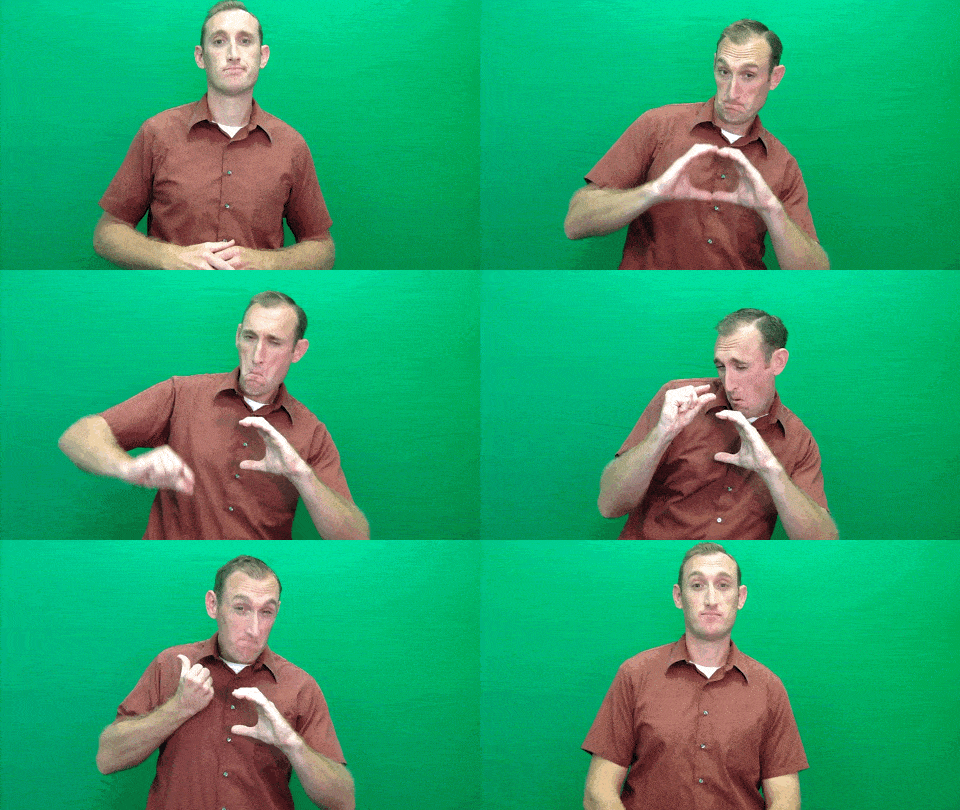
The ___________ is the basic unit of life
a)
organ
b)
cell
c)
atom
d)
tissue
20.
When many organ systems work together it can form...
a)
organ
b)
cells
c)
organ system
d)
organism
21.
The brain is a part of which organ system?
a)
nervous
b)
skeletal
c)
muscular
d)
digestive
22.
Which organelle is only found in a plant cell?
a)
nucleus
b)
chloroplast
c)
mitochondria
d)
cell membrane
23.
What is found in both plant and animal cells but is much larger in plant cells?
a)
Nucleus
b)
Mitochondria
c)
Chloroplast
d)
Vacuole
24.

I am the outer most layer of an animal cell. What am I?
a)
cell wall
b)
nucleus
c)
cell membrane
d)
cell skin
25.
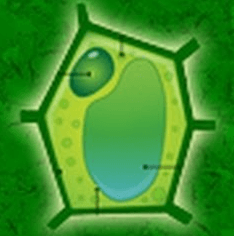
A rigid layer that lies outside the cell's membrane is...
a)
Cytoskeleton
b)
Cilia
c)
Cell Wall
d)
Flagella
26.
What organelle is called the "powerhouse" of a cell?
a)
Endoplasmic Reticulum
b)
Nucleus
c)
Mitochondria
d)
Nucleolus
27.
A group of tissues that work together to perform a similar function is called_____. (Examples include the heart, lungs or stomach)
a)
cells
b)
tissues
c)
organs
d)
organ system
28.
Which is a true statement?
a)
All microorganisms are harmful.
b)
All microorganisms are beneficial.
c)
Some microorganisms are harmful while others are beneficial.
d)
Microorganisms are beneficial only to humans.
29.
This is the jelly-like substance that fills the cell and holds the organelles in place.
a)
chloroplast
b)
cytoplasm
c)
nucleus
d)
mitochodria
30.
How is the function of the nucleus the same in both plant and animal cells?
a)
It protects the parts of the cell
b)
It gives the cell its shape.
c)
It controls the activities of the cell.
d)
It regulates what enters and exits the cell.
31.
Which best describes where you would find microorganisms?
a)
in ponds, lakes, and oceans.
b)
in animals, plants, and humans.
c)
on food that has rotted.
d)
everywhere around us.
32.
Most microorganisms cannot be seen without a...
a)
microscope
b)
magnifying lens
c)
telescope
d)
x-ray machine
33.

Some fungus can provide food.
a)
True
b)
False
34.

Helpful bacteria can sometimes cause Strep Throat.
a)
True
b)
False
35.

Examples of fungi can include:
a)
Warts and zits
b)
Sneezing and itching
c)
Headaches and hand cramps
d)
Ringworm and athlete's foot
36.

Microorganisms can be found:
a)
The the ocean, inside and outside your body
b)
On plants and animals
c)
In medicine and your food
d)
All of the above
37.

_________________ bacteria are in your _________________ to help digest food.
a)
Helpful; throat
b)
Helpful; stomach
c)
Harmful; esophagus
d)
Harmful; lungs
38.
What kind of illness would an antibiotic be prescribed for?
a)
Bacterial infection
b)
Cancer
c)
Viral Infection
d)
Back pain
39.
Which system provides shape and support, enables you to move, protects your internal organs, and stores minerals?
a)
skeletal
b)
muscular
c)
digestive
d)
nervous
40.
Which two body systems work together to break down food and get rid of wastes?
a)
digestive and excretory
b)
digestive and circulatory
c)
excretory and respiratory
d)
nervous and digestive
41.
What is the level o organization known as a group of cells that work together?
a)
cells
b)
organ system
c)
organ
d)
tissue
42.
What is the main function of the nervous system?
a)
clean waste from the cells
b)
absorb nutrients for energy
c)
deliver messages to the brain
Reset

