wayground logo

Free Printable Worksheets

Font size

S
M
L
XL
Worksheets

2025 WEST- Earth's Water Review Lesson 1-2

Total questions: 65

Worksheet time: 36mins
Name
Class
Date
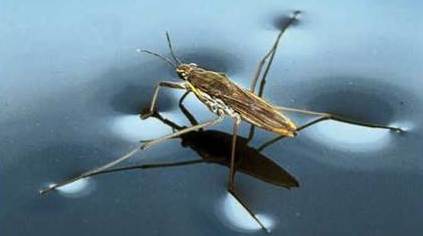
1.
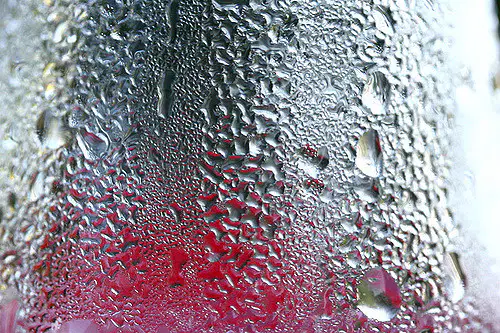
Refer to the picture; this is occurring because of:
a)
Adhesion
b)
Cohesion
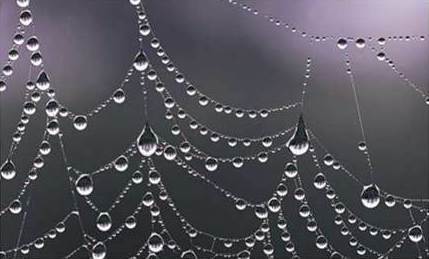
2.
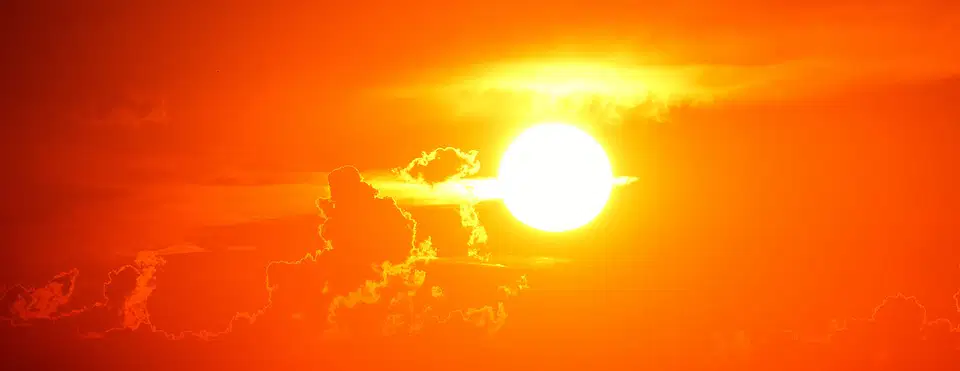
Refer to the picture; this is occurring due to:
a)
Adhesion
b)
Cohesion
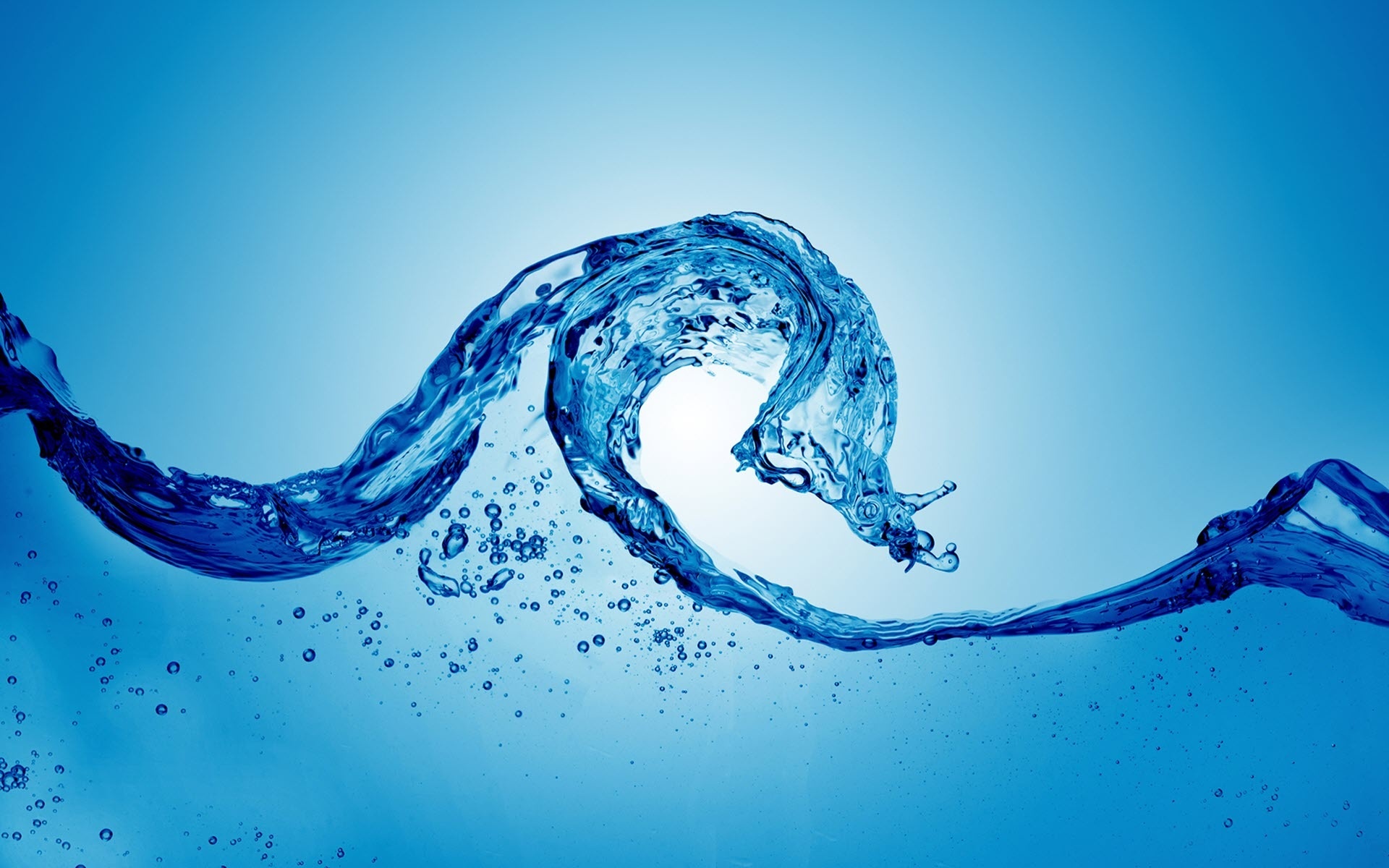
3.
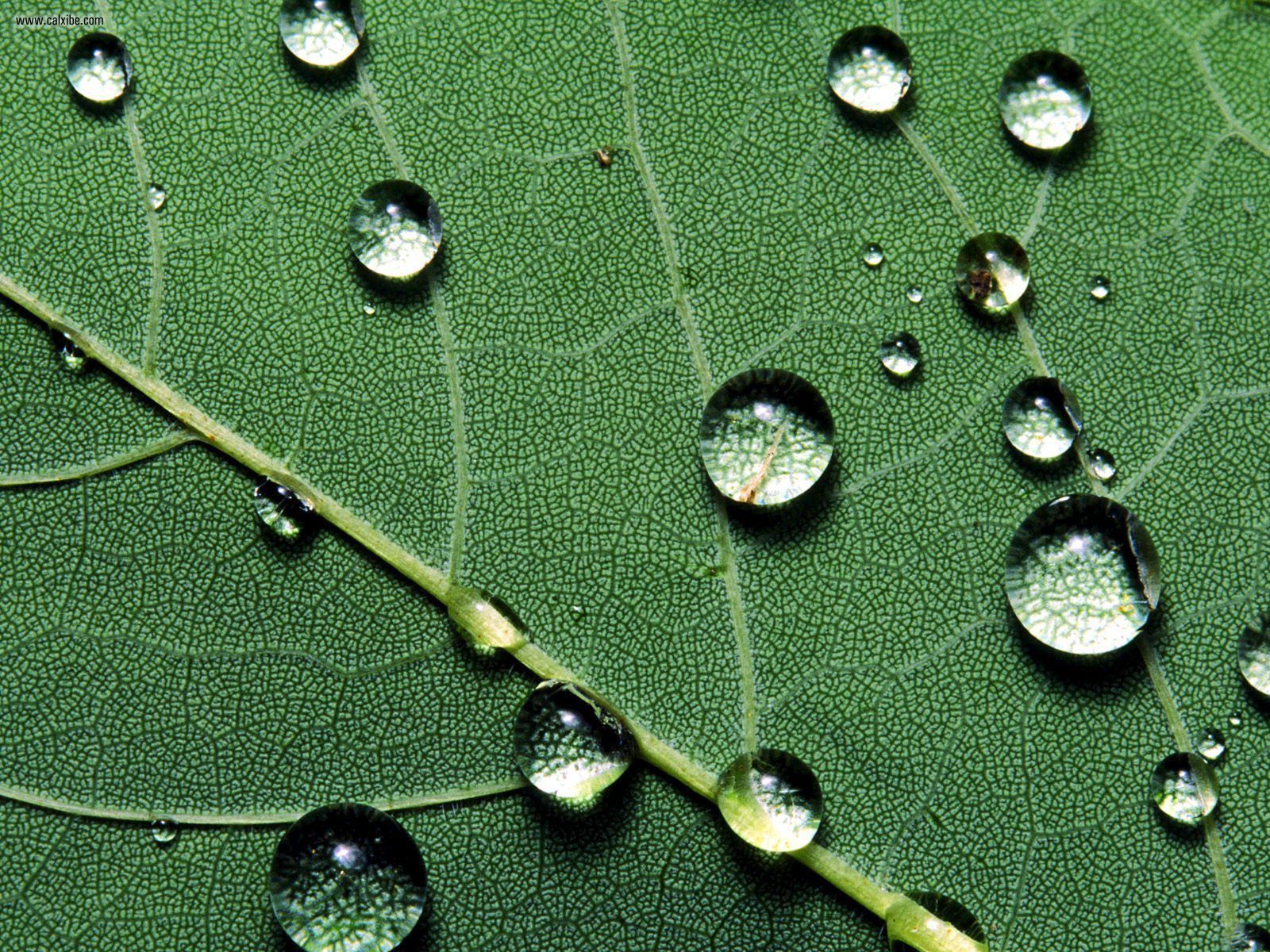
Refer to the picture; this is occurring because of:
a)
Adhesion
b)
Cohesion
4.
Which of the following can water not do since it's polar:
a)
Be cohesive & adhesive
b)
Dissolve other polar molecules
c)
Influence weather, not climate
d)
Display a high heat capacity
5.
What two elements make up water?
a)
Helium and oxygen
b)
Hydrogen and oxygen
c)
helium and carbon
d)
oxygen and carbon
6.
Why can water have no net charge but have slight charges in different parts of the molecule?
a)
The oxygen end is slightly negative and the hydrogen end is slightly positive
b)
The hydrogen end is slightly negative and the oxygen end is slightly positive
c)
The hydrogen and oxygen ends change in polarity
d)
Because it is hydrophobic
7.
Which is NOT a unique property of water?
a)
Frozen water floats on liquid water.
b)
Water covers most of the Earth’s surface and retains a large amount of heat.
c)
Water molecules stick to each other through hydrogen bonds.
d)
Water cools very rapidly.
8.
The attraction that causes water and other liquids to form drops on thin films is called ________________. This is also water’s ability to be attraction to other water molecules.
a)
adhesion
b)
capillary action
c)
cohesion
d)
surface tension
9.
Which of the following is the correct explanation for water being polar?
a)
The equal sharing of electrons between oxygen and hydrogen atoms
b)
The unequal sharing of electrons between oxygen and hydrogens
c)
The equal sharing of protons between oxygen and hydrogens
d)
The unequal sharing of protons between oxygen and hydrogens
10.
molecule in which opposite ends have opposite electric charges
a)
cohesion
b)
polar molecule
c)
hydrogen bond
d)
solution
11.

Sinks or floats

a)

hydrogen bonding

b)

solubility

c)

density

d)

state of matter

12.

Opposites attract

a)

solubility

b)

state of matter

c)

polar molecule

d)

hydrogen bonding

13.

Slow to heat, slow to cool

a)

freezing/melting point

b)

specific heat capacity

c)

state of matter

d)

solubility

14.

Molecules with ___ have electrical charges, one end-and one end +, similar to a magnet.

a)

dissolve

b)

polarity

c)

universal solvent

d)

Duracell

15.

Water is called the______

a)

polar

b)

liquid

c)

universal Solvent

d)

cohesion

16.

Water molecules stick together forming a "skin" on water known as ______ _________ allowing light objects to float.

a)

hydrogen bonding

b)

opposites attract

c)

surface tension

d)

polar molecule

17.

How water flows and changes within the Earth system

a)

Water Cycle

b)

Carbon Cycle

c)

Rock Cycle

d)

Atmospheric Cycle

18.

Water changing from liquid to vapor (gas), usually due to the Sun's heat.

a)

Evaporation

b)

Condensation

c)

Precipitation

d)

Transpiration

19.

Water falling from the sky, due to gravity. Can be liquid or ice.

a)

Evaporation

b)

Condensation

c)

Precipitation

d)

Transpiration

20.

Plants exhaling water into atmosphere.

a)

Evaporation

b)

Transpiration

c)

Condensation

d)

Precipitation

21.

What force causes water to fall from the sky to Earth's surface, and to flow downhill from the mountains down to sea level?

a)

Solar energy

b)

Gravity

c)

Magnetism

d)

Water tension

22.

Snow and hail are examples of​ (a)  

Choose from the below words
Precipitation
Evaporation
Condensation
23.

When water evaporates, it changes from a liquid to a  ​ ​ (a)  

Choose from the below words
gas
solid
24.

The process of  water that is added to the atmosphere from plants is called

a)

Condensation

b)

Evaporation

c)

Precipitation

d)

Transpiration

25.

What is the definition of POLARITY?

a)

The quantity of heat energy required to raise the temperature of a substance by a certain amount.

b)

A positive charge at one end and a negative charge at the other

c)

The process by which plants release water vapor into the air through stomata

d)

The force that holds molecules of a single material together.

26.

What is the definition of COHESION?

a)

The process in which a solid changes directly into a gas

b)

The attractive force between two bodies of different substances that are in contact with each other.

c)

Precipitation that flows over the land and into streams and rivers.

d)

The force that holds molecules of a single material together.

27.

What is the definition of EVAPORATION?

a)

The quantity of heat energy required to raise the temperature of a substance by a certain amount.

b)

The change of state from a liquid to a gas.

c)

Any form of water that falls to Earth's surface from the clouds; includes rain, snow, sleet, and hail.

d)

All the bodies of fresh water, salt water, ice, and snow that are found above the ground.

28.

What is the definition of SUBLIMATION?

a)

All the bodies of fresh water, salt water, ice, and snow that are found above the ground.

b)

A liquid that dissolves substances.

c)

The process in which a gas changes directly into a solid.

d)

The process in which a solid changes directly into a gas.

29.
What is the energy source for the water cycle?
a)
the sun
b)
the earth
c)
water
d)
the moon
30.

________________ The continual movement of water among Earth’s atmosphere, oceans, and land surface through evaporation, condensation, and precipitation.

a)

Water Cycle

b)

Global Warming

c)

Climate Change

d)

Ocean Currents

31.

what is evaporation?

(a)  

32.

what is condensation?

(a)  

33.

Condensation involves a change of state from ___ to ___

a)

Liquid to Solid

b)

Liquid to Gaseous

c)

Solid to Liquid

d)

Gaseous to Liquid

34.

Condensation occurs when water vapour....

a)

loses heat

b)

gains heat

35.

Evaporate involves a change of state from ___ to ___.

a)

Solid to Liquid

b)

Gaseous to Liquid

c)

Liquid to Gaseous

d)

Liquid to Solid

36.

Drying clothes in sunlight is the example of ______

a)

condensation

b)

evaporation

37.
To clean spectacles, people often breathe out on the spectacles. This is an example of__________.  
a)
Condensation
b)
Evaporation
38.
First Name:
4 lines
39.
Last Name:
4 lines
40.
1. On a cold morning, Pierre observed that the grass looked wet. What did Pierre observe?
a)
A. deposition
b)
B. sublimation
c)
C. evaporation
d)
D. condensation
41.
2. If a warm wind passes over snow, the snow can be heated rapidly. When this happens, the snow can change directly into water vapor without first becoming liquid water. What is the correct term for this process?
a)
A. melting
b)
B. deposition
c)
C. sublimation
d)
D. evaporation
42.
3. As water changes state, the water either absorbs or releases energy. Which of these changes of state would involve water absorbing energy?
a)
A. condensation
b)
B. deposition
c)
C. evaporation
d)
D. freezing
43.
4. Which process changes a solid directly into a gas?
a)
A. deposition
b)
B. sublimation
c)
C. precipitation
d)
D. condensation
44.
5. Runoff is most like which of the following?
a)
a puff of steam
b)
B. a flowing stream
c)
C. a cloud in the sky
d)
D. an invisible form of water
45.
6. A glass of ice water is observed before and after it reaches room temperature. Which of the following correctly explains what occurred during that time?
a)
A. The ice cubes expanded in volume as they melted into liquid water.
b)
B. As water vapor condensed on the glass, it absorbed energy.
c)
C. The water droplets outside the glass absorbed energy as they evaporated.
d)
D. Some liquid water inside the glass sublimated into water vapor in the air.
46.
7. As water changes state, the water either absorbs or releases energy. Which of these answers is a process that releases energy?
a)
A. ice subliming
b)
B. snow melting
c)
C. lake water freezing
d)
D. ocean water evaporating
47.
8. Tai grows plants in a container called a terrarium which is like a small green house. He keeps the terrarium on a sunny windowsill.The terrarium is closed, so Tai cannot add water to the plants. However, the plants have enough water to grow. Which of these statements best explains why the plants always have enough water?
a)
A. The air cannot hold all of the water vapor.
b)
B. Water is unable to evaporate from the soil.
c)
C. The plants take up water and store it in their stems and leaves.
d)
D. Energy from the sun cycles water through the soil, the plants, and the air.
48.
11. Water molecules are polar molecules. What is meant by the term polar molecule?
a)
A. a molecule that has an overall positive charge on one end and an overall negative charge on the other end
b)
B. a molecule that has no charge on one end and either an overall negative or positive charge on the other end
c)
C. a molecule that has an overall positive charge on one end, as well as an overall positive charge on the other end
d)
D. a molecule that has an overall negative charge on one end, as well as an overall negative charge on the other end
49.
9. On an island near the equator, the sun's energy causes ocean water to evaporate during the day. In the afternoon, heavy rains fall. This process is repeated during the summer months. What does this example best show?
a)
A. how most water on Earth is in the form of water vapor
b)
B. how land is the main source of water during the water cycle
c)
C. how the sun is the main source of energy for the water cycle
d)
D. how the ocean is large enough that it never runs out of water
50.
10. Which of the following is NOT a way that water reaches Earth’s atmosphere?
a)
a. condensation
b)
B. evaporation
c)
C. sublimation
d)
D. transpiration
51.
12. Which property of water allows it to form droplets when in liquid form?
a)
A. adhesion
b)
B. cohesion
c)
C. nature as a solvent
d)
D. specific heat
52.
13. What percentage of water on Earth is fresh water?
a)
A. 0.5
b)
B. 3
c)
C. 7
d)
D. 18
53.
14. Which statement correctly identifies how solid water is different from liquid water?
a)
A. In solid water the molecules are farther apart.
b)
B. Only in solid water are the molecules not polar.
c)
C. In solid water the molecules are closer together.
d)
D. Only in solid water do the molecules lack spaces between them.
54.
15. What explains why water has high cohesion?
a)
A. Water molecules are attracted to other water molecules.
b)
B. Water molecules are repelled from other water molecules.
c)
C. Water molecules are attracted to molecules of other substances.
d)
D. Water molecules are repelled from molecules of other substances.
55.
16. Why does solid water (ice) float when placed in liquid water?
a)
A. Ice does not float in liquid water.
b)
B. Ice is less dense than liquid water.
c)
C. Ice is more dense than liquid water.
d)
D. The densities of liquid water and ice are the same.
56.
17. Why is water considered the universal solvent?
a)
A. Because all water molecules have a negative charge, so they repel each other.
b)
B. Because water will not dissolve many substances.
c)
C. Because water can dissolve many substances.
d)
D. Because water molecules will not stick to any other water molecules.
57.
18. Which of the following is not able to become runoff?
a)
A. river water
b)
B. ocean water
c)
C. precipitation
d)
D. groundwater
58.
19. Which of the following is the best example of how the water cycle carries on energy transfer?
a)
A. a flooding river depositing silt on a floodplain
b)
B. a warm ocean current warming the air above it
c)
C. ocean water depositing sand particles on a shore
d)
D. water seeping through the soil and dissolving salts
59.
20. A certain percentage of water that falls to Earth’s surface as precipitation each year does not become surface water or groundwater and does not evaporate back into the atmosphere. Which of the following most likely explains what happens to this water?
a)
A. The water falls into the ocean, where it evaporates back into the atmosphere.
b)
B. The water is stored as snow and ice on the Earth’s surface.
c)
C. The water molecules are broken down into hydrogen and oxygen atoms.
d)
D. The water is absorbed and used by plants.
60.
21. How does the polarity of water molecules relate to the concept of cohesion?
a)
A. There is no connection between polarity of water molecules and the concept of cohesion.
b)
B. Cohesion is the force that causes molecules to repel each other; the negatively charged atom of one water molecule will repel the positively charged atoms of another.
c)
C. The polarity of water molecules causes the negatively charged atom of one water molecule to be attracted to the positively charged atoms of another; this attraction is called cohesion.
d)
D. The polarity of water molecules causes the negatively charged atom of one water molecule to be attracted to the negatively charged atom of another; this attraction is called cohesion.
61.
22. What is one effect of water's "stickiness," or cohesion?
a)
The salt that forms in ocean water
b)
The surface tension that forms on lakes and ponds
c)
The waves you see in lakes and oceans
d)
The currents that form in streams and rivers
62.
23. What might happen if water molecules did not have a slight negative charge on one end and a slight positive charge on the other?
a)
Water would not be able to freeze or boil
b)
Water would never become "hard" or "soft"
c)
Water molecules would not clump together in droplets
d)
Only saltwater, not freshwater, would exist on earth
63.
24. The sum total of all water on Earth and in its atmosphere is called the:
a)
a. Biosphere
b)
b. Terrasphere
c)
c. Hydrosphere
d)
d. Liquisphere
64.
25. Which of the following describes condensation?
a)
a. Ice becoming water when placed into a warm liquid.
b)
b. Water becoming ice in a freezer.
c)
c. Liquid water being heated until it turns into steam.
d)
d. Steam from a teapot turning into liquid water.
65.
26. What effect does the sun have on surface water?
a)
a. It causes it to boil
b)
b. It causes it to rain
c)
c. It causes it to sink
d)
d. It causes it to evaporate