
 Worksheets
Cell History and Cell Organelles
Total questions: 77
Worksheet time: 50mins
Name
Class
Date
1.

Which of the following scientists was the first to observe bacteria?
a)
Anton van Leuwenhoek
b)
Matthais Schleiden
c)
Robert Hooke
d)
Theodor Schwann
2.
Where is the DNA of a Prokaryotic cell located?
a)
In the nucleus
b)
In the Ribosomes
c)
In the Cytoplasm
d)
In the flagela
3.
There are three parts to the cell theory. Which is NOT one of those parts?
a)
All organisms are composed of one or more cells.
b)
The cell is the basic unit of structure and organization in organisms.
c)
Cells spontaneously arise from carbon and nutrients carried in the bloodstream.
d)
All cells come from pre-existing cells.
4.
What is the basic unit, or "building block" of life?
a)
Cell
b)
Molecule
c)
Organelle
d)
Atom
5.
Which scientist viewed a piece of cork under a simple microscope and first used the term "cell"?
a)
Robert Hooke
b)
Anton Von Leeuwenhoek
c)
Matthias Schleiden
d)
Theodore Schwann
6.
Which scientist first viewed LIVING cells underneath a microscope?
a)
Robert Hooke
b)
Anton Von Leeuwenhoek
c)
Matthias Schleiden
d)
Theodore Schwann
7.
Which scientist concluded that all PLANTS are made of cells?
a)
Robert Hooke
b)
Anton Von Leeuwenhoek
c)
Matthias Schleiden
d)
Theodore Schwann
8.
Which scientist concluded that all ANIMALS are made of cells?
a)
Robert Hooke
b)
Anton Von Leeuwenhoek
c)
Matthias Schleiden
d)
Theodore Schwann
9.

The image shows a cell which LACKS a nucleus and other membrane bound organelles. This is known as a ______________ cell.
a)
Prokaryotic Cell
b)
Eukaryotic Cell
10.

The image shows a cell which HAS a nucleus and other membrane bound organelles. This is known as a ______________ cell.
a)
Prokaryotic Cell
b)
Eukaryotic Cell
11.

What type of cell is seen in the image?
a)
Animal Cell
b)
Plant Cell
c)
Bacteria Cell
d)
Prokaryotic Cell
12.

What type of cell is seen in the image?
a)
Animal Cell
b)
Plant Cell
c)
Bacteria Cell
d)
Prokaryotic Cell
13.
Which of the following is true about PLANTS, but not animals?
a)
Contain chloroplasts for photosynthesis
b)
Have a large, central vacuole
c)
Have an outer cell wall
d)
All of the above
14.
This scientist proposed that all cells come from other cells:
a)
Leeunwenhoek
b)
Schleiden
c)
Schwann
d)
Virchow
15.
This contains membrane-bound organelles
a)
Eukaryotic cell
b)
Prokaryotic cell
c)
Both
d)
Neither
16.
This does not contain a nucleus
a)
Eukaryotic cell
b)
Prokaryotic cell
c)
Both
d)
Neither
17.
This is only single-celled
a)
Eukaryotic Cell
b)
Prokaryotic cell
c)
Both
d)
Neither
18.
Which type of cell is bigger?
a)
Prokaryotic
b)
Eukaryotic
19.
Where is the DNA of an Eukaryotic cell located?
a)
In the nucleus
b)
In the Ribosomes
c)
In the Cytoplasm
d)
In the flagela
20.
What is an Organ System
a)
A group of cells working together in the body to perform one function
b)
group of systems working together to form a complete living thing
c)
is a group of tissues working together to perform a special job.
d)
is a group of organs working together to do a job in the body.
21.
What is the correct order organization of living things? (smallest to largest)
a)
Atom-molecule-Cells-Tissues-Organs- Organ Systems - Organism
b)
Organs - Tissues - Cells - Organ Systems - Organism
c)
Atom-Cells-Organs-Tissues -Organism - Organ Systems-molecule
d)
Atom-molecule-Cells-Organism-Tissues- Organ Systems - Organs
22.
What is a Tissue?
a)
A group of cells working together in the body to perform one function
b)
group of systems working together to form a complete living thing
c)
is a group of tissues working together to perform a special job.
d)
is a group of organs working together to do a job in the body.
23.
What is an organ?
a)
A group of cells working together in the body to perform one function
b)
group of systems working together to form a complete living thing
c)
is a group of tissues working together to perform a special job.
d)
is a group of organs working together to do a job in the body.
24.
If a cell has a nucleus, then it must be what type of cell?
a)
animal
b)
prokaryotic
c)
eukaryotic
d)
plant
25.
This organelle takes food and turns it into ENERGY for plant and animal cells.
a)
Chloroplast
b)
Mitochondria
c)
Lysosome
d)
Ribosome
26.
The site of photosynthesis
a)
ribosome
b)
mitochondria
c)
chloroplast
d)
nucleus
27.
When many organ systems work together it can form...
a)
organ
b)
cells
c)
organ system
d)
organism
28.
Which organelle is only found in a plant cell?
a)
nucleus
b)
chloroplast
c)
mitochondria
d)
cell membrane
29.

Directs all cell activities through the DNA located there.
a)
Lysosomes
b)
Nucleus
c)
ribosomes
d)
Mitochondria
30.
Which of the following is directly involved in the transportation of materials inside/within the cell?
a)
Endoplasmic Reticulum
b)
Vacuole
c)
Lysosome
d)
Mitochondria
31.
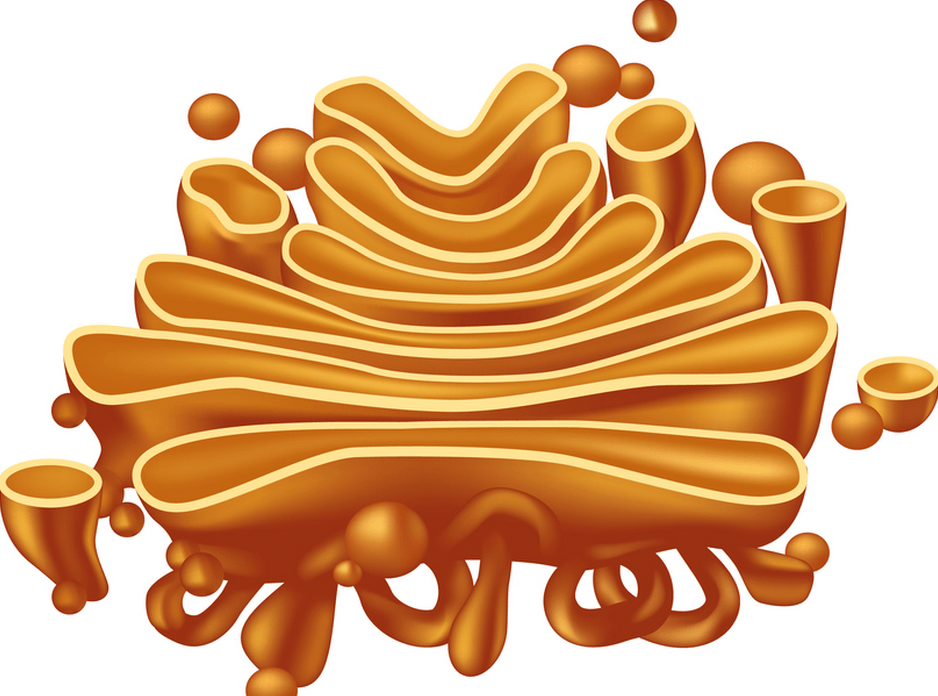
I am a protein packaging and shipping machine! Who am I?
a)
vacuole
b)
ribosome
c)
mitochondrion
d)
golgi apparatus
32.
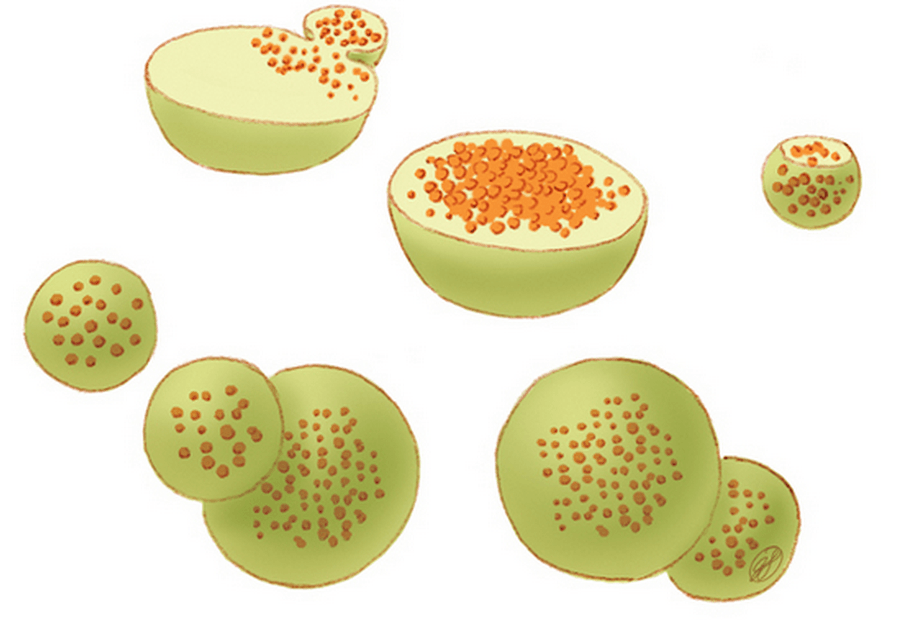
You might think of me as the trash collector, but recycler is maybe more accurate. What am I?
a)
mitochondria
b)
lysosome
c)
vacuole
d)
ribosome
33.
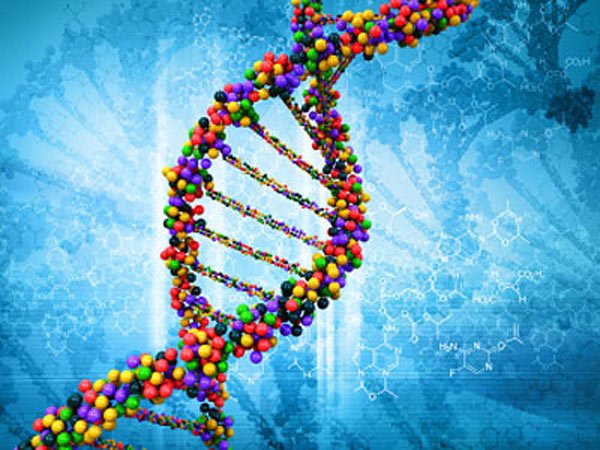
What is the name of the genetic material that is inside the nucleus?
a)
ER
b)
ATP
c)
YOLO
d)
DNA
34.

Which part of the cell is often called "the brain of the cell"?
a)
nuclear membrane
b)
endoplasmic reticulum
c)
nucleus
d)
mitochondria
35.
What is found in both plant and animal cells but is much larger in plant cells?
a)
Nucleus
b)
Mitochondria
c)
Chloroplast
d)
Vacuole
36.
Where are proteins made?
a)
Golgi body
b)
Mitoichondria
c)
Chromosomes
d)
Ribosomes
37.
I am the outer most layer of an animal cell. What am I?
a)
cell wall
b)
nucleus
c)
cell membrane
d)
cell skin
38.
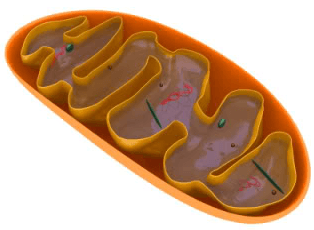
What are tiny organelles that convert glucose into ATP?
a)
Ribosomes
b)
Vesicles
c)
Cytoskeleton
d)
Mitochondria
39.
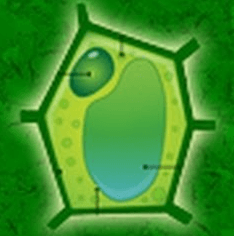
A rigid layer that lies outside the cell's membrane is...
a)
Cytoskeleton
b)
Cilia
c)
Cell Wall
d)
Flagella
40.
What organelle helps with cell digestion?
a)
Lysosomes
b)
Ribosomes
c)
Golgi Complex
d)
ER
41.
What is the gel-like substance inside of cells called?
a)
photoplasm
b)
photosynthesis
c)
cytoskeleton
d)
cytoplasm
42.

What cell part is NOT found in all cells?
a)
Cell Wall
b)
Cell Membrane
c)
Cytoplasm
d)
Genetic Material
43.
What is the function of the vacuole?
a)
Sac that stores water, nutrients, and waste products
b)
Sac filled with digestive chemicals
c)
Jelly-like substance within the plasma membrane
d)
stack of membranes that packages chemicals
44.

Using this image, what organelle is C?
a)
Endoplasmic Reticulum
b)
Flagella
c)
Rough ER
d)
Smooth ER
45.

Using this image, what organelle is D?
a)
Endoplasmic Reticulum
b)
Flagella
c)
Rough ER
d)
Smooth ER
46.

Using this image, what organelle is E?
a)
Nucleus
b)
Nuclear Membrane
c)
Nucleolus
d)
Cell Membrane
47.

Using this image, what organelle is F?
a)
Nucleus
b)
Nuclear Membrane
c)
Nucleolus
d)
Cell Membrane
48.

Using this image, what organelle is H?
a)
Nucleus
b)
Nuclear Membrane
c)
Nucleolus
d)
Cell Membrane
49.

Using this image, what organelle is I?
a)
Centrioles
b)
Cell Membrane
c)
Golgi Apparatus
d)
Ribosomes
50.

Using this image, what organelle is J?
a)
Cell Membrane
b)
Golgi Apparatus
c)
Ribosome
d)
Centrioles
51.

Using this image, what organelle is M?
a)
Centrioles
b)
Cell Membrane
c)
Golgi Apparatus
d)
Ribosomes
52.

Using this image, what organelle is N?
a)
Centrioles
b)
Cell Membrane
c)
Golgi Apparatus
d)
Ribosome
53.

Using this image, what organelle is O?
a)
Cell Membrane
b)
Centrioles
c)
Golgi Apparatus
d)
Mitochondria
54.

Using this image, what organelle is G?
a)
Large Central Vacuole
b)
Chloroplast
c)
Mitochondria
d)
Cell Wall
55.

Using this image, what organelle is C?
a)
Cell Wall
b)
Mitochondria
c)
Large Cell Vacuole
d)
Chloroplast
56.

Using this image, what organelle is A?
a)
Cell Wall
b)
Large Central Vacuole
c)
Mitochondria
d)
Chloroplast
57.
What is the function of nuclear membrane?
a)
Membrane that protects the nucleus
b)
Membrane that surrounds and protects the cell
c)
Sac that stores water, nutrients, or waste products
d)
Passageways where chemicals are made
58.
What is the function of the cytoplasm?
a)
structure that organizes the motion of the chormosomes
b)
Structure that contains DNA and directs the cell
c)
Jelly like substance within the plasma membrane
d)
Sac filled with digestive chemicals
59.
What is the function of the cell membrane?
a)
Membrane that surrounds and protects the cell
b)
Membrane that protects the nucleus
c)
Structure that manufactures ribosomes
d)
Package created by the Golgi apparatus
60.
What is the function of the nucleolus?
a)
Structure that organizes motion of the chromosomes
b)
Structure that contains DNA and directs the cell
c)
Structure that manufactures the ribosomes
d)
Small structure that synthesis proteins
61.
What is the function of the Golgi apparatus?
a)
Stack of membranes that packages chemicals
b)
Structures that converts nutrients to energy
c)
Small structure that converts nutrients to energy
d)
Sac that stores water, nutrients, or waste products
62.
What is the function of the ribosome?
a)
Structure that organizes motion of the chromosomes
b)
Structure that contains DNA and directs the cell
c)
Structures that converts nutrients to energy
d)
Structures that synthesis proteins
63.
What is the function of the lysosomes?
a)
Membrane that surrounds and protects the cell
b)
Sac filled with digestive chemicals
c)
Sac that stores water, nutrients, or waste products
d)
Membrane that protects the nucleus
64.
What is the function of the mitochondria?
a)
Structure that manufactures ribosomes
b)
Structures that converts nutrients to energy
c)
Stack of membranes that packages chemicals
d)
Structure that contains DNA and directs the cell
65.
What is the function of the centrioles?
a)
Structure that organizes motion of chromosomes
b)
Structures that contains DNA and directs the cell
c)
Stack of membranes that packages chemicals
d)
Membrane that protects the nucleus
66.
Which organelle contains the genetic material called the thread of life?
a)
Mitochondria
b)
Ribosomes
c)
Cytoplasm
d)
Chromosomes
67.
Which organelle is often called the freeway of the cell because they transport things around the cell?
a)
Mitochondria
b)
Endoplasmic Recticulum
c)
Golgi Apparatus
d)
Chloroplast
68.

What is the difference between rough and smooth ER?
a)
There is no difference.
b)
Plants have rough ER, animals have smooth ER.
c)
What type of injuries the Doctors treat.
d)
Rough has ribosomes, smooth does not.
69.
Produces hormones and lipid molecules for cells
a)
smooth endoplasmic reticulum
b)
rough endoplasmic reticulum
c)
nucleus
d)
ribosome
70.
What makes the endoplasmic reticulum rough?
a)
Vessicles
b)
Vacuoles
c)
Ribosomes
d)
Chromosomes
71.
The ____________ regulates what enters and leaves the cell.
a)
mitochondria
b)
cell membrane
c)
golgi bodies
d)
cytoplasm
72.
This organelle creates lipids
a)
Smooth endoplasmic reticulum
b)
Rough endoplasmic reticulum
c)
Ribosomes
d)
Nucleus
73.
_________ ship and package materials
a)
Golgi bodies
b)
Mitochondria
c)
Rough endoplasmic reticulum
d)
Smooth endoplasmic reticulim
74.
Who discovered and named cells?
a)
Captain Hook
b)
Robert Hooke
c)
Zacharias Janssen
d)
Rudolf Virchow
75.
The _____________ carries the proteins though the cell.
a)
ribosomes
b)
nucleus
c)
smooth endplasmic reticulum
d)
rough endoplasmic reticulum
76.
A specialized structure inside of the cell are known as _____________.
a)
organ
b)
items
c)
organelle
d)
excess materials
77.
Energy that is usable by a cell is called ___________.
a)
ATP
b)
ASAP
c)
AVP
d)
JYU
100 %

