
 Worksheets
REVEIW FOR BIODIVERSITY A
Total questions: 56
Worksheet time: 1hrs 3mins
Name
Class
Date
1.

Based upon the information shown in the cladogram below, which trait would most likely be observed in ray-finned fish?
a)
amniotic egg
b)
bony skeleton
c)
four limbs
d)
hair
2.
An inherited characteristic that increases an organisms ability to survive and reproduce in its specific environment is called a(n)
a)
vestigial structure
b)
speciation
c)
analogous structure
d)
adaptation
3.
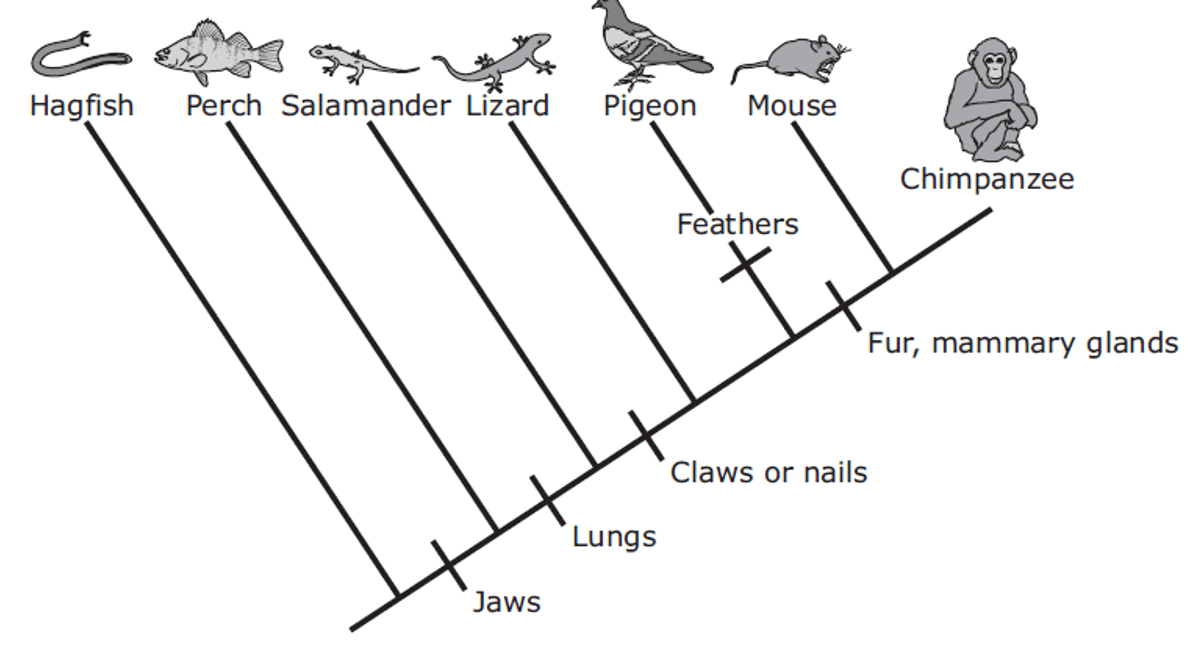
All the animals to the right of the hagfish would have the common characteristic of -
a)
Fur
b)
Claws or nails
c)
Lungs
d)
Jaws
4.

According to this cladogram, birds are LEAST related to -
a)
Amphibians
b)
Sharks
c)
Ray Finned Fish
d)
Crocodiles
5.
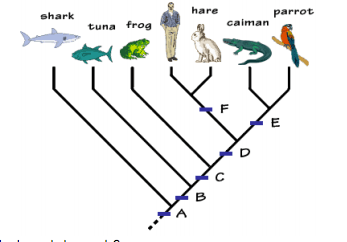
On the cladogram, which organism is the closest relative of the human?
a)
Frog
b)
Hare
c)
Caiman
d)
Parrot
6.

Individuals that are well adapted to their environment will survive and produce:
a)
Fewer mutations
b)
Stronger genes
c)
More offspring
d)
Better traits
7.
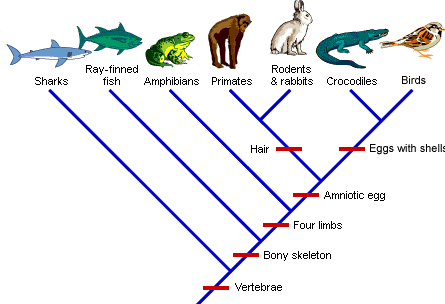
According to this cladogram, primates are most closely related to -
a)
Amphibians
b)
Rodents and rabbits
c)
Crocodiles
d)
Birds
8.

Which trait do only humans have, according to the cladogram?
a)
jaws
b)
mammary glands & hair
c)
terrestrial during all life stages
d)
opposable thumbs
9.

According to the cladogram, which organism is most distantly related to the human?
a)
crayfish
b)
rat
c)
perch
d)
frog
10.

Which two organisms have hair?
a)
Sharks & Ray Finned Fish
b)
Primates & Rodents
c)
Birds & Crocodiles
d)
Rabbits & Birds
11.
Cladograms are constructed by grouping organisms together based on their____________ characteristics.
a)
shared
b)
different
c)
similar
d)
opposite
12.

When is the ball the highest?
a)
1 second
b)
2 seconds
c)
3 seconds
d)
4 seconds
13.

How many people added hot sauce to their food on Monday?
a)
40
b)
20
c)
70
d)
80
14.

In which year was the per-student arts education budget $20?
a)
2005
b)
2009
c)
2013
d)
2014
15.
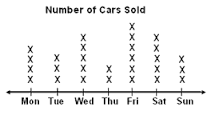
How many cars were sold on Saturday and Sunday?
a)
5
b)
3
c)
8
d)
10
16.

How many people studied for 30 minutes?
a)
one
b)
three
c)
five
d)
nine
17.
What is an adaptation?
a)
A feature or behavior that helps an animal survive.
b)
The food that an animal eats.
c)
How energy moves in a food web.
d)
How animals evolve throughout time.
18.
How do adaptations help animals?
a)
to hide from predators
b)
to hunt for food
c)
to survive in their habitats
d)
All of these are correct
19.
An animal's color or pattern that helps it blend into its surroundings
a)
Environment
b)
Mimicry
c)
Camouflage
d)
Habitat
20.

The ears of this fox are an example of...
a)
A behavioral adaptation
b)
Poor breeding
c)
A physical adaptation
d)
Plastic surgery gone horribly wrong
21.
When an animal looks like another animal it is called ______________.
a)
camouflage
b)
mimicry
c)
warning coloration
d)
protective resemblance
22.
Lions, bears, and owls all hunt other animals for their food. They are examples of
a)
predators
b)
prey
23.
The environment in which an animal lives is called its...
a)
habitat
b)
adaptation
c)
variation
d)
relatedness
24.
What are some things that can cause an animal to become endangered or extinct?
a)
habitat loss
b)
disease
c)
climate change
d)
all of the above
25.
What are the 4 things that living things need to survive?
a)
air, food, protection, love
b)
food, water, space, air
c)
love, protection, air, space
d)
protection, water, meat, plants
26.
Lions often hide in the tall grass while stalking their prey. This is an example of...
a)
camouflage
b)
warning coloration
c)
mimicry
d)
hibernation
27.
A resting state through the winter.
Adaptation: Bear sleeping in a cave during the winter months
Adaptation: Bear sleeping in a cave during the winter months
a)
Locomotion
b)
Hibernation
c)
Migration
d)
Defense
28.
A deer raising its tail
a)
structural
b)
physiological
c)
behavioral
29.
An otter makes an oil to keep its skin watertight
a)
physiological
b)
structural
c)
behavioral
30.
A wolf howls
a)
structural
b)
physiological
c)
behavioral
31.
Gills on a fish
a)
structural
b)
physiological
c)
behavioral
32.
A snake's fangs
a)
structural
b)
physiological
c)
behavioral
33.
A grouse drums
a)
structural
b)
physiological
c)
behavioral
34.
protective coloration (blending in with your surrounding colors) is
a)
structural
b)
behavioral
c)
physiological
35.
Which of the following is NOT a behavioral adaptation?
a)
Making a nest in the crevices of buildings
b)
Hunting at night
c)
Collecting food from trash cans
d)
Having large eyes that can see well in the dark
36.
The goal of every species on earth is...
a)
to survive and reproduce
b)
divide and conquer
c)
survive and conquer
d)
reproduce and die
37.
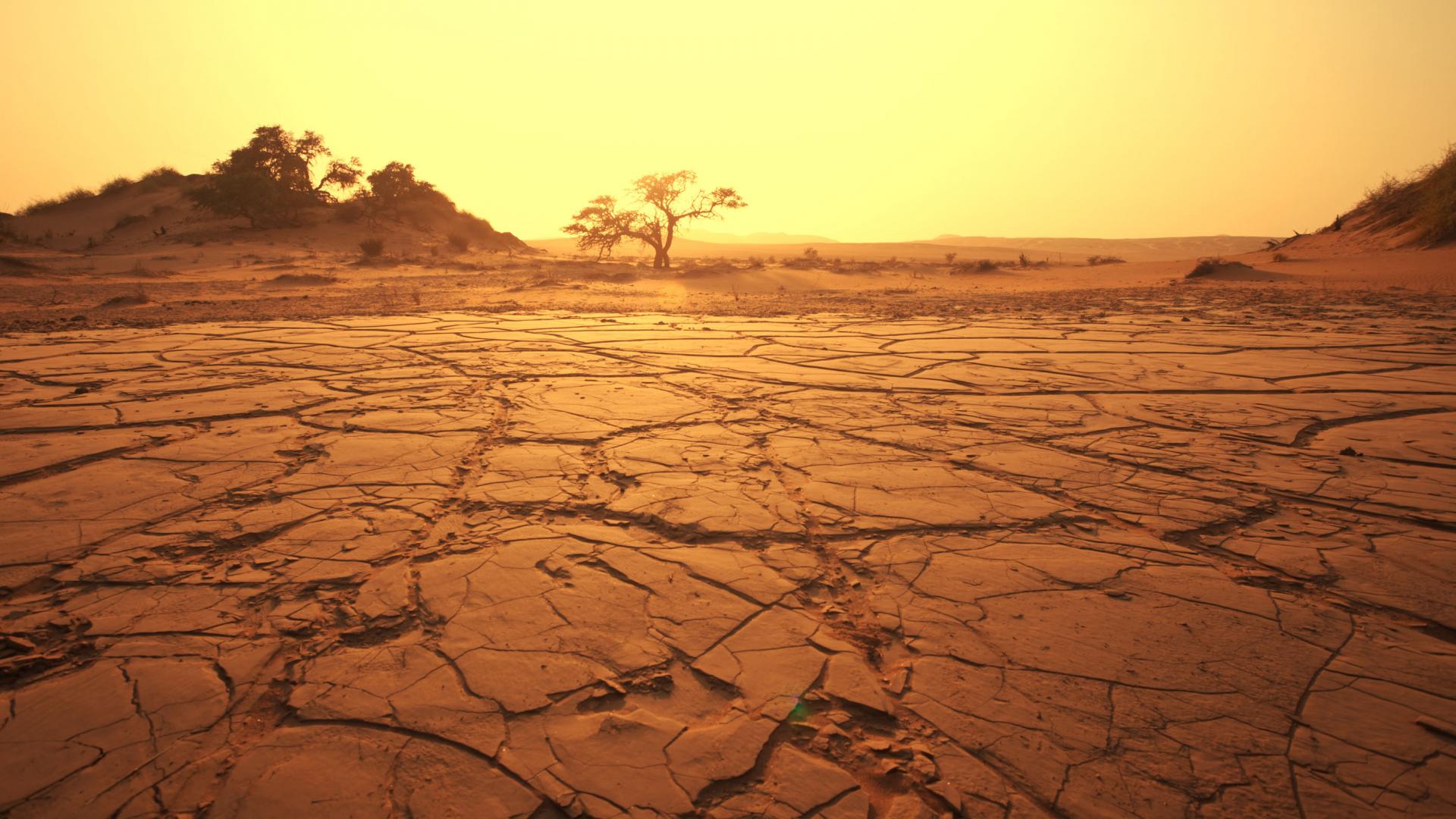
Which biome is the driest?
a)
Desert
b)
Tundra
c)
Taiga
d)
Rainforest
38.
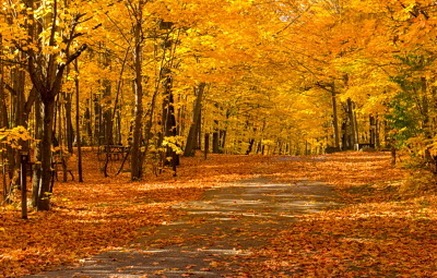
Which biome has deciduous trees (which lose their leaves)?
a)
Temperate Forest
b)
Rainforest
c)
Grasslands
d)
Taiga
39.
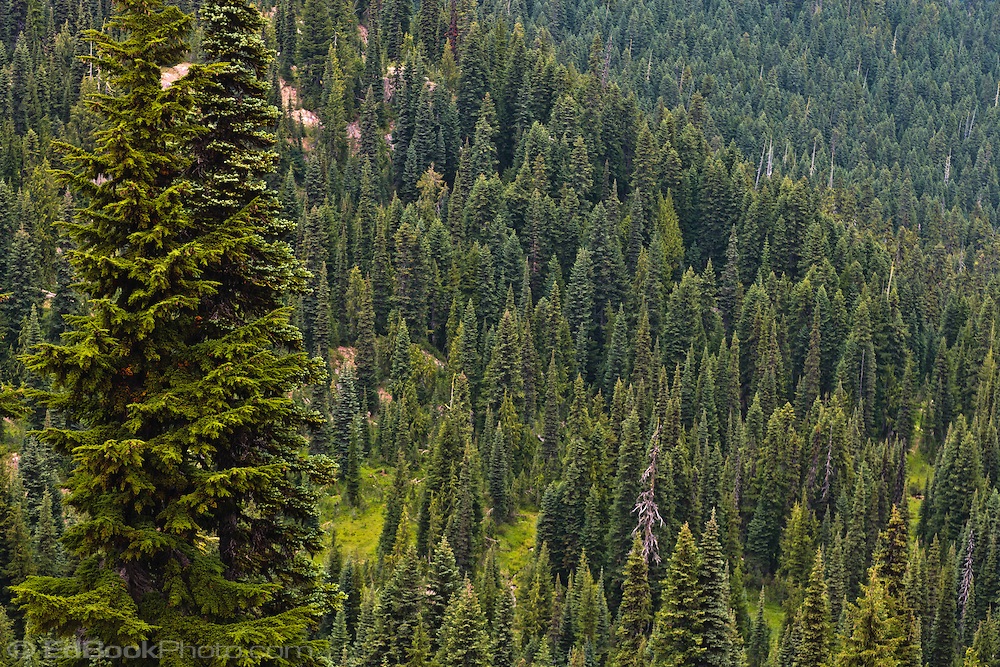
Which biome has coniferous trees (which don't lose their leaves)?
a)
Taiga
b)
Temperate Forest
c)
Tundra
d)
Grasslands
40.
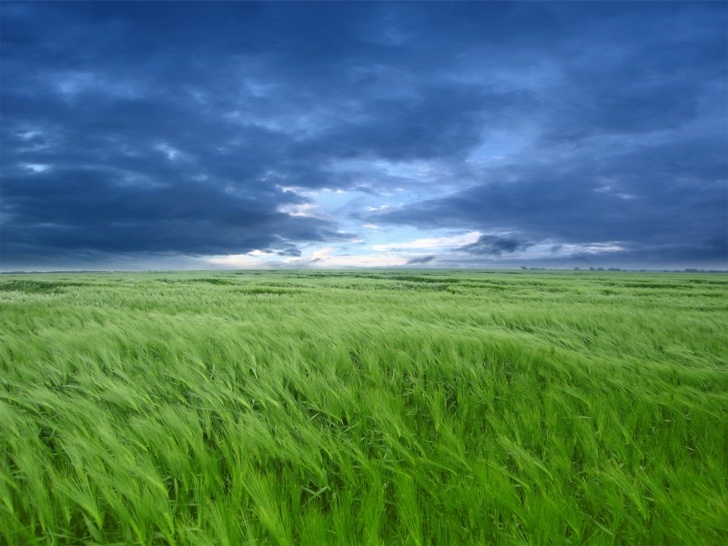
Which biome has wide-open fields of grass?
a)
Taiga
b)
Grasslands
c)
Temperate Forest
d)
Rainforest
41.

Which biome has 4 seasons?
a)
Taiga
b)
Tundra
c)
Grasslands
d)
Temperate Forest
42.
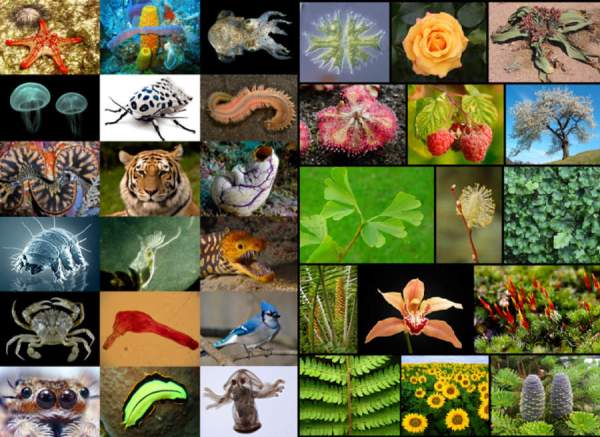
Which biome has the most variety of plants and animals?
a)
Temperate Forest
b)
Rainforest
c)
Tundra
d)
Grasslands
43.

In which 2 biomes can only plants/animals with adaptations survive?
a)
Taiga/Temperate Forest
b)
Grasslands/Desert
c)
Tundra/Desert
d)
Rainforest/Tundra
44.
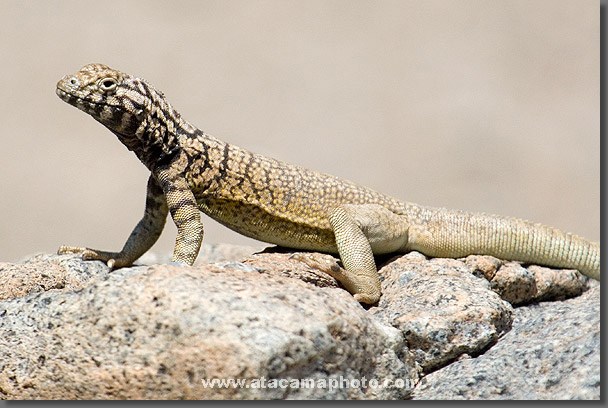
Which biome is home to cacti, scorpions, coyotes, kangaroo rats, and lizards?
a)
Desert
b)
Grasslands
c)
Temperate Forest
d)
Taiga
45.
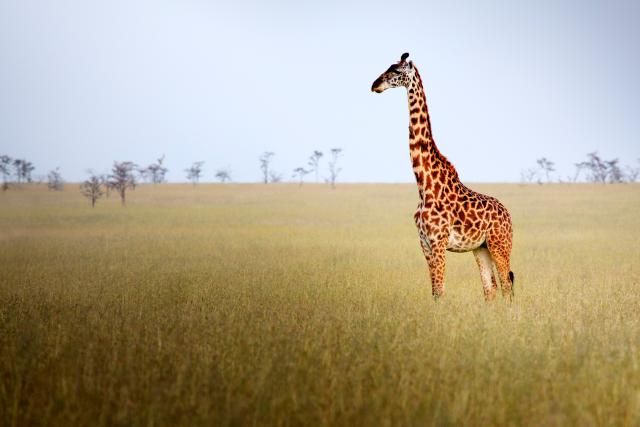
Which biome is home to lions, zebras, wildebeests, giraffes, and elephants?
a)
Grasslands
b)
Tundra
c)
Rainforest
d)
Temperate Forest
46.

Which biome do we live in?
a)
Grasslands
b)
Taiga
c)
Rainforest
d)
Temperate Forest
47.
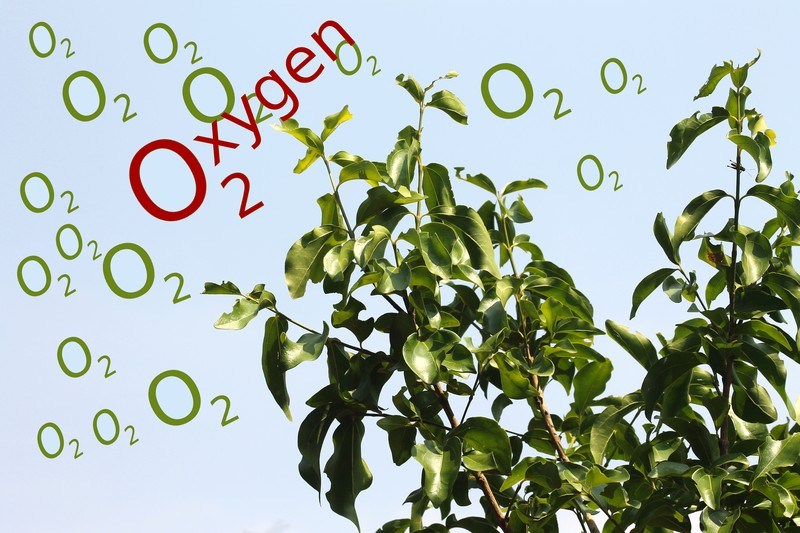
Which biome produces over 50% of the world's oxygen?
a)
Rainforest
b)
Temperate Forest
c)
Grasslands
d)
Taiga
48.

Which biome is home to jaguars, anacondas, leopards, gorillas, and poisonous tree frogs?
a)
Grasslands
b)
Temperate Forest
c)
Rainforest
d)
Tundra
49.
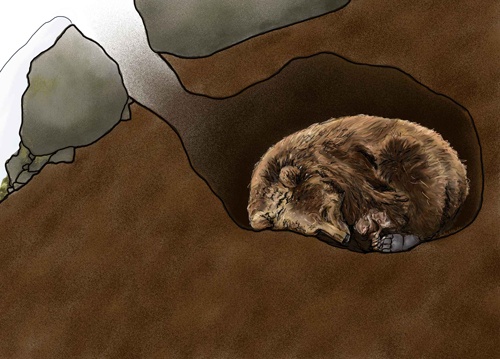
Which biome could an animal who hibernates in the winter to survive the cold live in?
a)
Grasslands
b)
Taiga
c)
Desert
d)
Rainforest
50.

In which biome does an organism have to be able to conserve water to survive?
a)
Rainforest
b)
Taiga
c)
Desert
d)
Temperate Forest
51.
What term is given by scientists to the living parts of an ecosystem?
a)
Biotic Factors
b)
Abiotic Factors
c)
Community
d)
Population
52.
Abiotic factors are parts of the environment that are...
a)
Nonliving
b)
Living
c)
Populations
d)
Vegetation
53.
The term "terrestrial" means
a)
land.
b)
water.
54.
One characteristic feature of the tundra is that only the surface thaws in the summer and refreezes in the winter, leaving a permanently frozen subsoil. This characteristic is known as
a)
winter frost
b)
Glaciation
c)
Permafrost
d)
Crystallization
55.
What is the average, year-to-year conditions of weather in an area?
a)
Biome
b)
Air Mass
c)
Climate
d)
Precipitation
56.
We would NOT find this animal in the deciduous forest
a)
squirrel
b)
deer
c)
bear
d)
giraffe
100 %

