
 Worksheets
Cell Theory, Microscopes, Pro v Euk, Organelles
Total questions: 60
Worksheet time: 47mins
Name
Class
Date
1.
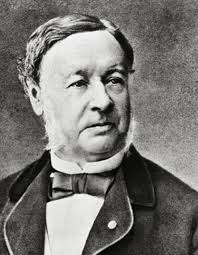
Which of the following scientists concluded that all animals are made of cells?
a)
Rudolf
Virchow
b)
Matthais
Schleiden
c)
Robert
Hooke
d)
Theodor
Schwann
2.

Which of the following scientists was the first to observe bacteria?
a)
Anton
van Leuwenhoek
b)
Matthais
Schleiden
c)
Robert
Hooke
d)
Theodor Schwann
3.

The invention of the microscope made it possible for people to discover and learn about
a)
Plants
b)
Skin
c)
Animals
d)
Cells
4.

Which of the following is NOT one of the basic points of Cell Theory?
a)
All living things are made of cells.
b)
The cell is the smallest living thing that can perform all the functions of life.
c)
Cells are too small to see without a microscope.
d)
All cells must come from pre-existing cells.
5.

Cells are often called "the ____ of life."
a)
bread
b)
road map
c)
building blocks
d)
meaning
6.
Who looked at cork and named the cell?
a)
Robert Hooke
b)
Van Leeuwenhoek
c)
Robert Brown
d)
Francesco Redi
7.
What is the main focus of cell theory?
a)
All organisms are made of 1 or more cells
b)
microscopes are important to study living things
c)
there are 2 types of cells
d)
cells hold bad people
8.

Which scientist did NOT contribute to the cell theory?
a)
Anton Van Leeuwenhoek
b)
Robert Hooke
Robert Hooke
c)
Albert Einstein
d)
Matthias Schleiden
Matthias Schleiden
9.

Who was the "scientist" who observed pond water and teeth scrapings in his microscope?
a)
Hooke
b)
Leeuwenhoek
c)
Schleidian
d)
Virchow
10.

According to cell theory, where did this cell come from?
a)
another living cell
b)
energy from sun
c)
a multicellular organism
d)
the nonliving environment
11.

Robert Hooke, Anton van Leeuwenhoek, Theodor Schwann, Rudolf Virchow, and Matthias Schliden were all responsible for what theory?
a)
The Theory of Gravity
b)
The Theory of Relativity
c)
The Cell Theory
d)
The Theory of Continental Drift
12.
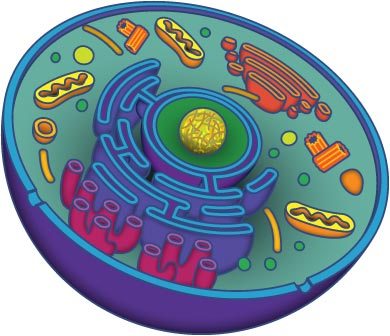
All living things are made up of...
a)
cells
b)
cell tissues
c)
organ
d)
organ systems
13.
All cells come from___________ cells.
a)
pregnant
b)
pre-existing
c)
paternal
d)
pin size
14.
Rocks are not living because
a)
they never move
b)
they aren't needed for humans
c)
they are not made of cells
d)
they don't break down
15.
What is the basic structural and functional unit of all living things?
a)
atom
b)
cell
c)
molecule
d)
human
16.
An organism made of one cell is called
a)
unicellular
b)
multicellular
17.
What is missing from the cell theory?
1. all cells come from previous cells
2. cells are the basic unit of structure and function in living things
1. all cells come from previous cells
2. cells are the basic unit of structure and function in living things
a)
2. all living things are made of minerals
b)
all living things are made of cells
c)
cells make up the most intelligent of the species
d)
there are no cells in living things
18.
what type of cell is bacteria and archaea?
a)
prokaryotes
b)
eukaryotes
c)
liberal bubbles
d)
conservative
19.

the cell wall and chloroplasts are only found in...
a)
plant cells
b)
animal cells
c)
fungi
d)
none of the above
20.
True or False: there are more than two scientist who contributed to the cell theory
a)
True
b)
False
21.
What is the difference between prokaryotic and eukaryotic.
a)
prokaryotic has a nucleus and eukaryotic does not
b)
eukaryotic has a nucleus and prokaryotic does not
c)
prokaryotic has DNA and eukaryotic does not
d)
eucaryotic have a cell wall and prokaryotic
22.
Who said cells come preexisting cells?
a)
Mattias
b)
Schleiden
c)
Schwann
d)
Virchow
23.
All living things ____ to make more living things.
a)
reproduce
b)
develop
c)
grow
d)
adapt
24.

What do all of these organisms have in common?
a)
They all are made of prokaryotic cells
b)
They are all made of eukaryotic cells
c)
They all have a distinct cell wall
d)
They have the same internal and external structures
25.
Which of the following is NOT a cell theory.
a)
All abiotic things are made of cells
b)
All cells come from pre-existing cells
c)
Cells are the basic unit of structure and function of all living things
d)
All organisms are made of cells
26.

When observing a piece of onion cell under a microscope, a student recorded the information on the diagram. Which observation would have been the SAME for EVERY other living organism.
a)
a nucleus in the middle
b)
walls present between
c)
looks practically empty
d)
made of at least one cell
27.

Which of the following scientists(botanist) concluded that all plants are made of cells?
a)
Rudolf Virchow
b)
Matthais Schleiden
c)
Robert Hooke
d)
Theodor Schwann
28.
Is a plant cell prokaryotic or eukaryotic?
Why?
Why?
a)
eukaryotic because it doesn't have a nucleus
b)
prokaryotic because it doesn't have a nucleus
c)
prokaryotic because it does have a nucleus
d)
eukaryotic because it does have a nucleus
29.
Which of the following would be found distributed throughout a prokaryotic cell but be restricted to one area in a Eukaryotic cell?
a)
cytoplasm
b)
DNA
c)
cell wall
d)
ribosomes
30.
Which is a true statement about cell type
a)
Only prokaryotic cells have DNA
b)
All cells have DNA
c)
All cells do not have DNA
d)
Only eukaryotic cells have DNA
31.

Which statement is accurate?
a)
A
b)
B
c)
C
d)
D
32.

Which of the following scientists was the first to see cork cells under a microscope and named them cells.
a)
Anton van Leuwenhoek
b)
Matthais Schleiden
c)
Robert Hooke
d)
Theodor Schwann
33.
Prokaryotes are different than eukaryotic cells because
a)
Prokayotes have membrane bound organelles like the nucleus
b)
Eukaryotes have a cell membrane
c)
Eukayotic cells have membrane bound organelles
d)
Prokaryotes do not have DNA
34.
A student looks at a microscope slide and sees the following organelles
cytoplasm
DNA free flowing
cell membrane
ribosomes
what type of cell did he see?
cytoplasm
DNA free flowing
cell membrane
ribosomes
what type of cell did he see?
a)
the cell is eukaryotic because of the ribosomes
b)
the cell is eukaryotic because of the DNA
c)
the cell is prokayotic because of the DNA
d)
the cell is prokaryotic because it has cytoplasm
35.

Which statement can be concluded from the diagram?
a)
Both cells are prokaryotic
b)
both cells are eukaryotic
c)
Cell 1 is eukaryotic and Cell 2 is prokaryotic
d)
Cell 1 is a prokaryote and Cell 2 is a eukaryote because it has a nucleus
36.
An organ is comprised of many smaller parts called?
a)
tissue
b)
organ systems
c)
atoms
d)
organisms
37.
Which type of cells have genetic material that is used for codes and ribosomes used for protein building?
a)
Both Prokaryotes and Eukaryotes
b)
Only Prokarytotes
c)
Only Eukaryotes
d)
neither cells
38.
Moves the stage slightly to sharpen the image
a)
Body Tube
b)
Course Focus Knob
c)
Aperature
d)
Fine Focus Knob
39.
Regulates the amount of light on the specimen
a)
Diaphragm
b)
Aperature
c)
Ocular Lens
d)
Objective Lenses
40.
Handle used to support the microscope when carried
a)
Base
b)
Revolving Nosepiece
c)
Light Source
d)
Arm
41.
Lenses consist of low 4X, medium 10X, and high 40X
a)
Eyepiece
b)
Ocular Lens
c)
Objective Lenses
d)
Illuminators
42.
What will be the total magnification if ocular lens is 10X and objective lens is 4X?
a)
4X
b)
40X
c)
10X
d)
100X
43.

Number 7
a)
Ocular Lens
b)
Objective Lens
c)
Base
d)
Arm
44.

Number 3
a)
Ocular Lens
b)
Objective Lens
c)
Diaphragm
d)
Base
45.

Number 12
a)
Course Adjustment
b)
Fine Adjustment
c)
Small Adjuster
d)
Large Adjuster
46.

Number 11
a)
Course Adjustment
b)
Fine Adjustment
c)
Small Adjuster
d)
Large Adjuster
47.

Number 6
a)
Insulator
b)
Objective Lens
c)
Ocular Lens
d)
Light
48.
Never use this knob on high power.
a)
Fine
b)
Large
c)
Course
d)
Small
49.
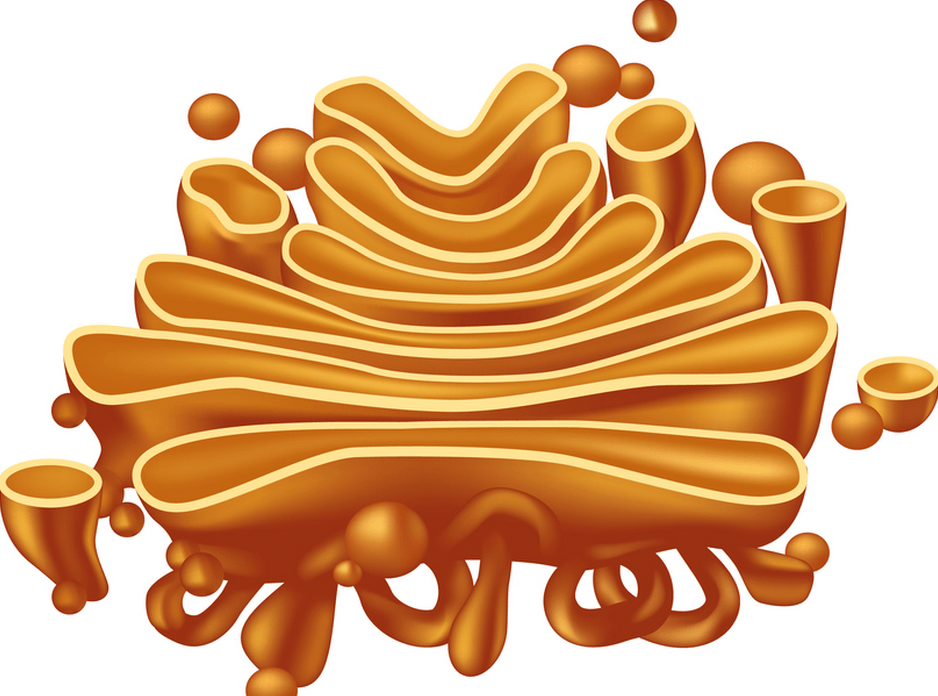
I am a protein packaging and shipping machine! Who am I?
a)
vacuole
b)
ribosome
c)
mitochondrion
d)
golgi apparatus
50.
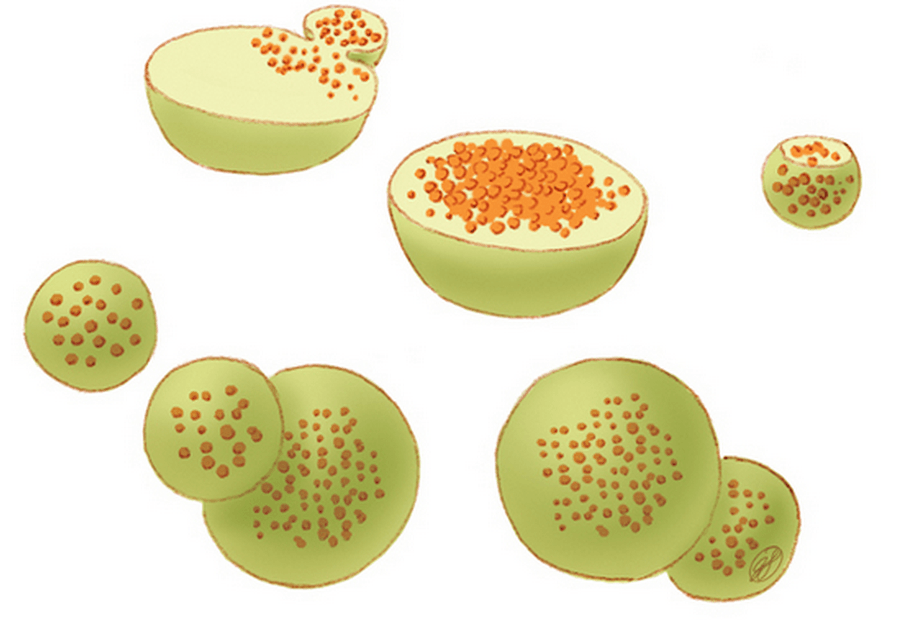
You might think of me as the trash collector, but recycler is maybe more accurate. What am I?
a)
mitochondria
b)
lysosome
c)
vacuole
d)
ribosome
51.

Which part of the cell is often called "the brain of the cell"?
a)
nuclear membrane
b)
endoplasmic reticulum
c)
nucleus
d)
mitochondria
52.
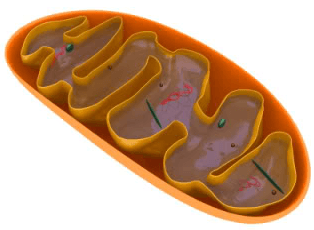
What are tiny organelles that convert glucose into ATP?
a)
Ribosomes
b)
Vesicles
c)
Cytoskeleton
d)
Mitochondria
53.
What organelle is called the "powerhouse" of a cell?
a)
Endoplasmic Reticulum
b)
Nucleus
c)
Mitochondria
d)
Nucleolus
54.
What is the gel-like substance inside of cells called?
a)
photoplasm
b)
photosynthesis
c)
cytoskeleton
d)
cytoplasm
55.

I am the outer most layer of an animal cell. What am I?
a)
cell wall
b)
nucleus
c)
cell membrane
d)
cell skin
56.

I make proteins for the cell. What am I?
a)
ribosome
b)
mitochondria
c)
chloroplast
d)
lysosome
57.
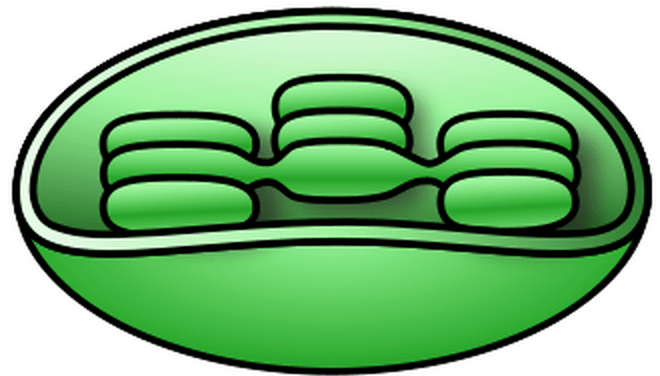
I am only found in a plant cell. What am I?
a)
cell wall
b)
mitochondria
c)
cytoplasm
d)
chloroplast
58.

What is this?
a)
mitochondria
b)
lysosomes
c)
chloroplast
d)
endoplasmic reticulum
59.
How are prokaryotes and eukaryotes different?
a)
prokaryotes are larger
b)
eukaryotes have a nucleus
c)
eukaryotes are simpler
d)
prokaryotes are more complex
60.

The Golgi apparatus _____.
a)
packages cell products for export
b)
eliminates waste
c)
stores DNA
d)
makes energy
100 %

