
NEW
Font size
S
M
L
XL
 Worksheets
Reviewing Atoms and the Periodic Table
Total questions: 37
Worksheet time: 26mins
Name
Class
Date
1.
This particle is found in the nucleus and has no charge
a)
Neutron
b)
Proton
c)
Electron
2.
This particle is found in the nucleus and has a positive charge
a)
Electron
b)
Proton
c)
Neutron
3.
This is a negatively charged particle found outside the nucleus
a)
Electron
b)
Proton
c)
Neutron
4.
This contains most of the mass of an atom
a)
Electron Cloud
b)
Nucleus
c)
Electron
5.
This is the simplest of all atoms and contains only one proton and one electron
a)
Oxygen
b)
Hydrogen
c)
Water
6.
The first person to ever talk about an atom was
a)
Democritus
b)
Rutherford
c)
Dalton
7.
How did Rutherford discover the proton?
a)
Cathode tube ray experiment
b)
Gold Foil Experiment
c)
Planetary Model
d)
Plum Pudding Model
8.
Who stated that all atoms of the same element are excacty alike?
a)
Democritus
b)
Dalton
c)
Thomson
d)
Borh
9.

What scientist is best known for his "Plum Pudding" model of the atom?
a)
J.J. Tomson
b)
Ernest Rutherford
c)
John Dalton
d)
Democritus
10.

What contribution did John Dalton make to atomic theory?
a)
He discovered that every atom was positively charged.
b)
He discovered that every element consisted of one type of atom.
c)
He discovered that atoms had nuclei.
d)
He discovered that atoms could be divided into smaller parts.
11.

Place the following scientists in order, from earliest to latest:
A) Ernest Rutherford
B) J.J. Thomson
C) John Dalton
A) Ernest Rutherford
B) J.J. Thomson
C) John Dalton
a)
B,C,A
b)
C,A,B
c)
A,C,B
d)
C,B,A
12.
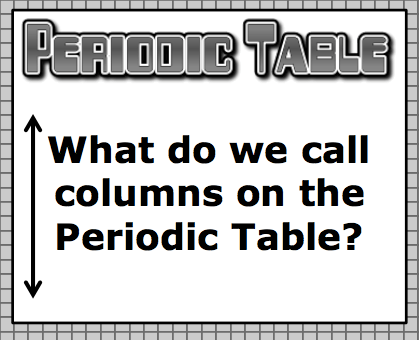
a)
Periods
b)
Groups
13.
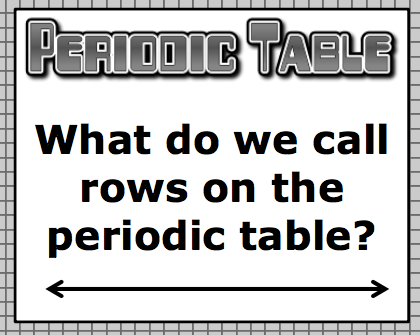
a)
Periods
b)
Groups
14.

a)
energy levels
b)
valence electrons
c)
protons
d)
neutrons
15.
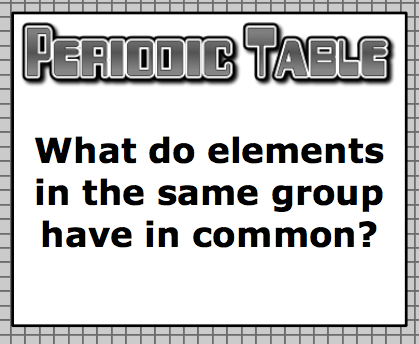
a)
energy levels
b)
valence electrons
c)
protons
d)
neutrons
16.
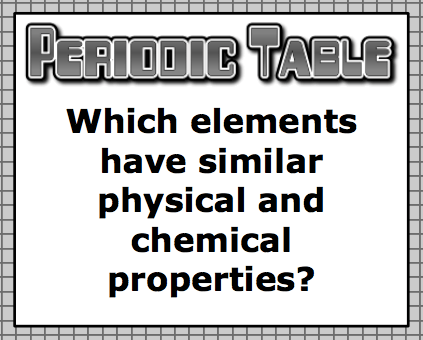
a)
Same group
b)
Same period
17.
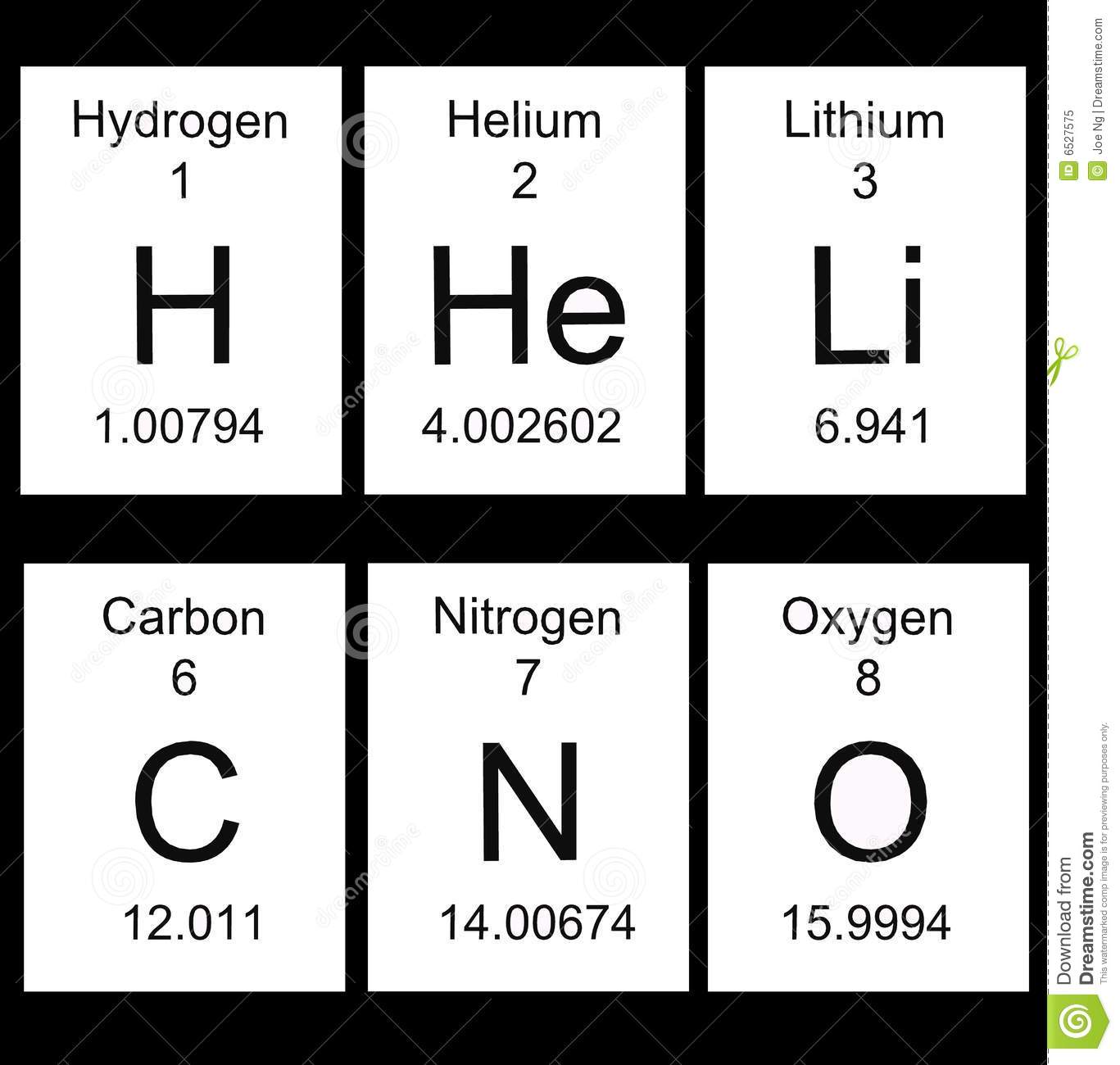
The number at the bottom of each square on the periodic table is the ...
a)
atomic number
b)
atomic mass
c)
chemical symbol
d)
element name
18.
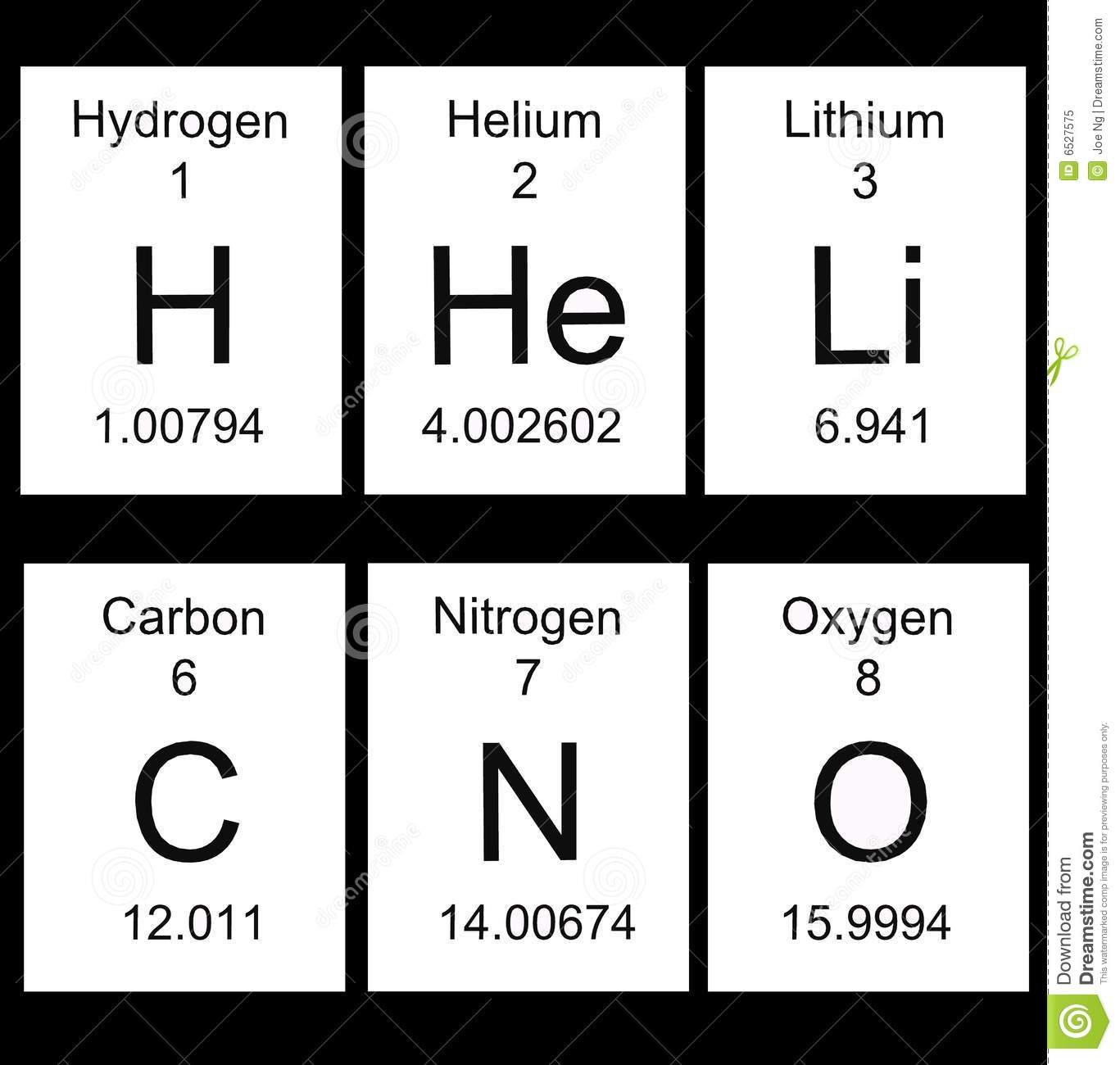
The number at the top of each square on the periodic table is the ...
a)
atomic number
b)
atomic mass
c)
Chemical Symbol
d)
Element Name
19.
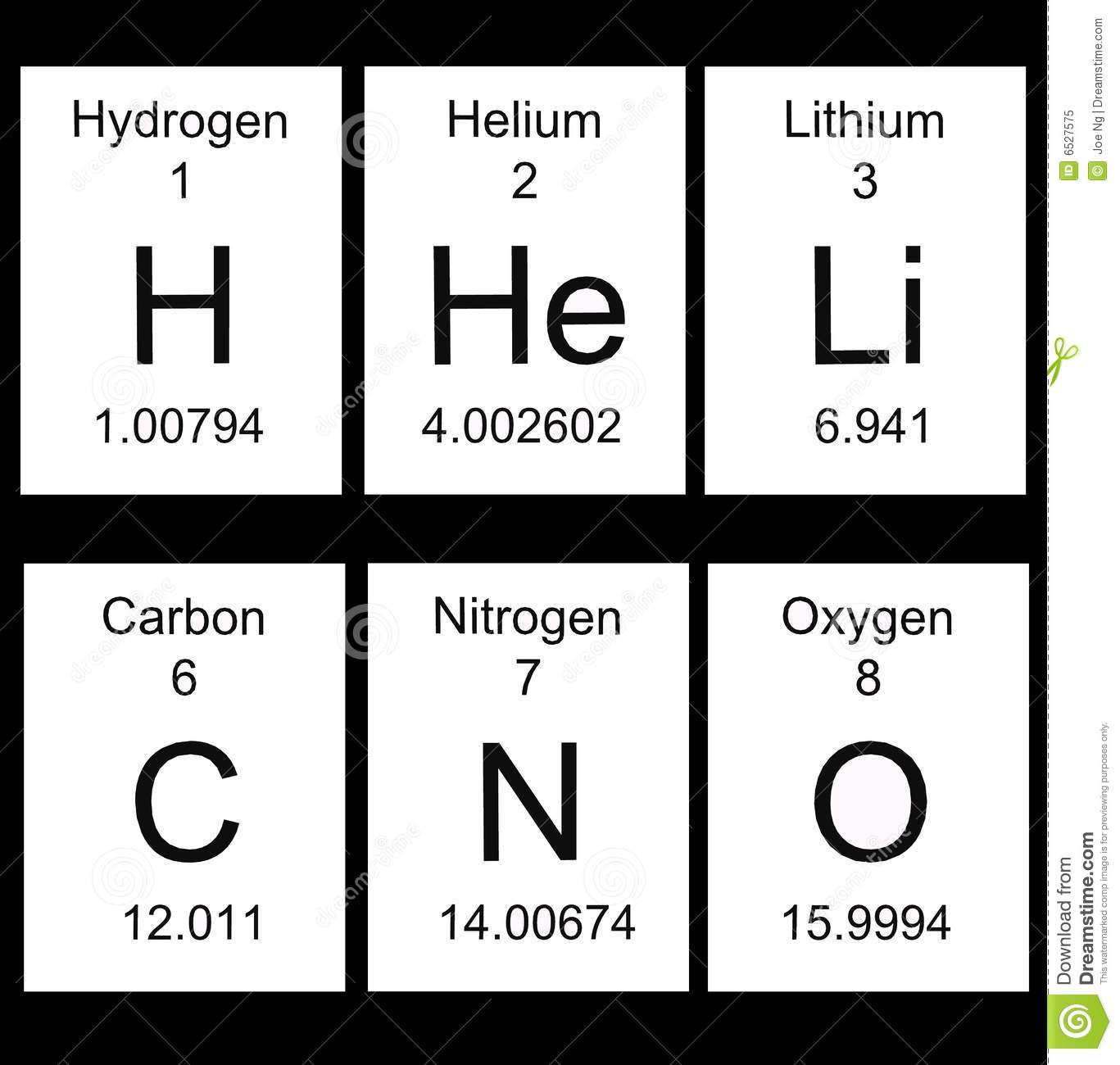
What is the chemical symbol for Lithium?
a)
H
b)
He
c)
Li
d)
N
20.

How did Mendeleev arrange the elements?
a)
alphabetical
b)
density
c)
melting point
d)
atomic mass
21.
What does the atomic mass tell you?
a)
Basically,the number of electrons and protons
b)
The number of neutrons
c)
Basically, the number of protons and neutrons
d)
The number of protons.
22.

a)
2
b)
8
c)
3
d)
13
23.

a)
2
b)
3
c)
5
24.

a)
2
b)
6
c)
10
d)
16
25.

a)
2
b)
5
c)
10
d)
15
26.

a)
1
b)
2
c)
3
d)
4
27.

a)
Beryllium
b)
Boron
c)
Nitrogen
d)
Helium
28.

a)
Potassium
b)
Calcium
c)
Helium
d)
Flourine
29.

a)
Helium
b)
Lithium
c)
Nitrogen
30.
How many electrons should Carbon have around its Lewis dot model?
a)
1
b)
3
c)
4
d)
5
31.

?
a)
Lithium
b)
Boron
c)
Carbon
d)
Neon
32.

?
a)
Helium
b)
Hydrogen
c)
Argon
d)
Silver
33.
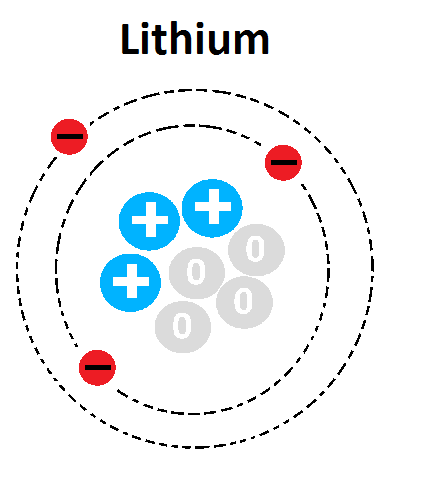
What is the mass number of this atom?
a)
1
b)
3
c)
4
d)
7
34.

What is the atomic number of this atom?
a)
2
b)
4
c)
6
d)
none of the above
35.

What group does this element belong to?
a)
Group 1: Alkali metals
b)
Group 18: Noble Gases
c)
Group 2: Alkaline-Earth Metals
d)
Group 17: Halogens
36.

What group does this element belong to?
a)
Group 1: Alkali metals
b)
Group 18: Noble Gases
c)
Group 2: Alkaline-Earth Metals
d)
Group 17: Halogens
37.

What element is this?
a)
Helium
b)
Hydrogen
c)
Argon
d)
Silver
Reset

