
 Worksheets
Semester 1 Final Review
Total questions: 70
Worksheet time: 52mins
Name
Class
Date
1.

In plant cells, organelles called ___ make food.
a)
chlorophyll
b)
chloroplasts
c)
endoplasmic reticulum
d)
ribosome
2.

____ is the chemical that contains the code for the cell's structure and activities.
a)
Mitochondrion
b)
Golgi body
c)
DNA
d)
Ribosome
3.

Directs all cellular activities.
a)
cell wall
b)
cytoplasm
c)
nucleus
d)
organelle
4.

Tough, rigid, outer coverings on plant cells and give them shape.
a)
cell wall
b)
cytoplasm
c)
nucleus
d)
organelle
5.

Gelatin-like substance where most of the cell's processes occur.
a)
cell wall
b)
cytoplasm
c)
nucleus
d)
organelle
6.

Processes and moves materials around inside of the cell.
a)
ribosomes
b)
mitochondrion
c)
endoplasmic reticulum
d)
Golgi body
7.

Found in both prokaryotes and eukaryotes, these structures make protein for the cell.
a)
ribosomes
b)
mitochondrion
c)
endoplasmic reticulum
d)
Golgi body
8.

Organelles where energy is released when food is broken down.
a)
ribosomes
b)
mitochondrion
c)
endoplasmic reticulum
d)
Golgi body
9.

Stacked, flattened membranes that sort proteins and package them into membrane-bound structures.
a)
ribosomes
b)
mitochondrion
c)
endoplasmic reticulum
d)
Golgi body
10.

The _________ holds the DNA for the cell.
a)
vacuole
b)
smooth ER
c)
rough ER
d)
nucleus
11.

What are the simplest cells in existence?
a)
eukaryotic
b)
prokaryotic
12.

This organelle takes food and turns it into ENERGY for plant and animal cells.
a)
Chloroplast
b)
Mitochondria
c)
Lysosome
d)
Ribosome
13.

This is a example of........
a)
organ system
b)
cells
c)
organ
d)
tissue
14.
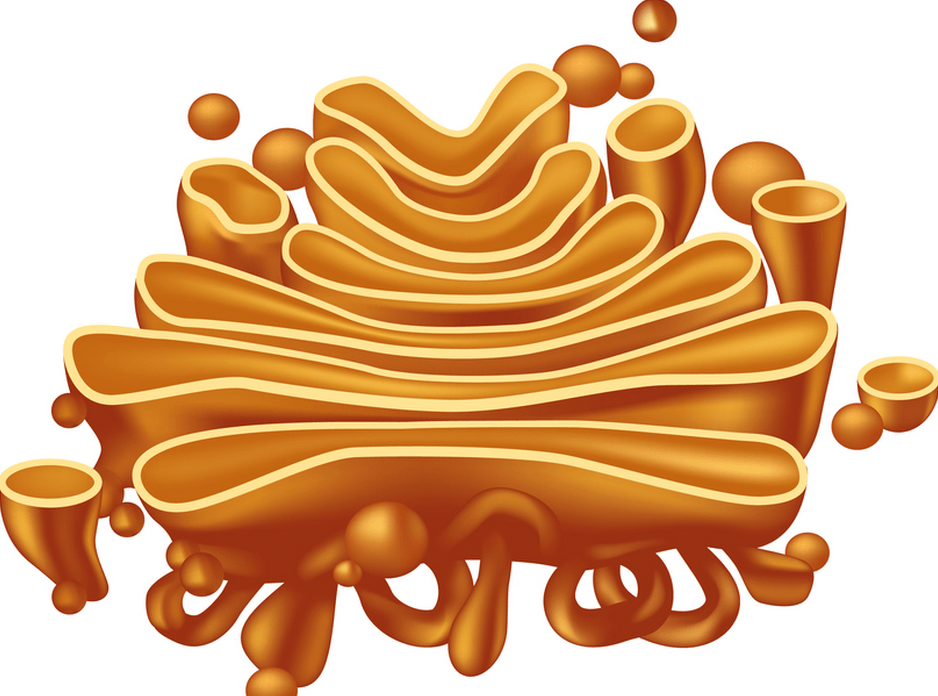
I am a protein packaging and shipping machine! Who am I?
a)
vacuole
b)
ribosome
c)
mitochondrion
d)
golgi apparatus
15.
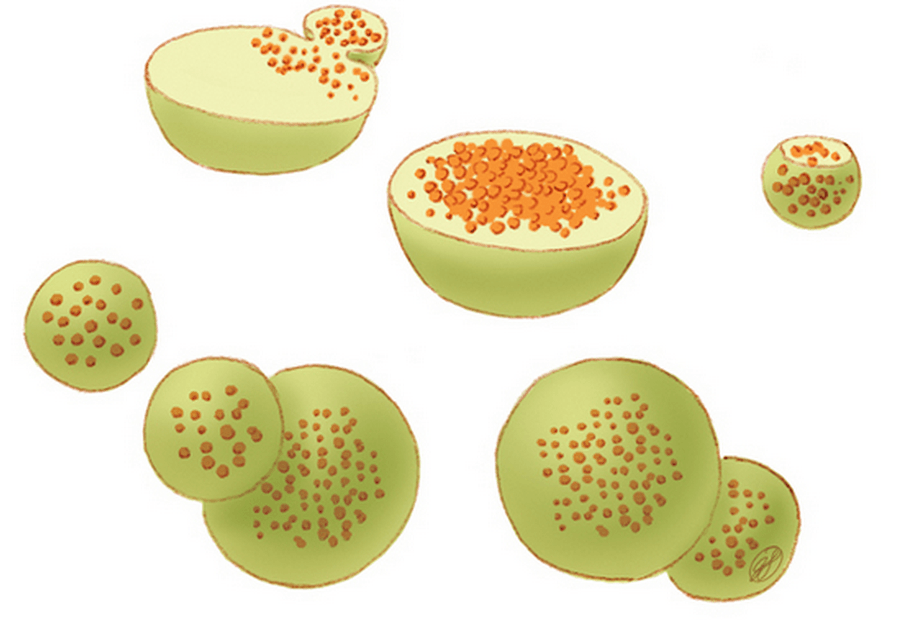
You might think of me as the trash collector, but recycler is maybe more accurate. What am I?
a)
mitochondria
b)
lysosome
c)
vacuole
d)
ribosome
16.
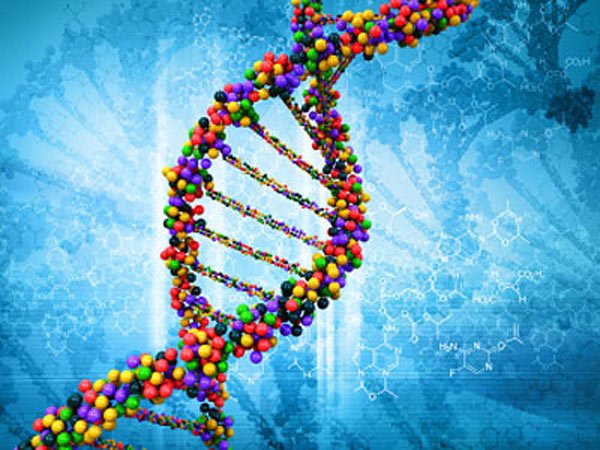
What is the name of the genetic material that is inside the nucleus?
a)
ER
b)
ATP
c)
YOLO
d)
DNA
17.

Which part of the cell is often called "the brain of the cell"?
a)
nuclear membrane
b)
endoplasmic reticulum
c)
nucleus
d)
mitochondria
18.
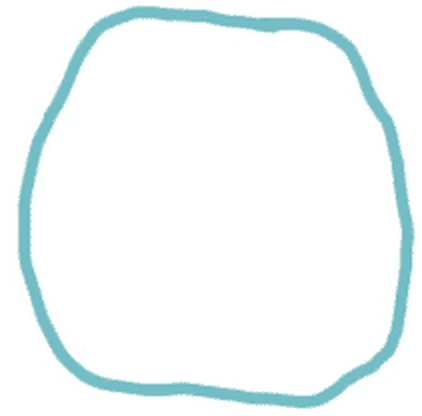
I am the outer most layer of an animal cell. What am I?
a)
cell wall
b)
nucleus
c)
cell membrane
d)
cell skin
19.

A group of tissues that work together to perform a similar function is called_____. (Examples include the heart, lungs or stomach)
a)
cells
b)
tissues
c)
organs
d)
organ system
20.

A group of cells that have similar functions? Examples are nervous, epithelial, muscle and connective
a)
cells
b)
tissues
c)
organs
d)
atoms
21.

Organs that work together to perform a related function is called _____________?
a)
cells
b)
tissues
c)
organ system
d)
organs
22.

What cell part is NOT found in all cells?
a)
Cell Wall
b)
Cell Membrane
c)
Cytoplasm
d)
Genetic Material
23.

What is the difference between rough and smooth ER?
a)
There is no difference.
b)
Plants have rough ER, animals have smooth ER.
c)
What type of injuries the Doctors treat.
d)
Rough has ribosomes, smooth does not.
24.

Which 2 organelles are in plants and animals?
a)
cell wall and cytoplasm
b)
nucleaus and plastids
c)
cell membrane and cytoplasm
d)
cell membrane and chloroplast
25.

I am only found in a plant cell. What am I?
a)
cell wall
b)
mitochondria
c)
cytoplasm
d)
chloroplast
26.

Controls what enters/leaves a cell.
a)
cell membrane
b)
Nuclear membrane
c)
cell wall
d)
cytoplasm
27.

I store water in both plant and animal cells. What am I?
a)
cytoplasm
b)
ribosomes
c)
vacuole
d)
lysosomes
28.

Complex cell. Can be plant or animal. Contains membrane bound organelles.
a)
Eukaryotic Cell
b)
Prokaryotic Cell
c)
Bacteria
d)
Blood cell
29.
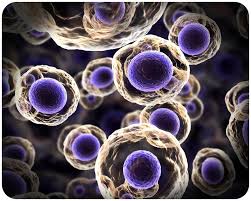
The two kinds of cells are Prokaryotes and Eukaryotes. How are they different?
a)
Prokaryotes have a nucleus.
b)
Eukaryotes have a nucleus.
c)
Prokaryotes are plant cells.
d)
There is no difference.
30.

Using this image, what organelle is B?
a)
Rough endoplasmic reticulum
b)
Smooth endoplasmic reticulum
c)
Nucleus
d)
Vacuole
31.

Using this image, what organelle is E?
a)
Ribosome
b)
Golgi body
c)
Endoplasmic Reticulum
d)
Lysosome
32.

Using this image, what organelle is C?
a)
Cell wall
b)
Cell membrane
c)
cytoplasm
d)
vacuole
33.

Using this image, what organelle is J?
a)
Ribosome
b)
Mitochondria
c)
Lysosome
d)
Nucleolus
34.

Using this image, what organelle is A?
a)
Ribosome
b)
Golgi body
c)
Nucleus
d)
Mitochondria
35.

Using this image, what organelle is A?
a)
Cell Wall
b)
Mitochondria
c)
Large Cell Vacuole
d)
Chloroplast
36.

Using this image, what organelle is J?
a)
Endoplasmic Reticulum
b)
Mitochondria
c)
Vacuole
d)
Cytoplasm
37.

Using this image, what organelle is L?
a)
Cell Wall
b)
Mitochondria
c)
Cell membrane
d)
Cytoplasm
38.

Using this image, what organelle is I?
a)
Cell Wall
b)
Mitochondria
c)
Cell membrane
d)
Cytoplasm
39.

This is a(n)___________ cell.
a)
Plant
b)
Animal
40.

Using this image, what organelle is I?
a)
Smooth endoplasmic reticulum
b)
Mitochondria
c)
Lysosome
d)
Vacuole
41.

This is a(n) ___________ cell.
a)
Plant
b)
Animal
42.

How many chromosomes do humans have?
a)
46
b)
21
c)
10
43.
This cellular structure helps organisms maintain homeostasis by controlling what substances may enter or leave cells.
a)
vacuole
b)
nucleus
c)
cell membrane
d)
cell wall
44.

In mitosis, the two resulting cells are
a)
different from the starting cell and identical to each other.
b)
different from the starting cell and different from each other.
c)
identical to the starting cell and different from each other.
d)
identical to the starting cell and identical to each other.
45.

This is a diagram of...
a)
exocytosis
b)
active transport
c)
osmosis
d)
equilibrium
46.

What stage of mitosis is this cell in?
a)
metaphase
b)
anaphase
c)
interphase
d)
cytokinesis
47.

This process releases energy without the use of oxygen.
a)
respiration
b)
photosynthesis
c)
fermentation
d)
agitation
48.

This regulates nearly all the chemical reactions in cells.
a)
referee
b)
ribosomes
c)
cell membrane
d)
enzymes
49.

In cellular respiration, what reacts with oxygen to produce carbon dioxide, water and energy?
a)
hydrogen
b)
enzymes
c)
electrons
d)
glucose
50.

During which phase are the chromosomes lined up in the middle?
a)
Metaphase
b)
Anaphase
c)
Interphase
d)
Prophase
51.

During which phase are the spindle fibers formed?
a)
Prophase
b)
Interphase
c)
Anaphase
d)
Metaphase
52.

These are the raw materials (reactants) of photosynthesis.
a)
carbon dioxide & water
b)
oxygen and glucose
c)
oxygen & water
d)
glucose and water
53.

A cell does not use energy during ______.
a)
active transport
b)
endocytosis
c)
diffusion
d)
exocytosis
54.

What stage of mitosis is this cell in?
a)
prophase
b)
metaphase
c)
anaphase
d)
telophase
55.

What stage of mitosis is this cell in?
a)
prophase
b)
Interphase
c)
telophase
d)
anaphase
56.

Threadlike structures that carry the genetic plans for the cell are called...
a)
DNA
b)
centrioles
c)
centromeres
d)
chromosomes
57.

What stage of mitosis is this cell in?
a)
Interphase
b)
telophase
c)
metaphase
d)
prophase
58.

Which phase is NOT a part of mitosis?
a)
Telophase
b)
Prophase
c)
Anaphase
d)
Interphase
59.

Producers use light energy in photosynthesis to make this.
a)
carbon dioxide
b)
glucose
c)
chlorophyll
d)
fructose
60.

What process uses oxygen to break down glucose?
a)
fermentation
b)
cellular respiration
c)
photosynthesis
d)
exocytosis
61.

Which of the following cells is in a hypertonic solution?
a)
1
b)
2
c)
3
62.

Which of these red blood cells are in a hypotonic solution?
a)
1
b)
2
c)
3
63.

The green pigment that is used in photosynthesis to capture light energy is ________.
a)
glucose
b)
chloroplasts
c)
chlorophyll
d)
carbon dioxide
64.

During which phase in the cell cycle do the chromosomes duplicate?
a)
Prophase
b)
Anaphase
c)
Metaphase
d)
Interphase
65.

The division of the cytoplasm is called _____.
a)
cytokinesis
b)
telokinesis
c)
mitosis
d)
meiosis
66.

Sister chromatids are connected at an area called_______.
a)
chromatids
b)
centomere
c)
centriole
d)
centromeriole
67.

Which of the following is NOT true about animal and plant cells during mitosis?
a)
only animal cells have spindle fibers
b)
only plant cells have rigid cell wal
c)
only plant cells form cell plates
d)
both animal and plant cells have chromosomes
68.

Which of the following terms BEST describes the diagram?
a)
diffusion
b)
facilitated diffusion
c)
active transport
d)
passive transport
69.

Passive transport occurs when small particles move from...
a)
outside a cell to inside a cell
b)
areas of lower concentration to higher concentration
c)
areas of higher concentration to lower concentration
d)
inside a cell to outside a cell
70.

What are the things called that pull the chromosomes to each pole?
a)
reindeer
b)
floss fibers
c)
spindle fibers
d)
centromeres
100 %

