
 Worksheets
Life Science Semester Exam
Total questions: 97
Worksheet time: 2hrs 40mins
Name
Class
Date
1.
Which of these is a rule for writing element symbols?
a)
First letter is NOT capitalized
b)
Has 1-3 letters
c)
Second letter is capitalized
d)
Always in cursive
2.

Is this an example of an organic or inorganic compound?
a)
Organic
b)
Inorganic
3.
Organic compounds are always based on what element?
a)
hydrogen
b)
water
c)
carbon
d)
arsenic
4.
A pure substance that cannot be broken down into simpler substances.
a)
element
b)
compound
c)
molecule
d)
carbon dioxide
5.

Is this an example of an organic or inorganic compound?
a)
Organic
b)
Inorganic
6.

Is this an example of an organic or inorganic compound?
a)
Organic
b)
Inorganic
7.

What best describes this image shown?
a)
Inorganic molecule
b)
Organic molecule
8.
Which of these is a rule for writing element symbols?
a)
First letter is always capitalized
b)
Second letter is capitalized
c)
In cursive
d)
1-5 letters
9.
What is phototropism?
a)
Plants reaction to touch
b)
Plants reaction to light
c)
Plants reaction to gravity
d)
Plants reaction to water
10.

What does this picture represent?
a)
thigmotropism
b)
Phototropism
c)
Hydrotropism
d)
Geotropism
11.
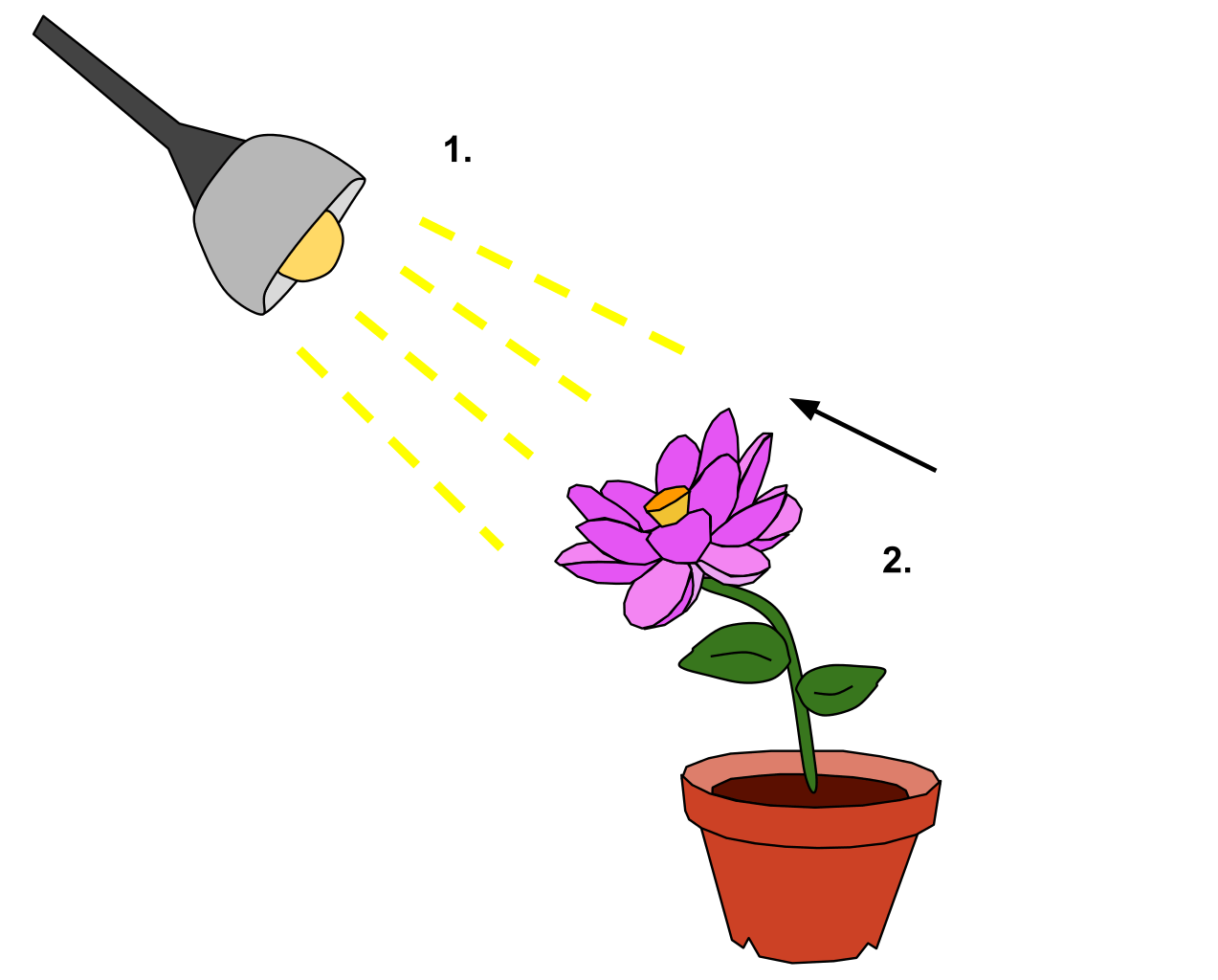
What does this picture represent?
a)
thigmotropism
b)
Phototropism
c)
Hydrotropism
d)
Geotropism
12.
What happens when the vacuole is empty or skinny?
a)
Mild Turgor pressure
b)
Low turgor pressure
c)
High turgor pressure
d)
Regular turgor pressure
13.
What in a plant cells hold food, water, and waste?
a)
Cell Wall
b)
Mitochondria
c)
Vacuole
d)
Nucleus
14.

Why do plants wilt?
a)
low turgor pressure
b)
high turgor pressure
c)
too much water
d)
no cell membrane
15.
Why do plants wilt?
a)
low turgor pressure
b)
high turgor pressure
c)
too much water
d)
no cell membrane
16.
Plant grows toward the direction of sunlight. The growth is a stimulus or response?
a)
Stimulus
b)
Response
17.
Seeds can begin to grow without soil.
a)
True
b)
False
18.
What is the name for a push or pull?
a)
A movement
b)
A force
c)
Speed
d)
Density
19.
Which organelle directs the cells activities?
a)
Nucleus
b)
Cell Membrane
c)
Lysosome
d)
Mitochondria
20.
Which organelle controls what substances come into and out of the cell?
a)
Golgi Bodies
b)
Chloroplasts
c)
Endoplasmic Reticulum (E.R.)
d)
Cell Membrane
21.
Which organelle helps protect and support the cell?
a)
Cytoplasm
b)
Lysosome
c)
Vacuole
d)
Cell Wall
22.
Which organelle converts the energy in food molecules to energy the cell can use to carry out its functions?
a)
Mitochondria
b)
Ribosomes
c)
Cell Wall
d)
Nucleus
23.
Clear thick gel-like fluid that is constantly moving that organelles are found floating in?
a)
Cell Membrane
b)
Vacuole
c)
Lysosomes
d)
Cytoplasm
24.
Which organelle captures energy from the sun and uses it to produce food for the cell
a)
Chloroplast
b)
Cell Wall
c)
Mitochondria
d)
Vacuole
25.
Which organelle stores food, water, and other materials needed by the cell?
a)
Cytoplasm
b)
Lysosomes
c)
Vacuole
d)
Nucleus
26.
Which organelle produces proteins?
a)
Vacuole
b)
Ribosomes
c)
Chloroplasts
d)
Endoplasmic Reticulum (E.R.)
27.
Which organelle packages and distributes proteins and other newly formed materials from the endoplasmic reticulum?
a)
Golgi Body
b)
Ribosomes
c)
Vacuole
d)
Mitochondria
28.
Which organelle releases broken down substances so they can be used in an animal cell?
a)
Ribosomes
b)
Lysosomes
c)
Golgi Bodies
d)
Chloroplasts
29.
Which organelle carries proteins and other materials from one part of the cell to another?
a)
Endoplasmic Reticulum
b)
Lysosomes
c)
Ribosomes
d)
Cell Membrane
30.
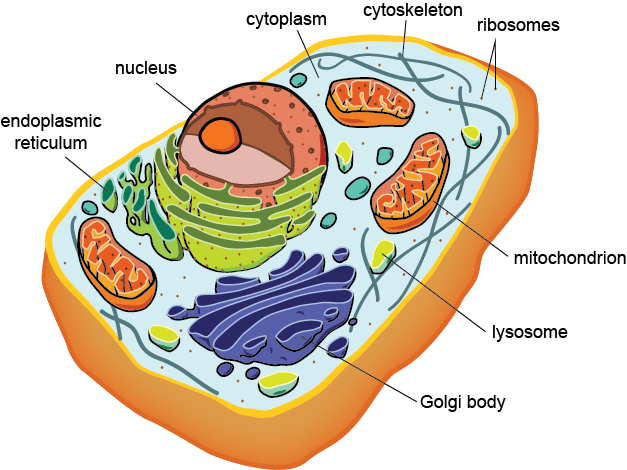
Which of the following statements is not part of the cell theory?
a)
Cells are the basic unit of structure and function in all living things.
b)
All cells are produced from other cells.
c)
Only animal cells are composed of cells.
d)
All living things are composed of cells.
31.

The invention of the microscope made it possible for people to discover and learn about
a)
Plants
b)
Skin
c)
Animals
d)
Cells
32.

What is one way in which all living things on Earth are alike?
a)
All living things have hair.
b)
All living things are made of cells and come from other cells.
c)
The cells of all living things have chloroplast.
d)
All living things can move.
33.
What structures distinguish a plant cell from an animal cell?
a)
Plant cells have cell walls and ribosomes.
b)
Plant cells have cell walls and chloroplasts.
c)
Plant cells have chloroplasts and ribosomes.
d)
Plant cells have chloroplasts and mitochondria.
34.

Which organism is made up of cells that have both a cell membrane and a cell wall?
a)
desert mouse
b)
human
c)
maple tree
d)
zebra
35.
A group of tissues that perform a similar function is called_____. (Examples include the heart, lungs or stomach)
a)
cells
b)
tissues
c)
organs
d)
organ system
36.
Organs and tissues that perform the same function is called _____________?
a)
cells
b)
tissues
c)
organ system
d)
organs
37.
The ___________ is the basic unit of life
a)
organ
b)
cell
c)
atom
d)
tissue
38.
A group of cells that have similar functions? Examples are nervous, epithelial, muscle and connective
a)
cells
b)
tissues
c)
organs
d)
atoms
39.
When many organ systems work together it can form...
a)
organ
b)
cells
c)
organ system
d)
organism
40.
What is the correct order of organization
a)
tissues-cells-organs-organ systems-organism
b)
cell-tissue-organs-organ systems-organism
c)
organism-cells-tissues-organ systems-organism
d)
tissues-cells-organs-organ sytems-organism
41.
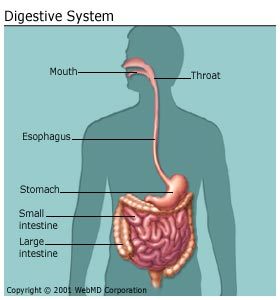
This is a example of........
a)
organ system
b)
cells
c)
organ
d)
tissue
42.
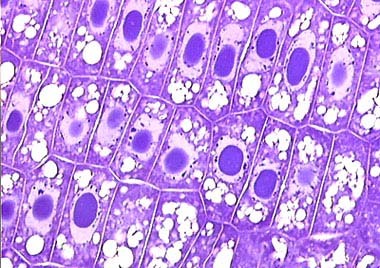
This is a example of ........
a)
cell
b)
tissue
c)
organ
d)
organ system
43.
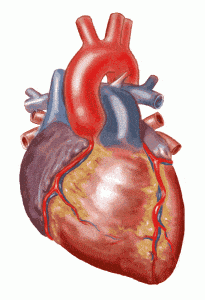
This is a example of ........
a)
cell
b)
organ system
c)
organ
d)
tissue
44.
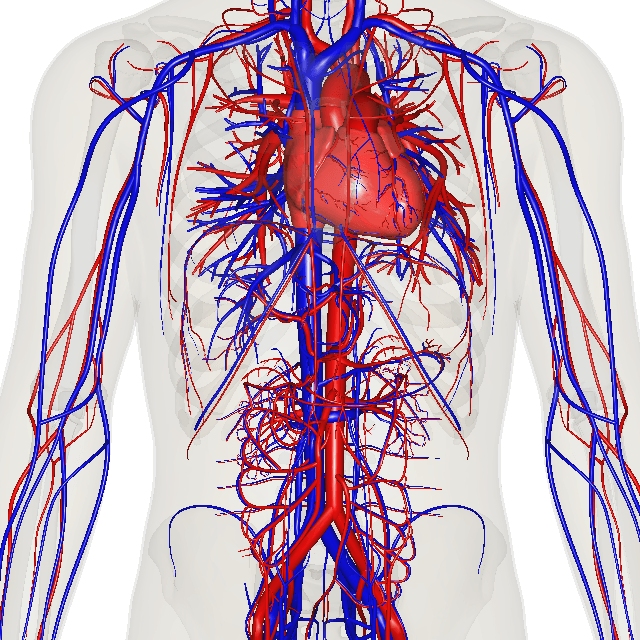
This is a example of ........
a)
organ
b)
organ system
c)
tissue
d)
cell
45.
The man who studied genetics and came up with genetics is
a)
Watson
b)
Crick
c)
Mendel
d)
Darwin
46.

An offspring will receive how many alleles from each parent to determine a specific trait?
a)
one
b)
two
c)
three
d)
five
47.
Which of the following is a phenotype?
a)
BB
b)
Bb
c)
bb
d)
Blue eyes
48.
What is a phenotype
a)
The genetic make up (code)
b)
The physical trait
49.
the passing of genetic traits from parent to offspring.
a)
heredity
b)
trait
c)
gene
d)
allele
50.
having two of the same genes for the trait (sometimes called purebred).
a)
homozygous
b)
hetrozygous
c)
protein
d)
chromosome
51.
having two different genes for a trait (sometimes called hybrid).
a)
protein
b)
homozygous
c)
heterozygous
d)
genotype
52.
Magda is a tall, 11 year old drummer. She has a scar on her right cheek. She is good at swimming. Which of her traits did Magda most likely inherit?
a)
height
b)
the scar
c)
ability to swim
d)
ability to play drums
53.
An allele whose trait only shows up when no dominant allele is present.
a)
hidden allele
b)
dominant allele
c)
recessive allele
d)
present allele
54.
Two heterozygous (Tt) tall pea plants are crossed. Which describes their offspring?
a)
50% tall and 50% short
b)
75%tall and 25% short
c)
100%short
55.
Which answer best describes codominant alleles?
a)
Both are equally dominant
b)
Both are equally recessive
c)
Neither are dominant or recessive
56.

Genotype refers to the ...
a)
physical expression of the genes
b)
the possible combination of alleles in a gene
c)
whether an allele is dominant or recessive
d)
how an organism will appear
57.

Squidward has light blue skin, and his genotype for this trait is Bb. Would Squidward be considered a purebred or hybrid for light blue skin?
a)
Purebred
b)
Hybrid
58.
If the environment gets cold, we will often shiver in order to:
a)
keep body temperature the same as the external temperature
b)
decrease body temperature
c)
increase body temperature
d)
regulate blood pressure
59.
The maintenance of an organism’s internal environment is called:
a)
compensating
b)
homeostasis
c)
balancing
d)
routine
60.
The "cause" for something to happen is the
a)
response
b)
effect
c)
stimulus
d)
homeostasis
61.
The "effect" of a given stimulus is the...
a)
response
b)
stimulus
c)
cause
d)
result
62.
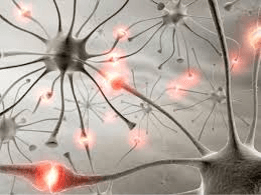
a body system that controls and coordinates all body activities through electric impulses/messages between brain, spinal cord and nerves.
a)
endocrine system
b)
nervous system
c)
nerve
d)
neuron
63.

brain cell /
nerve cell
nerve cell
a)
Dr. Suess tree
b)
neuron
c)
skin cell
d)
red blood cell
64.
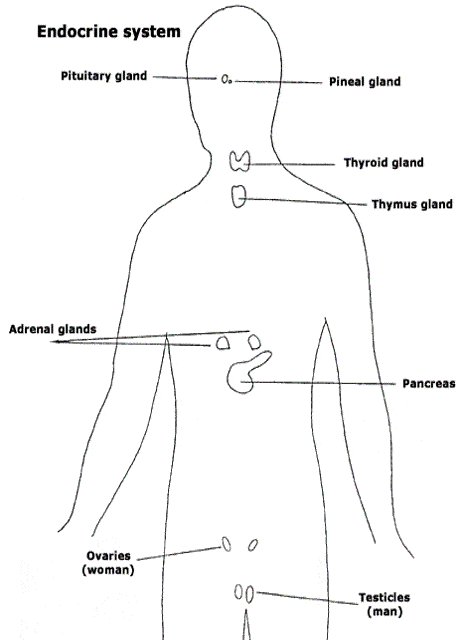
a body system that controls growth and homeostasis by secreting hormones from glands.
a)
skeletal system
b)
nervous system
c)
endocrine sytem
d)
integumentary system
65.

organ of the endocrine system that secretes hormones.
a)
heart
b)
gland
c)
brain
d)
skin
66.
chemical made by glands that tell cells to make something or respond in some way.
a)
acid
b)
enzyme
c)
perspiration
d)
hormone
67.
What is the immune system’s main purpose?
a)
Let’s germs into the body.
b)
Helps your body fight off illness and disease.
c)
The immune system produces illness and bacteria.
d)
The immune system trap germs in an organ so they do not spread.
68.
What is the series of steps in the immune system called?
a)
Response immune
b)
Immune response
c)
Immune steps
d)
Steps immune
69.
Allergic disorders happen when the immune system overreacts when exposed to antigens in the environment.
a)
False
b)
True
70.
What is the largest outer defense of the body?
a)
Stomach Acid
b)
Mucous Membranes
c)
Cilia
d)
Skin
71.
What does stomach acid do in the immune system?
a)
Kill germs
b)
Kill antibodies
c)
Kill white blood cells
d)
Kill red blood cells
72.
Which of these is NOT an outer defense?
a)
Stomach acid
b)
Mucus membrane
c)
White blood cells
d)
Tears
73.
Which of these is NOT an outer defense?
a)
Stomach acid
b)
Mucus membrane
c)
White blood cells
d)
Tears
74.
Which cells allow the body to to remember and recognize previous invaders?
a)
White Blood Cells
b)
Antigens
c)
Phagocytes
d)
Lymphocytes
75.
What are vaccines and what effect do they have on our body?
a)
Vaccines have stronger pathogens in them and are usually harmful for our body.They usually cause serious disease and weaken our immune system.
b)
Vaccines have weak pathogens in them and are like a practice for our immune system so when we really get sick from real pathogens our immune system can protect us from getting seriously ill
c)
Vaccines are antibotices which have no effect on our body
d)
None of the above
76.
What does phagocytes do in our body?
a)
weaken the immune system
b)
chew up white blood cells
c)
chew up invading organisms.
d)
allow the body to remember and recognize previous invaders and help the body destroy them.
77.

What is the function of the nervous system.
a)
provide nutrients for the body.
b)
send and recieve messages
c)
circulate oxygen to sells
d)
remove carbon dioxide from blood
78.

The spinal cord is part of the nervous system.
a)
True
b)
False
79.
What is the function of the reproductive system?
a)
To make clones
b)
To make a new organism
80.
The female sex cell is the ______.
a)
egg
b)
sperm
c)
white blood cell
d)
red blood cell
81.
Which of the following is an organism’s reaction to a change in its surroundings?
a)
response
b)
distraction
c)
stimulus
d)
development
82.
A stimulus is ___________
a)
a change in an organisms surroundings.
b)
process in which organisms grow larger.
c)
a reaction to a change in surroundings
d)
the result of sexual reproduction.
83.
In order to maintain balance within their environment, organisms must:
a)
constantly respond to internal and external stimuli
b)
eat every day
c)
avoid competition with other organisms
d)
move around as little as possible
84.
When on a beach vacation, Consuela relaxed and laid out in the sun for hours. As a result, she received a sunburn that covered most of her skin. Would this response come from an internal or external stimulus?
a)
Internal- her skin was burned at a cellular level
b)
Internal- her skin is a part of her body
c)
External- the stimulus was caused by the beach which is outside
d)
External- the stimulus was caused by the sun which is outside
85.
Over the winter break last year, there was an extreme blizzard in Lubbock, Texas. This blizzard was caused by a major drop in temperature, causing precipitation to freeze into snow. If a Texan were to step outside during this blizzard, their skin would start to form goose bumps and they would begin to shiver. In this situation, what is the stimulus and the response?
a)
Stimulus: precipitation is in the air; response: precipitation freezes
b)
Stimulus: Texan steps outside in the cold; response: blizzard occurs
c)
Stimulus: cold drop in temperature; response: shivering and goose bumps
d)
Stimulus: winter break started; response: precipitation starts
86.
What is responsible for delivering oxygen and removing carbon dioxide from the body?
a)
cell nucleus
b)
excretory system
c)
nervous tissue
d)
respiratory system
87.
The main purpose of the ____________ system is to break food particles into pieces that can be used.
a)
circulatory
b)
respiratory
c)
digestive
d)
skeletal
88.
The circulatory system uses _________ to deliver oxygen to the rest of the body.
a)
blood cells
b)
lungs and nose
c)
blood vessels
d)
brain and spinal cord
89.
A(n) _________ is made of small parts connected together to make a whole.
a)
system
b)
problem
c)
evidence
d)
illustration
90.
Which of the following body systems work together for support, protection, and movement?
a)
respiratory and cardiovascular
b)
skeletal and muscular
c)
skeletal and integumentary
d)
digestive and respiratory
91.

What body system removes the waste from your body?
a)
Circulatory
b)
Excretory
c)
Digestive
d)
Respiratory
92.

What body system makes your body move?
a)
Circulatory
b)
Respiratory
c)
Skeletal
d)
Muscular
93.

Made from dead or weakened pathogens.
a)
Toxins
b)
Pasteurization
c)
Antibiotics
d)
Vaccine
94.
This system is made of 8 different organs.
a)
respiratory
b)
reproductive
c)
endocrine
d)
digestive
95.
What system breaks food down into energy for the body?
a)
Stomach
b)
Digestive System
c)
Respiratory system
d)
Lungs
96.
What system is the body's way of fighting off pathogens that would make it sick?
a)
Excretory
b)
Immune
c)
Digestive
d)
Endocrine
97.
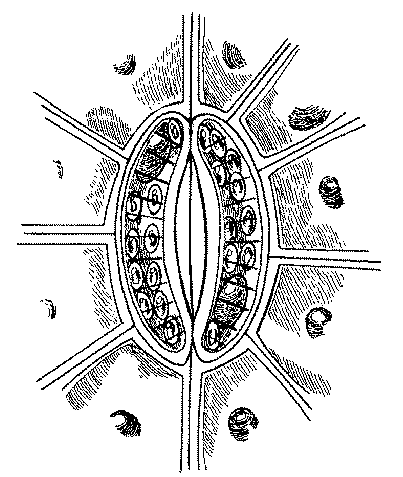
How does the stomata work?
a)
It helps transport sugars to the root cells.
b)
It helps to transport nutrients to the roots.
c)
It helps to exchange gases and water.
d)
It helps to conduct fermentation in the leaf.
100 %

