
 Worksheets
Genetics, Adaptations, and Natural Selection
Total questions: 101
Worksheet time: 3585secs

What is a trait or behavior that helps an organism survive and reproduce in its environment?
homologous structure
adaptation
evolution
fossil
Which is NOT a physical adaptation?
a bear hibernating in the winter
a bird with a sharp beak
a fish with scales on its body

Body parts similar in structure and origin
evolution
embryology
homologous
variation

The study of organisms in their earliest stages
variation
homologous
embryology
evolution

A trait that makes some of the species different that others
homologous
embryology
evolution
variation

Change in inherited triats over time
embryology
variation
evolution
homologous

When organisms are better adapted to their envionment, find a mate and successfully reproduce. This process is called?
cloning
evolution
variation in a species
natrual selection

What do we call mistakes or changes that occur in the DNA sequence?
natural selection
adaptations
mutations
Darwinism

This person proposed that the theory of evolution happens as a result of natural selection?
Charles Darwin
Robert Hooke
James Watson
Rosalind Franklin

The possible cause for the finches on the Galapagos Islands to have beaks that are different from the finches living on the south american mainland?
mainland finches built different nests.
there were different types of food available on the island
all the different types of predators living on the island
some were salt water finches

When comparing different animal's bone structures and biological similarities, these similarities might suggest that?
these animals have the same bone that is used to help them fly.
these animals may have a common ancestor
these animals were all born at the same time.
these animals can only survive if they live together.


The journey animals take to change location in response to
seasonal changes.
evolution
competition
speciations
migration
Differences in traits or characteristics within a population
variation
competition
speciations
Charles Darwin
A type of genetic drift in which small groups of organisms separate from a larger population and form new small colonies.
Gene Flow
Founder Effect
Natural Selection
Artificial Selection
The exchange of genes between two populations.
Genetic Drift
Founder Effect
Gene Flow
Genetic Recombination
This term refers to the total genetic information found in a population; the complete collection of all the alleles found in a population
Gene library
Genome
Gene pool
Allele pool
This is one of the mechanisms of evolution; it occurs when individuals move into or out of a population, either by physically arriving or leaving, or by being born or dying
Gene flow / genetic drift
Founder effect
Natural selection
Microevolution
This is one of the mechanisms of evolution; it is a continuous process in which organisms with traits that make them better-adapted to their environment are more likely to survive and reproduce than organisms without such adaptations
Directional selection
Microevolution
Gene flow / genetic drift
Natural selection
This occurs when a large population is drastically reduced by an event such as a natural disaster; the population's new gene pool only contains alleles from the survivors
Founder effect
Bottleneck effect
Meteor effect
Natural selection

A small group of squirrels gets separates them from the rest of the population due to a large flood. These squirrels, now confined to this new island, begin to start a new population. This is an example of which of the following?
Founder effect
Bottleneck effect
Natural Selection
Gene Flow
Humans and chimpanzees have almost identical DNA and many similarities in anatomy. Which statement about the evolutionary relationship between modern humans and chimpanzees is supported by these fact?
A. Humans and chimpanzees are unrelated.
B. Humans descended directly from chimpanzees.
C. Humans are a more evolved version of chimpanzees.
D. Humans and chimpanzees share a common ancestor.
Scientists have discovered bacteria that can survive in the hot temperatures found in the lava of volcanoes. Which statement best explains how bacteria could survive in this environment?
A. Bacteria are small enough not to be killed by heat.
B. Bacteria are simple organisms and can live in any conditions
C. Bacteria have mutated and those suited to the environment survive there.
D. Bacteria grow faster in hot conditions and so are suited to the environment.


what type of tropism is occurring here?
phototropism
thigmotropism
geotropism
tropictropism

A baby turtle crawling towards the ocean right after it's born is called?
mimicry
camouflage
instinct behavior
Which of the following responses is a plant growing toward or leaning toward touch?
thigmotropism
hydrotropism
phototropism
gravitropism
A plants roots grow thicker towards the stream than away from the stream. To what stimulus is the plant responding to?
thigmotropism
gravitropism
photoropism
hydrotropism
What term refers to a plant growing or moving away from a stimulus?
Touch
Dormancy
Tropism
Development
Adaptations can be...
mutations
Behaviors
Both B and D
Phyisical characteristics
A new type of pesticide has been developed. Which of the following will be MOST helpful to the beetle population living where the pesticide is being tested?
overpopulation
genetic variation
speciation
the ability to fly to a new ecosystem
Sharks and penguins both use fins to swim, but their fins developed differently. What type of structures are these?
analogous
vestigial
homologous
comparative
Which of the following is true about the fossil record?
The oldest fossils will usually be discovered in the deepest layers of rock.
Earth’s climate and geography have been constant throughout history.
All species found on Earth today are identical to all their ancestors.
The youngest fossils will usually be discovered in the deepest layers of rock.
Humans have an appendix, but it is not essential for survival. The human appendix is an example of a/an _______ structure.
analogous
vestigial
homologous
embryological
Which of the following adaptations does a cactus have that most likely enables it to thrive in a dry, hot environment?
salt-tolerant roots
air-filled sacs that take in oxygen for its roots
leaves that are thin and sharp to reduce surface area
specialized leaves to attract insects
What types of chemicals affect a plant’s growth and development?
pigments
carbohydrates
pollen
hormones
Temporal isolation occurs when two different populations
develop different mating habits.
reproduce at different times.
interbreed.
become geographically separated.
When a plant responds to touch, such as a grapevine wrapping around a branch, it is called
hydrotropism
thigmotropism
geotropism
phototropism
Evidence for evolution includes all of the following except
similarities and differences in proteins and DNA sequences between organisms.
homologous structures.
the fossil record.
acquired characteristics.
Within a decade of the introduction of a new insecticide, nearly all of the descendants of the target insects are resistant to the usual-sized dose. What is the most likely explanation for this change in sensitivity to the insecticide?
Eating the insecticide caused the insects to become more resistant to it.
Eating the insecticide caused the insects to become less resistant to it.
The pesticide destroyed organisms that cause disease in the insects, thus allowing them to live longer.
The insects developed physiological adaptations to the insecticide.
On the Galapagos Islands, Charles Darwin studied many species of finches found nowhere else in the world. Each species had developed unique structures for eating different foods. Darwin’s finches are among the best examples of an evolutionary process by which new biological species arise. This process is known as
genetic drift
speciation
magnification
adaptive radiation
Which of these would NOT be used by a biologist to determine the relationship between two organisms?
population size
genetic traits
fossil age
bone structure
What is evolution?
History of an organisms development
The variety of life
Change over time
Survival of the fittest
How do fossils demonstrate evidence of evolution?
They show that ancient species share similarities with species now on Earth.
They are the primary source of evidence of natural selection.
Fossils reveal that many species have remained unchanged for millions of years.
They show evidence of species that are now extinct.
What state does a maple tree enter in order to protect itself from freezing during the winter?
dormancy
hibernation
thigmotropism
migration
Genotype or Phenotype: Freckles
Genotype
Phenotype
Genotype or Phenotype: Black hair
Phenotype
Genotype
Genotype or Phenotype: ff
Genotype
Phenotype
Homozygous or Heterozygous: ff
Homozygous
Heterozygous
Homozygous or Heterozygous: Ff
Homozygous
Heterozygous
The heterozygous DOMINANT trait of dimples?
DD
dd
Dd
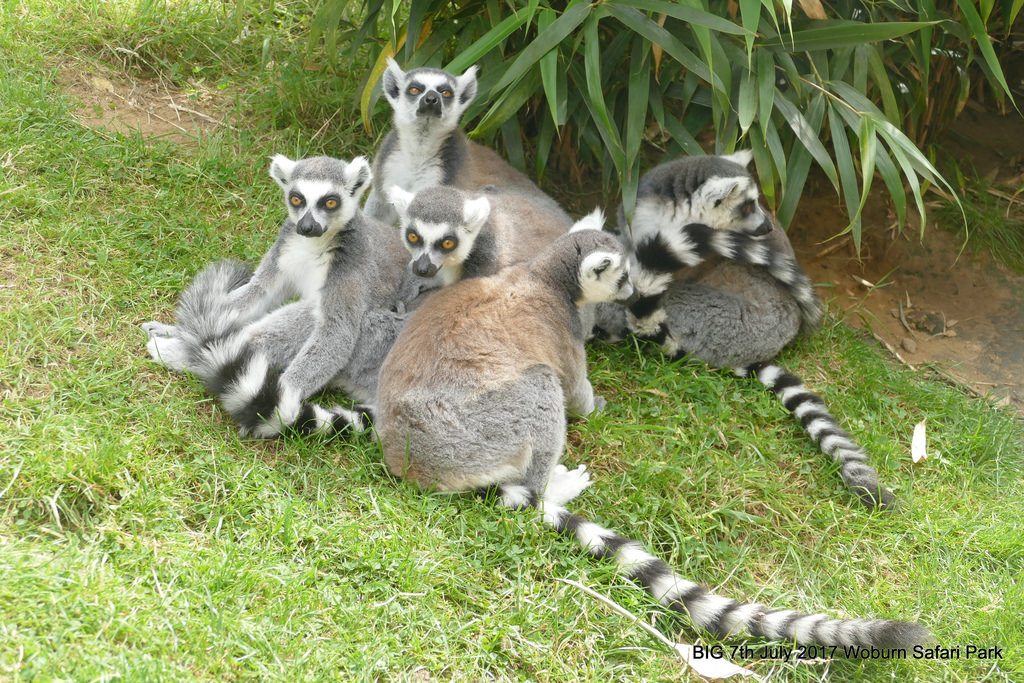
Who is considered the "father" of modern genetics?
Albert Einstein
Gergor Mendel
Walt Disney
Robert Hooke
What is natural selection?
process in which helpful traits become more common over time
a trait that helps an organism survive better
Adaptations can be:
camouflage
ability to survive cold weather
hunting skills
all of the above
Differences in traits are called:
natural selection
genetic variations
artificial selection
adaptations
A species could go extinct if:
food becomes more plentiful.
members of the species have adaptations to enhance survival.
the environment changes drastically and no one can adapt.
there is less competition for resources.
Natural selection occurs during the lifetime of a single organism.
True
False

What is most likely to happen to moth populations in the picture shown?
Light moths--hunted easily, dark moths--population increase
Dark moths--hunted easily, dark moths--population increase
Light moths--hunted easily, light moths--population increase
Lights moths will change their color to match dark moths.

What type of environment do you think this data was collected from?
forest with primarily white-bark trees
forest with primarily dark-bark trees
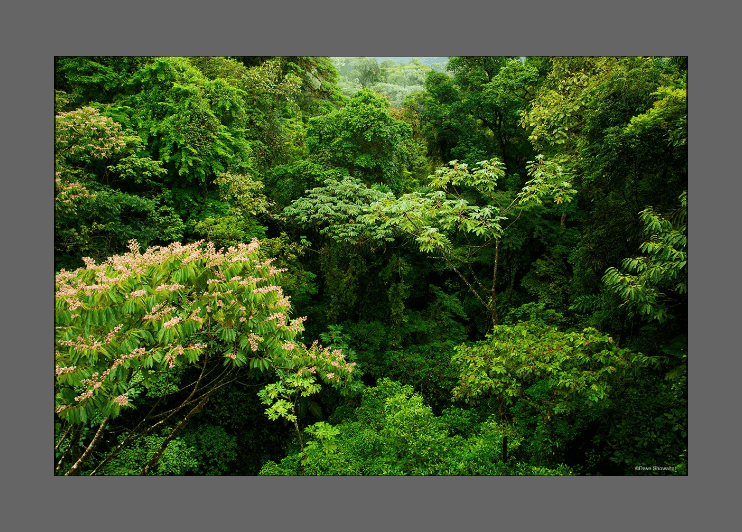
A yellow morph and green morph of an insect lives in the rainforest canopy. You would expect:
the green population to increase and the yellow to decrease
both populations should stay the same
both populations will increase
the green population to decrease and the yellow to increaseThis is a wrong answer
TRUE or FALSE: Natural selection will still occur if each individual has the same exact traits
TRUE
FALSE
How do you "win" at natural selection?
survive
go extinct
survive & reproduce

Due to pollution, a pond becomes darker over time. Which trait variation became more common?
light fish
dark fish
What word describes a trait that helps an organism survive in its environment?
natural selection
mutation
camouflage
adaptation
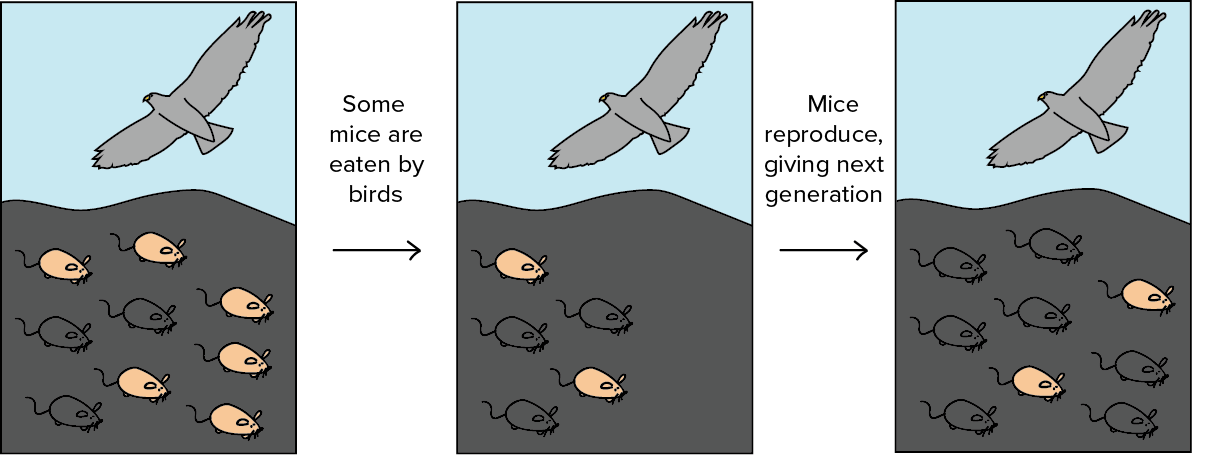

In a cold environment what would be some adaptive traits? Sellect all that apply.
thick blubber
thick fur
thin fur
strong muscles
What is a trait?
a color
the quality or characteristic of an organism
the DNA of an organism
when mutatuons cause extra limbs.

