wayground logo

Free Printable Worksheets

Font size

S
M
L
XL
Worksheets

Final Assessment Review Part II

Total questions: 101

Worksheet time: 3hrs 22mins

Name
Class
Date
1.
Are recessive traits shown with capital or lowercase letters? 
a)
Capital
b)
Lowercase
2.
The physical appearance or the way a gene looks is known as it's....
a)
genotype
b)
allele
c)
gene
d)
phenotype
3.
The mathematical chance that something will happen is known as...
a)
chance
b)
luck
c)
probability
4.
The different forms of genes are known as
a)
environment
b)
probability
c)
traits
d)
alleles
5.
An allele or gene that always shows is
a)
recessive
b)
dominant
c)
hidden
d)
present
6.
Two of the same genes for a trait (sometimes called purebred). BB or bb
a)
homozygous
b)
hetrozygous
c)
protein
d)
chromosome
7.
Two different genes for a trait (sometimes called hybrid). Bb
a)
protein
b)
homozygous
c)
heterozygous
d)
genotype
8.
What would the ratio for genotypes be for this Punnett Square?
a)
2Bb:2bb
b)
2BB:2Bb
c)
1BB:2Bb:1bb
d)
4Bb
9.
G = dominant green and y = recessive yellow
A fish has a Gy genotype, what will its phenotype be?
a)
yellow
b)
green
c)
greenish-yellow
d)
red
10.
T - tall and t = short
In the punnett square below, what belongs in the missing square
a)
tt
b)
Tt
c)
Bb
d)
TT
11.
Dominant alleles are represented by a:
a)
Male gene
b)
lowercase letter
c)
recessive trait
d)
capital letter
12.
A ________________________ is used to predict the possible genotype from certain parents
a)
Mendel Grid
b)
Genetic Tic Tac Toe
c)
Punnett Square
d)
Pedigree Plot
13.
Heredity is the passing of traits from _____________________ to _____________________
a)
predators to prey
b)
water to rain
c)
parents to offspring
d)
fungi to protists
14.
___________________________ is the field of science that studies of how traits are passed on, or inherited.
a)
dominant traits
b)
ratio
c)
phenotype
d)
genetics
15.
He is known as the father of modern day genetics.
a)
Gregory Mendel
b)
Greg Mendel
c)
Gregor Mendel
d)
Grace Mendel
16.
Which is a true statements about this picture?
a)
Brown is recessive
b)
Brown is dominant
c)
Blue is dominant
d)
Blue is codominant
17.
What are the possible phenotypes in this punnett square?
a)
Bb, bb, BB
b)
purple, white
c)
Bb, bb
d)
light purple
18.
What is a gene?
a)
An entire chromosome that  codes for a trait
b)
a piece of clothing
c)
a piece of a DNA on chromosome that codes for a trait
d)
Chemical messengers in your brain that code for a trait
19.
What is a genotype? 
a)
The genetic make up (code)
b)
The physical trait
20.
Tall is dominant to short. What is the phenotype of this organism?
Tt
a)
tall
b)
short
21.
What characteristic did Darwin observe about the finches on the Galapagos Islands?
a)
Their feathers 
b)
Genotypes 
c)
Their beaks
d)
Their body sizes
22.
Which term refers to the process by which individuals that are better suited to the environment survive and reproduce therefore passing down their genes to their offspring? 
a)
Evolution 
b)
Variation 
c)
Adaptation
d)
Natural Selection 
23.
When an organism completely dies out, it is called.....
a)
Adaption
b)
Extinction
c)
Fossilization
d)
Mutation
24.
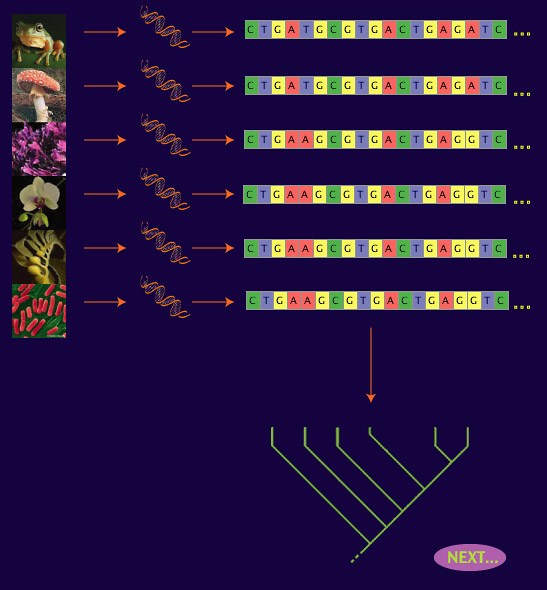
Two organisms that are closely related would have
a)
very similar DNA sequence
b)
exactly the same DNA sequences
c)
no proteins in common
d)
completely different DNA sequence
25.
Which of the following is a fossil?
a)
a plant that has recently died
b)
a group of organisms that can reproduce
c)
a structure or organ that no longer functions
d)
a trace of an organisms that existed in the past
26.

What is the term for a feature that allows an organism to survive better in its environemtn?

a)

variation

b)

adaptation

c)

homologous structure

d)

vestigial structure

27.
Who is the father of evolution?
a)
Darwin
b)
Mendel
c)
Newton
d)
Einstein
28.
Charles Darwin’s observation that finches of different species on the Galápagos Islands have many similar physical characteristics supports the hypothesis that these finches 
 
a)
have the ability to interbreed.
b)
acquired traits through use and disuse.
c)
all eat the same type of food.
d)
descended from a common ancestor.
29.

Images of the embryo and adult stages of three different organisms are shown.


Which of the following is the best conclusion that can be drawn from this evidence?

a)

Having similar embryos indicates that these organisms eat the same types of food.

b)

Having similar embryos indicates that these organisms live in a similar environment.

c)

Having similar embryos indicates that these organisms share a recent common ancestor.

d)

Having similar embryos indicates that a certain protein controls how many legs the adult organisms will have.
30.

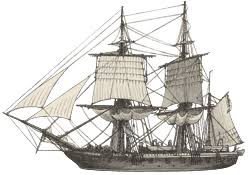
What was the name of Darwin's boat?

a)

Indefatiguable

b)

Bugle

c)

Sloop John B

d)

Beagle

31.

Which trait below wouldn't help the species survive?

a)

Eye Color

b)

Long Legs

c)

Large Size

d)

Heightened Senses

32.
Which statement best describes the process of evolution?
a)
Populations can survive in different locations on earth
b)
Environmental conditions limit the number of species on Earth
c)
Populations grow when resources are abundant
d)
The traits of a species can change over time
33.
Structures with the same parts have different functions; suggests that organisms share a common ancestry
a)
vestigial structures
b)
homologous structures
c)
adaptive radiation
d)
fossil
34.
If an organism has a vestigial structure, that structure likely once had a function in a(n)
a)
close relative
b)
early ancestor
c)
unrelated organism
d)
embryological stage
35.
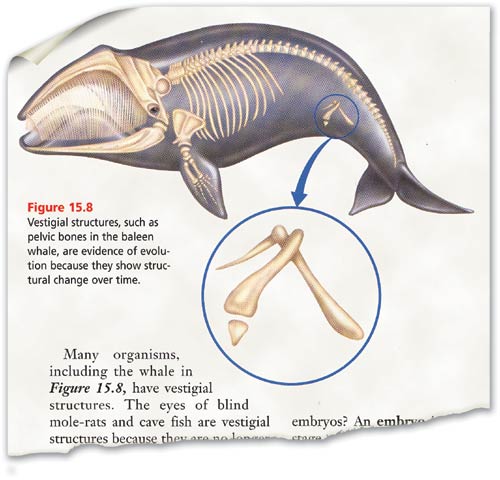
Which of the following is an example of a vestigial structure?
a)
the wings of a red-tailed hawk
b)
the hind limbs of a house cat
c)
the fins of sharks
d)
the tailbone of a human
36.
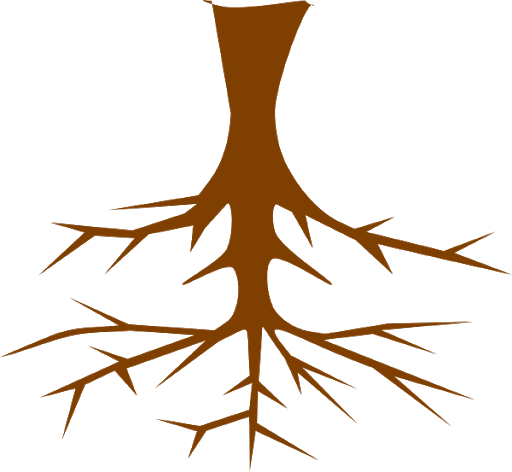
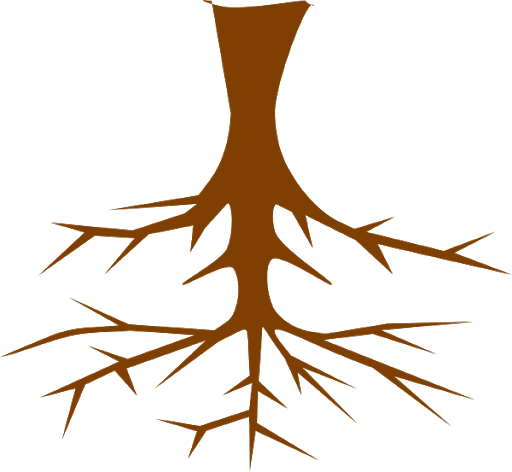
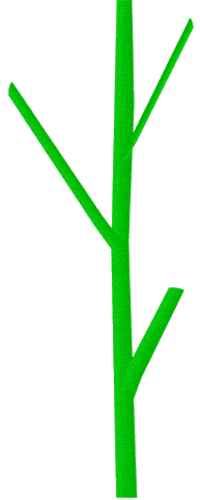
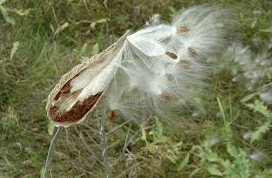
Which part of a plant is this?
a)
Leaf
b)
Stem
c)
Roots
d)
Fruit
37.
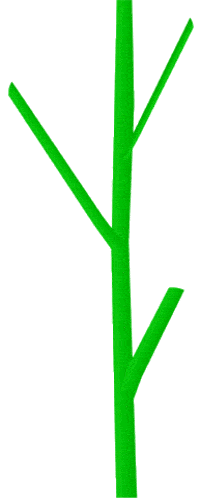
What is this?
a)
roots
b)
leaves
c)
stem
d)
flower
38.

The part of the plant that absorbs water is _________.

a)

Roots

b)

Flowers

c)

Stem

d)

Leaves

39.

What do the leaves of a plant do?

a)

They make the food for the plant.

b)

They take in the water from the ground.

c)

They transport water to the other parts of the plants

d)

They support the plant upright.

40.

Which part of the plant absorbs water and nutrients?

a)
b)
c)
d)
41.

Which part of plant uses sunlight to make food?

a)
b)
c)
d)
42.

Zareena is given a plant. She wants it to grow. Where should Zareena put it?

a)

in a dark cupboard

b)

under the stairs

c)

in a sunny window

d)

under a bucket

43.
Part of a plant that makes food
a)
roots
b)
stem
c)
leaves
d)
flower
44.

This part of the plant holds the plant in the ground and gets water and nutrients from the soil.

a)

stem

b)

leaves

c)

flower

d)

roots

45.

The ___________ absorb sunlight to help make food for the plant.

a)

seed

b)

stem

c)

roots

d)

leaves

46.

Plants are __________

a)

non-living

b)

living

47.
What part of the plant is this? 
a)
root
b)
stem
c)
leaf
d)
flower
48.
What part of the plant is this? 
a)
stem
b)
root
c)
flower
d)
leaf
49.
What part of the plant is this? 
a)
stem
b)
flower
c)
roots
d)
leaf
50.
What makes new plants?
a)
leaf
b)
flower
c)
stem
d)
seed
51.
Type of root
a)
fibrous root
b)
taproot
52.
Which of these describes a taproot?
a)
thin 
b)
thick
c)
spread out
d)
soft
53.

what is the name of the process by which a plant makes its own food?

a)

photosynthesis

b)

nutrition

c)

reproduction

d)

germination

54.

Plants need water, sunlight and soil?

a)

True

b)

False, they need minerals and air too.

55.

Plants breath in CO2 (carbondioxide) to make the photosynthesis

a)

True

b)

False

56.

Plants can be classified according to their stem, there are 2 types

a)

Woody plants and Herbaceous

b)

trank plants and Herbaceous

c)

Woody plants and plataceous

57.

What type of stem is this?

a)

Flexible

b)

Herbaceous

c)

Rigid

d)

Woody

e)

I don't know

58.

What type of stem is this?

a)

Brown

b)

Herbaceous

c)

Complex

d)

Woody

e)

I don't know

59.

What type of Stem is this?

a)

Green

b)

Herbaceous

c)

Simple

d)

Woody

e)

I don't know

60.

How old is this tree?

a)

24 Years old

b)

92 seasons

c)

12 years

d)

37 saturn years

e)

I don't know

61.


NAME THAT ROOT

a)

Fibrous

b)

Woody

c)

Tangle

d)

Tap

e)

I don't know

62.


NAME THAT ROOT

a)

Fibrous

b)

Woody

c)

Tangle

d)

Tap

e)

I don't know

63.

NAME THAT ROOT

a)

Fibrous

b)

Woody

c)

Tangle

d)

Tap

e)

I don't know

64.

NAME THAT ROOT

a)

Fibrous

b)

Woody

c)

Tangle

d)

Tap

e)

I don't know

65.

NAME THAT ROOT

a)

Fibrous

b)

Woody

c)

Tangle

d)

Tap

e)

I don't know

66.

Which of the following are reactants (what the plant needs to start the process) of photosynthesis?

a)

CO2 and H2O

b)

O2

c)

H2O and Glucose

d)

None of the above

67.

Where is the main site of photosynthesis on a plant?

a)

Stem

b)

Leaves

c)

Petals

d)

Pollen

68.

What are the end products of photosynthesis?

a)

Carbon Dioxide and Water

b)

Glucose and Carbon Dioxide

c)

Oxygen and Glucose

d)

Water and Glucose

69.
Where do angiosperms produce their seeds?
a)
pollen
b)
cones
c)
flowers
70.

What is the female reproductive part of a flower called?

a)

anther

b)

pistil

c)

sepal

71.
What is the male reproductive part of the flower?
a)
carpel
b)
stamen
c)
ovary
72.

What part of the flower produces eggs?

a)

ovary

b)

petal

c)

anther

d)

stamen

73.

Why are flower petals colored?

a)

They attract different kinds of animals.

b)

The colors attract different pollen.

c)

The colors show which flowers are poisonous to bugs.

d)

They attract seeds.

74.
Plants with seeds in cones are called?
a)
gymnosperms
b)
angiosperms
c)
flowers
d)
mosses
75.

Where do the seeds of a gymnosperm come from?

a)

fruit

b)

flowers

c)

spores

d)

cones

76.
What do male cones produce?
a)
spores
b)
pollen
c)
eggs
d)
seeds
77.

Female cones produce________.

a)

spores

b)

cones

c)

pollen

d)

eggs

78.
Which structure of the plant absorbs water and nutrients from the soil?

a)
stem
b)
leaves
c)
roots
d)
flowers
79.
The male part of the flower is known as the _____.
a)
stamen
b)
pistil
c)
ovary
d)
petal
80.
The female part of the flower is known as the ____.
a)
stamen
b)
anther
c)
filament
d)
pistil
81.
Small grains that contain a plant's male reproductive cells.
a)
stamen
b)
pollen
c)
anther
d)
stigma
82.
Brightly colored parts of flowers that attract insects.
a)
petals
b)
pistils
c)
stamen
d)
filaments
83.
All of the following are examples of seed disbursement except:
a)
wind
b)
volcanic eruptions
c)

Birds and insects

d)
animals feces
84.

Which of the following statements best describes PHLOEM'S function in the plant?

a)
transpports water and minerals up from the roots to the rest of the plant
b)
transports food down from the leaves to the rest of the plant
c)
transports water and minerals down from the roots to the rest of the plant
d)
transports food up from the leaves to the rest of the plant
85.

Which of the following statements best describes XYLEM'S function in the plant?
a)
transpports water and minerals up from the roots to the rest of the plant
b)
transports food down from the leaves to the rest of the plant
c)
transports water and minerals down from the roots to the rest of the plant
d)
transports food up from the leaves to the rest of the plant
86.
When you breathe, your lungs take in ___ and remove ___. 
a)
air/oxygen
b)
oxygen/carbon dioxide 
c)
carbon dioxide/waste 
d)
waste/air 
87.

The organ is responsible for pumping blood throughout your body.

a)

The Brain

b)

The Spine

c)

The Heart

d)

The Lungs

88.

The circulatory system uses _________ to deliver oxygen and nutrients to the whole body.

a)

blood cells and blood vessels

b)

lungs and nose

c)

blood vessels

d)

brain and spinal cord

89.

Which of the following body systems work together for support, protection, and movement?

a)

respiratory and cardiovascular

b)

skeletal and muscular

c)

skeletal and integumentary

d)

digestive and respiratory

90.
1. Which system are the lungs in?
a)
respiratory
b)
digestive
c)
excretory
d)
muscular
91.

About how many bones are in the human body?

a)

108

b)

206

c)

300

d)

509

92.

This system receives information from inside and outside the body and controls the body's responses.

a)

Digestive System

b)

Circulatory System

c)

Nervous System

d)

Endocrine System

93.

These type of muscles are attached to your bones.

a)

skeletal

b)

cardiac

c)

smooth

d)

nervous

94.

This body systems involves the lungs, gas exchange and breathing

a)

Circulatory System

b)

Respiratory System

c)

Digestive System

d)

Endocrine System

95.

Which two systems are involved in smelling food and salivating?

a)

Nervous and Digestive

b)

Endocrine and Reproductive

c)

Skeletal and Muscular

d)

Integumentary and Immune

96.

The process by which your body breaks down food into small nutrients is the function of what system?

a)

circulatory system

b)

muscular system

c)

digestive system

d)

respiratory system

97.

The ______ system helps you move, protects your organs, gives support to the body, and makes red blood cells.

a)

skeletal system

b)

muscular system

c)

digestive system

d)

respiratory system

98.

The ________ system works with the skeletal system to help you move and provides shape and warmth.

a)

skeletal

b)

integumentary

c)

muscular

d)

digestive

99.

The _____ system's function is to break down food into molecules that the body (cells) can use for energy.

a)

muscular

b)

digestive

c)

respiratory

d)

endocrine

100.

The _____ system is a transport system, carrying oxygen, carbon dioxide, and wastes to and away from cells using the heart and blood.

a)

endocrine

b)

circulatory

c)

respiratory

d)

excretory

101.

The _____ system's function is to break down food into molecules that the body (cells) can use for energy.

a)

muscular

b)

digestive

c)

respiratory

d)

endocrine