wayground logo

Free Printable Worksheets

Font size

S
M
L
XL
Worksheets

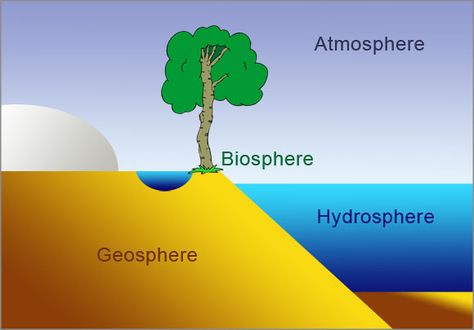
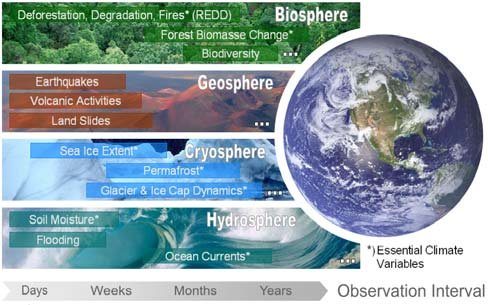
Atmosphere, Hydrosphere, Weather, Geosphere

Total questions: 100

Worksheet time: 2hrs 56mins

Name
Class
Date
1.

Identify the percent of Earth's surface that is covered in water.

a)

1%

b)

100%

c)

50%

d)

75%

2.

Name the sphere that includes all solid, liquid, and gaseous water on Earth.

a)

geosphere

b)

hydropshere

c)

atmosphere

d)

biosphere

3.

Name the thin layer of gas and dust that surrounds the Earth.

a)

hydrosphere

b)

geosphere

c)

biosphere

d)

atmosphere

4.

All living things on earth are part of the....

a)

Biosphere

b)

Geosphere

c)

Hydrosphere

d)

Cryosphere

5.

The Geosphere is...

a)

All liquid water on Earth

b)

A 100km thick layer of gases

c)

frozen water on earth

d)

Earths entire solid body

6.

Earth is divided into four different spheres. Which statement is true about the interaction between two of these spheres?

a)

Weather is an interaction between the hydrosphere and the geosphere.

b)

A plant receiving water from precipitation is an interaction between the biosphere and the hydrosphere.

c)

An ice cap providing shelter for an arctic animal is an interaction between the biosphere and the hydrosphere.

d)

The formation of the Grand Canyon is an example of an interaction between the geosphere and the atmosphere.

7.

What is the hydrosphere's function?

a)

a recycling planet powered by the flow of solar energy to support a network of life.

b)

sustains various life forms and plays an important role in ecosystems and regulating heat on earth.

c)

sustains life forms on the surface of the earth, absorbs and interacts with harmful solar rays.It protects the earth from natural and human-caused space debris.

d)

controls the distribution of minerals, rocks and soils and generates natural hazards that shape the land and impact humans

8.

What is the atmosphere's function?

a)

a recycling planet powered by the flow of solar energy to support a network of life.

b)

sustains various life forms and plays an important role in ecosystems and regulating heat on earth.

c)

sustains life forms on the surface of the earth, absorbs and interacts with harmful solar rays.It protects the earth from natural and human-caused space debris.

d)

controls the distribution of minerals, rocks and soils and generates natural hazards that shape the land and impact humans

9.

"Bio" in biosphere means ____.

a)

air, vapor

b)

rock, earth

c)

water

d)

life

10.

"Atmo" in atmosphere means ____.

a)

air, vapor

b)

rock, earth

c)

water

d)

life

11.

"Hydro" in hydrosphere means ____.

a)

air, vapor

b)

rock, earth

c)

water

d)

life

12.

"Geo" in geosphere means ____.

a)

air, vapor

b)

rock, earth

c)

water

d)

life

13.

How do the geosphere and the hydrosphere interact?

a)

The geosphere stores parts of the hydrosphere.

b)

The geosphere erodes (shapes) the hydrosphere.

c)

The hydrosphere stores parts of the geosphere.

14.

How do the geosphere and the biosphere interact?

a)

Soil contains living parts.

b)

Bacteria is in the air.

c)

Water rains onto the geosphere.

15.

How do the geosphere and the biosphere interact?

a)

Fossil fuels in the geosphere used to be living.

b)

Bacteria is in the air.

c)

Water rains onto the geosphere.

16.
What is the name of the thin layer of solid rock that makes up the outermost part of Earth?
a)
core
b)
crust
c)
mantle
d)
biosphere
17.
All living things on earth are part of the....
a)
Biosphere
b)
Geosphere
c)
Hydrosphere
d)
Cryosphere
18.
The Geosphere is...
a)
All liquid water on Earth
b)
A 100km thick layer of gases
c)
frozen water on earth
d)
Earths entire solid body 
19.
How many parts form the Earth's System?
a)
5
b)
6
c)
4
d)
3
20.
What is a "system"?
a)
an underground layer of rock that holds groundwater
b)
visible mass of tiny water droplets or ice crystals
c)
a group of parts working together
21.
All weather takes place in the 
a)
Geosphere
b)
Atmosphere
c)
Hydrosphere
d)
Biosphere
22.
What 3 gases are in the Atmosphere? 
a)
Hydrogen, Carbon Monoxide, and Oxygen
b)
Nitrogen, Oxygen, and Carbon Dioxide 
c)
Nitrogen, Oxygen, and Carbon Monoxide
d)
Hydrogen, Oxygen, and Carbon Dioxide
23.
What is Earth's largest system? 
a)
Biosphere
b)
Geosphere
c)
Hydrosphere
d)
Atmosphere
24.

Condensation occurs when water vapour....

a)

loses heat

b)

gains heat

25.

Condensation involves a change of state from ___ to ___

a)

Liquid to Solid

b)

Liquid to Gaseous

c)

Solid to Liquid

d)

Gaseous to Liquid

26.

Boiling occurs when water ...

a)

loses heat

b)

gains heat

27.

Boiling involves a change of state from ___ to ___.

a)

Solid to Liquid

b)

Liquid to Gaseous

c)

Gaseous to Liquid

d)

Liquid to Solid

28.
This type of cloud is thin, wispy, and made of ice crystals
a)
cumulus cloud
b)
stratus cloud
c)
cirrus cloud
d)
cumulonimbus cloud
29.
The temperature at which water vapor condenses is the 
a)
relative humidity
b)
humidity
c)
freezing point
d)
dew point
30.
This type of cloud is thin and flat, and the edges are not clearly defined
a)
cirrus cloud
b)
cumulus cloud
c)
stratus cloud
d)
cumulonimbus cloud
31.
This type of cloud is thick and puffy on top, and generally flat on the bottom. It has well-defined edges and can change shape rapidly.
a)
cumulus cloud
b)
stratus cloud
c)
cirrus cloud
d)
cloud 9
32.
Cirrus clouds are associated with _________ weather. 
a)
rainy
b)
snowy
c)
fair
d)
stormy
33.
Cumulus clouds are associated with _________ weather. 
a)
rainy
b)
snowy
c)
fair
d)
stormy
34.
Stratus clouds are associated with _________ weather. 
a)
rainy
b)
snowy
c)
fair
d)
cloudy
35.
_______ are wispy, feathery clouds.
a)
stratus
b)
cirrus
c)
cumulus
d)
cumulonimbus
36.
Which clouds form near the ground?
a)
Fog
b)
Cirrocumulus
c)
Nimbostratus 
d)
Altocumulus 
37.
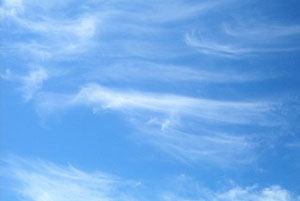
What cloud is this?
a)
cumulus 
b)
stratus 
c)
cirrus
d)
fog
38.
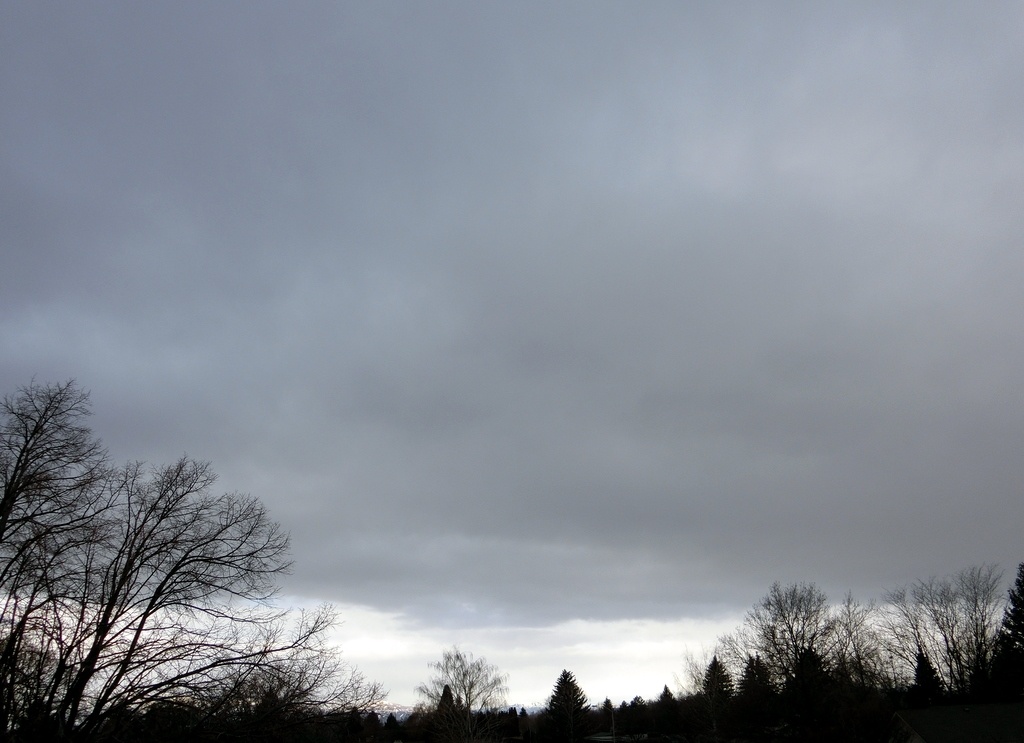
What cloud is this?
a)
cumulus 
b)
stratus 
c)
cirrus
d)
cumulonimbus
39.

A rock deep within the Earth experiences extreme temperature and pressure. After a long period of time it becomes which rock?

a)

Magma

b)

Igneous

c)

Metamorphic

d)

Sedimentary

40.

Which is the correct order of the scientific method?

a)

Hypothesis, Conclusion, Experiment, Question, Analyze data, Observations

b)

Experiment, Question, Conclusion, Analyze data, Observations, Hypothesis

c)

Analyze data, Observations, Hypothesis, Question, Conclusion, Experiment

d)

Question, Hypothesis, Experiment, Observations, Analyze data, Conclusion

41.
What is the outermost layer of the Earth?
a)
Outer core
b)
Inner core
c)
Mantle
d)
Crust
42.
What is the thickest layer of the Earth?
a)
crust
b)
mantle
c)
outer core
d)
inner core
43.
Extends from the center of the core to the surface of the crust.
a)
Geosphere
b)
Atmosphere
c)
Hydrosphere
d)
Biosphere
44.

What is erosion?

a)

The movement of sediment

b)

The breaking of sediment

c)

The dropping of sediment

45.
What is the outermost layer of the Earth?
a)
Outer core
b)
Inner core
c)
Mantle
d)
Crust
46.

Geo =

a)

Earth

b)

Freezing

c)

Life

d)

Water

e)

Air

47.
Which layer of the core is mostly liquid?
a)
inner core
b)
outer core
48.

What is the correct order (starting from the surface) of Earth's layers?

a)

crust, outer core, inner core, mantle

b)

mantle, outer core, inner core, crust

c)

crust, mantle, outer core, inner core

d)

outer core, inner core, crust, mantle

49.
The process of breaking up Earth's surface into sediment is called...
a)
sediment
b)
erosion
c)
weathering
d)
deposition 
50.
What is sediment?
a)
the process of rocks being broken down and carried away
b)
bits of rock, sand, and silt caused by the weathering of rocks
c)
the top layer of the soil
d)
decaying plant or animal material 
51.
Which of these is an example of erosion
a)
Light Shinning onto a mountain
b)
Rain breaking down rock 
c)
Wind blowing away sediment
d)
All of the above
52.
What happens when weathering and erosion work together?
a)
New Mountains are created
b)
The climate changes overnight
c)
Metal objects become rusty
d)
They change the Earth's surface
53.
Which agents  break down earth materials?
a)
wind only
b)
earthquakes and gravity
c)
ice and 007
d)
wind, water, and ice
54.
What is an enormous mass of ice moving over land?
a)
Ice wedging
b)
Glacier
c)
Iceberg
d)
Dune
55.
Rain washing away soil from a hillside
a)
Weathering
b)
Erosion
c)
Deposition
56.
fossil fuels react with water producing acid rain that wears minerals away in the rock
a)
chemical weathering
b)
mechanical weathering
c)
erosion
d)
deposition
57.

Weathering is the process of -

a)

Moving sediment from one place to another

b)

Dropping or leaving sediment in a location

c)

Breaking down rocks into sediment

58.

An example of chemical weathering is -

a)

Ice wedging

b)

Oxidation

c)

Animals burrowing

d)

Crashing waves

59.

An example of physical weathering is -

a)

Plant roots and leaves releasing acids

b)

Carbonic acid dissolving limestone

c)

Large temperature changes

d)

Lichens growing on rocks

60.

How can wind change a sand dune?

a)

Water can wash the sand away.

b)

Strong winds can blow sand off the dunes.

c)

Wind can blow sand into the water.

61.

How can an earthquake change mountains?

a)

Earthquakes can cause landslides and tsunamis.

b)

Earthquakes can move mountains.

c)

Earthquakes can cause sand to move from sand dune to sand dune.

62.
What is deforestation?
a)
Clearing Earth's forests on a massive scale
b)
Eating too much vegetables
c)
Going to a forest and pulling weeds
d)
Clearing the five trees in my backyard
63.

Deforestation causes an increase in atmospheric carbon dioxide

a)

true

b)

false

64.
what is the leading cause of deforestation?
a)
Diseases 
b)
Housing market
c)
Agriculture and Farming
d)
Paper mill
65.
What does deforestation effect?
a)
Plants and animals
b)
Our biosphere
c)
Humans
d)
All of the above
66.
Widespread deforestation is a major factor in causing which ecological process?
a)
famine
b)
erosion
c)
monsoons
d)
tornadoes
67.

what are people doing to counter deforestation?

a)

the US stopped foreign wood products form entering the country.

b)

they passes laws to protects endangers wild life therefore protecting the forest they live in

c)

the US created animal shelters for endangered wild life.

68.

Which of these will reduce deforestation

a)

Recycle as much paper as possible

b)

Stop paying third world countries to produce more biofuel crops

c)

Replant sapling immediately trees have been cleared

d)

All the above

69.

Landslides occur when

a)

masses of rock, earth, or debris move down a slope.

b)

Burning of fossil fuels

c)

wind ditrection

d)

poor water management

70.

Which choice is a man-made trigger of landslides?

a)

Earthquake

b)

Volcanoes

c)

Blasting

d)

Erosion

71.

Why do avalanches happen?

a)

Tremors from far away earthquakes shake snow and ice loose

b)

Heavy rainfall weighs down on existing snow turning it to ice and it slides down

c)

Vibrations from loud sounds shatter old ice sheets causing them and the snow on them to fall

d)

Heavy snowfall lands on layers of old snow and ice causing them to become unstable

72.

What are sinkholes?

a)

Holes that form at the bottom of the ocean

b)

Holes that form in the ground when rocks and dirt are washed away under the surface

c)

Holes that form near coastlines when the waves are very high

d)

Small holes that form at the mouths of rivers and are hard to find

73.

A large mass of ice formed from snow, moving very slowly over time.

a)

Volcano

b)

Glacier

c)

Pangea

d)

Fossil

74.

Which of the following is NOT environmental impacts of mining?

a)

Destroys natural communities over large areas.

b)

Acid drainage pollutes groundwater.

c)

Creates minimal dust.

d)

Causes erosion

75.

Which of the following is a natural process that is accelerated by mining?

a)

habitat destruction.

b)

erosion.

c)

tunnel collapse.

d)

pollution from coal dust.

76.

What is coal mostly used for in the US?

a)

Transportation

b)

Santa's Naughty List

c)

Electricity

d)

Heating

77.

What is mining?

a)

Digging up rocks

b)

Extracting valuable materials (natural)

c)

Discovering new caves

d)

Extracting artificial materials

78.
Minerals are the building blocks of _____________.
a)
elements
b)
atoms
c)
fossils
d)
rocks
79.

Earth’s soil helps to sustain life.

a)

True

b)

False

80.

The geosphere is not ______________ but its surface (crust) is in a constant state of motion.

a)

static or unchanging

b)

flat

c)

round

81.
What season is it in the Southern Hemisphere when it is fall in the Northern Hemisphere?
a)
winter
b)
spring
c)
summer
d)
fall
82.
What is Earth's annual motion around the sun called?
a)
Rotation
b)
Revolution
83.
One rotation of Earth is equal to
a)
a day.
b)
a year.
c)
a month. 
84.
You are getting ready for school.  On the other side of the world, students are getting ready for _______.
a)
school
b)
bed
c)
breakfast
d)
lunch
85.
Which is NOT a system rule?
a)
Systems have parts which have functions.
b)
Systems have a function as a whole.
c)
Systems are always small.
d)
Systems are related to other systems.
86.
What is Earth's function?
a)
controls the distribution of minerals, rocks and soils and generates natural hazards that shape the land and impact humans
b)
a recycling planet powered by the flow of solar energy to support a network of life.
c)
sustains various life forms and plays an important role in ecosystems and regulating heat on earth.
d)
sustains life forms on the surface of the earth, absorbs and interacts with harmful  solar rays.It protects the earth from natural and human-caused space debris.
87.
What is the geosphere's function?
a)
controls the distribution of minerals, rocks and soils and generates natural hazards that shape the land and impact humans
b)
a recycling planet powered by the flow of solar energy to support a network of life.
c)
sustains various life forms and plays an important role in ecosystems and regulating heat on earth.
d)
sustains life forms on the surface of the earth, absorbs and interacts with harmful  solar rays.It protects the earth from natural and human-caused space debris.
88.
How do the biosphere and the atmosphere interact?
a)
Air contains water.
b)
Volcanic ash can enter the atmosphere.
c)
Living things need air to survive.
89.
What does the word support mean?
a)
plan for
b)
perform for 
c)
present for
d)
provide for
90.
What does the word warmth mean? 
a)
cold
b)
heat
c)
length
d)
light
91.
The word temperature is a measurement that indicates 
a)
 how a hot or cold something is
b)
high or low something is
c)
wide or thin something is
d)
long or short something is
92.
What does a globe represent? 
a)
the solar system
b)
the moon
c)
the earth
d)
the sun 
93.
What does the word amount mean? 
a)
how large
b)
how long
c)
how deep
d)
how much
94.
What does the word surface mean? 
a)
express something 
b)
keep something sfae
c)
admit something openly
d)
the outside layer of something 
95.
Which word means “the study of the Sun, Moon, stars and planets”? 
a)
astronomy
b)
globe
c)
solar system 
d)
temperature
96.
What does the word solar system mean? 
a)
the earth and planets that move around it 
b)
the sun and planets that move around it 
c)
the earth and moon that moves around it
d)
the sun and moon that moves around it
97.

The condition of the atmosphere at a certain time and place is referred to as ___.

a)

weather

b)

climate

c)

relative humidity

d)

dew point

98.
What does high humidity mean?
a)
It is cold. 
b)
It is hot. 
c)
There is a little evaporated water in the air. 
d)
There is a lot of evaporated water in the air. 
99.
The sun heats up surface water, causing evaporation.  The water vapor then rises into the air creating....
a)
rain
b)
ice
c)
fog
d)
humidity
100.

____________ force that is pushed by the air molecules creates wind

a)

Air Pressure

b)

Water molecule

c)

Rain