
 Worksheets
Chem. Semester 1 Review
Total questions: 175
Worksheet time: 4hrs 27mins
Name
Class
Date
1.
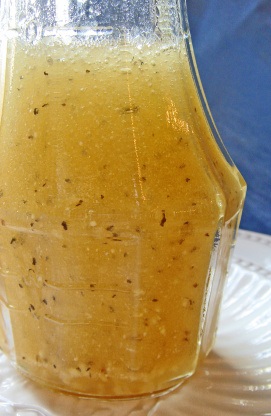
Italian Salad Dressing
a)
heterogeneous mixture
b)
homogeneous mixture
2.
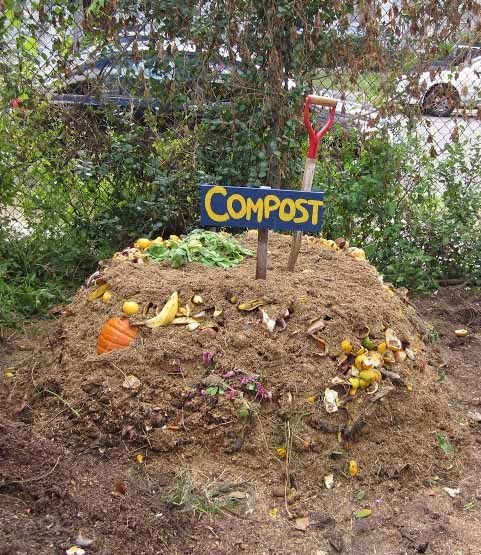
A compost pile in the backyard for the garden
a)
Heterogeneous
b)
Homogeneous
3.
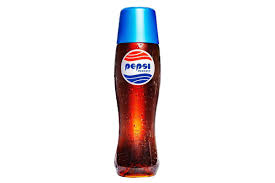
Pepsi
a)
Heterogeneous mixture
b)
homogeneous mixture
4.
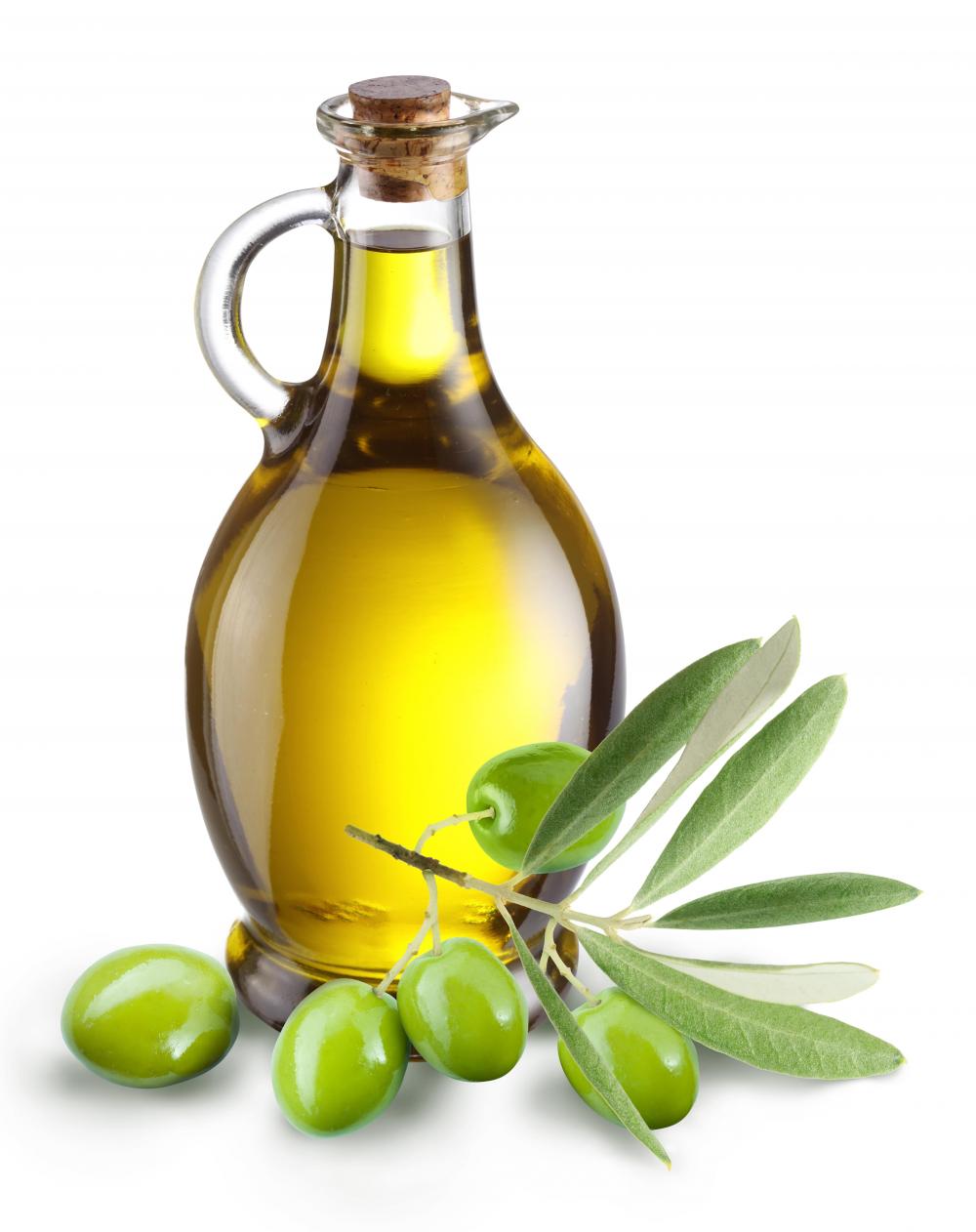
Olive Oil
a)
Heterogeneous mixture
b)
Homogeneous mixture
5.
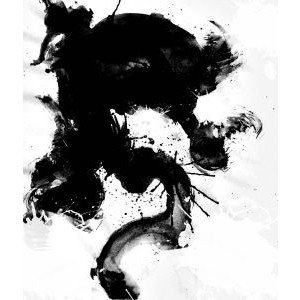
black ink
a)
heterogeneous mixture
b)
homogeneous mixture
6.
The density of pyrite is 5g/cm3 . This is an example of
a)
physical intensive property
b)
physical extensive property
c)
chemical change
d)
chemical property
7.
Salt is soluble in water.
a)
chemical change
b)
chemical property
c)
physical intensive property
d)
physical extensive property
8.
Wood burning is an example of _______
a)
physical intensive property
b)
physical extensive property
c)
chemical change
d)
Physical change
9.
Crumpling paper is an example of
a)
physical change
b)
chemical change
c)
physical property
d)
chemical property
10.
Physical properties of a substance include _________
a)
color and odor
b)
melting and boiling points
c)
density
d)
all of the choices are correct
11.
The mass of a lead cube is 64 grams. This is an example of
a)
physical intensive property
b)
physical extensive property
c)
chemical change
d)
physical change
12.
The melting point of ice is 00 C. This is an example of ________.
a)
physical intensive property
b)
physical extensive property
c)
Chemical change
d)
Chemical property
13.
Which of the following is a physical change?
a)
corrosion
b)
tarnishing
c)
rotting
d)
cutting
14.
How would you write 4.3756 x 10⁴ in standard form?
a)
437,560,000
b)
0.00043756
c)
43,756
d)
4,3756
15.
How would you write -5.6 x 10⁻³ in standard form?
a)
0.0056
b)
-5,600
c)
0.00056
d)
-0.0056
16.
When writing a number in scientific notation, the first number must be greater than 1, but less than 10.
a)
False
b)
True
17.
The rule of scientific notation is to write all exponents with a base of ____.
a)
50
b)
5
c)
100
d)
10
18.
How do you write
1001
in scientific notation?
1001
in scientific notation?
a)
1.0001 x 10⁴
b)
1.01 x 10⁵
c)
1.001 x 10³
d)
10.1 x 10³
19.
How do you write
8.317 x 10⁶
in standard form?
8.317 x 10⁶
in standard form?
a)
8, 371, 000
b)
83, 170, 000
c)
837, 100
d)
8, 317, 000
20.
Which of the following is correct scientific notation?
a)
20.35 x 10⁴
b)
.2035 x 104
c)
2035 4
d)
2.035 x10⁴
21.
Express the following in standard notation:
8.025 x 10⁻⁸
8.025 x 10⁻⁸
a)
.00000008025
b)
.000000008025
c)
802,500,000,000
d)
80,250,000,000
22.
How many significant figures does the following number have: 0.002040
a)
6
b)
4
c)
3
d)
2
23.
How many significant figures does the following number have: 0.998005
a)
9
b)
10
c)
6
d)
5
24.
How many significant figures does the following number have: 100.00210
a)
7
b)
5
c)
10
d)
8
25.
Round 0.010229 to four sig figs
a)
1022
b)
1023
c)
0.01023
d)
0.01022
26.
Round 1047.78 to three sig figs
a)
104
b)
105
c)
1050
d)
1050.00
27.
Round 1009 to three sig figs
a)
100
b)
101
c)
1010
d)
1000
28.
What is the measurement 1042 Liters rounded to 2 significant figures?
a)
1040 L
b)
1.1 x 10³ L
c)
1.0 x 10³ L
d)
1050 L
29.
What is 98.907 rounded to 1 significant figure?
a)
98.9
b)
90
c)
100
d)
98.91
30.
Determine the number of Significant Figures in 10.0-g
a)
5
b)
4
c)
3
d)
2
31.
Determine the number of Significant Figures in 10-L.
a)
4
b)
3
c)
2
d)
1
32.
How many sig figs are there?
4000.
4000.
a)
1
b)
3
c)
4
33.
Determine the number of Significant Figures in 506020-km.
a)
5
b)
4
c)
3
d)
2
34.
Jack has a rock. The rock has a mass of 14g and a volume of 2cm3. What is the density of the rock?
a)
7 mL
b)
7 g/cm3
c)
28 g/cm3
d)
1/7 g/cm3
35.
Which lab tool might you use to measure the volume of a liquid?
a)
electric scale
b)
bunsen burner
c)
test tube
d)
graduated cylinder
36.

What is the volume of Object X?
a)
10.0 cm3
b)
15.0 cm3
c)
20.0 cm3
d)
25.0 cm3
37.
True or False: The density of a specific type of material never changes.
a)
True
b)
False
38.
What is the formula for density?
a)
density = mass x volume
b)
density = mass / volume
c)
density = mass + volume
d)
density = mass - volume
39.
In general what is the most dense form of matter?
a)
solid
b)
liquid
c)
gas
d)
plasmas
40.

Which liquid is the least dense?
a)
oil
b)
water
c)
syrup
d)
plastic bottle
41.

Which liquid is the most dense?
a)
oil
b)
water
c)
syrup
d)
plastic bottle
42.

Which substance is the least dense? **Use the key
a)
A
b)
B
c)
C
43.
What is the volume of 150 grams of lead if it has a density of 11.3 g/cm3?
a)
13.3 g
b)
13.3 cm3
c)
.075 g
d)
1695 cm3
44.
120 inches = ? Feet
a)
12 feet
b)
11 feet
c)
10 feet
d)
7 feet
45.
If 1 yard is 0.914 meters. How many meters is 4 yards?
a)
3 m
b)
3.5 m
c)
3.656 m
d)
3.987 m
46.
If 1 foot is 30.28 centimeters. How many cm is 130 feet?
a)
2,957.2 cm
b)
3,962.4 cm
c)
3,482.3 cm
d)
3,792.1 cm
47.
47,520 feet = ? Miles
a)
7 miles
b)
8 miles
c)
9 miles
d)
10 miles
48.

Choose the correct work to convert 565,900 seconds to days. (Hint: Do your own work first.)
a)
A
b)
B
c)
C
d)
D
49.

Choose the correct work to convert 17 years to minutes. (Hint: Do your own work first.)
a)
A
b)
B
c)
C
d)
D
50.

Choose the correct work to convert 43 miles to feet. (Hint: Do your own work first.)
a)
A
b)
B
c)
C
d)
D
51.

Choose the correct work to convert 721 lbs/week to kg/s. (Hint: Do your own work first.)
a)
A
b)
B
c)
C
d)
D
52.

A Walmart store earns $500,000 per year. They want to see how much they make per hour. Choose the correct work to convert $500,000/year to $__/hr. (Hint: Do your own work first.)
a)
A
b)
B
c)
C
d)
D
53.
1 meter = ____ centimeters
a)
100
b)
1000
c)
10
d)
1
54.
1 kilometer = ____ meters
a)
1
b)
10
c)
100
d)
1000
55.
How are two parts of a conversion factor related?
a)
They aren't.
b)
They are equivalent.
c)
They are non-equivalent.
56.
Which of the following is NOT a conversion factor that relates hours and minutes?
a)
1 hr/60 min
b)
60 min/1hr
c)
1 min/60 hr
57.
True or False? Dimensional analysis is a way to analyze and solve problems, using the units, or dimensions, of the measurements.
a)
True
b)
False
58.
Converting between units is easily done using ____________.
a)
conversion factors
b)
chemistry magic
c)
math magic
d)
just plain ol' magic
59.
What is the base unit for measuring time?
a)
seconds
b)
hours
c)
meters
d)
lightyear
60.
What is the base unit for measuring mass?
a)
grams
b)
kilograms
c)
pounds
d)
ounces
61.
What is the base unit for measuring length?
a)
kilometers
b)
meters
c)
miles
d)
feet
62.
What is the base unit for measuring temperature?
a)
Fahrenheit
b)
Celsius
c)
Kelvin
d)
degrees
63.
What is the base unit for measuring electric current?
a)
resistance
b)
ohms
c)
Ampere
d)
volts
64.
What prefix is represented by the following symbol: h
a)
hecto
b)
kilo
c)
deci
d)
deka
65.
What prefix is represented by the following symbol: k
a)
hecto
b)
kilo
c)
deci
d)
deka
66.
What prefix is represented by the following symbol: Da
a)
hecto
b)
kilo
c)
milli
d)
deka
67.
What prefix is represented by the following symbol: d
a)
hecto
b)
kilo
c)
deci
d)
deka
68.
7 L = ___ mL
a)
7 mL
b)
70 mL
c)
7,000 mL
d)
700 mL
69.
Convert 0.25 m to mm
a)
25
b)
2.5
c)
250
d)
0.025
70.

Which of the following is NOT correct?
a)
kilo means 1000
b)
hecto means 100
c)
milli means one-thousandth
d)
centi means one tenth (0.1)
71.

The SI unit for time is the __?__.
a)
meter (m)
b)
liter (L)
c)
gram (g)
d)
second (s)
72.
Give the correct abbreviation: micrometer
a)
mm
b)
micm
c)
μm
d)
Mm
73.
What is 950V in Scientific Notation?
a)
9.5 x 10² V
b)
9.5 x 10³ V
c)
950 V
d)
9.5 kV
74.
What is 30000Ω in Scientific Notation?
a)
30 x 103 Ω
b)
3.0 x 10³ Ω
c)
3.0 x 10⁴ Ω
d)
30 kΩ
75.
What is .00025A in Scientific Notation?
a)
250 x 10-6 A
b)
25 x 10-5 A
c)
2.5 x 10⁻⁴ A
d)
25 x 10-4 A
76.
24.1% of all the isotopes of a an element have a mass of 75.23 amu, 48.7% have a mass of 74.61 amu, and 27.2% have a mass of 75.20 amu.
What is the average mass of this element?
What is the average mass of this element?
a)
74.92 amu
b)
24.97 amu
c)
75.01 amu
d)
74.51 amu
77.
Calcium has three different isotopes. One has a mass of 35.00 amu; another has a mass of 41.00 amu; and another has a mass of 40.00 amu. Which isotope is the most abundant of the three?
a)
40.00 amu
b)
41.00 amu
c)
35.00 amu
d)
impossible to tell
78.
Which subatomic particle has almost no mass?
a)
proton
b)
neutron
c)
electron
79.
The mass of a neutron is about the same as the mass of a(n)
a)
atom
b)
proton
c)
electron
d)
nucleus
80.

How many electrons are in the atom in the picture?
a)
1
b)
2
c)
3
d)
4
81.
Which subatomic particle has no charge?
a)
proton
b)
neutron
c)
electron
d)
nucleus
82.
What is the charge of an electron?
a)
positive
b)
negative
c)
neutral
83.
Which of the following has a positive charge?
a)
proton
b)
neutron
c)
electron
84.
What is the symbol for electron?
a)
e
b)
e+
c)
e-
d)
e0
85.

How many neutrons are in the atom in the picture?
a)
4
b)
5
c)
6
d)
11
86.

How many neutrons does a Hydrogen atom have?
a)
1
b)
2
c)
3
d)
0
87.

How many electrons does an atom of Krypton have?
a)
36
b)
83.80
c)
47.80
d)
119.80
88.
What is the atomic number for an element with three protons?
a)
2
b)
1
c)
3
d)
6
89.
A neutral atom of the element sodium has 11 protons and ____ electrons.
a)
22
b)
23
c)
8
d)
11
90.
What is the atomic number for an element with 41 neutrons and a mass number of 80?
a)
39
b)
41
c)
80
d)
121
91.
How many protons are present in phosphorus-31
a)
15
b)
16
c)
31
d)
46
92.
An element is defined by its number of
a)
protons
b)
electrons
c)
neutrons
d)
protons + electrons
93.
Which of the subatomic particles is the heaviest?
a)
electrons
b)
protons
c)
neutrons
d)
protons and neutrons have equal mass
94.

How many neutrons does this isotope of lithium have?
a)
8
b)
3
c)
4
d)
5
95.

He proposed the particle theory of matter and called nature’s most basic particle the “atomos”
a)
Aristotle
b)
Democritus
c)
Chadwick
d)
Dalton
96.

He unknowingly discovered the electron as a result of cathode ray tube experiments.
a)
Thomson
b)
Chadwick
c)
Democritus
d)
Rutherford
97.

The name of the scientist that came up with the plum pudding (or chocolate chip cookie) model is
a)
Thomson
b)
Rutherford
c)
Bhor
d)
Dalton
98.

Who is credited with developing the atomic theory? (Sometimes called the father of atomic theory)
a)
John Dalton
b)
J. J. Thomson
c)
Earnest Rutherford
d)
Niels Bohr
99.

How did Rutherford discover the proton?
a)
Cathode tube ray experiment
b)
Gold Foil Experiment
c)
Planetary Model
d)
Plum Pudding Model
100.

Electrons can be found in
a)
The protons
b)
The nucleus
c)
Electron Clouds
d)
exact locations
101.

How many electrons does Si contain? (click to see image)
a)
14
b)
28
c)
2
d)
4
102.
An orbital can at most hold how many electrons?
a)
1 electron
b)
2 electrons
c)
3 electrons
d)
4 electrons
103.
What shape are "p" orbitals?
a)
Cloverleaf shaped
b)
Spherical shaped
c)
Hybrid structure
d)
Dumbell shaped
104.

Which guideline, Hund’s rule or the Pauli exclusion principle, is violated in the following orbital diagrams?
a)
Aufbau's
b)
Hund's
c)
Pauli exclusive
105.

Which guideline, Hund’s rule or the Pauli exclusion principle, is violated in the following orbital diagrams?
a)
Hund's
b)
Aufbau's
c)
Pauli's Exclusive
106.
All orbitals of equal energy are occupied by one electron before any single orbital is occupied by a second electron.
a)
Aufbau principle
b)
Pauli exclusion principle
c)
Hund’s rule
d)
Core Notation
107.
An electron occupies the lowest energy orbital that can receive it.
a)
Hund’s rule
b)
Pauli exclusion principle
c)
Bohr model of the atom
d)
Aufbau principle
108.
An orbital that can never exist according to the quantum description of the atom is
a)
6d.
b)
3f.
c)
3d.
d)
8s.
109.
What atom matches this electron configuration?
1s22s22p63s23p64s23d10
1s22s22p63s23p64s23d10
a)
Zinc
b)
Copper
c)
Nickel
d)
Germanium
110.
What atom matches this electron configuration?
1s22s22p63s2
1s22s22p63s2
a)
Neon
b)
Magnesium
c)
Aluminum
d)
Potassium
111.
The electron configuration of an atom is 1s22s22p6. The number of electrons in the atom is
a)
3
b)
6
c)
8
d)
10
112.
How many valence Electrons does Copper Have?
1s2 2s2 2p6 3s2 3p6 4s2 3d9
1s2 2s2 2p6 3s2 3p6 4s2 3d9
a)
2
b)
9
c)
17
d)
2
113.
Which electron configuration belongs to Copper (Cu)?
a)
1s2 2s2 2p6 3s2 3p6 4s2 3d8
b)
1s2 2s2 2p6 3s2 3p6 4s2 3d9
c)
1s2 2s2 2p6 3s2 3p6 4s2 3d10
114.
Which of the following will have a lower ionization energy than Scandium (Sc)?
a)
Helium (He)
b)
Titanium (Ti)
c)
Calcium (Ca)
d)
Magnesium (Mg)
115.
Which atom has the largest atomic radius?
a)
potassium
b)
rubidium
c)
francium
d)
cesium
116.
As you move down the periodic table atoms get bigger. This is because ____________.
a)
The atoms have more mass.
b)
The atoms have more protons.
c)
The atoms have more energy levels
d)
The atoms have more nuetrons
117.
As you move across the periodic table atoms tend to get smaller because, ______________.
a)
the atoms have more mass.
b)
the atoms have less mass
c)
the atoms have more protons.
d)
the atoms have less electrons.
118.
Ionization energy is...
a)
the energy required to add an electron to a specific atom
b)
how much energy it takes to remove an electron from an atom
c)
the energy required to shield the outer electrons from the nucleus
d)
a measure of the ability of an atom to attract electrons
119.
Metals are good conductors of heat and electricity.
a)
true
b)
false
120.
The atom with the largest atomic radius in Group 18 is -
a)
Ar
b)
He
c)
Kr
d)
Rn
121.
Which statement correctly and completely identifies a trend?
a)
Atomic radius decreases across a period and increases down a group.
b)
Electronegativity decreases across a period and decreases down a group.
c)
Ionization energy increases across a period and increases down a group.
d)
Ionic radius increases across a period and increases down a group.
122.
An electron that resides in the outermost shell, or principal quantum level, of an atom
a)
periodic trend
b)
electron shell
c)
ionic radius
d)
valence electron
123.
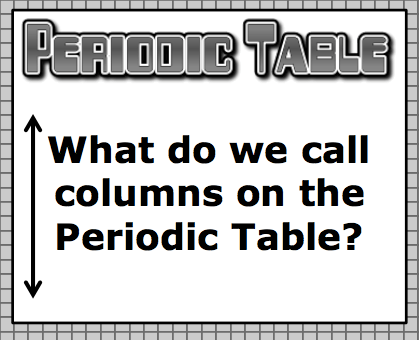
a)
Periods
b)
Groups
124.
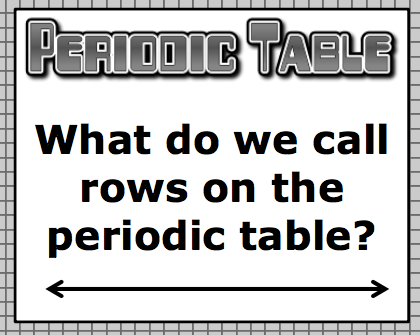
a)
Periods
b)
Groups
125.

a)
energy levels
b)
valence electrons
c)
protons
d)
neutrons
126.
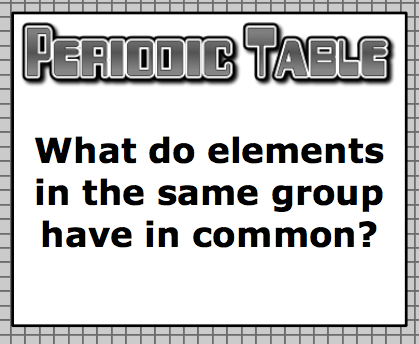
a)
energy levels
b)
valence electrons
c)
protons
d)
neutrons
127.

a)
Metals
b)
Nonmetals
128.

a)
Metals
b)
Nonmetals
129.
a)
Group 1
b)
Group 17
c)
Group 18
d)
Group 2
130.
a)
Group 1
b)
Group 17
c)
Group 18
d)
Group 2
131.
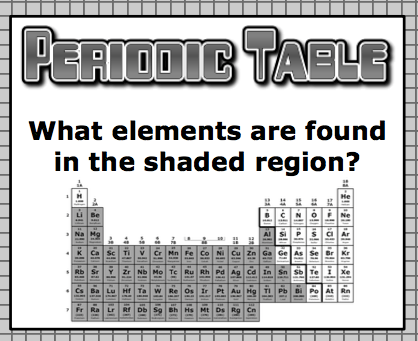
a)
Metals
b)
Nonmetals
c)
Metalloids
132.
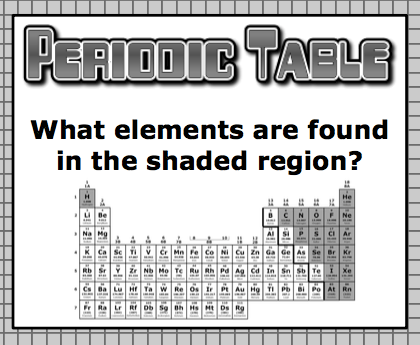
a)
Metals
b)
Nonmetals
c)
Metalloids
133.
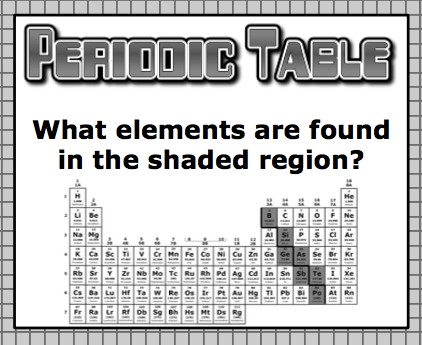
a)
Metals
b)
Nonmetals
c)
Metalloids
134.

Pure forms of these elements are stored in oil so they won't react with oxygen and water in the air.
a)
Alkali Metals
b)
Alkaline-earth metals
c)
Halogens
d)
Noble Gases
135.
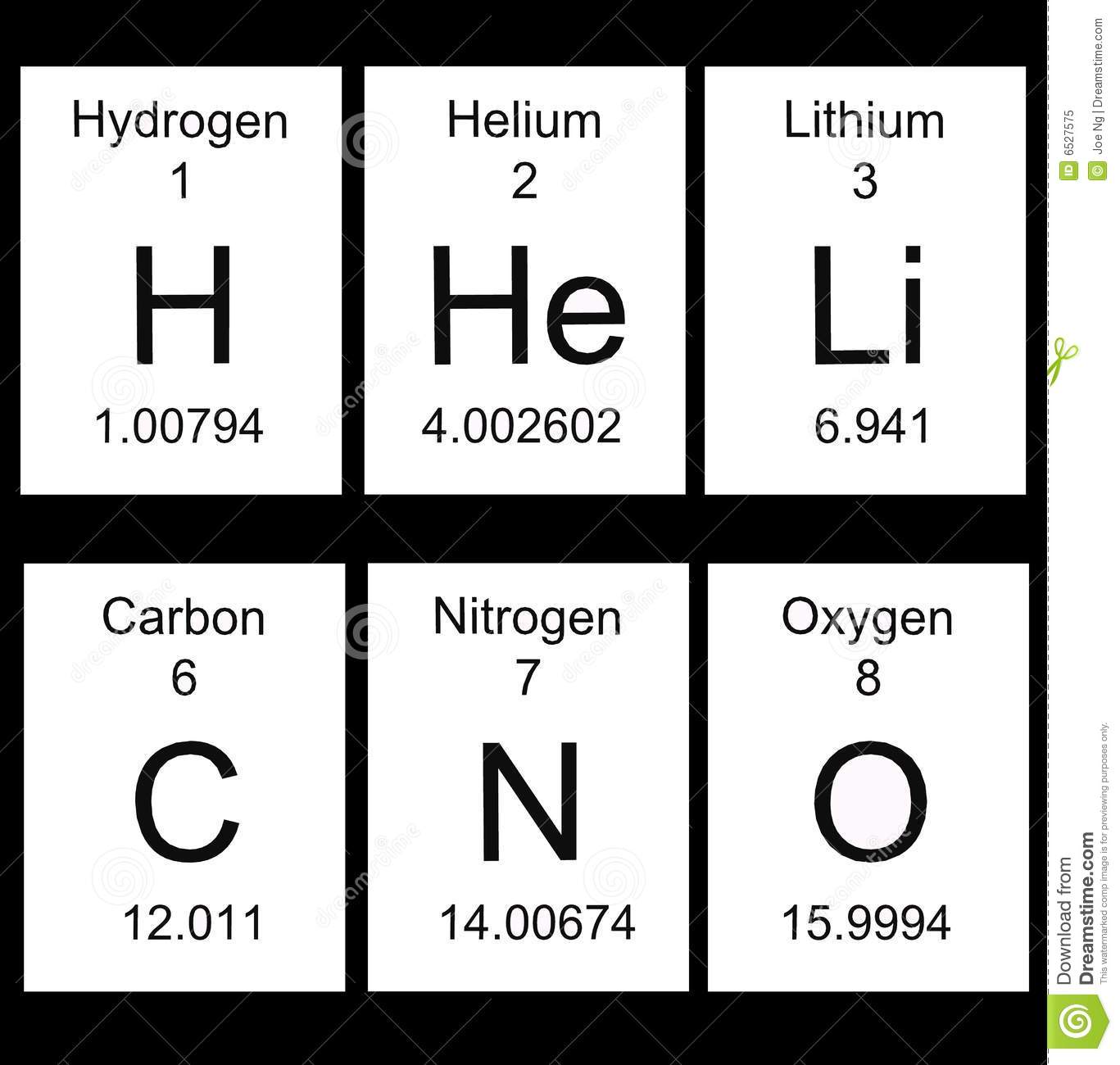
The number at the bottom of each square on the periodic table is the ...
a)
atomic number
b)
atomic mass
c)
chemical symbol
d)
element name
136.
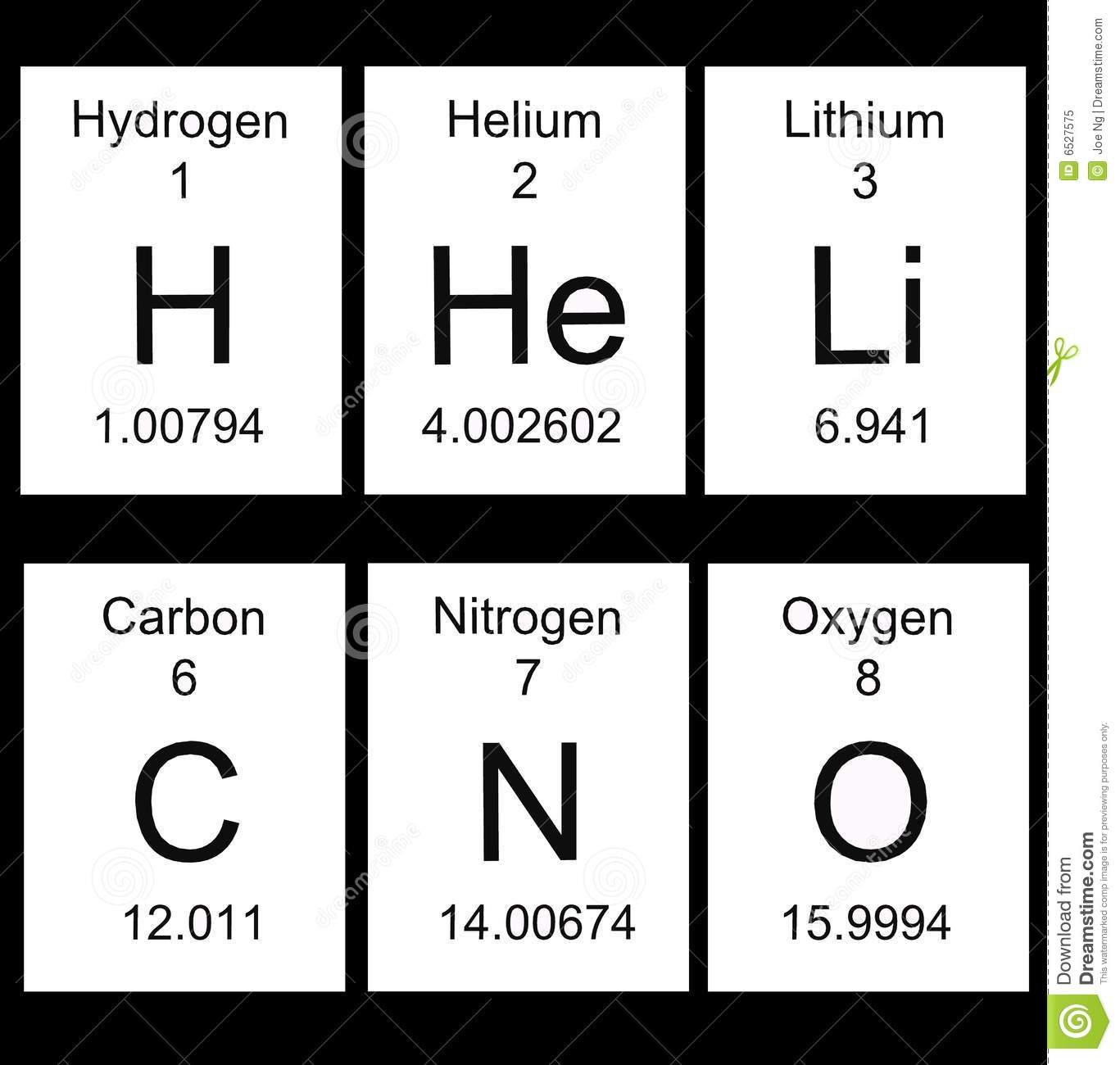
The number at the top of each square on the periodic table is the ...
a)
atomic number
b)
atomic mass
c)
Chemical Symbol
d)
Element Name
137.

Which of these element is the least metallic?
a)
Potassium (K)
b)
Carbon (C)
c)
Sulfur (S)
d)
Neon (Ne)
138.

A rule that states that repeating chemical and physical properties of elements change periodically with the atomic number of the elements is the _________.
a)
periodic law
b)
alkaline-earth metals
c)
actinide
d)
group rule
139.

Most of the elements on the periodic table are classified as _____.
a)
Metals
b)
Nonmetals
c)
Metalloids
d)
Periods
140.
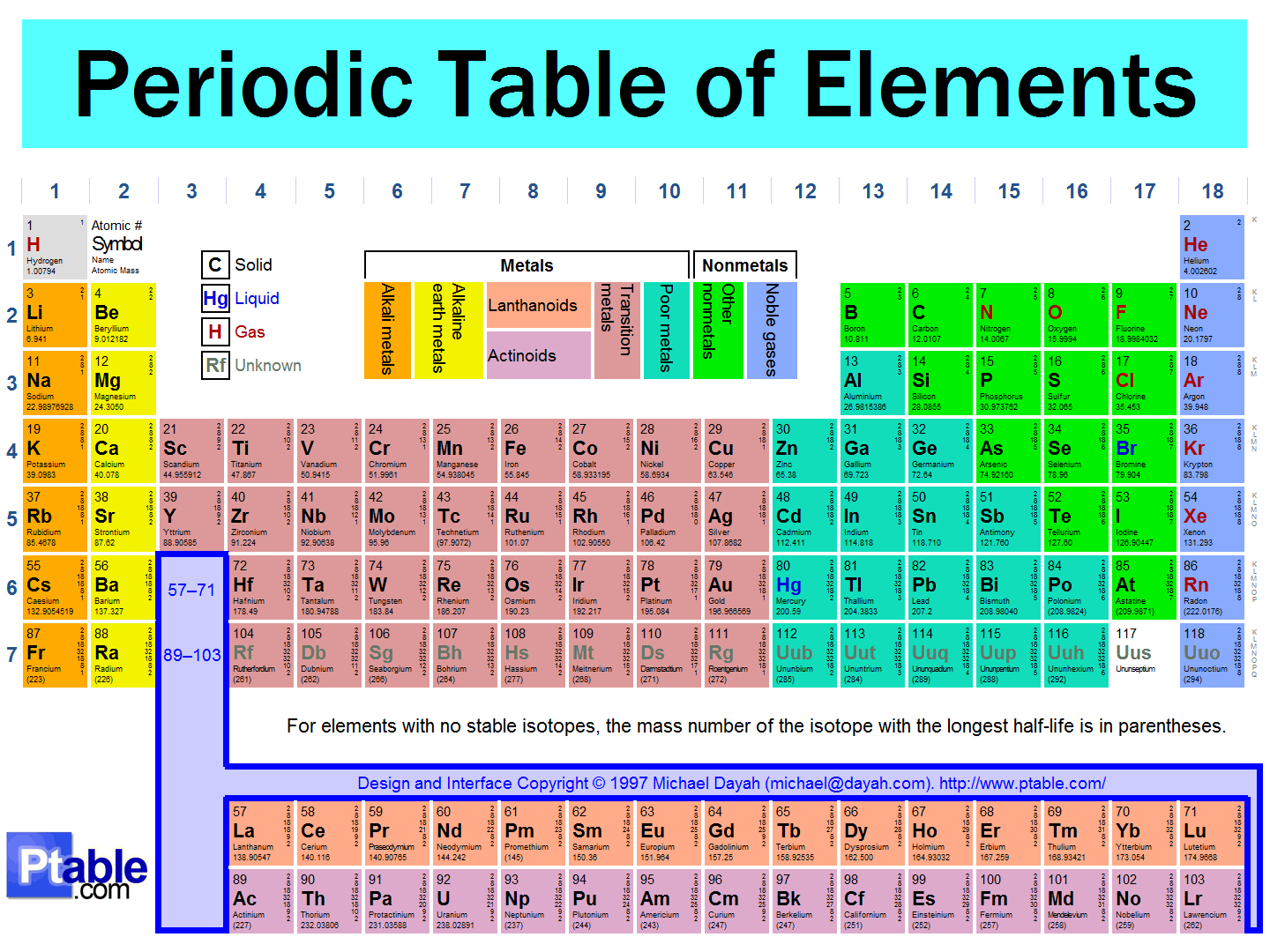
This class of elements are sometimes called "semiconductors."
a)
Metals
b)
Nonmetals
c)
Metalloids
d)
Groups
141.
A halogen will quickly for a bond with a noble gas?
a)
True
b)
False
142.
Where are Halogens located on the periodic Table?
a)
Left Side
b)
Right Side
c)
Bottom
d)
Top
143.
Which elements have the most similar chemical properties?
a)
K and Na
b)
K and Ca
c)
K and Cl
d)
K and S
144.
Which of the following is not a property of metals?
a)
brittle
b)
malleable
c)
lustrous
d)
conductive
145.

Which group has the most reactive nonmetals?
a)
alkali metals
b)
noble gases
c)
metalloids
d)
halogens
146.

Where are the nonmetals located on the periodic table?
a)
top left corner
b)
bottom left corner
c)
top right corner
d)
bottom left corner
147.
According to the Periodic Table of the Elements, which set of elements has similar properties?
a)
H, C, I
b)
He, H, Al
c)
He, Ne, Ar
d)
Na, Ca, Al
148.
Which element is inert
a)
Nitrogen
b)
Krypton (Kr)
c)
Manganese (Mn)
d)
Plutonium (Pu)
149.
The name of Mg₃N₂ is
a)
manganese nitride
b)
magnesium nitride
c)
magnesium (III) nitride
d)
trimagnesium dinitride
150.
The name of FeCl₂ is
a)
iron chloride
b)
iron (II) chloride
c)
iron (I) chloride
d)
iron dichloride
151.
The name of Cu₃N₂ is
a)
copper (III) nitride
b)
copper (II) nitride
c)
copper nitride
d)
tricopper dinitride
152.
Al+3, S-2
a)
AlS3
b)
Al2S3
c)
S3Al2
153.
Ionic compounds are written with
a)
cation (+ ion) first then anion (- ion)
b)
anion (- ion) first then cation (+ ion)
c)
either way is fine
d)
polyatomic ions first
154.
Phosphorous trichloride
a)
PCl3
b)
P3Cl
c)
P3Cl3
d)
PCL
155.
Bromine monoflouride
a)
Br1F1
b)
BrF
c)
Br2F
d)
BrF2
156.
Disulfur trioxide
a)
S3O2
b)
SO
c)
S2O3
d)
S2O
157.

BrO3
a)
bromine oxide
b)
monobromine trioxide
c)
bromine trioxide
d)
bromine (III) oxide
158.

As4O10
a)
arsenic oxide
b)
quadarsenic decoxide
c)
tetraarsenic decoxide
d)
arsenic decoxide
159.
Which acids start with the prefix hydro- ?
a)
Binary
b)
Oxyacids
160.
If you have an oxyacid and it contains an -ate polyatomic ion, then acid's ending will change to _____.
a)
-ic
b)
-ous
c)
-ite
161.
If you have an oxyacid and it contains an -ite polyatomic ion, then acid's ending will change to _____.
a)
-ic
b)
-ous
c)
hydro-root-ic acid
d)
-ate
162.
What element do all acids contain?
a)
H
b)
O
c)
C
d)
He
163.
The name of a binary acid (has no polyatomic ions)
a)
begins with the prefix hydro-
b)
begins with the prefix bi-
c)
has no prefix
d)
ends with the suffix -ous
164.
Molecular compounds contain
a)
1 metal and 1 nonmetal
b)
only metals
c)
only nonmetals
d)
more than 2 elements (either metal or nonmetal)
165.
bromic acid
a)
HBr
b)
H2Br
c)
HBrO3
d)
HBrO4
166.
nitrous acid
a)
H2NO3
b)
HNO3
c)
HNO2
d)
H2NO2
167.
HF
a)
flouric acid
b)
hydrofluoric acid
c)
fluorate acid
d)
hydrogen fluoridic acid
168.
H2C2O4
a)
carbonic acid
b)
chromic acid
c)
chloric acid
d)
oxalic acid
169.
H2SO3
a)
sulfuric acid
b)
hydrosulfuric acid
c)
sulfurous acid
d)
persulfuric acid
170.
What is a cation?
a)
positive ion
b)
Neutral atom
c)
Two additional protons
d)
negative ion
171.
What is an anion?
a)
positive ion
b)
negative ion
c)
neutral atom
d)
2 neutrons taken away
172.
Which is most likely to form a negative ion?
a)
an element from group 17
b)
a metal
c)
an element from group 1
d)
an element with atoms that have eight valence electrons
173.
The polyatomic ion NO3-1 is named:
a)
nitrous oxide
b)
nitrite
c)
nitrate
d)
thionitrate
174.
What formula results when Fe+3 and CO3-2 ions bond?
a)
FeCO3
b)
Fe2CO3
c)
Fe2(CO3)3
d)
Fe3(CO3)2
175.
What is the formula for lithium acetate?
a)
LiAc
b)
LiCHO
c)
LiC2H3O2
d)
LiClO3
100 %

