
 Worksheets
2017 2nd 9 weeks Benchmark Study Guide
Total questions: 95
Worksheet time: 8hrs 55mins
Name
Class
Date
1.
Which planets revolve around the sun?
a)
all except Earth
b)
Earth only
c)
The Gas Giants
d)
All planets revolve around the earth
2.
Which Planet comes after Earth in the solar system?
a)
Mercury
b)
Mars
c)
Venus
d)
Eros
3.
Besides planets, what might you see in our solar system?
a)
a milky way candy bar
b)
an astroid belt
c)
an airplane
d)
an impirial walker
4.
The sun is a _______.
a)
planet
b)
star
c)
comet
d)
asteroid
5.
The earth has an atmosphere.
a)
true
b)
false
6.
The sun is the ________ of the solar system.
a)
center
b)
fifth star
c)
fourth planet
d)
last part
7.
The moon is a _________ and revolves around the earth.
a)
planet
b)
star
c)
comet
d)
satellite
8.
The sun is a glowing ball of _______.
a)
water
b)
liquid
c)
gases
d)
rocks
9.
The moon has no ______.
a)
dust
b)
rocks
c)
craters
d)
wind
10.
The earth has an ___________ that protects our planet from the rays of the sun.
a)
moon
b)
ocean
c)
atmosphere
d)
rocky surface
11.

The type of formation shown is at the southern end of the Mississippi river. What is it called?
a)
coastal erosion
b)
a delta
c)
a loess
d)
sand dunes
12.
Earth's rotation during the day gives the FALSE appearance of the Sun __________ from east to west across the sky
a)
rotation
b)
day
c)
movement
d)
night
13.
Earth's rotation during the night gives the FALSE appearance that the ________ move across the sky
a)
movement
b)
day
c)
night
d)
stars
14.
An imaginary line around which the Earth spins
a)
axis
b)
rotation
c)
movement
d)
compass
15.
Period during rotation when Earth is facing the Sun and it is lighted
a)
rotation
b)
day
c)
night
d)
shadow
16.
Period during Earth's rotation when Earth faces away from the Sun and it is dark
a)
day
b)
night
c)
shadow
d)
stars
17.
Dark area caused when an object blocks light from falling on a surface
a)
movement
b)
night
c)
shadow
d)
stars
18.
Sedimentary rocks are often formed in layers.
a)
True
b)
False
19.
Small pebbles, pieces of other rock, and sand are called?
a)
weathering
b)
sediment
20.
Spinning of Earth on its axis.
a)
Rotation
b)
Revolution
21.
Movement of Earth around the sun.
a)
Rotation
b)
Revolution
22.
What characteristic do the Earth and Moon share that makes them different from the Sun?
a)
Spherical shape
b)
Rotate on an axis
c)
Rocky crust and surface
d)
Found in our Solar System
23.
Among the Earth, Sun, and Moon, what makes the Earth unique? Only the Earth –
a)
can generate energy
b)
lacks an atmosphere
c)
is made mostly of rock
d)
contains water in liquid form
24.

A student created a diagram to compare the characteristics of the Earth and the Moon.
Which of the following characteristics could be placed in the center part of the diagram?
Which of the following characteristics could be placed in the center part of the diagram?
a)
orbits another object
b)
strong gravitational pull
c)
rotates every 24 hours
d)
has an atmosphere
25.
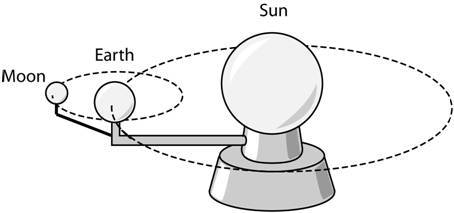
This model can be used to show some relationships between the Earth, Sun, and Moon.
The model shows all of the following EXCEPT –
The model shows all of the following EXCEPT –
a)
the relative sizes of the Moon and Earth
b)
the way the Moon revolves around the Earth
c)
the composition of the Moon, Earth, and Sun
d)
how the Moon and the Earth revolve around the Sun
26.
Of the Earth, Sun, and Moon, which ones orbit another object?
a)
the Sun and the Earth
b)
the Sun and the Moon
c)
the Moon and the Sun
d)
the Moon and the Earth
27.
The moon’s surface has many more craters than the Earth’s. What best explains the difference in the number of craters on the surface of the Moon and the Earth?
a)
The Moon rarely gets impacted by meteorites.
b)
The Earth’s atmosphere protects it from impacts.
c)
The Moon’s gravity attracts more meteorites than Earth's.
d)
The Earth rotates on its axis more quickly than the Moon.
28.
Which of the following lists the Earth, Sun, and Moon in order of size, from largest to smallest?
a)
Earth, Sun, and Moon
b)
Earth, Moon, and Sun
c)
Sun, Earth, and Moon
d)
Sun, Moon, and Earth
29.
Which location on Earth receives the most direct sunlight?
a)
The deserts
b)
The South Pole
c)
The Equator
d)
The Western Hemisphere
30.
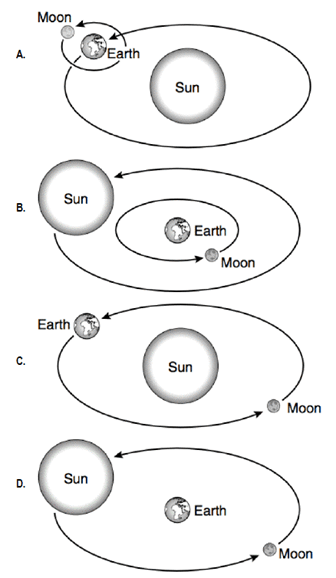
Which of these best shows that the Earth revolves around the sun as the moon revolves around the Earth?
a)
Picture A
b)
Picture B
c)
Picture C
d)
Picture D
31.

A body that orbits a planet is a...
a)
Meteor
b)
Asteroid
c)
Satellite
d)
Comet
32.
In what kind of rock can fossils be found?
a)
Sedimentary Rocks
b)
Igneous Rocks
c)
Metamorphic Rocks
d)
Granite
33.
How are fossils created?
a)
Traces of organisms get turned into stone.
b)
Dead organisms are quickly buried for millions of years.
c)
Animals get trapped.
d)
All of the above
34.
What are the 3 main fossil fuels?
a)
Coal, Oil, and Gasoline
b)
Coal, Oil, and Natural Gas
c)
Electricity, Gasoline, Petroleum
d)
Coal, Oil, Non-renewable Resources
35.
What must be present for Fossil Fuels to form?
a)
Bones and Sediment
b)
Dead Organisms and Layers of Sediment
c)
Dead Organisms, Layers of Sediment, and Heat & Pressure over time
d)
Bones, Layers of Sediment, and Heat & Pressure over time
36.
Fossil Fuels formed over long periods of time after particles in water settled to the sea floor and formed marine mud. What kinds of particles needed to be present in the marine mud in order for fossil fuels to form.
a)
Mostly sand and a few small bits of wood
b)
Mostly decaying organisms
c)
Mostly lava and a few sedimentary rocks
d)
Mostly metal minerals
37.
Some students made a model to show one of the first steps in the formation of sedimentary rock. The students pour 2 cm of light-colored sand into a clear plastic box. Then they add 1 cm of gravel. Finally, they pour 2 cm of dark-colored sand on top of the gravel. Which characteristic of sedimentary rock does this model best show?
a)
Sedimentary rock is made of layers.
b)
Sedimentary rock is cemented bits of rock.
c)
Sedimentary rock is often limestone.
d)
Sedimentary rock is common in Texas.
38.
All of these are related to the formation of oil or natural gas EXCEPT
a)
Decomposed Animals
b)
Decayed Plants
c)
Sedimentary Rocks
d)
Active Volcanoes
39.
Coal often forms where once there was swamps. What characteristic of swamps is important to the formation of coal?
a)
High Temperature
b)
Abundant Plant Life
c)
Frequent Rains
d)
Reptile Predators
40.
What changes buried organic matter into fossil fuels?
a)
Industrial Pollution
b)
Ocean Currents
c)
Volcanic Activity
d)
Heat and Pressure
41.
A student creates a model of the formation of fossil fuels by first placing a layer of leaves, representing organic matter, in the bottom of a cup. What step will come next in the model?
a)
Pouring water over the leaves to model washing away by rivers
b)
adding sand on top of the leaves to model burial in sediments
c)
Burning the leaves to model the decay of organic matter
d)
Putting the leaves in the freezer to model conditions on top of mountains
42.

Which layer formed first?
a)
Rock Layer W
b)
Rock Layer X
c)
Rock Layer Y
d)
Rock Layer Z
43.
Sedimentary rocks form when broken bits of other rock are deposited and then -
a)
buried and squeezed and cemented together
b)
melted by the heat of the Earth's core
c)
completely dissolved in the salt water of the ocean
d)
used by humans as a natural resource
44.
Fossil Fuels form in sedimentary rocks when -
a)
plants use the nutrients in the sediments to grow
b)
organic matter is buried along with sediments
c)
rivers carry sediments down mountainsides
d)
sediments are used by humans as a resource
45.
Most sedimentary rock forms in the ocean. This is because oceans -
a)
emit much less pollution that other habitats
b)
receive the majority of the Sun's energy
c)
have fewer plants and animals than on land
d)
are where most bits of broken rock get deposited
46.
Fossils give us evidence about which of the following?
a)
plants and animals that lived long ago
b)
how weathering and erosion break down rocks
c)
the other planets in our solar system
d)
the transfer of energy from one form to another
47.
An area is currently a forest. What evidence would best indicate that this area was covered by water millions of years ago?
a)
An increase in rainfall in the forest over time
b)
The presence of plants in the forest that need water to live
c)
Fossils of fish discovered in rock below the forest
d)
Insects in the forest that lay their eggs in the water
48.
What do magnets stick to?
a)
copper
b)
wood
c)
iron
d)
plastic
49.
When two magnets attract, they ______________
a)
push apart
b)
change color
c)
get colder
d)
pull together
50.
What causes day and night?
a)
The earth rotating on its axis
b)
The earth revolving around the sun
c)
The axis' tilting back and forth
d)
The phases of the moon
51.
Earth rotates on its......
a)
hemispheres
b)
poles
c)
axis
d)
continents
52.

What does the Earth orbit around?
a)
axis
b)
sun
c)
orbit
d)
moon
53.

Spinning is the same as ___________.
a)
rotating
b)
revolving
c)
traveling
54.
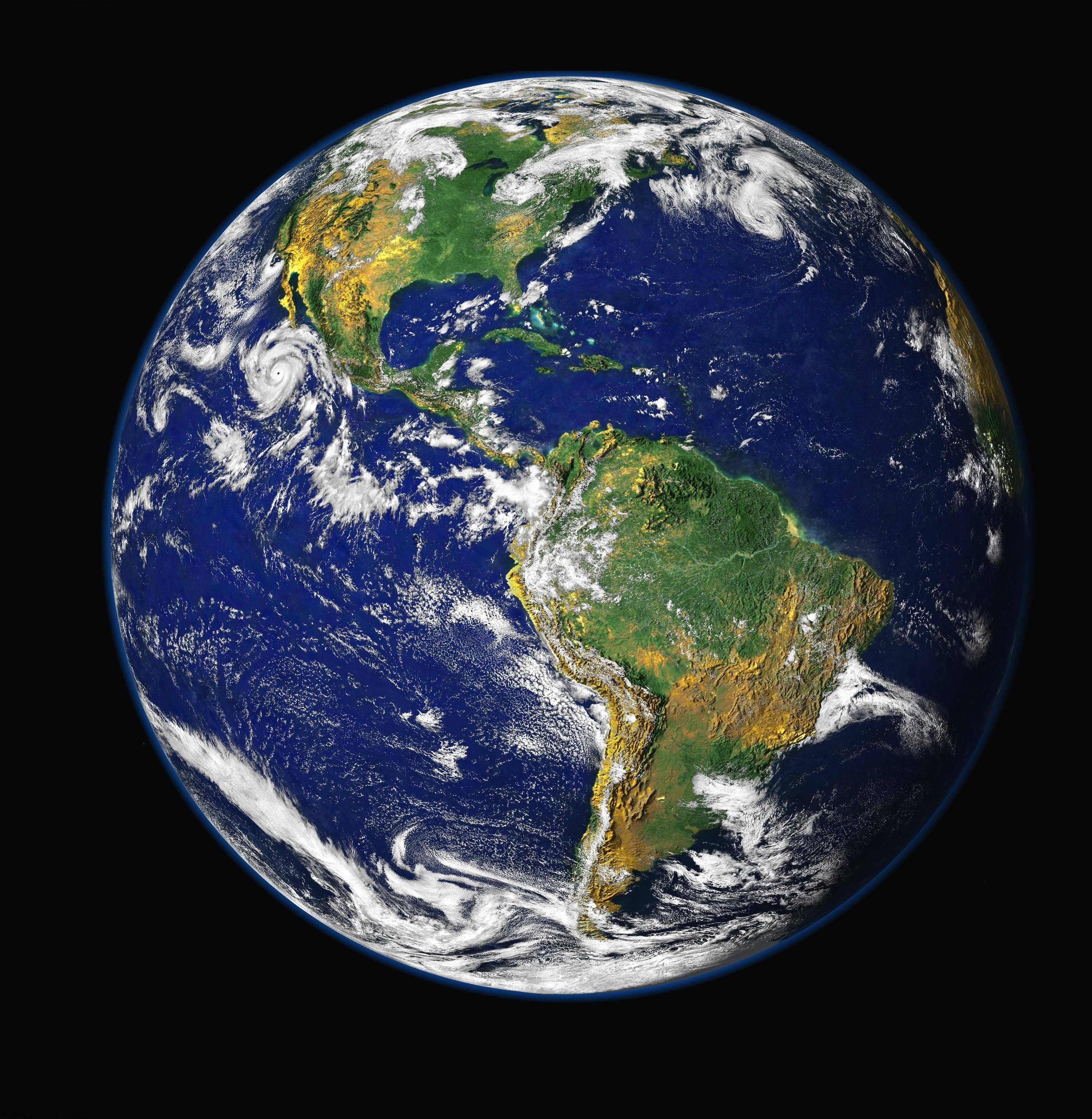
What causes seasons?
a)
rotation
b)
the orbit
c)
the Earth's tilt
d)
day and night
55.

What is the name of the imaginary line running through the North Pole to the South Pole?
a)
orbit
b)
axis
c)
equator
d)
latitude
56.

What happens when the area in which you live tilts AWAY from the sun?
a)
It is summer.
b)
It is spring.
c)
It is winter.
d)
It is fall.
57.
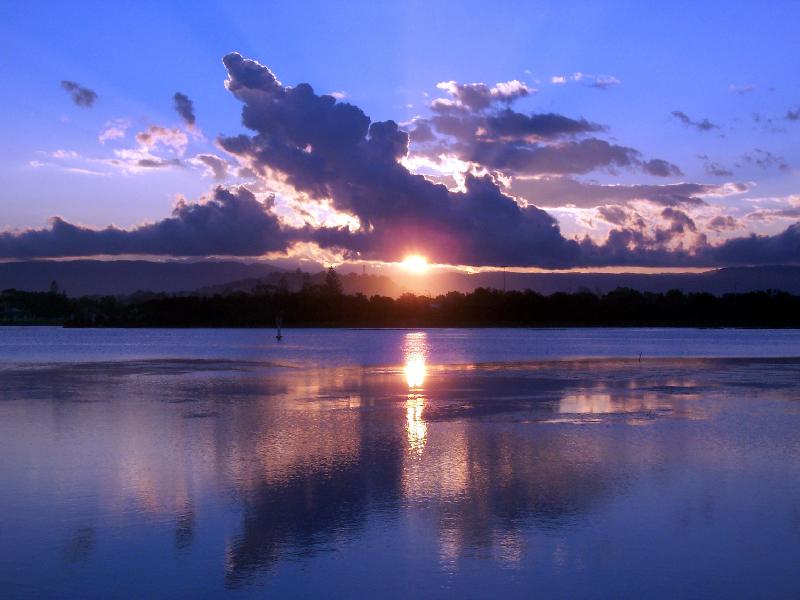
Which season has the least amount of daylight hours?
a)
Winter
b)
Spring
c)
Summer
d)
Fall
58.

What is the name of our 6th planet
a)
Jupiter
b)
uranus
c)
Saturn
d)
Neptune
59.

What is the 5th planet in Our Solar System
a)
Earth
b)
Jupiter
c)
Mars
d)
Venus
60.

_________ ________ is shown on the thermometer.
a)
boiling point
b)
freezing point
c)
relative density
61.

Which is true?
a)
Material A is a liquid
b)
Material C is a solid
c)
Material B is a gas
d)
Material B is a liquid
62.

Which is true?
a)
Oil is more dense than water
b)
the crayon is more dense than the pasta
c)
the paperclip is less dense than oil
d)
the popsicle stick is the least dense item
63.
The 3 State of Matter are?
a)
Idaho, Texas, and Florida
b)
Matter, Mass, and Weight
c)
Solids, Liquids, and Gas
d)
Steel, Copper, and Brass
64.
What is the process of transporting sediments from location to another?
a)
Deposition
b)
Erosion
c)
Weathering
d)
Compaction
65.
The process of breaking up Earth's surface into sediment is called...
a)
sediment
b)
erosion
c)
weathering
d)
deposition
66.
What is sediment?
a)
the process of rocks being broken down and carried away
b)
bits of rock, sand, and silt caused by the weathering of rocks
c)
the top layer of the soil
d)
decaying plant or animal material
67.
Which of these is an example of erosion
a)
Light Shinning onto a mountain
b)
Rain breaking down rock
c)
Wind blowing away sediment
d)
All of the above
68.
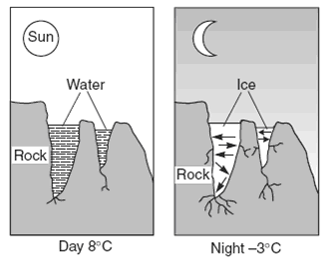
The diagrams shows a natural process that weathers rock.
Which statement best explains why this process results in weathering?
Which statement best explains why this process results in weathering?
a)
frozen water acts as a solute
b)
water expands when it freezes
c)
the mass of water increases when it freezes
d)
frozen water dissolves most types of rock
69.
What happens when weathering and erosion work together?
a)
New Mountains are created
b)
The climate changes overnight
c)
Metal objects become rusty
d)
They change the Earth's surface
70.
The process that breaks down rocks and other materials on Earth's surface is called
a)
weathering
b)
erosion
c)
soil conservation
d)
decomposition
71.
How does freezing water cause the weathering of rocks? The freezing water—
a)
keeps the rocks in place
b)
makes the rocks last longer
c)
expands cracks and breaks rocks
d)
causes rocks to fall in landslides
72.
What is the major cause of weathering and erosion to form canyons?
a)
wind
b)
ice
c)
glaciers
d)
moving water
73.
Which agents break down earth materials?
a)
wind only
b)
earthquakes and gravity
c)
ice and 007
d)
wind, water, and ice
74.
What is an enormous mass of ice moving over land?
a)
Ice wedging
b)
Glacier
c)
Iceberg
d)
Dune
75.
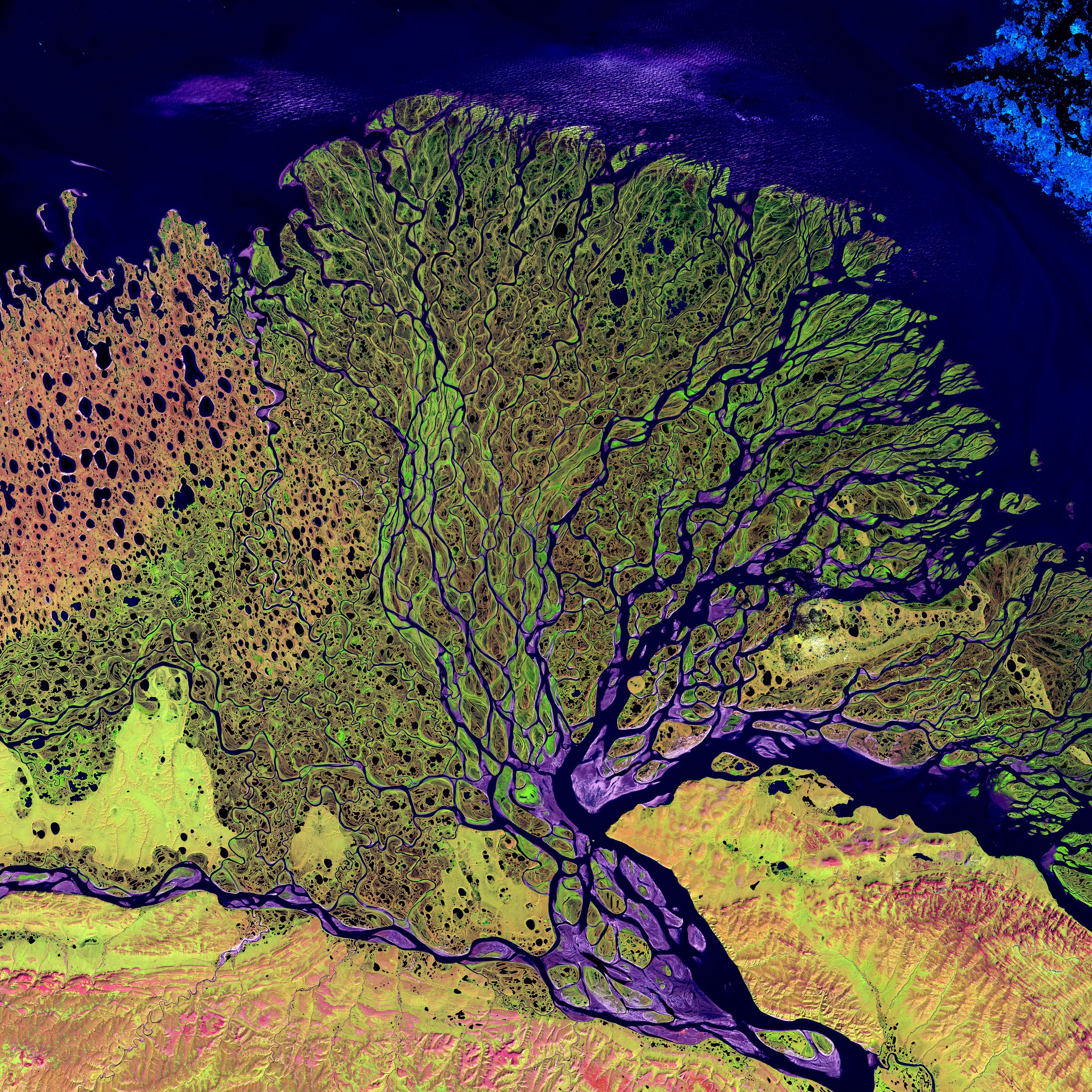
Deltas are built up by -
a)
deposition
b)
leaching
c)
abrasion
d)
erosion
76.
Wind blowing sand from one location to another
a)
Weathering
b)
Erosion
c)
Deposition
77.

What process does the image show?
a)
Dissolving
b)
Evaporation
c)
Condensation
d)
Melting
78.

Sudden movement of loose rock and soil down a steep slope is called a...
a)
avalanche
b)
landslide
c)
earthquake
d)
creep
79.

A very large ocean wave that is caused by an underwater earthquake is a/an...
a)
flood
b)
tsunami
c)
rockslide
d)
weathering
80.

A/An _______________ is a sudden movement of part of Earth's crust.
a)
earthquake
b)
volcano
c)
tsunami
d)
landslide
81.

A/An ________________ is an opening in Earth's crust through which hot ash, gases, and molten rock escape.
a)
volcano
b)
fault
c)
earthquake
d)
creep
82.

What is the EFFECT of a landslide on hillsides where people live?
|
|
a)
sudden movement
b)
wildfires
c)
heavy rain
d)
damaged houses
83.
what kind of rock is formed when debris is buried, compresses and cemented together?
a)
Metmaorphic
b)
Magma
c)
Sedimetnary
d)
Igneous
84.
Squeezing sediments together in layers.
a)
Compaction
b)
Weathering
c)
Cementation
d)
Deposition
85.
Solidifying (gluing) layers of sediments.
a)
Erosion
b)
Deposition
c)
Cementation
d)
Compaction
86.

What is this landform?
a)
mountain
b)
canyon
c)
coast
d)
cliff
87.

What is this landform?
a)
valley
b)
hills
c)
river
d)
lake
88.
Which planet is closest to the sun?
a)
Uranus
b)
Mercury
c)
Neptune
d)
Earth
89.
What is an inner planet?
a)
Jupiter
b)
Mars
c)
Neptune
d)
Uranus
90.
True or False: An insulator is a type of material that allows heat to escape from an object quickly.
a)
True
b)
False
91.
What is the BEST example of an insulator?
a)
A plastic toy
b)
A wooden table
c)
A styrofoam cup
d)
A metal roof
92.

What is this landform?
a)
delta
b)
stream
c)
valley
d)
plain
93.

What is this landform?
a)
canyon
b)
delta
c)
plain
d)
valley
94.

Volcanoes, landslides, and earthquakes are examples of __________ changes to Earth's surface.
a)
rapid
b)
slow
c)
gradual
d)
slight
95.
Period of 24 hours or the time it takes Earth to make one complete spin on its axis
a)
Rotation
b)
Compass
c)
Sundail
d)
Movement
100 %

