
 Worksheets
Unit 1 Grade 5 Matter and properties
Total questions: 92
Worksheet time: 1hrs 20mins


A characteristic that can be observed or measured such as color, state, or hardness is referred to as a...
Physical property
Chemical property
Physical change
Chemical change
When the temperature of matter increases the particles (usually)...
speed up and move closer
speed up and move farther apart
slow down and move closer together
slow down and move farther apart
A ______________ property is any property of matter that can be observed using the five senses or can be measured without changing the matter.
elemental
substantive
chemical
physical
The ability of an object to attract certain metal objects.
Mixture
Solution
Magnetism
Volume
a mixture in which substances are spread out evenly and dissolve with another substance.
Solution
Mixture
Magnetism
Volume
The ability to allow heat and energy to flow.
Volume
Conductor
Insulator
Solubility

The classification of matter as a solid, liquid, or gas
Density
Evaporate
States of matter
Matter
The ability to burn is a chemical property known as ____
combustibility
biodegradability
flammability
The ability to combust, or explode, is a ---
Chemical property
Physical property
Is the ability of glass to break a chemical or physical property?
The way something looks, feels, smells, and tastes are physical properties.
True
False

The ability of substance to dissolve into another substance is called
magnetism
malleability
solubility
appearance

How a substance reacts to a magnet (attract or repel) is called
solubility
malleability
state of matter
magnetism

When the physical property of a substance is observed its composition remains the same.
True
False
Anything that has mass and takes up space
(everything is made of this) is known as
mass
matter
volume
reflectivity
The ability for energy, such as electricity and heat, to move through an object is known as
conductivity
solubility
mass
volume

When a substance tarnishes/rust is an example of a
physical property
chemical property
Properties that can only be observed or measured by changing the chemical identity composition of a substance is a
Physical Property
Combustible Property
Chemical Property
Changeable Property
It is the ability of the material to allow heat and electricity to pass through.
hardness
conductivity
brittleness
ductility
What kind of change occurs when matter changes its composition?
Chemical change
Physical change
Mechanical Change
Electrical Change

Which of the following is NOT an example of a physical change?
dissolving sugar in water
bending a metal rod
melting an ice cube
burning paper

Which of the following is NOT an indicator that a chemical change has occurred?
a change in state
a temperature change
a color change
bubbles
Tarnishing
Chemical Property
Physical Property
Solubility
Chemical Property
Physical Property
State of Matter
Chemical Property
Physical Property
Magnetism
Chemical Property
Physical Property
Electrical Conductivity
Chemical Property
Physical Property
Hardness
Chemical Property
Physical Property
Cooking an egg is an example of
physical property
chemical property
physical change
chemical change
Breaking a glass is an example of a
physical property
chemical property
physical change
chemical change
A characteristic of matter that can be observed without changing it is called a
physical property
chemical property
physical change
chemical change
An example of a chemical change is
melting an ice pop
sharpening a pencil
burning wood in a fireplace
ripping a piece of paper
When a snowman melts in the sun, this is an example of a
physical property
physical change
chemical property
chemical change
When an odor or gas is produced, this is an example of a
physical change
chemical change
In a ___________________ change, the starting and ending materials are the same, even though they may look different.
physical
chemical
A combination of substances that dissolve into one another--they are evenly mixed so that individual parts cannot be seen or separated.
solutions
mixtures
observations
Two or more materials mixed together that can always be separated into their component parts.
solutions
pure substances
observations
mixtures
A solution is made when one substance _________ in another.
settles at the bottom
moves
dissolves
is suspended
HOMOGENEOUS VS. HETEROGENEOUS MATTER
chocolate chip ice cream
Homogeneous
Heterogeneous
HOMOGENEOUS VS. HETEROGENEOUS MATTER
sugar water
Homogeneous
Heterogeneous

What's this?
Heterogeneous
Homogeneous

What is this?
Homogeneous
Heterogeneous
These do not have a uniform composition.
Homogeneous
Heterogeneous

Heterogenous or Homogenous?
Heterogenous
Homogenous

Heterogeneous or Homogeneous?
Heterogeneous
Homogeneous

Heterogenous or Homogenous?
Heterogeneous
Homogeneous

Heterogeneous or Homogeneous?
Heterogeneous
Homogeneous

Heterogeneous or Homogeneous?
Heterogeneous
Homogeneous
M&Ms
Heterogeneous
Homogeneous
Homogeneous
Heterogeneous
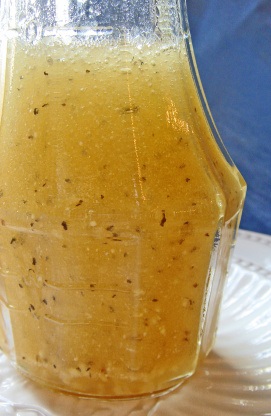

homogeneous mixture
Which is a colloid?
Air
Rice in water
Fog
Rain water
Which one is a colloid?
sea water
air
river water
milk
which one is correct?
Solutions are clear
suspensions are clear
colloids settle
Solutions settle
Which is True?
Suspensions do not settle
suspension settle
colloids settle
Solutions settle
Solutions are
Homogenous
Heterogenous
Colloids are
Homogenous
Heterogenous
Suspensions are
Homogenous
Heterogenous
SOLUTIONS HAVE LARGE AND HEAVY PARTICLES
TRUE
FALSE
COLLOIDS HAVE PARTICLES THAT ARE DISPERSED AND DO NOT SETTLE AT THE BOTTOM.
TRUE
FALSE
SUSPENSION MIXTURES ARE HETEROGENEOUS MIXTURES!
TRUE
FALSE
A combination of two or more substances that can be physically separated is called a...
Mixture
Pure substance
Compound

Milk and gelatin are examples of __________________.
suspensions
colloids
solutions


A snow globe is an example of a/an
solution
suspension
colloid
alloy
A ______________ mixture is one that does not have a uniform composition.
heterogeneous
homogenous
pure substance



