
 Worksheets
Science 5 First Semester Revision 1
Total questions: 90
Worksheet time: 48mins

Which of the following describes what happens when we breathe out?
1
2
3
4

The following process takes place in plants.
What is this process called?
Transport
Circulation
Respiration
Photosynthesis
Which of the following statements about the circulatory system are true?
A. Our pulse rate increases when we are anxious.
B. The number of times our heart beats in one minute is called our pulse rate.
C. Blood pumped to various parts of our body as a result of the contraction of our heart muscles.
D. Our heart, blood vessels and the blood that flows through them, together, form the circulatory system.
A, B and D only.
A, C and D only.
B, C and D only.
A, B, C and D.
Which of the following substances are transported by blood?
A. Water
B. Waste materials
C. Undigested food
D. Oxygen and Carbon Dioxide
A and D only.
A, B and D only.
A, C and D only.
A, B, C and D

The diagram below shows four kinds of fruits.
Which of the fruits will split open forcefully when ripe to release their seed?
Balsam and rubber
Watermelon and angsana
Balsam, rubber and angsana
All of the above
Jane wanted to find out how two different kinds of seeds would germinate when the conditions for germination are kept the same. Which variables should she keep constant?
A. Type of seeds.
B. Amount of soil.
C. Amount of water.
D. Type of container used
A and C only
B and D only
B, C and D only
A, B, C and D
Why do plants scatter their seeds?
A. To prevent overcrowding.
B. To allow plants to grow in new places.
C. To reduce competition for food and water.
D. To ensure that new kinds of plants can grow.
A and B only
C and D only
A and C only
A, B, C and D
Carnivores have ______ teeth to tear flesh.
Molars
Premolars
Canines
Incisors
A seed needs soil, water, and ________ to grow.
seeds
The right temperature
wind
moonlight
What happens FIRST in the life cycle of a plant?
a plant blooms
a seed sprouts
the seed produces flower
the seed produces fruit


In which way do you think this seed can be dispersed?
water
wind
animals
explosion

How can this creature help plants?
by carrying pollen
by carrying honey
by carrying seeds
by carrying fruits
What is fertilization in plant life cycle?
seeds growing into seedlings
pollen fusing with ovum
pollen moving away from the parent plant
adding fertilizers to plants
In which part of the plant does fertilization happen?
in the flower
in the roots
in the fruits
in the stem
1. Place for living things live is ….
Adaptation
Habitat
Plants
Animals
How the condition in dessert?
Low temperature
High rainfall
Dry
Wet

Roots have function for ….
To support plant to stand
Place for photosynthesis
Take water from the soil
To intract insect
Which flowers do you think are pollinated by the wind?


In photosynthesis, the word photo means …
putting together
take picture
light
air
Most seeds do not need … to germinate because they can germinate in the dark soil.
warmth
light
air
water
Which part of the seed grows first?
First shoot
Leaves
Root
Stem

Which condition does the plant in the picture is missing for growth?
Water
Light
Warmth
Air
Development of the seeds into the seedlings is called
germination
growth

What was the height of the plant at the week 1?
10 cm
15 cm
20 cm
25 cm
Why do plants need water to germinate?
It keeps the seed cool and dark
It releases energy stored in the seed
It causes the seed to swell and break open
It allows the seed to make food for the young plant
Which do plants need for photosynthesis?
Sunlight
Oxygen
Pollen
Bees
What is the product made from plants during photosynthesis?
carbon dioxide
water
sunlight
oxygen
What is the function of seed coat?
it covers and protects the seed
it is a place where photosynthesis happen
it stores food
it can develop into young plant
The process of a plant using light to change carbon dioxide and water into glucose for food is _________________
germination
plant growth
photosynthesis
life cycle
In which picture seed germinate better?


Which condition does the plant in the picture is missing for growth?
Water
Light
Warmth
Air
Plants need________ so that they can have strong stems and firm leaves. They also use _______ to transport substances such as food to all parts of the plant.
Which word will complete the sentences above correctly?
Light
Water
Air
Warmth
Which part of your brain protects the brain?
Ribs
Backbone
Skull
Head
Which part of the skeleton protects the heart and lungs?
Ribs
Backbone
Skull
Chest
What happens to your skeleton as your grow?
It grows
It stays the same size
It gets smaller
An animal with a backbone is called a ...
Invertebrate
Vertebrate
Spine
Backbone
How does your arm bend?
One muscles pulls your arm up.
One muscles pulls your arm both up and down
The bones move your arm on their own.
One pulls your arm up to bend it and the other muscles relaxes.
Muscles work together in pairs.
True
False
When a muscles contracts (pulls) the opposite muscle ...
contracts
expands
relaxes
none of these

Which letter shows a joint?
A
B
C
D

Why eagle can fly?
Because its bones are strong.
Because its bones are heavy and large.
Because its bones are hollow and light.
Because its bones are small and long.
Most of ..................... have support from exoskeleton
Mammals
Fish
Invertebrates
Reptiles
What is a major difference between a hydrostatic skeleton and an endoskeleton?
A hydrostatic skeleton is located inside the body and the endoskeleton outside.
A hydrostatic skeleton is found in worms and an endoskeleton in invertebrates.
An endoskeleton is located inside of the bodies of vertebrates and are composed of bone, while hydrostatic skeletons are fluid filled skeletons.
Both ( option 1 and 2)
Skeleton gives a definite _________to the body.
shape
age
size
none of these

What kind of skeleton does this animal have?
Endoskeleton
Exoskeleton
No Skeleton

What kind of skeleton does this animal have?
Endoskeleton
Exoskeleton
No Skeleton

What is the breathing organ of animal in the picture?
Gills
Lungs
Moist skin
Spiracle
why grasshopper can stay alive after it head is put into water?
because it has power
because it can breathe through lungs
because it can breathe through moist skin
because spiracle is located at the abdomen

which animal has same breathing organ with animal in the picture


newt has two organ breathing which are ............... and ..............
lungs and gills
spiracle and moist skin
lungs and moist skin
lungs and spiracle

what is the breathing organ of animal in the picture?
Gills
Lungs
Spiracle
Moist skin

Which is the breathing organ of animal shown in the picture?
Lungs
Moist Skin
Spiracle
Gills
Our _________________________ system enables us to breathe.
Blood circulatory
Respiratory
Nervous
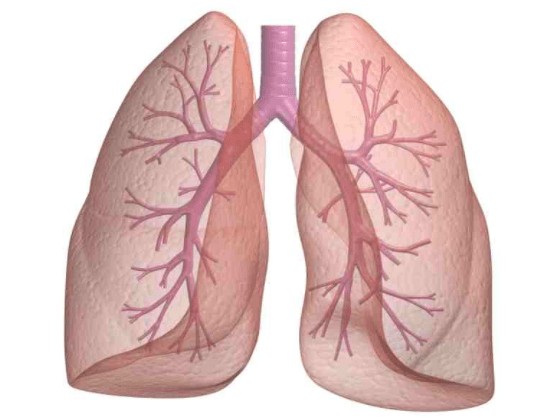
1. Which system are the lungs in?
respiratory
digestive
skeletal
circulatory

Which system is the stomach in?
respiratory
digestive
skeletal
circulatory
What is the main function of the respiratory system?
enables us to breathe
move nutrients throughout the body
protects our organs
breakdowns the food into smaller pieces
Bones and joints make up _______________ system
nervous
digestive
muscular
skeletal
Which of the following is NOT a function of bones?
Protects organs
Supports our body
Helps us to move
Enables us to breathe
Which organ belongs to the circulatory system?
heart
stomach
femur
brain
Insects breathe through ______________.
lungs
gills
spiracles
Fish breathe with the help of __________________.
gills
lungs
moist skin
When on land, frogs breathe with the help of ______.
gills
lungs
moist skin

There are animals that have two organ breathing, for example frog. Why?
These animals have super power
These animals live on land and in water
These animals eat meat

What is X?
Lungs
Moist skin
Spiracles
Gills

What is the name of the reddish organs?
windpipe
diaphragm
lungs
ribs
What is true about the heart?
It has 2 sides and 4 rooms
It is used to break down food
It gets smaller when oxygen enters the body
It produces waste
What is pumped from the heart to the lungs?
Blood with oxygen
Blood without oxygen
Food
Blood with food
What is the function of the digestive system?
to pump blood round the body
to take in oxygen
to control balance
to break down food

What body system provides structure for the body?
Respiratory System
Circulatory System
Nervous System
Digestive System
Skeletal System

________________ are consumers that eat ONLY PLANTS.
Herbivores
Carnivores
Omnivores
Producers

__________________ are consumers that eat ONLY MEAT (other animals)?
Omnivores
Carnivores
Producers
Herbivores

Which consumer group only has sharp teeth?
Herbivores
Carnivores
Omnivores

Which consumer group only has flat, boxed teeth?
Herbivores
Carnivores
Omnivores

Which consumer group has both flat, boxed teeth and sharp teeth?
Omnivores
Carnivores
Herbivores

Deer are ______________________.
herbivores
carnivores
omnivores

Coyotes are __________________.
herbivores
omnivores
carnivores

Hawks are __________________________.
herbivores
carnivores
omnivores


What is this?
herbivore
carnivore
omnivore
decomposer

