wayground logo

Free Printable Worksheets

Font size

S
M
L
XL
Worksheets

Natural Resources Test (Mrs. Washington’s 6th Grade)

Total questions: 95

Worksheet time: 2hrs 47mins

Name
Class
Date
1.
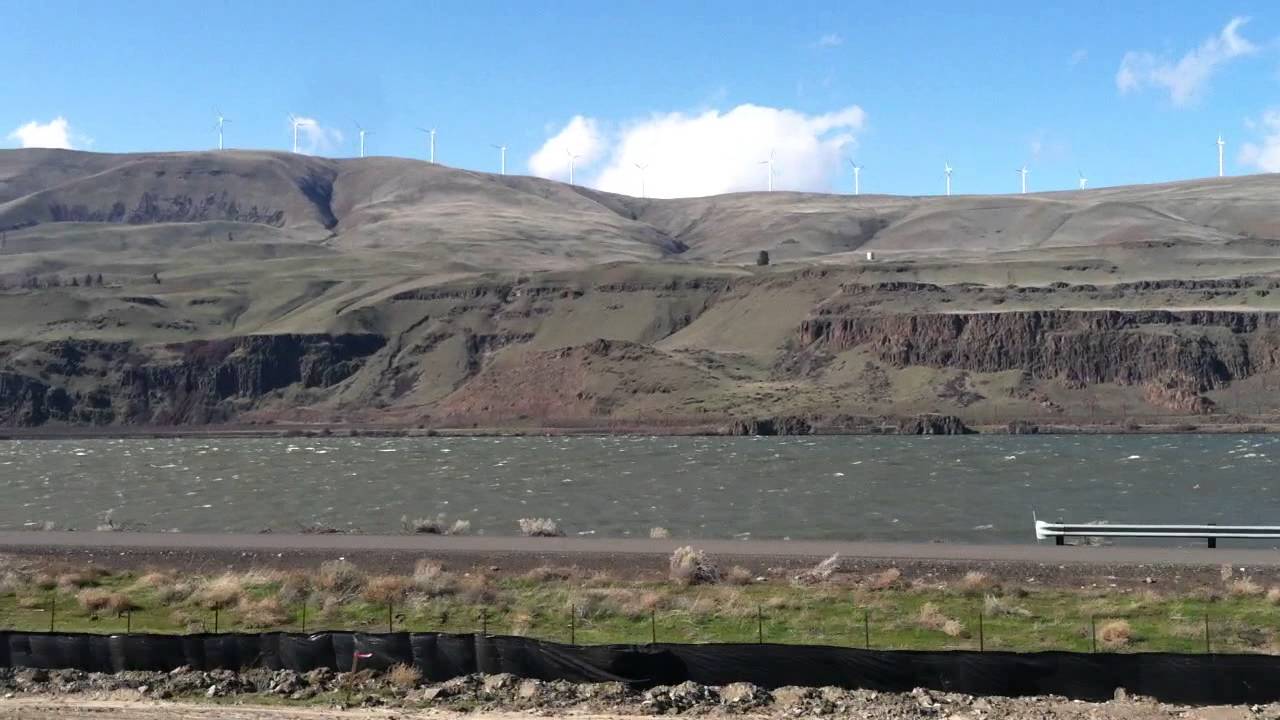
This type of renewable energy converts the power of the wind to electricity.
a)
steam engines
b)
solar power
c)
wind turbines
d)
nuclear power
2.
Fossil fuels are all examples of...
a)
renewable energy
b)
nonrenewable energy
c)
clean energy
d)
solar energy
3.
Energy sources that are not easily replenished are called...
a)
renewable resources
b)
nonrenewable resources
4.
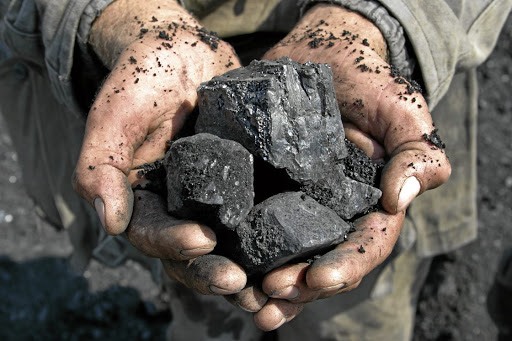
Coal is an example of a fossil fuel because....
a)
it is renewable energy that is mined from the Earth
b)
it is a nonrenewable resource that is replaced easily
c)
it is a nonrenewable resource that is mined from the Earth
d)
it is a clean source of energy
5.
True or False:
The Sun is the source of most energy on Earth.
a)
True
b)
False
6.
Hydroelectric plants perform which type of energy conversion?
a)
Water to Electricity
b)
Electricity to Water
c)
Wind to Electricity
d)
Wind to Chemical
7.
All of the following are nonrenewable resources EXCEPT
a)
Coal
b)
animals
c)
petroleum (oil)
d)
natural gas
8.
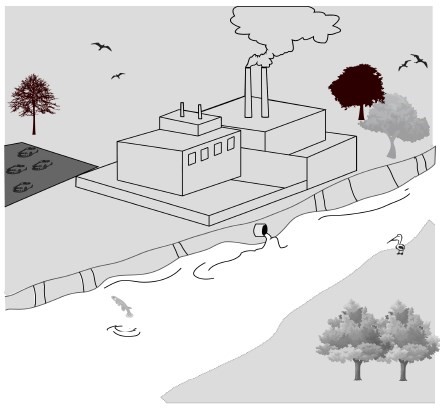
If the factory in this diagram was NOT practicing good environmental conservation, what effect would be produced?
a)
air and water pollution
b)
good fishing for recreation
c)
plentiful animals in the river
d)
purified drinking water
9.
Which of the following natural resources are nonrenewable?
a)
Water
b)
Animals
c)
Natural gas
d)
Wind
10.
What does conserving resources mean?
a)
Use as much of the resources as you can
b)
Only use the resources at school
c)
Protecting the resource so it does not run out
11.
Any useful material that is found in nature:
a)
Natural Resource
b)
Human Resource
c)
Plants
12.
The Jones family cares about the environment. They run their dishwasher only when it is completely full. Which of the following BEST explains why they do this?
a)
To save money
b)
To recycle dish soap
c)
To reduce sewage
d)
To conserve water
13.

How does population growth affect natural resources?

a)

The more people on the planet, the less natural resources that are available for each person.

b)

The less people on the planet, the less natural resources that are available for each person.

c)

The more people on the planet, the more natural resources that are available for each person.

14.

Fossil fuels are nonrenewable because...

a)

they are used to produce heat.

b)

they take a long time to form.

c)

they can be found underground.

15.

The pictures show a forest before and after deforestation, a process where many trees are cut down.

Which of the following best explains why trees are called a renewable resources?

a)

If a tree is cut down, a new tree can be planted in its place.

b)

If a tree is cut down, the animals that depended on the tree will help the tree grow back.

c)

Only humans use trees, so tree populations will never fall below the number that are needed.

d)

Only paper is made from trees, so the tree population will never run out.

16.

Natural resources may be categorized as either _____________ or ________________

a)

renewable or nonrenewable

b)

living or non-living

c)

dead or alive

d)

available or nonavailable

17.

The protection and wise use of resources is called

a)

smelting

b)

leaching

c)

refining

d)

conservation

e)

stewardship

18.
Natural Gas is a __________ energy resource.
a)
Renewable
b)
Nonrenewable
19.

Energy from the sun is known as.........

a)

hydroelectric energy

b)

geothermal energy

c)

solar energy

d)

wind energy

20.

Takes millions of years to form.

a)

hydroelectric

b)

renewable

c)

solar

d)

fossil fuels

21.

Oil, cotton, and beef(cows) are all natural resources.

a)

True

b)

False

22.
Which of the following is NOT a way to conserve air?
a)
Plant a tree.
b)
Ride a bike instead of a car.
c)
Reduce, reuse, and recycle.
d)
Drive around for fun.
23.
Energy can be classified into..
a)
Renewable and non renewable
b)
Natural and non renewable
c)
Renewable and Natural
d)
All of them
24.
What could happen if people threw their trash into a stream?
a)
The animals would live longer
b)
Animals would drink all of the water
c)
The environment would not be affected
d)
Animals would not have clean water to drink
25.

Coal comes from...

a)

from animals that died millions of years ago.

b)

from plants that died millions of years ago.

c)

A factory

d)

Burning fossil fuels

26.

We can get energy from coal by...

a)

Breaking it down

b)

Digging it up

c)

Burning it

d)

Rubbing it together

27.

_________ comes from tiny animals that died in the ocean millions of years ago.

a)

Natural gas

b)

Oil

c)

Gasoline

d)

Coal

28.

Some renewable and non-renewable resources can hurt the environment. Which statement is true?

a)

Burning wood can pollute our atmosphere

b)

Burning coal releases gases and smoke into the atmosphere.

c)

Oil spills in the ocean can affect ships.

d)

Wind energy can cause harm to plants.

29.

True or false: Nonrenewable resources can be used over and over.

a)

True

b)

False

30.
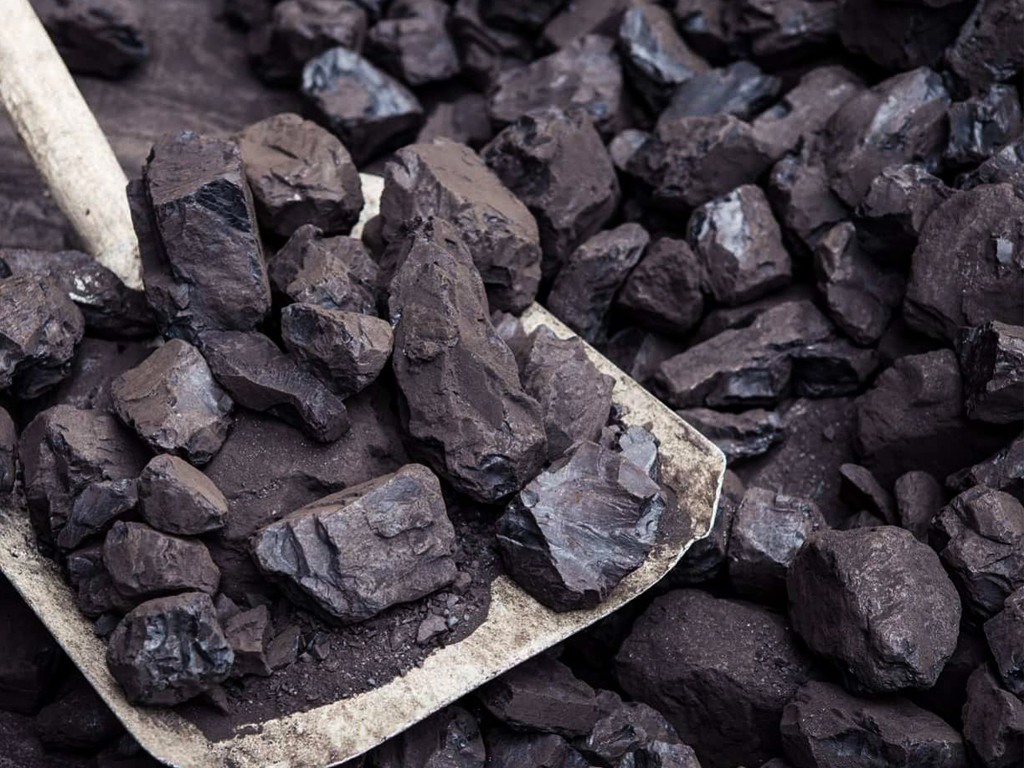
Which type of fuel is a solid?
a)
oil
b)
coal
c)
natural gas
d)
solar
31.

Natural resources form in nature. Which of the following is NOT a natural resource?

a)

oil

b)

coal

c)

plastic

d)

water

32.

What are the advantages of fossil fuels?
4 lines
33.
Hyrdo Power is a __________ energy resource.
a)
Renewable
b)
Nonrenewable
34.
Solar Power is a __________ energy resource.
a)
Renewable
b)
Nonrenewable
35.
Nuclear Power is a __________ energy resource.
a)
Renewable
b)
Nonrenewable
36.
Natural Gas is a __________ energy resource.
a)
Renewable
b)
Nonrenewable
37.
__________is the energy generated from the sun by using solar panels.
a)
Wind
b)
Hydro
c)
Nuclear
d)
Solar
38.
What is a disadvantage of Fossil Fuels?
a)
Scientists guess that it will run out in the next 50 years
b)
There are no disadvantages
c)
It does not pollute the earth
39.
Define Biomass energy:
a)
Energy created by burning plant and animal wastes
b)
Energy created by tides and dams
c)
 Uses “farms”
40.

One advantage of solar and wind power over fossil fuels is that

a)

wind and solar are presently much less expensive than fossil fuels.

b)

wind and solar come from natural processes and fossil fuels do not.

c)

wind and solar are nonrenewable resources and fossil fuel are renewable.

d)

wind and solar are continuously renewable and fossil fuels take millions of years to be formed.

41.

What is one ADVANTAGE of using renewable resources?

a)

They will never run out.

b)

They are more expensive.

c)

They are bad for the environment.

42.
oil
a)
renewable
b)
nonrenewable
43.
soil
a)
renewable
b)
nonrenewable
44.
wind
a)
renewable
b)
nonrenewable
45.
plants
a)
renewable
b)
nonrenewable
46.
coal
a)
renewable
b)
nonrenewable
47.

Trees are renewable resources.

a)

True

b)

False

48.

Coal is a renewable resource.

a)

True

b)

False

49.

Wind is a renewable resource.

a)

True

b)

False

50.

Oil is a renewable resource.

a)

True

b)

False

51.

Rocks are renewable resources.

a)

True

b)

False

52.

Water is a renewable resource.

a)

True

b)

False

53.

The sun is a renewable resource.

a)

True

b)

False

54.

Which is NOT true about renewable resources

a)

There is an never-ending supply of renewable resources.

b)

All renewable resources can be used to keep the earth cleaner.

c)

Using renewable resources can keep the environment more healthy.

d)

All renewable resources are bad for the environment.

55.

What source of energy can make a pinwheel spin?

a)

wind

b)

water

c)

heat

d)

light

56.

__________ is an energy resource that WILL NOT run out in the next several hundred years.

a)

Renewable Energy Resource

b)

Non-Renewable Energy Resource

57.

__________ is an energy resource that WILL run out in the next several hundred years.

a)

Renewable Energy Resource

b)

Non-renewable Energy Resource

58.

What are the 3 fossil fuels?

a)

coal, oil, uranium

b)

coal, hydroelectric, oil

c)

natural gas, oil, coal

59.
Why are fossil fuels considered nonrenewable resources if they are still forming beneath the surface today?
a)
They are being formed as a type of methane which we cannot use.
b)
They are being formed too far beneath the surface.
c)
The fossil fuels are being broken down by a natural process.
d)
We are depleting the fossil fuels much faster than they can form.
60.

What cause air pollution ?

a)

Factories produce too much waste water and oil.

b)

Factories produce too much smoke.

61.

What cause land pollution?

a)

People throw too much rubbish in the sea.

b)

People throw too much rubbish everywhere.

c)

People reduce making rubbish.

d)

People reuse things.

62.

What cause noise pollution?

a)

People take public transport.

b)

People turn down TV.

c)

The traffic makes too much noise.

d)

The traffic makes too many fumes.

63.

What cause water pollution?

a)

People dump things in the countryside.

b)

Factories produce too much waste water and oil.

c)

Factories produce good products.

d)

Factories produce too much smoke.

64.
Formed by heat and pressure
a)
Sedimentary
b)
Metamorphic
c)
Extrusive Igneous
d)
Intrusive Igneous
65.
Formed by cooling & solidification of lava
a)
Sedimentary
b)
Metamorphic
c)
Extrusive Igneous
d)
Intrusive Igneous
66.
Formed by cooling & solidification of magma
a)
Sedimentary
b)
Metamorphic
c)
Extrusive Igneous
d)
Intrusive Igneous
67.
Formed by weathering & erosion
a)
magma
b)
sediments
c)
sedimentary rock
d)
intrusive igneous
68.
Which of the following are associated with volcanoes?
a)
Sediments and soil
b)
Crystals and sand
c)
Magma and lava
d)
Mica and granite
69.
This rock was another type of rock that was heated and compressed over time. What type of rock is this?
a)
Sedimentary
b)
Igneous
c)
Metamorphic
70.

This rock started as molten magma but transformed after a volcano erupted. What type of rock is this?

a)

Sedimentary

b)

Igneous

c)

Metamorphic

71.
This rock was formed by smaller pieces of rock that settled at the bottom of a lake millions of years ago. What type of rock is this?
a)
Sedimentary
b)
Igneous
c)
Metamorphic
72.
The process when rocks break into smaller pieces due to exposure to natural elements is called
a)
erosion
b)
weathering
c)
sediments
73.
What are the 3 major types of rocks?
a)
Igneous, Metamorphic, Sedimentary
b)
Metamorphic, Igneous, Cementation
c)
magma, lava, crystals
74.
The process by which metamorphic rocks are formed...
a)
heat and pressure
b)
erosion and deposition
c)
melting and cooling
75.

What do we call the material that comes from rocks that have been broken down into smaller pieces. This usually results from weathering.

a)

texture

b)

weathering

c)

sediment

d)

erosion

76.

What causes igneous rocks to form

a)

animal and plant remains aka fossils

b)

cooling magma, lava, and pressure

c)

compaction of sediment

d)

cementation or hardening of minerals

e)

sediment

77.

Geologists are scientists that study _______.

a)

rocks

b)

lakes

c)

rivers

d)

animals

78.
When sediments are pressed together tightly, this is called ____________.
a)
Compaction
b)
Cementation
c)
Weathering
d)
Erosion
79.
True or False: Once a rock is sedimentary, it cannot become an igneous rock.
a)
True
b)
False
80.
During the rock cycle, what forms when the magma cools?
a)
igneous rocks
b)
sedimentary rock
c)
metamorphic rock
d)
foliated rock
81.
Sedimentary rocks may contain fossils.
a)
True
b)
False
82.
Which of the following is not a rock
a)
Pumice
b)
Lava
c)
Halite
d)
Sandstone
83.
The three groups of rocks are classified by
a)
How they form
b)
Color
c)
Grain size
d)
Chemical Composition
84.

Magma is molten rock, a material under the earths surface.

a)

True

b)

False

85.

By what process are sediments moved?

a)

Erosion

b)

Deposition

c)

Weathering

86.

All except one are examples of erosion. Which one is NOT an example of erosion?

a)

Wind

b)

Water

c)

Ice

d)

Photosynthesis

87.

A rock never stops changing.

a)

True

b)

False

88.

Which one does not occur within the rock cycle?

a)

Melting

b)

Heat and pressure

c)

Gravity

d)

Weathering

89.

Soil comes from dirt which comes from ___________.

a)

Jupiter

b)

broken down rocks

c)

plants that manufacture it

d)

Lowe's Home Improvement

90.

8. Rocks are always changing, and are part of something we call the ________.

a)

mother earth

b)

planetary equilibrium

c)

rock cycle

d)

food chain

91.

How long as the rock cycle been going on?

a)

centuries

b)

millions of years

c)

thousands of years

d)

decades

92.

_________ is the hardest substance known to man.

a)

carbon

b)

diamond

c)

mercury

d)

iron

93.

This rock started as molten magma but transformed after a volcano erupted. What type of rock is this?

a)

Sedimentary

b)

Igneous

c)

Metamorphic

94.
This rock was formed by smaller pieces of rock that settled at the bottom of a lake millions of years ago. What type of rock is this?
a)
Sedimentary
b)
Igneous
c)
Metamorphic
95.
What are the 3 major types of rocks?
a)
Igneous, Metamorphic, Sedimentary
b)
Metamorphic, Igneous, Cementation
c)
magma, lava, crystals