
 Worksheets
Fall Semester Review
Total questions: 77
Worksheet time: 1hrs 17mins
Name
Class
Date
1.
The type of plate boundary where two plates come together is a .....
a)
Convergent Boundary
b)
Divergent Boundary
c)
Transform Boundary
d)
Plate Boundary
2.
Which of the following causes Earth's tectonic plates to move?
a)
Energy from the Sun
b)
Magnetic Pole Reversal
c)
Convection currents in the mantle
d)
Faults in Mountain Ranges
3.

What type of event will occur at this boundary?
a)
Earthquake
b)
Volcano Eruption
c)
Tornado
d)
Mountain Building
4.
A divergent boundary occurs when plates ....
a)
Pull apart
b)
Come together
c)
Slide past each other
d)
subducting
5.
Which of the following is NOT evidence to support the theory of plate tectonics?
a)
Fossils
b)
Mountains
c)
Glaciers
d)
Sand Erosion
6.
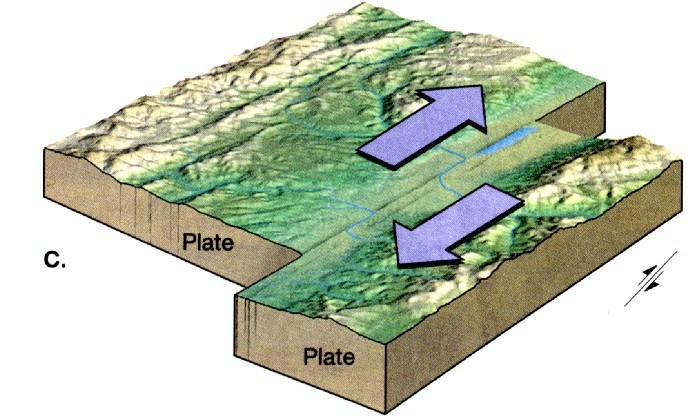
What type of plate boundary is this?
a)
Transform
b)
Convergent
c)
Divergent
d)
Plate
7.
Islands can from from magma which is pushed up at a __________ plate boundary
a)
Divergent
b)
Convergent
c)
Transform
8.
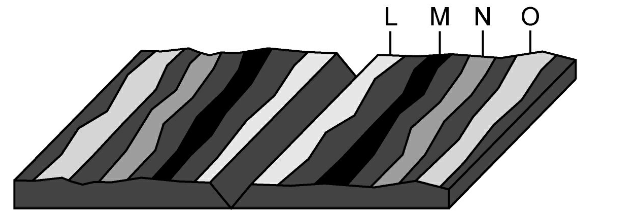
Where would the oldest rock be found?
a)
L
b)
M
c)
N
d)
O
9.
In chemical reactions, what does the principle of conservation of mass mean?
a)
Matter is not created or destroyed.
b)
The total mass of the reactants is greater than the total mass of the products.
c)
The total mass of the reactants is less than the total mass of the products.
d)
Matter is not changed.
10.
How many Oxygen (O) atoms are in 2C2HO8Cl2
a)
2
b)
16
c)
8
d)
5
11.
How many Hydrogen (H) atoms are in NH3O5
a)
3
b)
4
c)
5
d)
1
12.
How many elements are in C6H12O6?
a)
1
b)
2
c)
3
d)
4
13.

In this image, what are the symbols in red are called the_______.
a)
Products
b)
Reactants
c)
Subscripts
d)
Coefficients
14.
Balance this equation...
H2 + Cl2 --> HCl
H2 + Cl2 --> HCl
a)
It is balanced
b)
3H2 + Cl2 --> 6H2Cl
c)
H2 + Cl2 --> 2HCl
15.
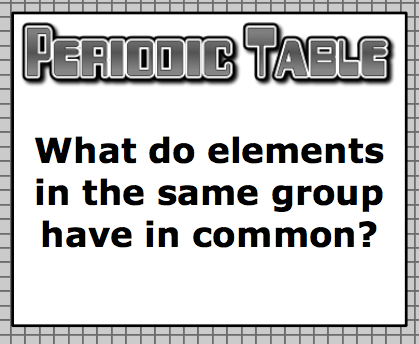
a)
energy levels
b)
valence electrons
c)
protons
d)
neutrons
16.
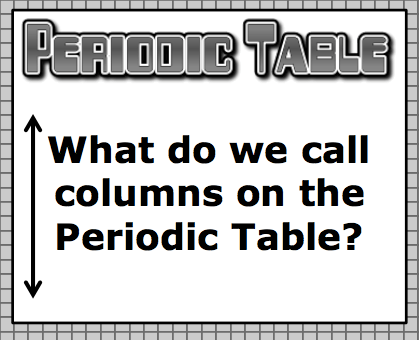
a)
Periods
b)
Groups
17.
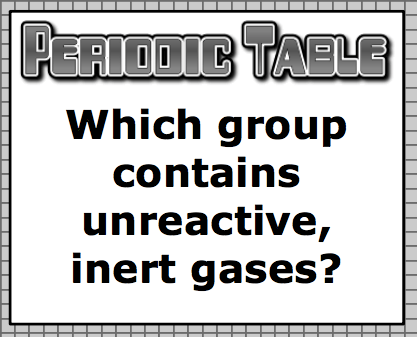
a)
Group 1
b)
Group 17
c)
Group 2
d)
Group 18
18.
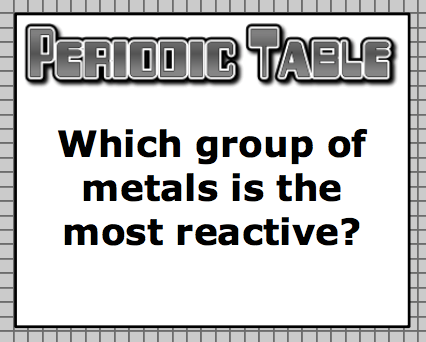
a)
Group 1
b)
Group 17
c)
Group 18
d)
Group 2
19.
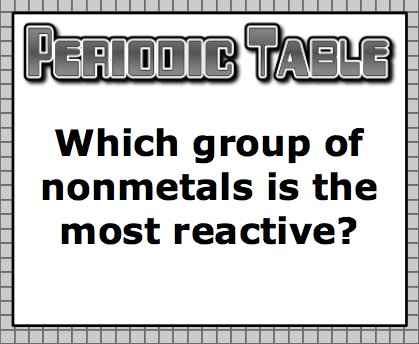
a)
Group 1
b)
Group 17
c)
Group 18
d)
Group 2
20.
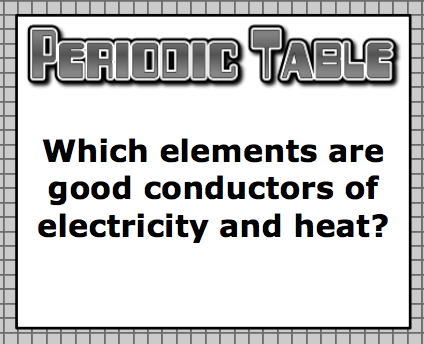
a)
Metals
b)
Nonmetals
c)
Metalloids
21.
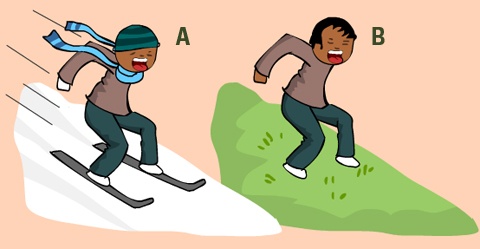
Why is it harder for the boy in Image B to get down the hill?
a)
Motion
b)
Friction
c)
Work
d)
Displacement
22.
Which force produces a change in motion?
a)
unbalanced force
b)
balanced force
c)
gravitational force
d)
frictional force
23.
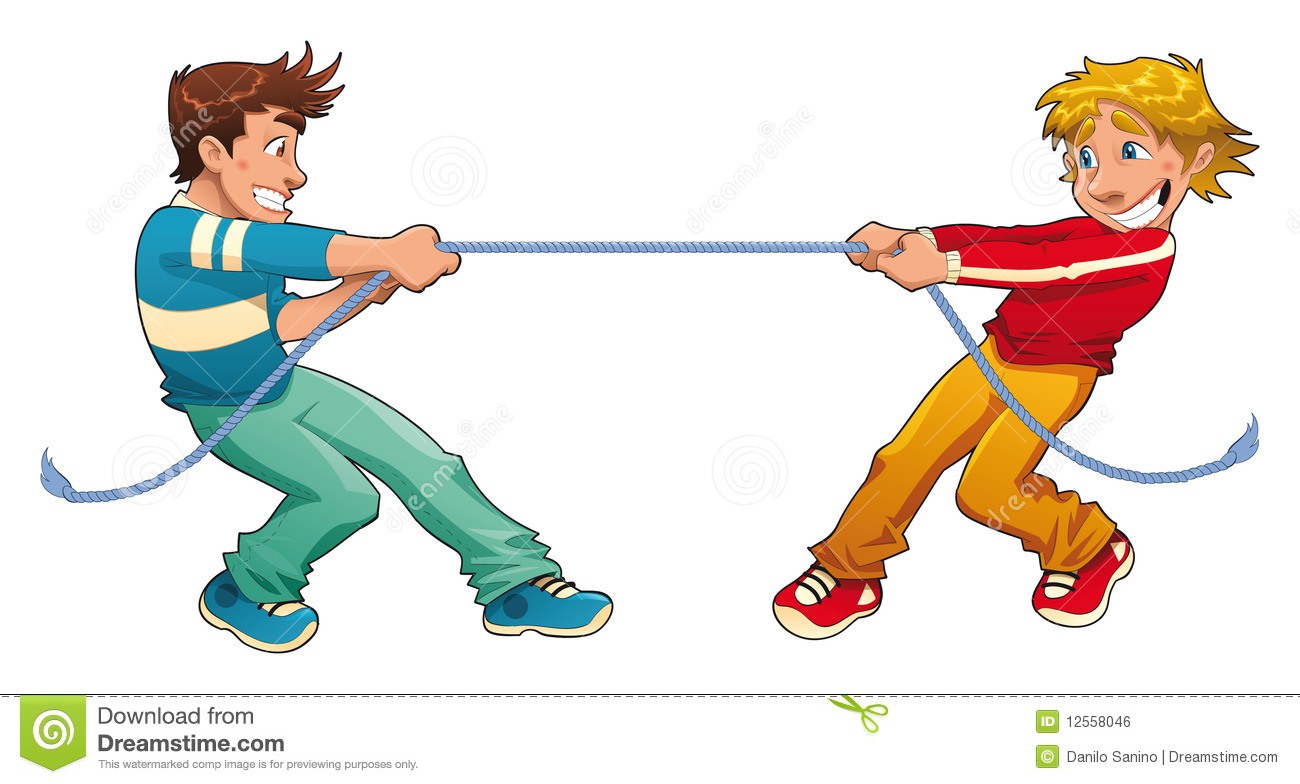
If these boys are pulling with the same amount of force. What will happen?
a)
The boy in blue will win.
b)
They will not move at all.
c)
The boy in red will win.
d)
Both will fall down.
24.
_______________ is how fast an object changes over time.
a)
speed
b)
velocity
c)
momentum
d)
acceleration
25.
What is the formula for force?
a)
F=M/A
b)
F=A/M
c)
F=M*A
d)
F=M*F
26.
When you tell the direction and speed of an object, you give its
a)
motion
b)
velocity
c)
acceleration
d)
mass
27.
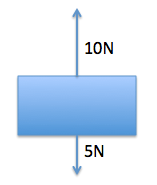
What is the net force on the block? (click on the words to view the picture)
a)
5 Newtons up
b)
5 Newtons down
c)
15 Newtons up
d)
15 Newtons down
28.
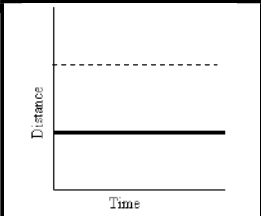
What does this graph represent?
a)
Constant speed
b)
Acceleration
c)
Not moving
29.
If a 10 kilogram object accelerates suddenly at 15 m/s2, how much force was applied to the object?
a)
150 Newtons
b)
15 Newtons
c)
150 kilograms
d)
100 kilograms
30.
If a 10 kilogram object accelerates suddenly at 15 m/s2, how much force was applied to the object?
a)
150 Newtons
b)
15 Newtons
c)
150 kilograms
d)
100 kilograms
31.
Which of the following objects has the least acceleration?
a)
a. an empty shopping cart pushed with a hard force
b)
b. a full shopping cart pushed with a hard force
c)
c. an empty shopping cart pushed with a light force
d)
d. a full shopping cart pushed with a light
force
32.
Speed is equal to
a)
Distance/Time
b)
Time/Distance
c)
Time x Distance
d)
Acceleration
33.

During which interval is the object speeding up?
a)
A to B
b)
B to C
c)
D to E
d)
E to F
34.

What is this graph showing?
a)
Constant Speed
b)
Acceleration (speeding up)
c)
Deceleration (slowing down)
d)
No motion
35.
What is Newton's First Law
a)
F=ma
b)
Every action has an equal and opposite reaction
c)
An object at rest stays at rest, an object in motion stays in motion.
d)
Friction
36.
Which law explains why when you put a book on a table the table pushes on the book
a)
3rd law
b)
4th law
c)
1st law
d)
2nd law
37.
Acceleration is caused by a force acting on a mass.
a)
Newton’s first law of motion
b)
Newton’s second law of motion
c)
Newton’s third law of motion
38.

What element is this?
a)
Helium
b)
Hydrogen
c)
Argon
d)
Silver
39.

What is the elevation of point B?
a)
800 ft
b)
850 ft
c)
900 ft
d)
1000 ft
40.

In which direction is Mill River flowing?
a)
Southeast
b)
Southwest
c)
Northeast
d)
Northwest
41.

What is the elevation of Y?
a)
Between 120-140 meters
b)
Between 100-120 meters
c)
Between 140-160 meters
d)
Between 80-100 meters
42.
What do contour lines that are farther apart represent?
a)
waterfall
b)
steep area
c)
gentle slope
d)
river
43.

What is the difference in elevation between Point X and Point Y?
a)
120 m
b)
240 m
c)
360 m
d)
340 m
44.
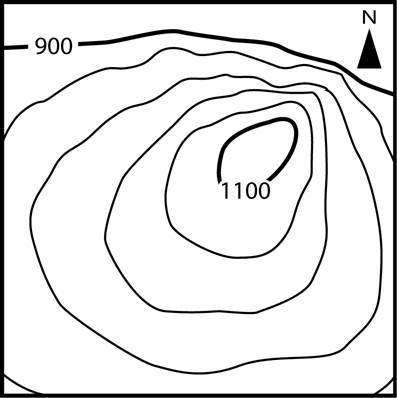
Provided is a topographic map of a hill with contour lines drawn showing elevation in meters.
The steepest slope on this hill can be found on the side that is facing which direction?
The steepest slope on this hill can be found on the side that is facing which direction?
a)
Southwest
b)
Northeast
c)
Northwest
d)
Southeast
45.
The shape of the land is shown by connecting points of the same elevation to form a ____________.
a)
relief line
b)
slope
c)
valley
d)
contour line
46.
Contour lines that are very close together indicate the land is _______________
a)
gentle/gradual
b)
a forest
c)
steep
d)
a swamp
47.
Contour lines that are very far apart indicate the landscape is _____________
a)
gentle/gradual
b)
steep
c)
a forest
d)
a swamp
48.

What could be the lowest elevation in the depression?
a)
50 feet
b)
41 feet
c)
60 feet
d)
51 feet
49.

Determine the contour interval:
a)
5 m
b)
10 m
c)
15 m
d)
20 m
50.

Determine the contour interval:
a)
5 m
b)
10 m
c)
15 m
d)
20 m
51.

What do close contour lines represent on a map?
a)
waterfall
b)
steep area
c)
gradual area
d)
river
52.

Which direction is the river flowing?
a)
north
b)
south
c)
east
d)
west
53.

What could be the elevation of the mountain top?
a)
860 km
b)
840 km
c)
841 - 859 km
d)
861 - 869 km
54.

Match 1
a)
A
b)
B
c)
C
d)
D
55.

Match 2
a)
B
b)
C
c)
D
d)
E
56.

Match 4
a)
C
b)
D
c)
E
d)
F
57.

Find the contour interval:
a)
5 ft
b)
10 ft
c)
20 ft
d)
25 ft
58.

Determine the contour interval
a)
10 m
b)
20 m
c)
50 m
d)
100 m
59.

How many protons are in Beryllium?
a)
4
b)
9
c)
5
d)
2
60.
Why is water NOT on the periodic table?
a)
It is naturally occuring
b)
It is a compound, not an element
c)
It exists as a solid, a liquid, and a gas
d)
Its chemical formula doesn't fit
61.
_______ are the ROWS on the periodic table.
a)
Families
b)
Groups
c)
Periods
d)
Elements
62.
What does the atomic mass tell you?
a)
Basically,the number of electrons and protons
b)
The number of neutrons
c)
Basically, the number of protons and neutrons
d)
The number of protons.
63.
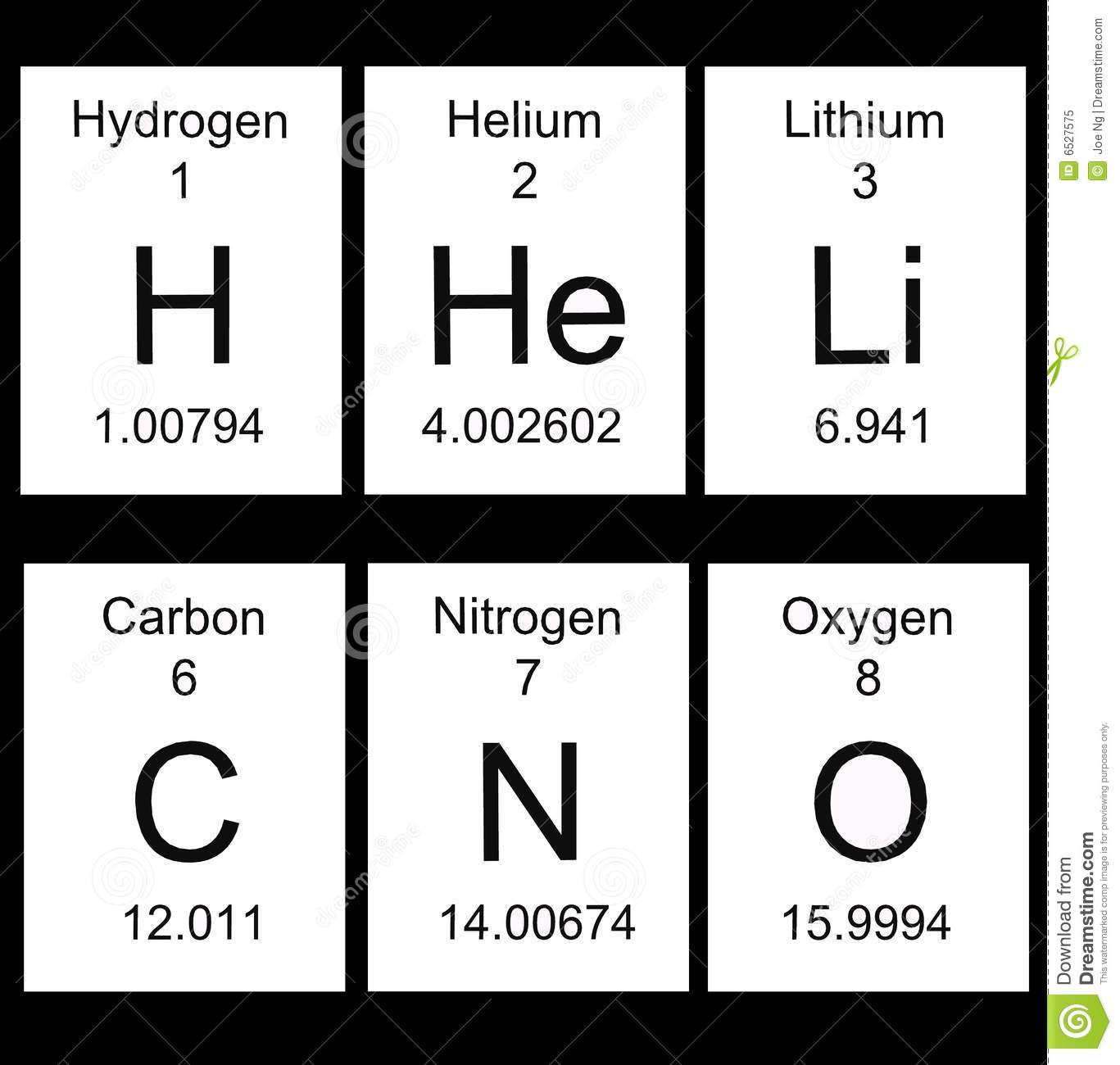
What is the chemical symbol for Lithium?
a)
H
b)
He
c)
Li
d)
N
64.
Choose the answer which contains ONLY elements.
a)
carbon dioxide, carbon, boron
b)
water, calcium, bromine
c)
hydrogen, carbon dioxide, paper
d)
gold, silver, iron
65.
The chemical formula for table sugar (sucrose) is C12H22O11. Name all the elements found in this compound.
a)
Oxygen, carbon, hydrogen
b)
Calcium, helium, iodine
c)
Oxygen, calcium, hydrogen
d)
Helium, carbon, oxygen
66.

What element is represented in this Bohr Model?
a)
Carbon
b)
Hydrogen
c)
Aluminum
d)
Lithium
67.

Which subatomic particle has no electric charge?
a)
the proton
b)
the neutron
c)
the electron
d)
the photon
68.
How many electrons can the second electron shell hold?
a)
2
b)
8
c)
16
d)
18
69.
Where are valence electrons found in an atom?
a)
first electron shell
b)
second electron shell
c)
third electron shell
d)
outermost electron shell for most atoms
70.

How many valence electrons does this atom have?
a)
2
b)
4
c)
6
d)
8
71.
Which subatomic particles are found in nucleus?
a)
Proton and electron
b)
Proton and neutron
c)
neutron and electron
d)
neutron, electron and proton
72.

Which is an electron?
a)
A
b)
B
c)
C
73.
The Great Rift Valley in Africa and the Mid-Ocean Ridge were all created by this type of boundary
a)
Divergent
b)
Convergent
c)
Reform
d)
Transform
74.
When an oceanic plate and a continental plate collide, which one will subduct?
a)
oceanic
b)
continental
c)
neither
75.
Which of the following is NOT a tectonic boundary?
a)
Convergent
b)
Divergent
c)
Sedergent
d)
Transform
76.
This landform can occur at a divergent plate boundary.
a)
ocean trench
b)
mid-ocean ridge
c)
tall mountains
d)
transform fault
77.
Which famous boundary is a divergent boundary?
a)
Himalayan Mts
b)
Andes Mts
c)
Mid- Atlantic Ridge
d)
San andres Fault
100 %

