wayground logo

Free Printable Worksheets

NEW

Font size

S
M
L
XL
Worksheets

Chemistry Review

Total questions: 76

Worksheet time: 55mins

Name
Class
Date
1.
What is the atomic number?
a)
the number of protons
b)
the number of protons and neutrons
c)
the number of neutrons
d)
the number of protons and electrons
2.

What is the atomic mass?

a)

the number of protons

b)

the number of protons and neutrons

c)

the number of neutrons

d)

the number of protons and electrons

3.
What is the atomic number of this nucleus?
a)
1
b)
3
c)
4
d)
7
4.

What is the atomic mass of this nucleus?

a)

1

b)

3

c)

4

d)

7

5.
CALCIUM
a)
C
b)
Ca
c)
Cu
d)
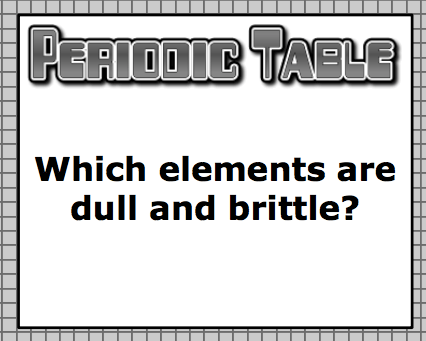
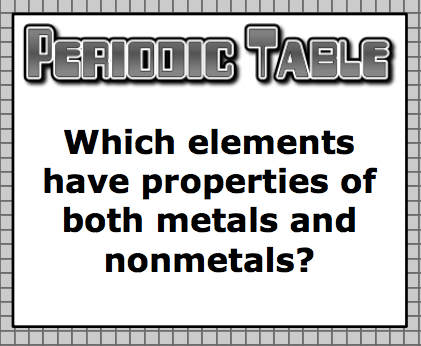
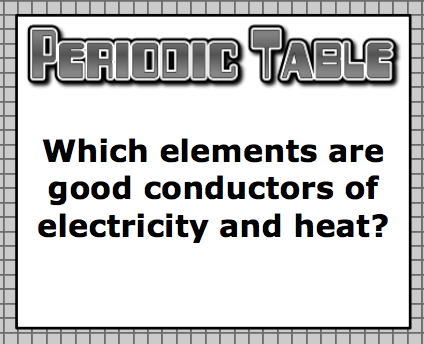
Cl
6.
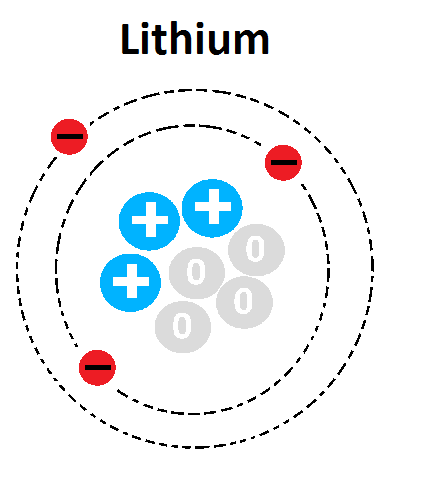
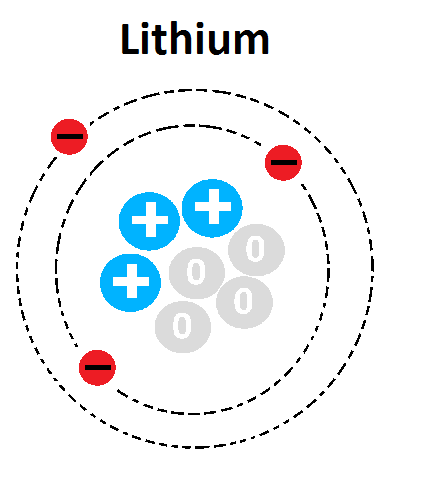
What is the atomic number of this atom?
a)
1
b)
3
c)
4
d)
7
7.

What is the atomic mass of this atom?

a)

1

b)

3

c)

4

d)

7

8.
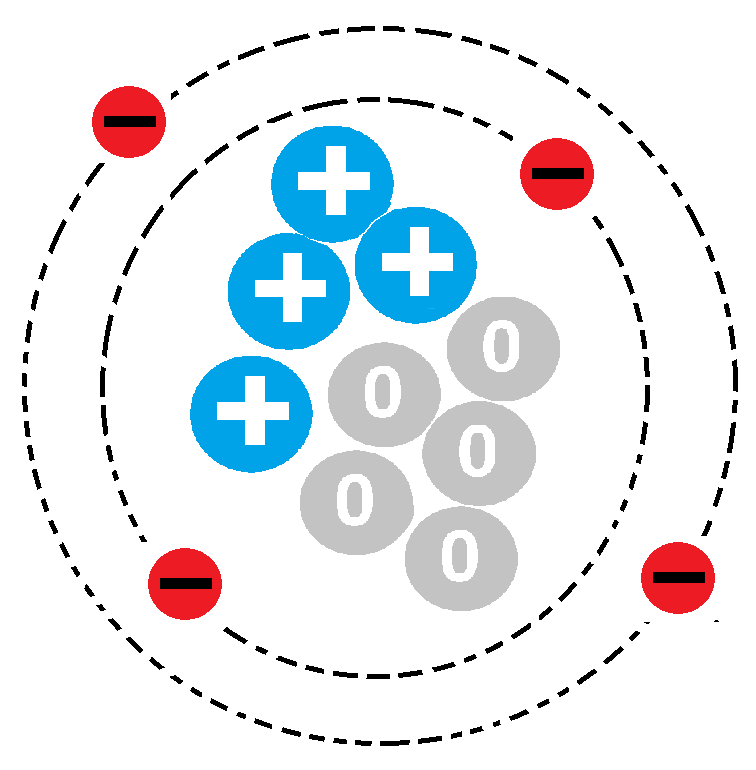
What is the atomic number of this atom?
a)
4
b)
5
c)
9
d)
none of the above
9.

What is the atomic mass of this atom?

a)

4

b)

5

c)

9

d)

none of the above

10.

What is the atomic mass of this atom?

a)

9

b)

10

c)

19

d)

27

11.
FLUORINE
a)
F
b)
Fl
c)
Fu
d)
Fe
12.
What is the atomic number of this atom?
a)
2
b)
4
c)
6
d)
none of the above
13.
What is the atomic number of this atom?
a)
9
b)
10
c)
19
d)
27
14.
ALUMINUM
a)
Al
b)
Au
c)
Ag
d)
Am
15.
What is the atomic number of this atom?
a)
7
b)
14
c)
21
d)
none of the above
16.
NICKEL
a)
N
b)
Ni
c)
Nc
d)
Nl
17.

What is the atomic mass of this atom?

a)

7

b)

14

c)

21

d)

none of the above

18.
What is the atomic number of this atom?
a)
8
b)
16
c)
24
d)
none of the above
19.

What is the atomic mass of this atom?

a)

8

b)

16

c)

24

d)

none of the above

20.
CARBON
a)
C
b)
Ca
c)
Cl
d)
Cu
21.
COPPER
a)
C
b)
Ca
c)
Cu
d)
Cl
22.
SILVER
a)
Au
b)
Ag
c)
Al
d)
Ar
23.
SULFUR
a)
Su
b)
S
c)
Sf
d)
Si
24.
SILICON
a)
S
b)
Si
c)
Su
d)
Sc
25.
SODIUM
a)
S
b)
So
c)
N
d)
Na
26.
HELIUM
a)
H
b)
He
c)
Hl
d)
Hm
27.
HYDROGEN
a)
H
b)
He
c)
Hy
d)
Hd
28.
IRON
a)
I
b)
Ir
c)
F
d)
Fe
29.
ZINC
a)
Zn
b)
Z
c)
Zi
d)
Zc
30.
BORON
a)
B
b)
Be
c)
Bo
d)
Br
31.
NEON
a)
N
b)
Ne
c)
No
d)
Nn
32.
NITROGEN
a)
N
b)
Ne
c)
Ni
d)
Nt
33.
OXYGEN
a)
O
b)
Ox
c)
Oy
d)
Og
34.
POTASSIUM
a)
P
b)
Ka
c)
K
d)
Pt
35.
MAGNESIUM
a)
M
b)
Mg
c)
Ma
d)
Mn
36.
PHOSPHOROUS
a)
P
b)
Ph
c)
K
d)
Ps
37.
LITHIUM
a)
L
b)
Li
c)
Lt
d)
Lh
38.
GOLD
a)
Al
b)
Ag
c)
Ar
d)
Au
39.
CHLORINE
a)
C
b)
Ca
c)
Cl
d)
Cu
40.

The element that occurs in highest percentage in the Earth's crust is

a)

Calcium

b)

Oxygen

c)

Iron

d)

Potassium

41.
Elements are represented by chemical symbol.  Symbols are written with
a)
all lower case letters
b)
all capital letters
c)
always only one  letter
d)
At least and ONLY one capital letter
42.
The two most common elements found in the oceans are.  Remember oceans are made up of water.
a)
Sodium and Nitrogen
b)
Oxygen and Aluminum
c)
Iron and Carbon
d)
Oxygen and Hydrogen
43.

Sodium is one of the elements in the compound table salt. The chemical formula for table salt is

a)

Na

b)

S

c)

NaCl

d)

NaS

44.

Two or more substances physically combined:

a)

a mixture

b)

a molecule

c)

an atom

d)

a compound

45.
A substance that contains only one type of atom is a(n)
a)
compound
b)
element
c)
mixture
d)
molecule
46.
The smallest unit of an element that still has the properties of that element is?
a)
a substance
b)
a mixture
c)
a compound
d)
an atom
47.
Which of these is not an example of a molecule?
a)
CH4
b)
C
c)
C6H12O6
d)
H2O
48.
Two or more elements chemically combined:
a)
an atom
b)
a compound
c)
a mixture
d)
a pure substance
49.
a)
2
b)
5
c)
10
d)
15
50.
a)
12
b)
7
c)
8
d)
14
51.
a)
1
b)
2
c)
3
d)
4
52.
a)
6
b)
7
c)
8
d)
9
53.
a)
2
b)
3
c)
4
d)
5
54.
a)
4
b)
6
c)
8
d)
10
55.

What is the atomic number for Lithium?

a)

3

b)

7

c)

3.941

d)

6

56.

What is the atomic mass for Potassium?

a)

19

b)

39

c)

20.098

d)

40

57.

How many protons does Carbon have

a)

12.011

b)

3

c)

6

d)

18.011

58.

How many neutrons does Titanium have?

a)

22

b)

47

c)

48

d)

26

59.

How many electrons does Copper have?

a)

63.546

b)

29

c)

64

d)

35

60.

What is the atomic mass for Oxygen?

a)

8

b)

15

c)

16

d)

24

61.

How many protons does Aluminum have?

a)

13

b)

27

c)

14

d)

26

62.

What is the atomic mass for Gold?

a)

197

b)

196

c)

79

d)

118

63.
The atomic number tells you what?
a)
number of electrons
b)
number of protons
c)
number of neutrons
d)
both electrons and protons in an atom.
64.
a)
Metals
b)
Nonmetals
c)
Metalloids
65.
a)
Metals
b)
Nonmetals
c)
Metalloids
66.
a)
Metals
b)
Nonmetals
c)
Metalloids
67.
a)
Metals
b)
Nonmetals
c)
Metalloids
68.
Most of the elements on the periodic table are classified as _____.
a)
Metals
b)
Nonmetals
c)
Metalloids
d)
Periods
69.
A proton is....
a)
A negatively charged subatomic particle
b)
A positively charged subatomic particle
c)
A neutrally charged subatomic particle
d)
The only subatomic particle located in the nucleus
70.

Earth's atmosphere is mostly made up of which element?

a)

Oxygen

b)

Hydrogen

c)

Nitrogen

d)

Neon

71.

Boiling water is an example of:

a)

Physical change

b)

Chemical change

72.

Precipitate is an example of a:

a)

Chemical Change

b)

Physical Change

73.

Frying an egg is an example of:

a)

Physical Change

b)

Chemical Change

74.

What is this an example of?

a)

Element

b)

Compound

c)

Mixture of Elements

d)

Mixture of Compounds

75.

What is this an example of?

a)

Element

b)

Compound

c)

Mixture of Elements

d)

Mixture of Compounds

76.

What is this an example of?

a)

Element

b)

Compound

c)

Mixture of Elements

d)

Mixture of Compounds