
 Worksheets
6th grade Final Exam Review
Total questions: 60
Worksheet time: 59mins
Name
Class
Date
1.

What is the volume of the water?
a)
25 mL
b)
30 mL
c)
33 mL
d)
35 mL
2.

What is the volume of the screw?
a)
10 mL
b)
13 mL
c)
16 mL
d)
3 mL
3.
This variable in an experiment is the one being deliberately changed by the scientist.
a)
dependent variable
b)
independent variable
c)
data
d)
control group
4.
In a controlled experiment, how many variables can be worked with at a time?
a)
one
b)
none
c)
two or more
d)
how ever many makes sense.
5.
The part of the experiment that remains the same for the control and experimental group.
a)
constants
b)
control
c)
independent
d)
dependent
6.
Mr. S. sets up an experiment to see how the mass of a ball affects the distance it rolls off a ramp. Identify the independent variable.
a)
distance traveled by the ball
b)
height of the ramp
c)
mass of the ball
d)
weight of the ball
7.
A student is planning an experiment to find out how the height from which he drops a ball affects how high the ball bounces. The dependent variable is the _____.
a)
Diameter of the ball
b)
Force acting on the ball
c)
Height that the ball bounces
d)
Height from which the ball is dropped
8.
When experimenting with the growth of a plant, a scientist uses three (of the same type of) plants, two different fertilizers, equal light, and equal water. What type of variable is the fertilizer?
a)
Dependent
b)
Independent
c)
Control
d)
Compound
9.
A student is planning an experiment to find out how the height from which he drops a ball affects how high the ball bounces. The dependent variable is the _____.
a)
Diameter of the ball
b)
Force acting on the ball
c)
Height that the ball bounces
d)
Height from which the ball is dropped
10.
Rain washing away soil from a hillside
a)
Weathering
b)
Erosion
c)
Deposition
11.
Caves being formed by acid rain dissolving underground limestone
a)
Weathering
b)
Erosion
c)
Deposition
12.
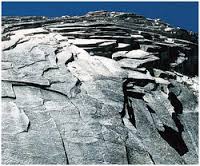
What is mechanical weathering?
a)
Process through which rocks are physically broken into smaller pieces.
b)
Rocks are broken down through chemical changes.
c)
Rocks are worn away from acid in plant roots.
d)
Rocks broken down by machinery.
13.
In which type of climate would weathering happen the fastest to a rock?
a)
wet and warm
b)
dry and cold
c)
wet and cold
d)
dry and warm
14.
Which factors are the most important for determining the rate of weathering?
a)
Erosion and deposition
b)
Climate and type of rock
c)
Humidity and climate
d)
Humidity and temperature
15.
A metal statue slowly turning green after years of being outside is an example of:
a)
mechanical weathering
b)
chemical weathering
16.
All of the following are causes of physical weathering except...
a)
plant growth
b)
wind
c)
acid rain
d)
running water
17.
Exposure to rain and oxygen causes the metal minerals in rocks to rust and fall apart. This is an example of:
a)
mechanical weathering
b)
chemical weathering
18.
Which is the best action to help protect water resources in Virginia?
a)
Dispose of pet waste in a stream.
b)
Rinse spilled gasoline with a hose.
c)
Organize a river cleanup program.
d)
Put hazardous waste in with house trash.
19.

A renewable resource is one that...
a)
Can be naturally replaced
b)
Cannot be naturally replaced
c)
Can be checked out from a library
d)
Comes from a factory
20.

A cold front is approaching Minneapolis. What will happen to the air temperature?
a)
stay the same
b)
increase
c)
decrease
21.
A __________ is the lines between air masses.
a)
low pressure system
b)
high pressure system
c)
front
22.
Stratus clouds look like
a)
thin, wispy featherlike
b)
puffy and white
c)
layers of blankets low to the Earth
23.
These clouds are puffy white clouds with flat bottoms.
a)
Cirrus
b)
Cumulus
c)
Stratus
24.
____________ air sinks/falls because it is ____________dense.
a)
Cold, More
b)
Warm, Less
c)
Cold, Less
d)
Warm, More
25.
Which instrument measures relative humidity?
a)
Psychrometer
b)
Thermometer
c)
Anemometer
d)
Barometer
26.
You want to see what type of pressure system is present this weekend, what type of map should you look at?
a)
satellite
b)
radar
c)
isobar
d)
isotherm
27.
Lines that connect areas of equal air pressure are called....
a)
Lines
b)
Altitude
c)
Isobars
d)
Fronts
28.
fuels formed from decaying remains of plants and animals that lived millions of years go
a)
conservation
b)
hydroelectric power
c)
nonrenewable resources
d)
fossil fuels
29.
Conservation- the practice of decreasing the use of natural resources in order to save them
a)
True
b)
False
30.
How are fossils created?
a)
Traces of organisms get turned into stone.
b)
Dead organisms are quickly buried for millions of years.
c)
Animals get trapped.
d)
All of the above
31.
What are the 3 main fossil fuels?
a)
Coal, Oil, and Gasoline
b)
Coal, Oil, and Natural Gas
c)
Electricity, Gasoline, Petroleum
d)
Coal, Oil, Non-renewable Resources
32.
Fossil Fuels formed over long periods of time after particles in water settled to the sea floor and formed marine mud. What kinds of particles needed to be present in the marine mud in order for fossil fuels to form.
a)
Mostly sand and a few small bits of wood
b)
Mostly decaying organisms
c)
Mostly lava and a few sedimentary rocks
d)
Mostly metal minerals
33.
Fossil fuels are classified as nonrenewable because they.......
a)
require expensive equipment
b)
take millions of years to replace
c)
can be found all over
d)
provide all the energy we use
34.
What is the primary source of energy for the Earth?
a)
Coal
b)
Wind power
c)
Natural gas
d)
The sun
35.
What is the process called in which gasses in Earth's atmosphere trap heat and send it back down to Earth's surface making it 60 F warmer than it would be?
a)
El nino
b)
Greenhouse effect
c)
Reconvectionation
d)
Global warming
36.
Which of the following is a human impact that contributes to global warming?
a)
Change of the Earth's seasons
b)
El nino
c)
Burning fossil fuels
d)
volcanic eruptions
37.
Heat from the sun travels to Earth by _____.
a)
conduction
b)
convection
c)
insulation
d)
radiation
38.
Land heats up and cools down faster than water.
a)
True
b)
False
39.
The moon seems to change shape from day to day in a cycle that lasts about a month as it goes through _.
a)
revolutions
b)
phases
c)
rotations
d)
eclipses
40.
One complete revolution of the Earth around the sun takes about
a)
one rotation
b)
half a year
c)
one year
d)
one season
41.
The Earth takes about __________________ hours to complete one rotation of its axis.
a)
12
b)
24
c)
14
d)
28
42.
The spinning of an object on its axis is called______
a)
orbit
b)
rotation
c)
revolution
d)
tide
43.
Day and night is caused by the _____________ of earth on its axis.
a)
revolution
b)
orbit
c)
rotation
44.
As the Earth travels around the sun, this tilt causes different areas of the Earth’s surface to get different amounts of daylight at different times of the year. The angle of the Sun’s rays to the surface also causes areas to have more or less of the Sun’s energy. This causes the ________.
a)
months
b)
day and night
c)
seasons
d)
years
45.
People get energy from the food that they eat and transform that energy as they move. Which energy transformations occur as a student rapidly rubs the palms of his hands together?
a)
mechanical to thermal to electrical
b)
chemical to mechanical to thermal
c)
mechanical to chemical to sound
d)
chemical to sound to electrical
46.
Which of the following shows the correct order of the energy transformations that occur when green plants produce their food from the Sun’s energy?
a)
chemical to thermal
b)
light to chemical
c)
thermal to light
d)
chemical to electrical
47.
Where weather occurs.
a)
stratosphere
b)
thermosphere
c)
troposphere
d)
mesosphere
48.
The most common gas in the atmosphere (78%).
a)
Nitrogen
b)
Oxygen
c)
Carbon Dioxide
d)
Trace gases
49.
How does the amount of greenhouse gases in the atmosphere affect the atmosphere's temperature?
a)
If greenhouse gases in the atmosphere increase, they trap more heat and warm the atmosphere.
b)
If greenhouse gases in the atmosphere increase, they trap less heat and the atmosphere cools.
c)
If greenhouse gases in the atmosphere decrease, they trap more heat and warm the atmosphere.
50.
What percentage of our atmosphere is made up of other gases such as argon, water vapor, and carbon dioxide?
a)
1%
b)
21%
c)
78%
d)
90%
51.
What is the percentage of oxygen in Earth's atmosphere?
a)
1%
b)
21%
c)
78%
d)
90%
52.
What is the percentage of nitrogen in Earth's atmosphere?
a)
1%
b)
21%
c)
78%
d)
90%
53.

Based on the data collected, which source of alternative energy is most efficient?
a)
Coal
b)
Wind
c)
Natural gas
d)
Solar
54.
A semi-enclosed area where fresh water from a river meets salty water from the sea.
a)
Watershed
b)
Groundwater
c)
cEstuary
d)
oalOcean
55.
Estuaries are known as the __________ of the sea.
a)
nurseries
b)
shopping malls
c)
grocery store
d)
garden
56.

NITROGEN
a)
N
b)
Ne
c)
Ni
d)
Nt
57.
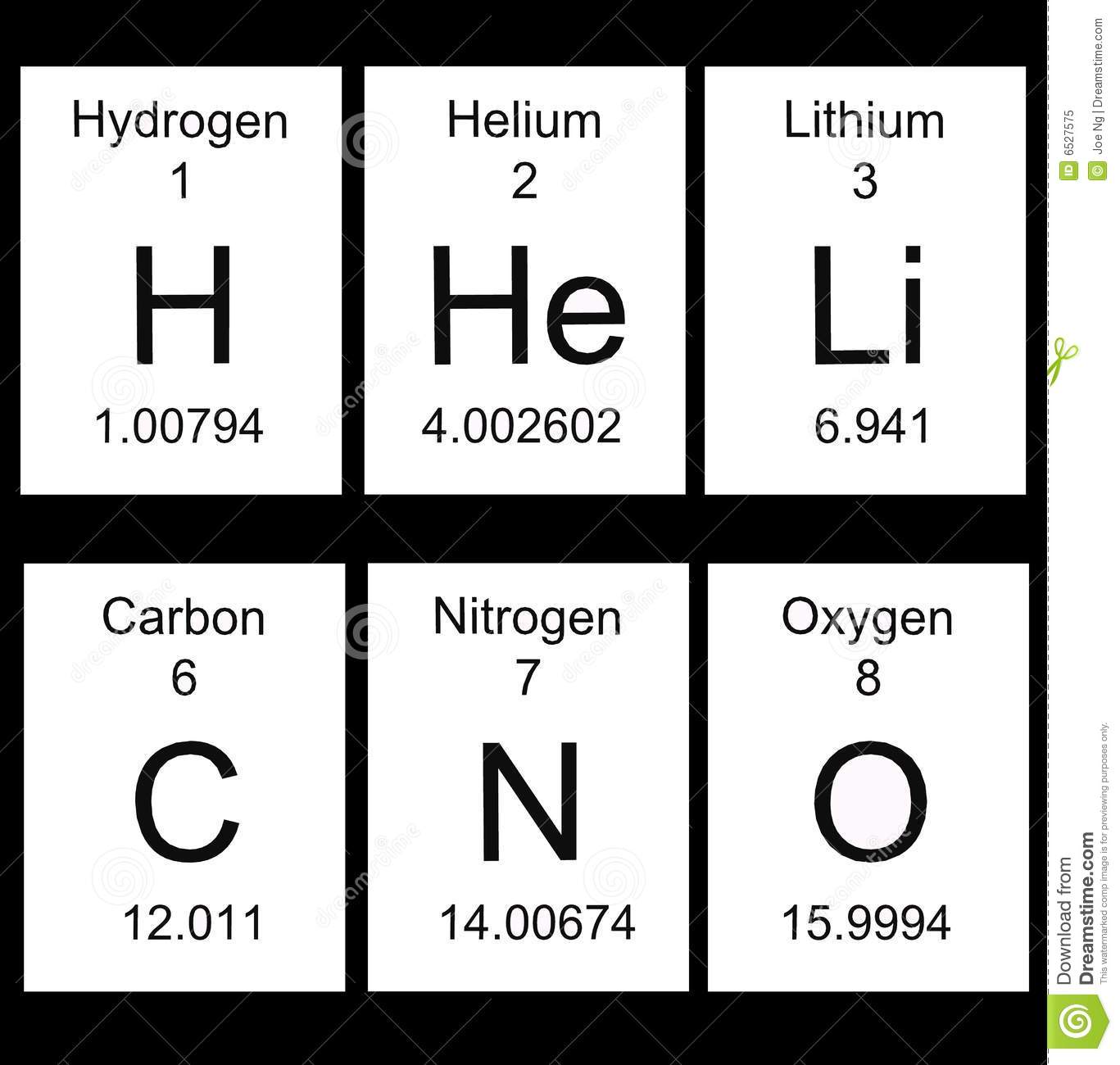
The number at the bottom of each square on the periodic table is the ...
a)
atomic number
b)
atomic mass
c)
chemical symbol
d)
element name
58.
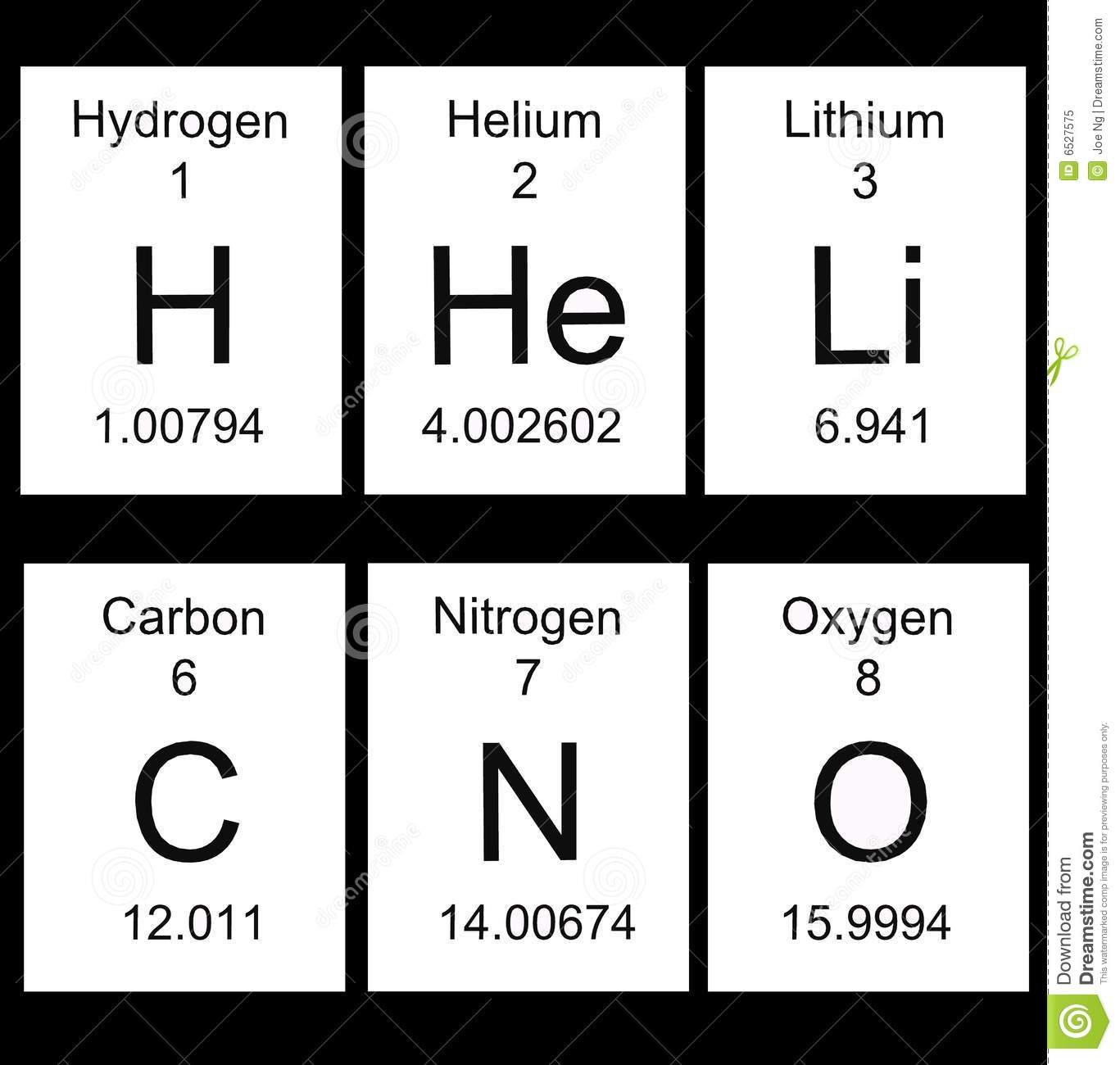
The number at the top of each square on the periodic table is the ...
a)
atomic number
b)
atomic mass
c)
Chemical Symbol
d)
Element Name
59.

What is the atomic number of this nucleus?
a)
1
b)
3
c)
4
d)
7
60.
Why is clean water important?
a)
All life on Earth depends on clean water to live and grow.
b)
We need clean water for recreational activities.
c)
We need bodies of water for transportation
d)
We need water to regulate the temperature on Earth.
100 %

