
 Worksheets
Biology Chapter 7 - Cells
Total questions: 61
Worksheet time: 54mins
Name
Class
Date
1.
DNA gets bundles in tight packages before the cell divides. These packages are called...
a)
chromosomes
b)
chromatin
c)
RNA
d)
molecules
2.

Which of the following scientists was the first to observe bacteria?
a)
Anton
van Leuwenhoek
b)
Matthais
Schleiden
c)
Robert
Hooke
d)
Theodor Schwann
3.
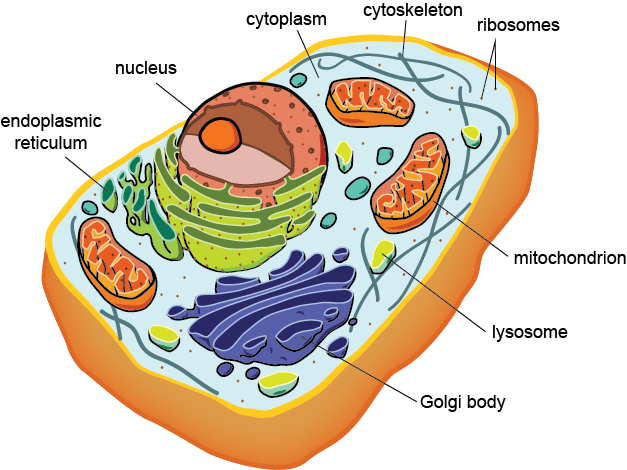
Which of the following statements is not part of the cell theory?
a)
Cells are the basic unit of structure and function in all living things.
b)
All cells are produced from other cells.
c)
Only animal cells are composed of cells.
d)
All living things are composed of cells.
4.

What is one way in which all living things on Earth are alike?
a)
All living things have hair.
b)
All living things are made of cells and come from other cells.
c)
The cells of all living things have chloroplast.
d)
All living things can move.
5.
What structures distinguish a plant cell from an animal cell?
a)
Plant cells have cell walls and ribosomes.
b)
Plant cells have cell walls and chloroplasts.
c)
Plant cells have chloroplasts and ribosomes.
d)
Plant cells have chloroplasts and mitochondria.
6.
Who looked at cork and named the cell?
a)
Robert Hooke
b)
Van Leeuwenhoek
c)
Robert Brown
d)
Francesco Redi
7.
What tool do you use to view the cells?
a)
metric ruler
b)
centrifuge
c)
microscope
d)
pipette
8.
Which organelle is missing in prokaryotic cells?
a)
Nucleus
b)
DNA
c)
Ribosomes
d)
Plasma membrane
9.
Compared to the eukaryotic cell, prokaryotic cells are
a)
More complex
b)
Less complex
c)
Full of membrane-bound organelles
d)
Very large
10.

This image shows the detailed structure of the tiny mitochondria organelle. Which microscope most likely took this image?
a)
Compound Light
b)
Scanning Electron
c)
Dissecting
d)
Transmission Electron
11.
Which microscope has a magnification range between 40X-1000X?
a)
Compound Light
b)
Transmission Electron
c)
Dissecting
d)
Scanning Electron
12.

Which microscope took a 3D image of this fly's head?
a)
Compound Light
b)
Transmission Electron
c)
Dissecting
d)
Scanning Electron
13.
The cell membrane is selectively permeable, which means...
a)
All materials can enter and leave the cell
b)
Certain things can enter while others cannot
c)
The cell manually sorts through all materials
d)
Only certain cells can interact with the cell.
14.
Most of the cell membrane is made of...
a)
Lipids
b)
Carbs
c)
Proteins
d)
Nucleic acids
15.
Lipid heads are...
a)
Polar (water loving)
b)
Nonpolar (water hating)
16.
When looking at the cell membrane, where are the lipid heads located?
a)
Floating between bilayer levels
b)
Outer part of the bilayer
c)
Inner part of the bilayer
d)
Located at different parts throughout the bilayer
17.
Which of the following is responsible for getting complex molecules across the cell membrane?
a)
Lipids
b)
Carbs
c)
Transport Proteins
d)
Nucleic Acids
18.
All cells have a:
a)
Nucleus
b)
Plasma membrane
c)
Cell wall
d)
Buddy
19.
Which of the following states that the cell membrane isn't rigid (it is moveable)?
a)
Phospholipid Bilayer
b)
Fluid Mosaic Model
c)
Selectively Permeable Membrane
20.
Lipid tails are...
a)
Nonpolar (water hating)
b)
Polar (water loving)
21.
Which of the following states that the cell membrane is made of multiple types of molecules?
a)
Fluid Mosaic Model
b)
Phospholipid Bilayer
c)
Selectively Permeable Membrane
22.
In what organelle is the genetic material found inside?
a)
Endoplasmic Reticulum
b)
Golgi Complex
c)
Nucleolus
d)
Nucleus
23.
What organelle is called the "powerhouse" of a cell?
a)
Endoplasmic Reticulum
b)
Nucleus
c)
Mitochondria
d)
Nucleolus
24.

Using this image, what organelle is C?
a)
Cell Wall
b)
Mitochondria
c)
Large Cell Vacuole
d)
Chloroplast
25.
Using this image, what organelle is A?
a)
Cell Wall
b)
Mitochondria
c)
Large Cell Vacuole
d)
Chloroplast
26.
Using this image, what organelle is H?
a)
Cell Wall
b)
Mitochondria
c)
Large Cell Vacuole
d)
Chloroplast
27.
Using this image, what organelle is G?
a)
Cell Wall
b)
Mitochondria
c)
Large Cell Vacuole
d)
Chloroplast
28.
What is the function of the mitochondria?
a)
Structure that manufactures ribosomes
b)
Structures that converts nutrients to energy
c)
Stack of membranes that packages chemicals
d)
Structure that contains DNA and directs the cell
29.
What is the function of the vacuole?
a)
Sac that stores water, nutrients, and waste products
b)
Sac filled with digestive chemicals
c)
Jelly-like substance within the plasma membrane
d)
stack of membranes that packages chemicals
30.
What is the function of nucleus?
a)
Structure that organizes motion of chromosomes.
b)
Structure that contains DNA and directs the cell
c)
Membrane that surrounds and protects the cell
d)
Stack of membranes that packages chemicals
31.
Where does photosynthesis occur?
a)
mitochondria
b)
stomata
c)
xylem
d)
chloroplast
32.

I store water in both plant and animal cells. What am I?
a)
cytoplasm
b)
ribosomes
c)
vacuole
d)
lysosomes
33.

I make proteins for the cell. What am I?
a)
ribosome
b)
mitochondria
c)
chloroplast
d)
lysosome
34.
What can only be found in plant cells?
a)
Cell membrane
b)
Vacuole
c)
Chloroplast
d)
Mitochondrion
35.
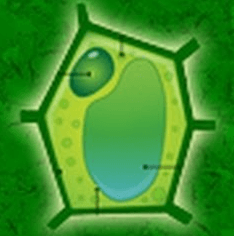
A rigid layer that lies outside the cell's membrane is...
a)
Cytoskeleton
b)
Cilia
c)
Cell Wall
d)
Flagella
36.
Only eukaryotic cells have....
a)
membrane-bound organelles
b)
DNA
c)
ribosomes
d)
cell membranes
37.

What does this organism use for movement?
a)
Pseudopod
b)
Cilia
c)
Flagella
d)
legs
38.

What does this organism use for movement?
a)
Pseudopod
b)
Cilia
c)
Flagella
d)
legs
39.
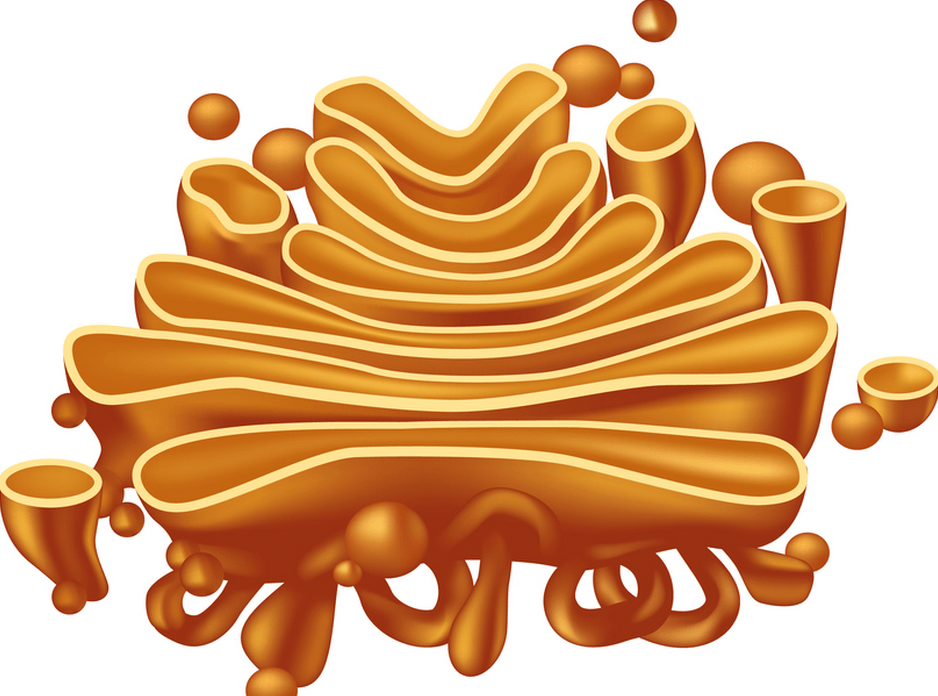
I am a protein packaging and shipping machine! Who am I?
a)
vacuole
b)
ribosome
c)
mitochondrion
d)
golgi apparatus
40.
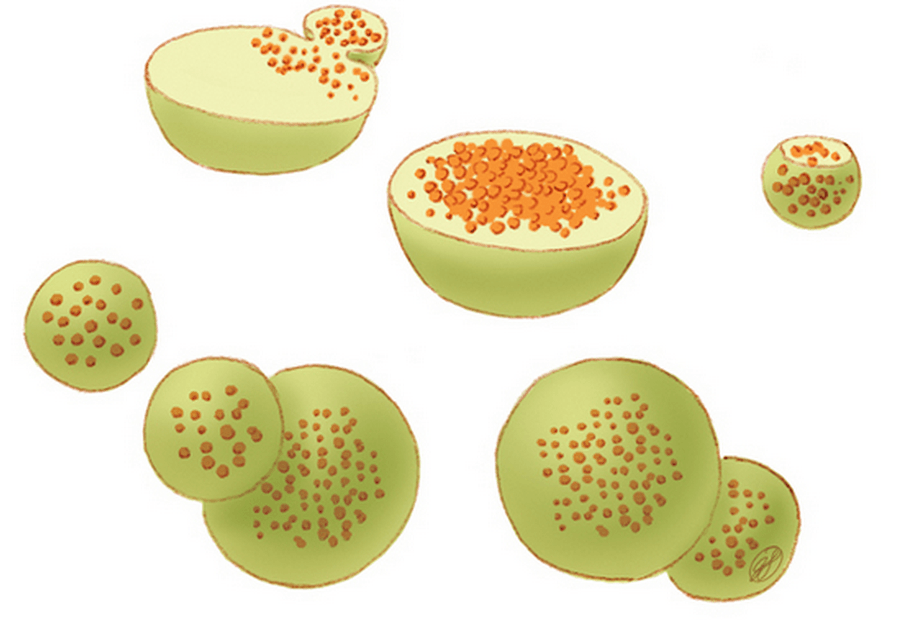
You might think of me as the trash collector, but recycler is maybe more accurate. What am I?
a)
mitochondria
b)
lysosome
c)
vacuole
d)
ribosome
41.
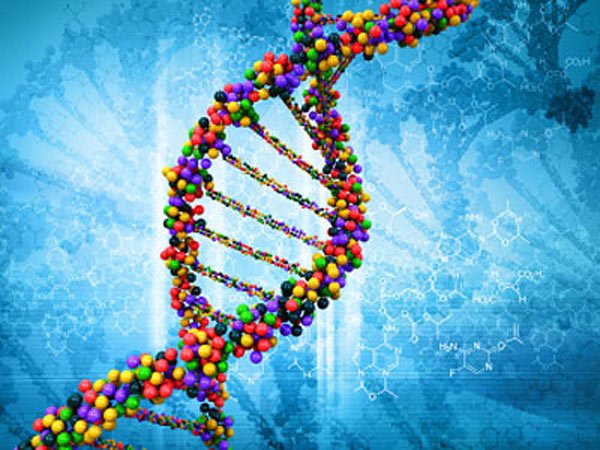
What is the name of the genetic material that is inside the nucleus?
a)
ER
b)
ATP
c)
YOLO
d)
DNA
42.
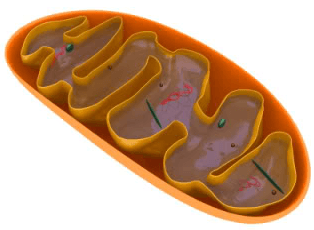
What are tiny organelles that convert glucose into ATP?
a)
Ribosomes
b)
Vesicles
c)
Cytoskeleton
d)
Mitochondria
43.
What is the gel-like substance inside of cells called?
a)
photoplasm
b)
photosynthesis
c)
cytoskeleton
d)
cytoplasm
44.

When DNA is in its less coiled, "relaxed," state, between cell divisions, it is called
a)
autosomes
b)
chromatid
c)
chromatin
d)
centromere
45.
What gives the cell its structure?
a)
cell membrane
b)
cytoskeleton
c)
cytoplasm
d)
vacuole
46.
This organelle creates lipids
a)
Smooth endoplasmic reticulum
b)
Rough endoplasmic reticulum
c)
Ribosomes
d)
Nucleus
47.
The _____________ takes proteins from ribosomes and then sends them to the Golgi apparatus.
a)
ribosomes
b)
nucleus
c)
smooth endoplasmic reticulum
d)
rough endoplasmic reticulum
48.
Double membrane that surrounds the nucleus
a)
Cell Wall
b)
Nuclear Envelope
c)
Golgi Apparatus
d)
Nuclear Pores
49.
Site of ribosome production
a)
Nucleus
b)
Nucleolus
c)
Ribosomes
d)
Mitochondria
50.
Pigment in chloroplast that gives plant its green color
a)
Chloroplast
b)
Chlorophyll
c)
Cytoplasm
d)
Cytoskeleton
51.

What is structure B?
a)
nucleus
b)
nucleolus
c)
nuclear membrane
d)
ribosome
52.

What is structure C?
a)
Rough ER
b)
Smooth ER
c)
Golgi
d)
mitochondria
53.

What is structure G?
a)
smooth ER
b)
mitochondria
c)
rough ER
d)
centrioles
54.

What is structure H?
a)
mitochondria
b)
rough ER
c)
smooth ER
d)
Golgi
55.

What is structure I?
a)
ribosome
b)
lysosome
c)
mitochondria
d)
smooth ER
56.

What is structure K?
a)
golgi
b)
cell memberane
c)
mitochondria
d)
lysosome
57.

What is structure L?
a)
microtubules
b)
centrioles
c)
nucleous
d)
mitochondria
58.

What is structure M?
a)
cell wall
b)
cell membrane
c)
centrioles
d)
microtubules
59.

What is structure N?
a)
flagella
b)
cytoplasm
c)
cell membrane
d)
golgi
60.
Which of the following is NOT found in plant cells?
a)
chloroplast
b)
cell wall
c)
lysosome
d)
golgi apparatus
61.
Which of the following is NOT found in animal cells?
a)
cell wall
b)
chrloroplast
c)
large central vacuole
d)
none of these are in animal cells
100 %

