
 Worksheets
Science Benchmark Review
Total questions: 76
Worksheet time: 1hrs 5mins
Name
Class
Date
1.
This variable in an experiment is the one being deliberately changed by the scientist.
a)
dependent variable
b)
independent variable
c)
data
d)
control group
2.
Should experiments be repeated over and over to see if the results are the same each time?
a)
yes
b)
no
3.
In a controlled experiment, how many independent variables can be worked with at a time?
a)
one
b)
none
c)
two or more
d)
how ever many makes sense.
4.
A student is planning an experiment to find out how the height from which he drops a ball affects how high the ball bounces. The dependent variable is the _____.
a)
Diameter of the ball
b)
Force acting on the ball
c)
Height that the ball bounces
d)
Height from which the ball is dropped
5.
When experimenting with the growth of a plant, a scientist uses three (of the same type of) plants, two different fertilizers, equal light, and equal water. What type of variable is the fertilizer?
a)
Dependent
b)
Independent
c)
Control
d)
Compound
6.
An experiment is performed on plants to see how different liquids affect plant growth. Each plant in the experiment is given a different liquid; water, apple juice, or milk. Each plant has the same amount of soil, sunlight, and listens to the same music. In this investigation, what is the dependent variable?
a)
Type of plant
b)
Water, apple juice, milk
c)
Plant growth
d)
Color of the plant's leaves
7.
Why do we want to test only one independent variable at a time?
a)
Because it is hard to setup a data table with more than one variable
b)
To better identify what is causing the changes
c)
It is what has always been done
d)
It's easier to perform the experiment
8.
Sugar will dissolve faster in water, if we increase the temperature of the water.
a)
independent
b)
dependent
9.

What is a result or conclusion?
a)
step by step directions on how to complete the experiment
b)
the end of Mrs. Neill's all time favorite novel
c)
the purpose of your experiment
d)
a statement of the outcome of the experiment
10.
Amount of matter in an object.
a)
mass
b)
volume
c)
length
d)
weight
11.
How much space an object takes up.
a)
mass
b)
volume
c)
length
d)
weight
12.
Measured in centimeters cubed
a)
mass
b)
volume
c)
length
d)
weight
13.
Measured in mL
a)
mass
b)
volume
c)
length
d)
weight
14.
Measured in grams
a)
mass
b)
volume
c)
length
d)
weight
15.
Use a graduated cylinder or a formula.
a)
mass
b)
volume
c)
length
d)
weight
16.

What is the volume of the fish inside the graduated cylinder?
a)
38 mL
b)
6 mL
c)
32 mL
d)
Not enough information to solve
17.

What amount does this triple beam balance read?
a)
72.1 grams
b)
270.0 grams
c)
272.1 grams
d)
272.0 grams
18.

What is this object used to measure?
a)
Density
b)
Mass
c)
Volume
d)
Amount
19.
The density of water is ______ g/cm3
a)
1.5
b)
.9
c)
1
d)
.5
20.
In order to find the density of a solid, you should multiply the length X width X _______
a)
circumference
b)
height
c)
base
d)
diameter
21.
What makes something very dense?
a)
How loose the molecules are packed in it
b)
How tight the molecules are packed in it
22.
The density of water is
a)
2 g/ml
b)
0
c)
1 g/ml
d)
.5 g/ml
23.
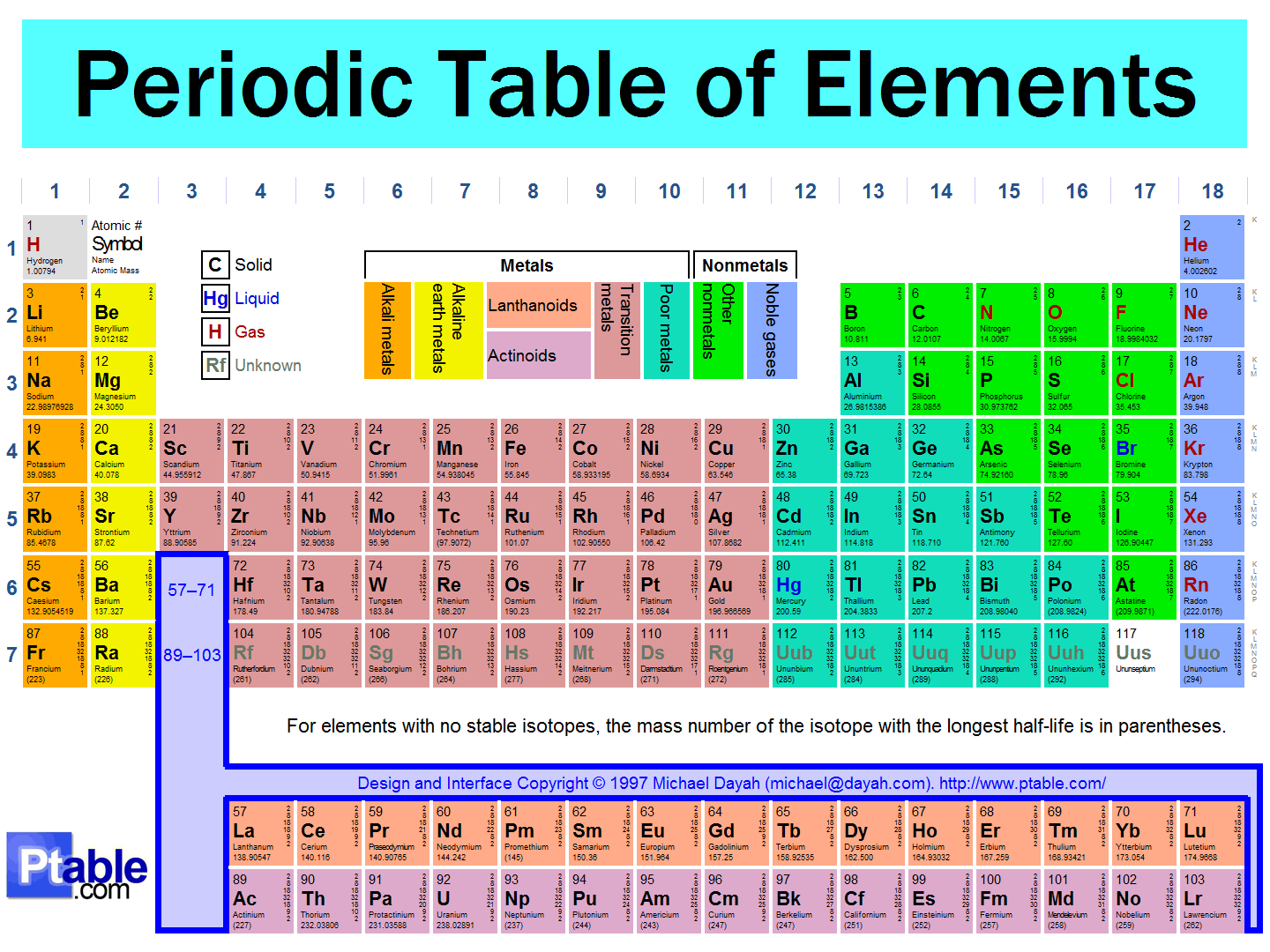
The horizontal row on the periodic table is called a
a)
group
b)
family
c)
period
d)
atomic number
24.

A vertical column is called...
a)
group
b)
tower
c)
period
d)
crew
25.
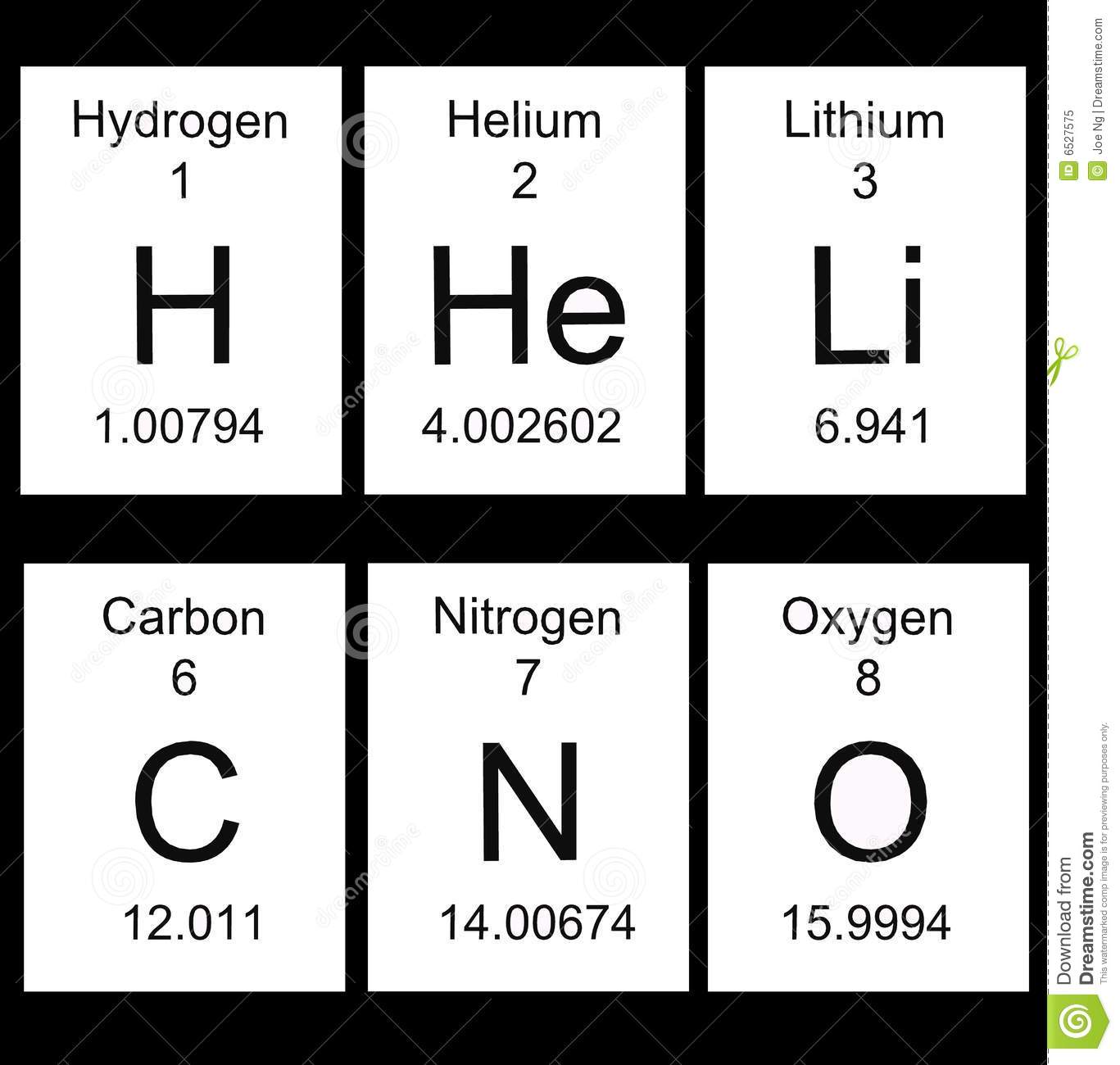
The number at the bottom of each square on the periodic table is the ...
a)
atomic number
b)
atomic mass
c)
chemical symbol
d)
element name
26.
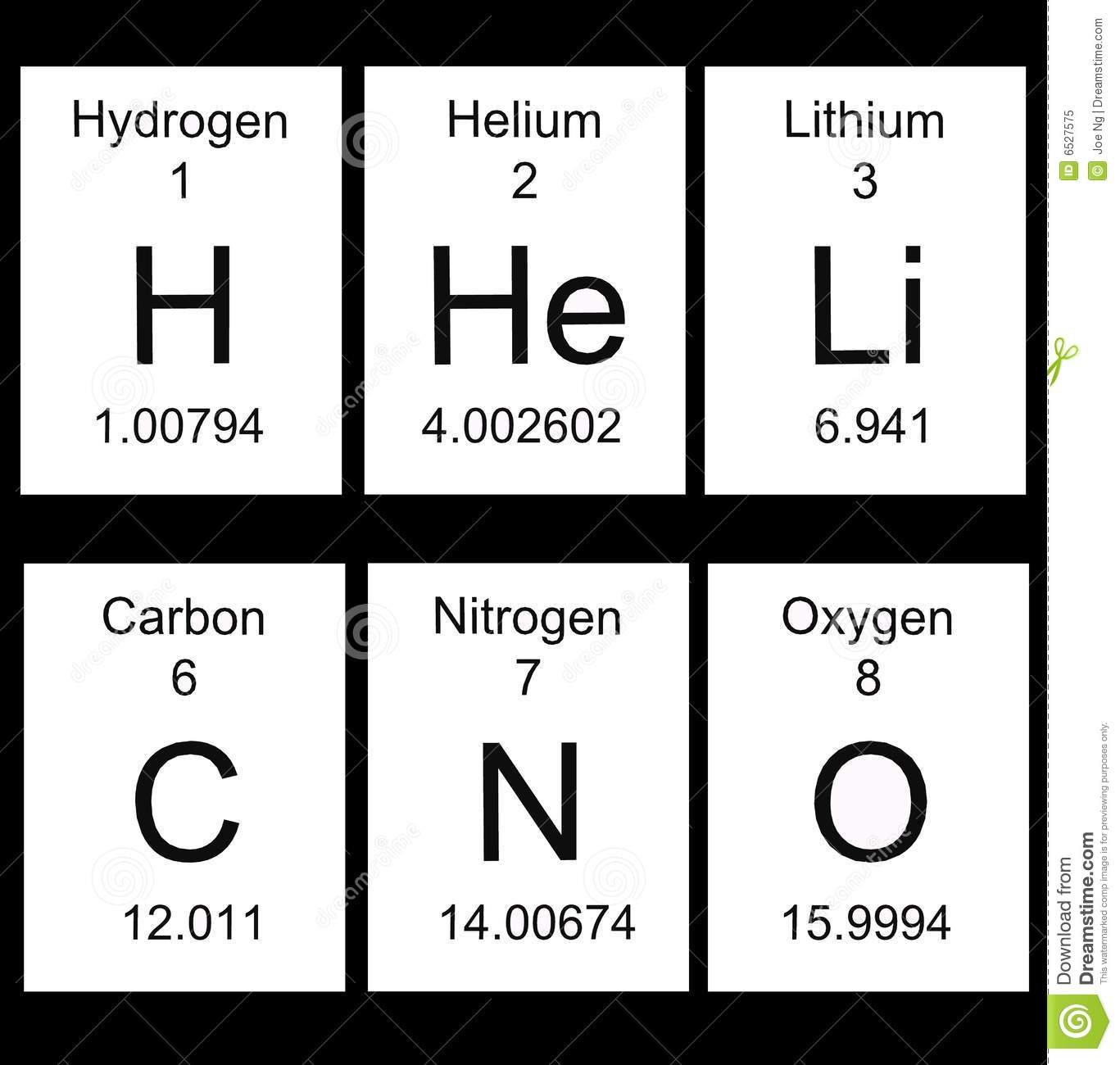
The number at the top of each square on the periodic table is the ...
a)
atomic number
b)
atomic mass
c)
Chemical Symbol
d)
Element Name
27.
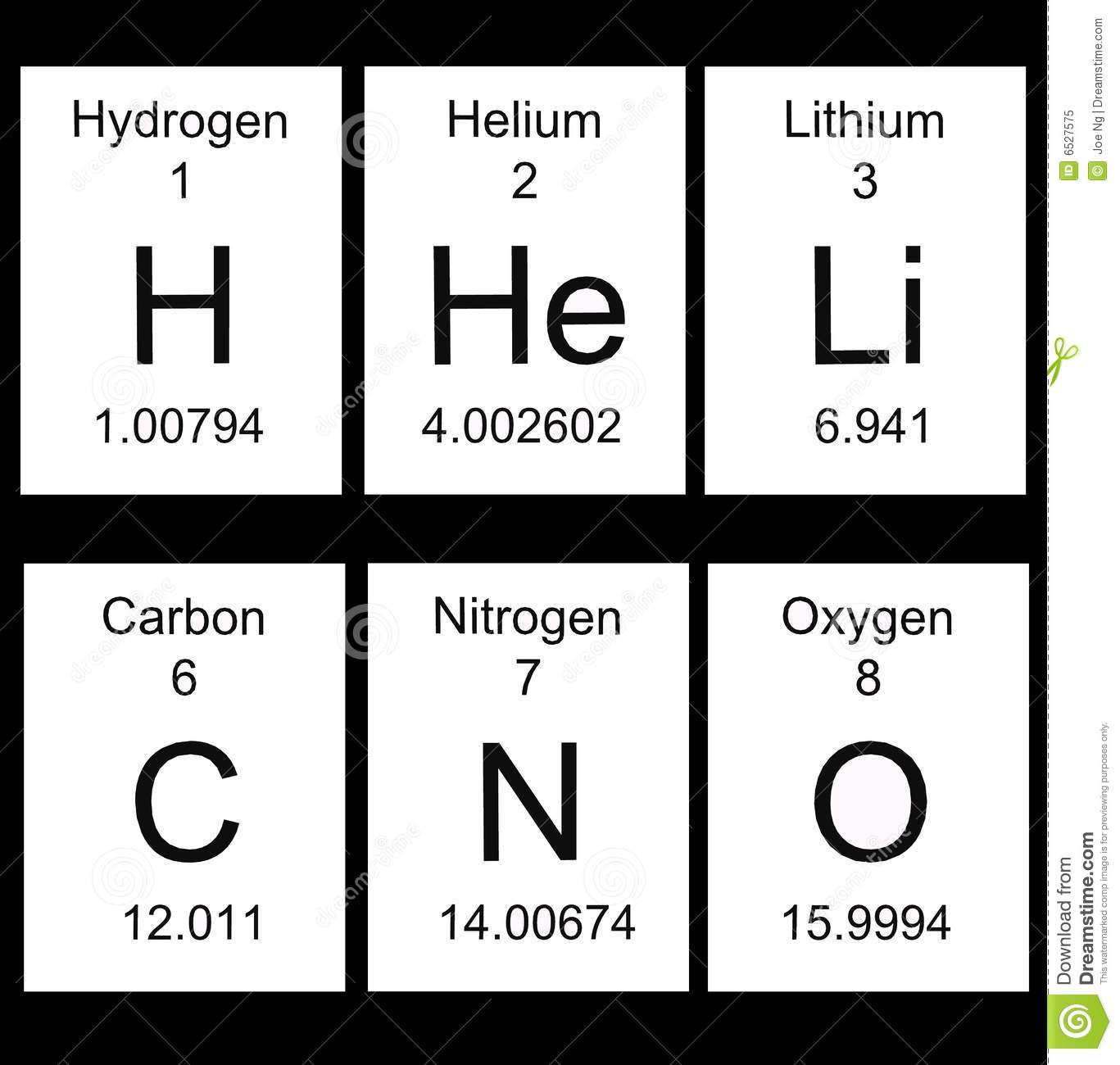
What is the chemical symbol for Lithium?
a)
H
b)
He
c)
Li
d)
N
28.

Most of the elements on the periodic table are classified as _____.
a)
Metals
b)
Nonmetals
c)
Metalloids
d)
Periods
29.

How did Mendeleev arrange the elements?
a)
alphabetical
b)
density
c)
melting point
d)
atomic mass
30.
All of the mass of an atom comes from what location?
a)
nucleus
b)
electron cloud
31.

Which letter represents a proton?
a)
A
b)
B
c)
C
d)
D
32.
Which letter represents a neutron?
a)
A
b)
B
c)
C
d)
D
33.
What subatomic particle has no effect on the mass of the atom?
a)
proton
b)
neutron
c)
electron
34.
Which letter represents the nucleus?
a)
A
b)
B
c)
D
d)
E
35.

What is the subatomic particle for box A?
a)
proton
b)
neutron
c)
electron
36.
What is the subatomic particle for box B?
a)
proton
b)
neutron
c)
electron
37.
What is the subatomic particle for box C?
a)
proton
b)
neutron
c)
electron
38.

In this picture, the Electrons are found in which color?
a)
Blue
b)
Red
c)
Green
39.

Which two subatomic particles make up the nucleus of an atom?
a)
Protons and Electrons
b)
Neutrons and Electrons
c)
Electrons and Protons
d)
Protons and Neutrons
40.
Which subatomic particle has a positive (+) charge?
a)
Neutron
b)
Proton
c)
Electron
41.
Which subatomic particle has a negative (-) charge?
a)
Proton
b)
Electron
c)
Neutron
42.
Which subatomic particle has a neutral or no charge?
a)
Proton
b)
Electron
c)
Neutron
43.
Is making salt water to gargle with a physical or chemical change?
a)
physical
b)
chemical
44.

a copper penny turning greenish after a few years.
a)
Chemical Change
b)
Physical Change
45.
Which of the following is NOT an example of a physical change?
a)
crumpled paper
b)
pencil sharpening
c)
shrunken clothing
d)
sour milk
46.
A change in which NEW substances are formed.
a)
Chemical change
b)
Physical change
c)
Casual change
d)
Formal change
47.
Which of the following is NOT an example of chemical change?
a)
sour milk
b)
burning wood
c)
breaking a pencil
d)
rust
48.
In the equation, 2Mg + O2 ---> 2MgO, which are the reactants?
a)
Mg and O
b)
MgO
c)
Mg and MgO
d)
O and MgO
49.
Exothermic reactions...
a)
Absorb energy
b)
Release energy
c)
Release Color
d)
Absorb Color
50.
Is a a rusting bicycle a chemical or physical change?
a)
chemcial
b)
physical
51.
Is melting butter for popcorn a chemical or physical change?
a)
chemical
b)
physical
52.
Which of the following terms identifies the change from a liquid to gas?
a)
Vaporization
b)
Condensation
c)
Deposition
d)
Sublimation
53.
Which of the following terms identifies the change from a liquid to solid?
a)
Melting
b)
Condensation
c)
Vaporization
d)
Freezing
54.
Phase change from a solid to a gas.
a)
sublimation
b)
deposition
c)
condensation
d)
evaporation
55.
Phase change from a solid to a liquid.
a)
melting
b)
sublimation
c)
boiling
d)
condensation
56.
Phase change from a liquid to a gas that only happens at the surface.
a)
evaporation
b)
boiling
c)
sublimation
d)
melting
57.
When the temperature of matter increases the particles...
a)
speed up and move closer
b)
speed up and move farther apart
c)
slow down and move closer together
d)
slow down and move farther apart
58.
When the temperature of matter decreases the particles ...
a)
speed up and move farther apart
b)
speed up and move closer together
c)
slow down and move farther apart
d)
slow down and move closer together
59.
Phase change from a gas to a liquid.
a)
condensation
b)
evaporation
c)
melting
d)
deposition
60.
The opposite phase of melting is
a)
freezing
b)
sublimation
c)
condensation
d)
deposition
61.
Melting is ...
a)
liquid to solid
b)
solid to liquid
c)
solid to gas
d)
gas to liquid
62.
Freezing is...
a)
Solid to gas
b)
Liquid to solid
c)
Gas to solid
d)
Liquid to gas
63.
Boiling is ...
a)
liquid to gas
b)
gas to solid
c)
gas to liquid
d)
solid to liquid
64.
How many elements are in C6H12O6?
a)
1
b)
2
c)
3
d)
4
65.
How many atoms of carbon (C) are in C6H12O6?
a)
3
b)
6
c)
12
d)
24
66.
Element or compound?
H2O
H2O
a)
element
b)
compound
67.
Element or compound?
O2
O2
a)
Element
b)
Compound
68.
Which of the following is a compound?
a)
Co
b)
O2
c)
C
d)
CO2
69.
Which of the following is NOT an element?
a)
H2O
b)
H2
c)
O2
d)
Au
70.
The arrow symbol used in a chemical equation
a)
Yield sign
b)
Subscript
c)
Coefficient
d)
Chemical formula
71.
What is H2SO4
(Sulfuric Acid) made up of?
(Sulfuric Acid) made up of?
a)
2 hydrogen, 1 sulfur, 4 oxygen
b)
1 hydrogen, 2 sulfur, 4 oxygen
c)
2 hydrogen & 4 sodium
d)
1 hydrogen & 6 sodium
72.
The substances listed on the left side of a chemical equation are the
a)
Products
b)
Coefficients
c)
Precipitates
d)
Reactants
73.
The substances listed on the right side of a chemical equation are the
a)
Yields
b)
Reactants
c)
Products
d)
Precipitates
74.

Which of the following is true?
a)
Na is a gas
b)
Cl combusts when put in water
c)
NaCl is very different than Na and Cl
d)
Cl is a metal
75.
Evidence of a chemical reactions is anything that shows -
a)
a new substance has formed
b)
a solid dissolved in a liquid
c)
interaction between 2 gases
d)
a change in the state of matter
76.
One of the signs of a chemical reaction taking place is:
a)
Bubbles are produced
b)
Reactants are not combining
c)
Products are not forming
d)
Color is not changing
100 %

