
 Worksheets
Chemistry of Life
Total questions: 100
Worksheet time: 1hrs 21mins
Name
Class
Date
1.
What is the function of nucleic acids?
a)
Stores energy
b)
Stores genetic information
c)
Movement
d)
Physical structure
2.
Phospholipids are used in what biological structure?
a)
RNA
b)
DNA
c)
Cell membrane
d)
Cell wall
3.
Oils are which type of macromolecule?
a)
carbohydrates
b)
lipids
c)
nucleic acids
d)
proteins
4.
Which macromolecule is made of simple and complex sugars?
a)
lipids
b)
proteins
c)
carbohydrates
d)
nucleic acids
5.

What is NOT part of the cell theory?
a)
All living things have blood cells.
b)
All organisms are made of one or more cells.
c)
The cell is the basic unit of all living things.
d)
All cells come from existing cells.
6.
A molecule is________
a)
a glob of gelatinous goo
b)
smaller than an atom
c)
filled with raisons
d)
more than one atom bonded together
7.

The smallest part of matter is in this picture. What is it called?
a)
Atom
b)
molecule
c)
pebble
d)
piece
8.

Fish, nuts, oils and avocado are health sources of....
a)
Fiber
b)
Protein
c)
Minerals
d)
Fat
9.

This essential nutrient helps repair skin and build muscle.
a)
Carbohydrates
b)
Protein
c)
Water
d)
Fat
10.
Ashley is getting ready for her soccer game, which nutrient will give her body the main fuel for her game?
a)
Fat
b)
Water
c)
Multi-vitamin
d)
Carbohydrates
11.

Proteins are made up of small units called ____.
a)
Disaccharides
b)
Lipids
c)
Amino Acids
d)
Monosaccharides
12.
Another name for fats and oils
a)
proteins
b)
sugar
c)
lipids
d)
nucleic acids
13.
Which of the following is NOT part of the cell theory?
a)
All living things are made of one cell
b)
Cells are the basic units of structure and function in organisms.
c)
Most cells arise from existing cells
d)
Cells are nonliving units that make up organisms
14.
What is the correct order from smallest to largest?
a)
molecules, atoms, cells, organelles
b)
atoms, molecules, organelles, cells
c)
atoms, cells, organelles, molecules,.
d)
Gabby, Talia, Trinity, Yostina
15.
What is the correct order in size from smallest to largest?
a)
molecules, cells, atoms, organelles
b)
atoms, molecules, organelles, cells
c)
atoms, organelles, cells, molecules
d)
Gabby, Talia, Elsalys, Yostina
16.
The Phospholipid molecule head......
a)
repels water
b)
attracts Mr. Hauser
c)
repels Mr. Hauser
d)
attracts water
17.
Starch are really large
a)
Lipids
b)
Proteins
c)
Nucleic Acids
d)
Carbohydrates
18.
What are the building blocks of proteins?
a)
Glucose
b)
Amino Acids
c)
Nucleotides
d)
Fatty Acids
19.
The building blocks of nucleic acids are
a)
Amino acids
b)
Glucose
c)
Nucleotides
d)
Fatty acids
20.
Bread, fruit, vegetables, and starches are examples of
a)
carbohydrates
b)
lipids
c)
proteins
21.

Glucose (sugar) is an example of a
a)
Carbohydrate
b)
Lipid
c)
Protein
d)
Nucleic Acid
22.
Which of the following is a pure substance that can't be broken down?
a)
Compound
b)
Element
c)
Law
d)
Molecule
23.
These things make elements
a)
Teachers
b)
Pure substance
c)
Atoms
d)
Gasses
24.
All cells come from___________ cells.
a)
pregnant
b)
pre-existing
c)
paternal
d)
pin size
25.
How many hydrogen atoms are in water?
a)
5
b)
1
c)
3
d)
2
26.
The smallest basic unit of matter is the
a)
molecule.
b)
atom.
c)
compound.
d)
cell.
27.
Both animal fats and plant oils are made up of glycerol and
a)
phospholipids.
b)
fatty acids.
c)
polar molecules.
d)
saturated fats.
28.
The four main types of carbon-based molecules in organisms are carbohydrates, lipids, nucleic acids, and
a)
starches.
b)
fatty acids.
c)
monosaccharides.
d)
proteins.
29.
Proteins are polymers formed from
a)
lipids
b)
carbohydrates
c)
amino acids
d)
nucleic acids
30.
An enzyme speeds up a reaction by
a)
lowering the activation energy
b)
raising the activation energy
c)
releasing energy
d)
absorbing energy
31.
What is the use/function of carbohydrates?
a)
transmit genetic information
b)
source of energy
c)
to make proteins
d)
to build body structures
32.
Which of the following are types of carbohydrates?
a)
fats, waxes, and oils
b)
DNA & RNA
c)
sugars & starches
d)
enzymes & hormones
33.
What is the use/function of lipids?
a)
transmit genetic information
b)
make carbohydrates
c)
store energy, insulation
d)
builds DNA
34.
Which of the following are examples of lipids?
a)
DNA & RNA
b)
sugars & starches
c)
fats, oils, waxes
d)
enzymes & antibodies
35.
What is the use/function of proteins?
a)
makes RNA
b)
builds cell membrane
c)
builds body structures (ie. bones & muscles
d)
causes surface tension
36.
Which is an example of a nucleic acid?
a)
sucrose & lactose
b)
hormones & antibodies
c)
DNA & RNA
d)
steroids
37.
What are enzymes used for?
a)
speed up chemical reactions
b)
store energy
c)
fight off infections
d)
structural support for cell walls of plants
38.
The energy needed to get a reaction started is called the
a)
reaction energy
b)
activation energy
c)
action energy
d)
red bull energy
39.
These three elements make up carbohydrates
a)
carbon, helium, oxygen
b)
nitrogen, oxygen, water
c)
carbon, hydrogen, oxygen
d)
nitrogen, carbon, water
40.
Made of monomers of amino acids
a)
Carbohydrates
b)
Lipids
c)
Proteins
d)
Nucleic Acids
41.
Includes DNA and RNA
a)
Carbohydrates
b)
Lipids
c)
Proteins
d)
Nucleic Acids
42.
What is the function of nucleic acids?
a)
store genetic information
b)
store energy (long-term)
c)
store energy (short-term)
d)
build skin, hair, nails, muscles
43.
Which is an example of a carbohyrdate?
a)
wax
b)
bread
c)
DNA
d)
red meat
44.
The chemical symbol for Oxygen is
a)
Ox
b)
Og
c)
O
d)
On
45.
The chemical symbol for Carbon is
a)
C
b)
Cb
c)
Ca
d)
Cn
46.

These are the substances that are changed during a chemical reaction.
a)
reactants
b)
products
47.

These are the substances made by a chemical reaction
a)
reactants
b)
products
48.
A chemical ________ is a pure substance made entirely of 1 type of atom.
a)
element
b)
compound
c)
mixture
d)
blend
49.
DNA and RNA are considered as ______________.
a)
carbohydrates
b)
lipids
c)
proteins
d)
nucleic acids
50.
Which of the following is not a macromolecule?
a)
carbohydrate
b)
lipids
c)
protein
d)
water
51.
Provides long term energy and insulation,
a)
lipids
b)
carbohydrates
c)
nucleic acids
d)
proteins
52.

Contains a phosphate, sugar and nitrogen base
a)
nucleic acid
b)
lipid
c)
carbohydrate
d)
protein
53.

Building blocks of the body, hair , muscles etc.
a)
protein
b)
nucleic acid
c)
lipids
d)
carbohydrates
54.

What type of macromolecule is this?
a)
carbohydrate
b)
lipid
c)
protein
d)
nucleic acid
55.
Compounds made up of carbon, hydrogen, and oxygen and serve as a major source of energy for the human body.
a)
protein
b)
lipid
c)
carbohydrate
d)
nucleic acid
56.
Which of the following is not a food rich in carbohydrates?
a)
corn
b)
wheat
c)
rice
d)
chicken
57.
The monomer of a protein is called...
a)
an amino acid
b)
a monosaccharide
c)
a fatty acid
d)
a nucleotide
58.
Steroids are a type of ________.
a)
Nucleic Acid
b)
Lipid
c)
Cholesterol
d)
Protein
59.
Which biomolecule includes fats oils, waxes, and steroids; provides energy storage, insulation, and protection?
a)
Nucleic Acid
b)
Lipids
c)
Carbohydrate
d)
Protein
60.
Which biomolecule is a quick source of energy?
a)
Nucleic Acid
b)
Protein
c)
Lipid
d)
Carbohydrate
61.
Which biomolecule helps form muscles?
a)
Nucleic Acid
b)
Carbohydrate
c)
Protein
d)
Lipids
62.
Sugars and starches are examples of which biomolecule?
a)
Lipids
b)
Proteins
c)
Carbohydrates
d)
Nucleic Acid
63.
Which biomolecule is responsible for insulation and energy storage?
a)
Protein
b)
Nucleic Acid
c)
Lipid
d)
Carbohydrate
64.
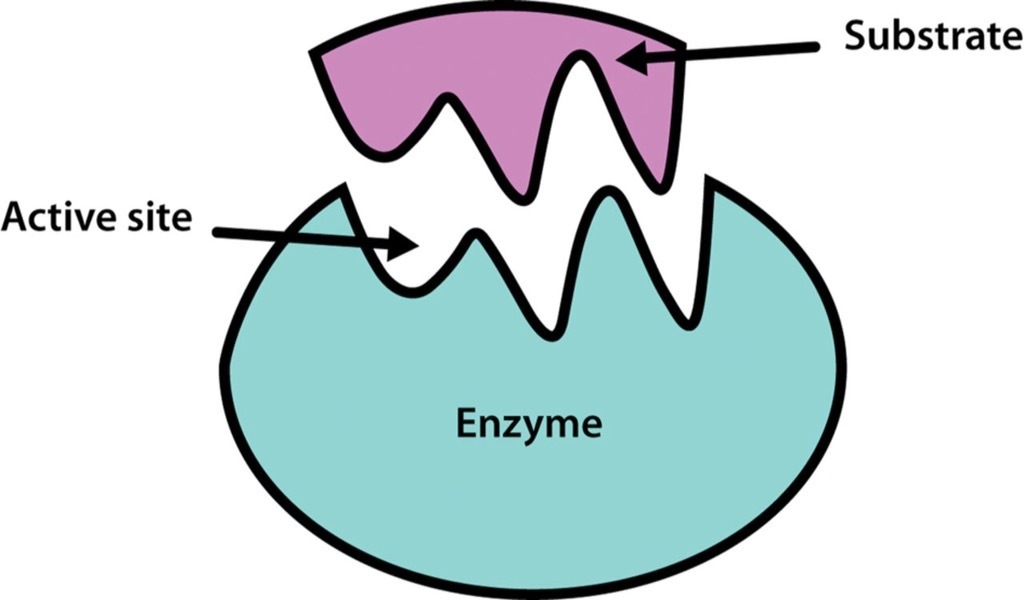
What group of biomolecules do enzymes belong to?
a)
Carbohydrate
b)
Lipid
c)
Nucleic Acid
d)
Protein
65.
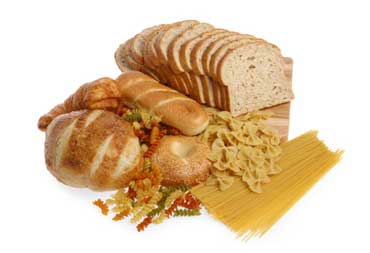
Which biomolecule is found in pasta and bread?
a)
Lipid
b)
Protein
c)
Nucleic Acid
d)
Carbohydrate
66.
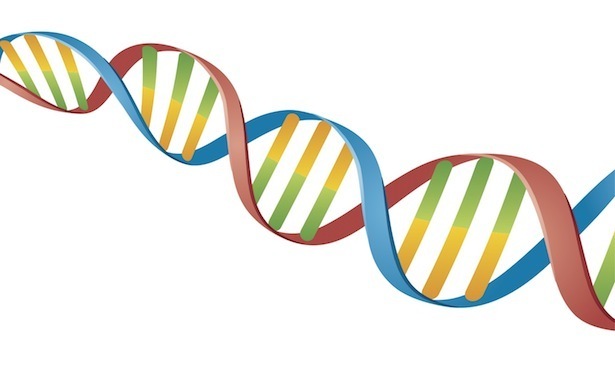
What is the function of a nucleic acid?
a)
Stores genetic information
b)
Stores energy
c)
Quick source of energy
d)
Builds structures
67.
What is the purpose of an enzyme?
a)
give permission for the reaction
b)
raise activation energy
c)
speed up reactions
d)
control how many reactions occur
68.
Antibodies belong to this biomolecule group:
a)
Simple Carbohydrates
b)
Proteins
c)
Lipids
d)
Nucleic Acids
69.
Which foods are high in protein?
a)
Meats, cheeses, milk, eggs
b)
Breads, pasta, grains
c)
Butter, oil, lard
d)
Apples, Bananas, Grapes
70.
Which of the following is an example of a nucleic acid?
a)
Glucose
b)
Phospholipid
c)
Enzymes
d)
DNA
71.
Which of the following is NOT a biomolecule?
a)
Water
b)
Nucleic Acid
c)
Protein
d)
Lipid
72.
Lipids are made of
a)
monosaccharides
b)
amino acids
c)
glycerol and 3 fatty acids
d)
nucleotides
73.
Nucleotides are building blocks of
a)
Nucleic Acids
b)
Proteins
c)
Carbohydrates
d)
Lipids
74.
What is the purpose of an enzyme?
a)
give permission for the reaction
b)
raise activation energy
c)
speed up reactions
d)
control how many reactions occur
75.
Substance consisting of one type of atom
a)
atom
b)
element
c)
isotope
d)
nucleus
76.
These make up all matter.
a)
Elements
b)
Atoms
c)
Molecules
d)
Cells
77.
When elements are held together by covalent bonds they from a
a)
Molecule
b)
Compound
c)
Atoms
d)
Isotopes
78.
Which of these are examples of carbon based molecules?
a)
Lipids and Nucleic Acids
b)
Carbohydrates
c)
Proteins
d)
All 4 of these
79.
The waxy covering that repels water on birds wings is composed mostly of...
a)
Carbohydrates
b)
Lipids
c)
Proteins
d)
Nucleic Acids
80.
Which of the following BEST explains why enzymes are necessary for many cellular reactions?
a)
Enzymes supply the oxygen necessary for the reactions.
b)
Enzymes change reactants from solid to liquid in reactions.
c)
Without enzymes, reactions take too much space in the cell.
d)
Without enzymes, reactions are too slow for the cell to work
81.
What is the smallest unit of life?
a)
Organism
b)
Nucleus
c)
Cell
d)
Tissue
82.
The most abundant compound in most living things is what?
a)
Carbon dioxide
b)
water
c)
sodium chloride
d)
sugar
83.
Why do animals use carbohydrates?
a)
because carbs are fantastic
b)
they are broken down into fats
c)
they are broken down to release energy for the bodies use
d)
potatoes!!!
84.
Enzymes belong to which group of organic compounds
a)
carbohydrates
b)
lipids
c)
proteins
d)
nucleic acids
85.
DNA and RNA belong to which group?
a)
Carbohydrate
b)
lipid
c)
protein
d)
nucleic acid
86.
When people eat foods high in proteins, such as meat, eggs and cheese, the body breaks down the proteins into smaller molecules. What is supplied to cells when the body breaks down proteins?
a)
amino acids
b)
nucleic acids
c)
phospholipids
d)
carbohydrates
87.
What are the four main types of molecules found in the cells of living things?
a)
carbohydrates, lipids, nucleic acids, and proteins
b)
lipids, nutrients, nucleic acids, and carbon dioxide
c)
carbon dioxide, hydrogen, oxygen, and various salts
d)
atoms, molecules, chemical compounds, and
carbohydrates
88.
What type of molecule provides immediate energy in cells?
a)
lipids
b)
proteins
c)
carbohydrates
d)
nucleic acids
89.
The cells in living things contain four main molecules that allow the cells to function. Which of these molecules cannot mix with water?
a)
lipids
b)
proteins
c)
nucleic acids
d)
carbohydrates
90.

Which of these statements best describes a molecule?
a)
All molecules must contain
carbon and oxygen.
b)
All molecules must have two different elements.
c)
All molecules are made up of two or more atoms
d)
All molecules must have at least three different
atoms.
91.
Zane is making a chart of compounds that are found in the human body. What is the most common compound found in the human body?
a)
H2O
b)
CO2
c)
Sodium Bicarbonate (baking soda)
d)
NaCl (table Salt)
92.
This biomolecule is used to make energy for our cells. The simplest is glucose, a monosaccharide.
a)
Carbohydrates
b)
Lipids
c)
Nucleic Acids
d)
Proteins
93.
These biomolecules are fats, oils, waxes and steroids. They are also a result if we eat too many carbohydrates and why we don't melt in water.
a)
Carbohydrates
b)
Lipids
c)
Nucleic Acids
d)
Enzymes
94.
Examples of these biomolecules are DNA and RNA...
a)
Nucleic Acids
b)
Carbohydrates
c)
Lipids
d)
Proteins
95.
Nucleic Acids are made up of smaller subunits called....
a)
Nucleotides
b)
Lipids
c)
Monosaccharides
d)
Subunits
96.
What are special types of proteins that act as catalysts?
a)
Enzymes
b)
Lipids
c)
Polysaccharides
d)
DNA
97.
What is the smallest unit of matter that cannot be broken down by chemical means?
a)
Atom
b)
Element
c)
Ion
d)
Isotope
98.
Two or more different different atoms combined together is a
a)
element
b)
isotope
c)
suspension
d)
compound
99.
The basic unit of matter is
a)
molecule
b)
atom
c)
element
d)
meters
100.
Butter and oil are examples of
a)
proteins
b)
lipids
c)
carbs
d)
nucleic acids
100 %

