
NEW
Font size
S
M
L
XL
 Worksheets
Unit 5: Cell Division Pretest
Total questions: 55
Worksheet time: 36mins
Name
Class
Date
1.

Fruit fly body cells have 8 chromosomes. After mitosis, you would expect a resulting fruit fly daughter cell to have ...
a)
16 chromosomes.
b)
46 chromosomes.
c)
8 chromosomes.
d)
4 chromosomes.
2.
The process by which the nuclear material is divided equally between two new cells
a)
mitosis
b)
cancer
c)
spindle
d)
centromere
3.

Structure (b) is a ____.
a)
chromosome
b)
chromatid
c)
centromere
4.

Structure (a) is a ____.
a)
chromosome
b)
chromatid
c)
centromere
5.

Structure (c) is a ____.
a)
chromosome
b)
chromatid
c)
centromere
6.

Name the phase:
a)
Anaphase
b)
Telophase
c)
Metaphase
d)
Prophase
7.

Name the phase:
a)
Prophase
b)
Metaphase
c)
Anaphase
d)
Telophase
8.

The organelle that helps in cell division and produces spindle fibers.
a)
Chromosome
b)
Centriole
c)
Cytoplasm
d)
Chloroplast
9.

The stages of mitosis in order
a)
Metaphase, Anaphase, Prophase, Telophase
b)
Prophase, Anaphase, Metaphase, Telophase
c)
Prophase, Metaphase, Anaphase, Telophase
d)
Anaphase, Prophase, Telophase, Metaphase
10.

How many chromosomes do humans have?
a)
46
b)
21
c)
10
11.
Uncontrolled cell division that results in unhealthy and sometimes fatal growth is known as
a)
The flu
b)
Interphase
c)
Cancer
d)
Dementia
12.
While a cell is NOT undergoing mitosis, what is it doing?
a)
Growing and replicating its DNA
b)
Enjoying a nice, candlelit dinner
c)
Dividing
13.
What MUST happen before mitosis can occur?
a)
Transcription
b)
DNA replication
c)
Cell respiration
d)
Photosynthesis
14.
The cells produced via meiosis are called:
a)
sex cells
b)
somatic cells
c)
body cells
d)
skin cells
15.
What is it called when a sperm and egg meet?
a)
meiosis
b)
fertilization
c)
cell division
d)
mitosis
16.

Meiosis makes sperm and egg cells. In humans, sperm and egg cells each have _____ chromosomes. Therefore a fertilized human egg cell (sperm and egg cell combined) would create a cell with _____ chromosomes.
a)
23, 46
b)
46, 23
c)
2, 4
d)
50, 100
17.

When an area of a chromatid is exchanged with the matching area on a chromatid of its homologous chromosome, _________________ occurs
a)
crossing over
b)
mutagenesis
c)
hybridization
d)
fertilization
18.
Diploid Cells are represented by
a)
2n
b)
n
c)
4n
d)
1/2 n
19.
What kind of cells are made in MEIOSIS?
a)
Haploid Gametes
b)
Diploid Somatic Cells
c)
Skin Cells
d)
Liver Cells
20.
Goes through P.M.A.T two rounds
a)
Mitosis
b)
Meiosis
c)
Osmosis
d)
Transcription
21.

Which process and type of resulting cells are represented?
a)
mitosis, gametes
b)
mitosis, body cells
c)
meiosis, gametes
d)
meiosis, body cells
22.
The chromosomes that pair up during meiosis, are called __________ chromosomes.
a)
homozygous
b)
asexual
c)
homologous
d)
genes
23.
When homologous chromosomes match up, they form a structure call a ___________.
a)
tetrad
b)
triad
c)
diploid
d)
gamete
24.
Crossing over helps promote
a)
male genotype
b)
genetic variation
c)
DNA replication
d)
mitosis
25.
A male shark has 40 chromosomes in each of its sex cells. How many would be present in its body cells?
a)
20
b)
40
c)
80
d)
160
26.
What is another reason we need meiosis?
a)
So the offspring has genes from both parents
b)
So the offspring has genes from one parent
c)
So the offspring has genes from neither parents
d)
So the offspring makes its own genes
27.
Chromosomes exchange genetic material during
a)
crossing over
b)
replication
c)
synthesis
d)
translation
28.
How would the DNA in a horse muscle cell compare with the DNA in a horse sperm cell?
a)
The sperm cell would have twice the DNA as the muscle cell.
b)
The sperm cell would have half as much DNA as the muscle cell.
c)
The sperm cell and muscle cell would contain the same amount of DNA.
d)
The muscle cell would have four times the DNA as the sperm cell..
29.
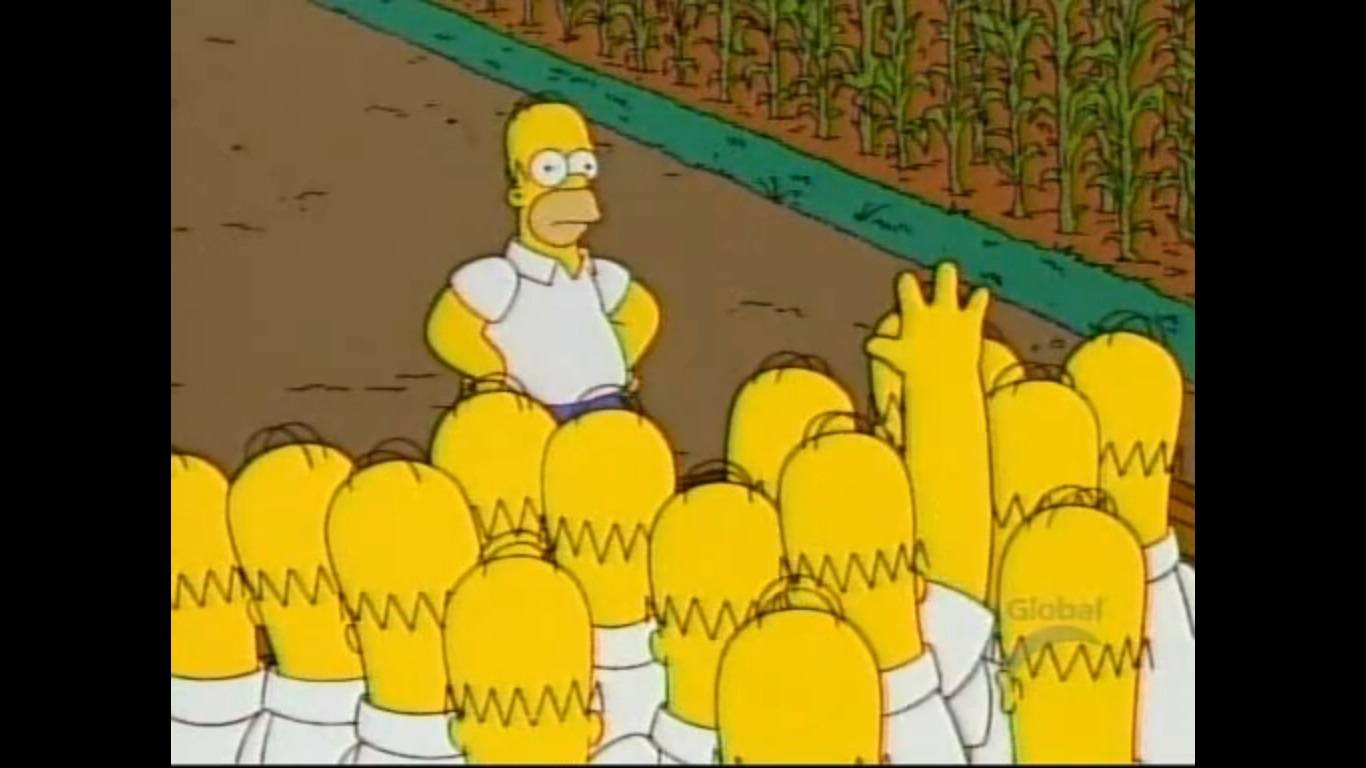
All of the offspring of an organism have the same genetic material, which is identical to the parent organism. From this, we can conclude that this organism -
a)
makes its own food
b)
is unicellular
c)
live in a marine habitat
d)
reproduces asexually
30.
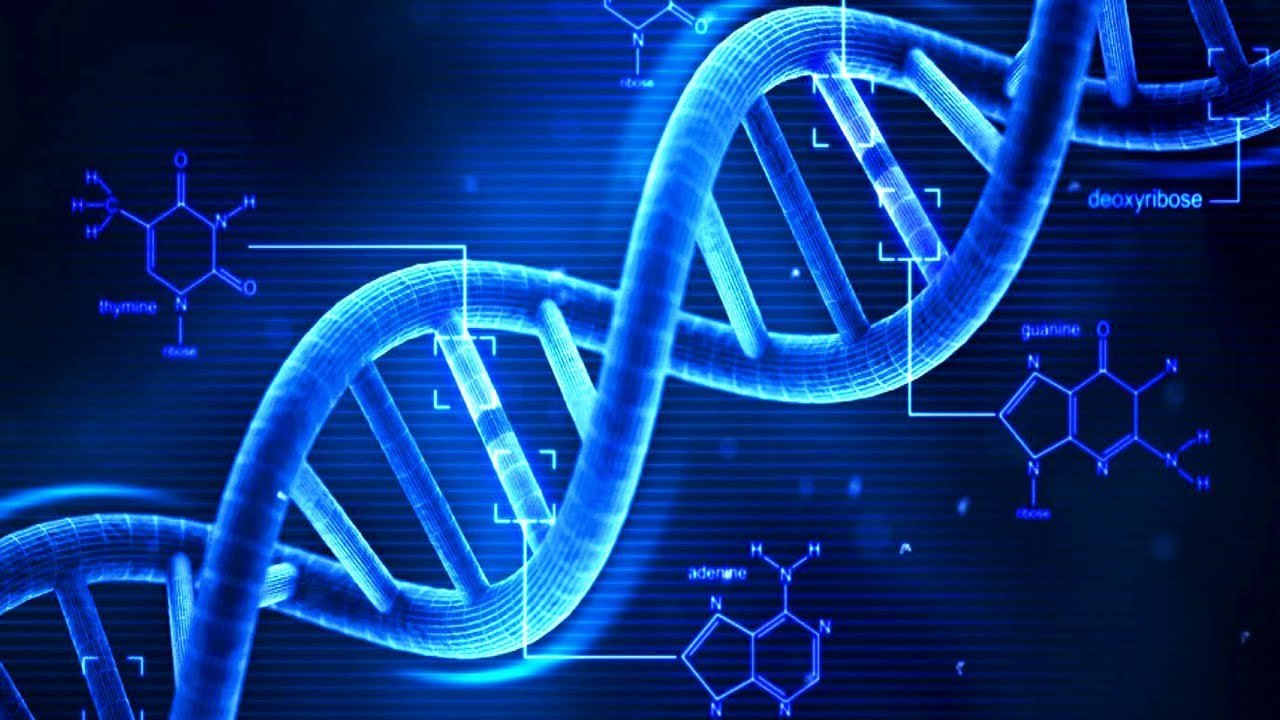
When comparing the offspring of sexually and asexually reproducing organisms, we would expect the genetic material (DNA) of the sexually reproducing organism to -
a)
contain fewer mutations
b)
be lesser in quantity
c)
be simpler overall
d)
show more variation
31.
What are some of the facts about asexual reproduction?
a)
Takes only one mate to reproduce and takes a longer time to reproduce
b)
Takes a shorter amount of time to reproduce and it takes two mates to reproduce
c)
Reproduces diverse offspring and takes a longer time to reproduce
d)
Takes only one mate to reproduce and takes a shorter time to reproduce
32.
What are some of the facts about sexual reproduction?
a)
Takes two mates to reproduce and takes a longer time to reproduce
b)
Takes one mate to reproduce and takes a shorter amount of time to reproduce
c)
Takes two mates to reproduce and takes a shorter amount of time to reproduce
d)
Takes one mate to reproduce and takes a shorter amount of time to reproduce
33.
Sexual reproduction requires _____ parents and asexual reproduction requires ___ parents
a)
1,1
b)
2,2
c)
2,1
d)
1,2
34.
What is an advantage of sexual reproduction?
a)
Allows genetic variation
b)
Only needs one parent
c)
Happens very quickly
d)
Offspring are exact copies of parent
35.
When a starfish grows a new body off a broken arm, what kind of reproduction is this?
a)
Sexual
b)
Differentiation
c)
Asexual
d)
Specialization
36.

Fishermen work hard to catch and remove all the starfish that get into their “underwater farms” where they raise clams & oysters. In the past, they put the starfish into their boats, cut them up with knives, and then throw the pieces of starfish overboard. They thought this would kill the starfish. What they did not know was that each piece of starfish will grow into a whole new animal. What type of asexual reproduction is taking place?
a)
Regeneration
b)
Vegetative propagation
c)
Budding
d)
Fission
37.

This is when a new organism grows by cell division on the body of its parent. The bud, or offspring is identical to the parent. The bud, when large enough, can break off of the parent and live on its own. Examples of this include yeast, hydra and potatoes.
a)
Regeneration
b)
Vegetative propagation
c)
Fission
d)
Budding
38.

Prokaryotes (bacteria) reproduce asexually via -
a)
spore formation
b)
bud creation
c)
vegetative propagation
d)
binary fission
39.
The production, growth, and maturation of an egg or ovum
a)
spermatogenesis
b)
oogenesis
c)
fertilization
d)
conception
40.
How many parents are required for sexual reproduction?
a)
one
b)
two
c)
four
d)
six
41.

The female sex cell
a)
sperm cell
b)
egg cell
c)
sex cell
d)
female cell
42.
What is it called when a sperm and egg meet?
a)
meiosis
b)
fertilization
c)
cell division
d)
mitosis
43.
Which process and type of resulting cells are represented?
a)
mitosis, gametes
b)
mitosis, body cells
c)
meiosis, gametes
d)
meiosis, body cells
44.
The chromosomes that pair up during meiosis, are called __________ chromosomes.
a)
homozygous
b)
asexual
c)
homologous
d)
genes
45.
A male shark has 40 chromosomes in each of its sex cells. How many would be present in its body cells?
a)
20
b)
40
c)
80
d)
160
46.

Which letter(s) in the diagram correspond to cells that are haploid?
a)
A
b)
B
c)
C
d)
A and B
47.
Compared to the number of chromosomes contained in a body cell, how many chromosomes would normally be contained in a gamete?
a)
The same number
b)
One-fourth as many
c)
Twice as many
d)
Half as many
48.

What is one of the advantages, why is it better to reproduce sexually versus asexually?
a)
survival of the fittest
b)
overproduction
c)
genetic variation
d)
cloning
49.
Crossing over helps promote
a)
male genotype
b)
genetic variation
c)
DNA replication
d)
mitosis
50.
Chromosomes exchange genetic material during
a)
crossing over
b)
replication
c)
synthesis
d)
translation
51.
A human zygote should have _____ chromosomes inside.
a)
46
b)
23
c)
92
d)
64
52.
What do experts say is the most common form of Down Syndrome?
a)
Trisomy 47
b)
Trisomy 46
c)
Trisomy 21
d)
Trisomy 23
53.
Females have ____ and males have _____ chromosomes.
a)
XX, XY
b)
XY, XX
c)
XX, XX
d)
XY, XY
54.

What is this?
a)
Trisomy 13
b)
Monosomy 21
c)
47, XXY
d)
Trisomy 21
55.
Diploid Cells are represented by
a)
2n
b)
n
c)
4n
d)
1/2 n
Reset

