
 Worksheets
Ch 24-Living Environment
Total questions: 64
Worksheet time: 1hrs 19mins
Name
Class
Date
1.

The image provided is an example of a(n):
a)
Carnivore
b)
Herbivore
c)
Producer
d)
Autotroph
2.

The image provided is an example of a(n):
a)
Producer
b)
Autotroph
c)
Consumer
d)
Insect
3.
What type of symbiosis?
*Snapping Shrimp have poor and depend on their goby fish roommate to give the danger signal when predators come and guide them
back home if they wander too far.
* Goby fish who don't have a place to hide are quickly eaten. They find a Snapping Shrimp roommate who digs a hole for both to live in.
*Snapping Shrimp have poor and depend on their goby fish roommate to give the danger signal when predators come and guide them
back home if they wander too far.
* Goby fish who don't have a place to hide are quickly eaten. They find a Snapping Shrimp roommate who digs a hole for both to live in.
a)
commensalism
b)
mutualism
c)
parasitism
d)
predation
4.
What type of symbiosis?
*Remora use suckers to attach temporarily to large marine animals such as sharks, manta rays, whales, turtles, or large fish.
*The shark provides free transportation, protection, and dropped food and feces which the remora feeds on. The host is not injured.
*Remora use suckers to attach temporarily to large marine animals such as sharks, manta rays, whales, turtles, or large fish.
*The shark provides free transportation, protection, and dropped food and feces which the remora feeds on. The host is not injured.
a)
commensalism
b)
mutualism
c)
parasitism
d)
predation
5.
What type of symbiosis?
*Fungi form lichens by living in a close relationship with an algae. The fungus provides a protective home for the algae, and gathers mineral nutrients from rainwater and from dissolving the rock underneath.
*The algae gathers energy from the sun using photosynthesis. Both organisms share their nutrients with each other.
*Fungi form lichens by living in a close relationship with an algae. The fungus provides a protective home for the algae, and gathers mineral nutrients from rainwater and from dissolving the rock underneath.
*The algae gathers energy from the sun using photosynthesis. Both organisms share their nutrients with each other.
a)
commensalism
b)
mutualism
c)
parasitism
d)
predation
6.
What type of symbiosis?
*Honeyguide birds find a bee hive, then chatter loudly to attract the Honey badger. They fly toward the hive making sure the badger is following.
*Upon arrival at the bee hive, the badger tears open the hive and feasts on the honey. Then the Honeyguide bird feeds on the remaining wax and larvae.
*Honeyguide birds find a bee hive, then chatter loudly to attract the Honey badger. They fly toward the hive making sure the badger is following.
*Upon arrival at the bee hive, the badger tears open the hive and feasts on the honey. Then the Honeyguide bird feeds on the remaining wax and larvae.
a)
commensalism
b)
mutualism
c)
parasitism
d)
predation
7.
What type of symbiosis?
* Skunk Cabbage plants attract flies in cool weather by making heat and provide food to the flies that come.
* Flies move from one Skunk Cabbage plant to the next feeding and transferring pollen as they go.
* Skunk Cabbage plants attract flies in cool weather by making heat and provide food to the flies that come.
* Flies move from one Skunk Cabbage plant to the next feeding and transferring pollen as they go.
a)
commensalism
b)
mutualism
c)
parasititsm
d)
predation
8.
What type of symbiosis?
* Human intestine provides food for bacteria that live inside digestive system
*Beneficial bacteria live in the intestine of humans and help digest cellulose from plants which humans don’t have the enzymes to break down.
* Human intestine provides food for bacteria that live inside digestive system
*Beneficial bacteria live in the intestine of humans and help digest cellulose from plants which humans don’t have the enzymes to break down.
a)
commensalism
b)
mutualism
c)
parasititsm
d)
predation
9.
Which of the following symbiotic relationships is considered parasitic?
a)
ticks feeding on a dog
b)
bees transporting pollen from flowers
c)
pilotfish swimming under sharks
d)
birds eating the insects from the back of a hippopotamus
10.

Counting hawks with and without bands on their legs is
a)
direct observation
b)
indirect observation
c)
sampling
d)
mark and recapture
11.
Which symbols best describe mutualism?
a)
+,+
b)
+,-
c)
+,0
d)
-,0
12.

When a population grows past the ecosystem's carrying capacity, what happens to the population?
a)
Continues to grow
b)
The population starts to die off to return to carrying capcity
c)
The population will go extinct due to lack of resources
d)
The population grows then finds a new carrying capacity
13.

This is an image of a _________.
a)
consumer
b)
scavenger
c)
decomposer
d)
producer
14.
A collection of organisms that make up a community as well as all of the nonliving aspects of the environment.
a)
Population
b)
Community
c)
Habitat
d)
Ecosystem
15.
Organisms that feed on both living producers and other consumers.
a)
Carnivores
b)
Omnivores
c)
Herbivores
d)
Detritivores
16.
Part of the earth that living organisms inhabit
a)
biosphere
b)
biome
c)
niche
d)
ecosystem
17.
What is the first thing that would happen in this food chain if the grass died?
Sun -> Grass -> Mouse -> Snake -> Hawk
Sun -> Grass -> Mouse -> Snake -> Hawk
a)
The snake population would increase
b)
the mouse population would increase
c)
the mouse population would decrease
d)
the hawk population would decrease
18.

What type of growth is represented behind?
a)
exponential
b)
logistics
c)
a good kind
d)
representative
19.

What point on the graph represents the carrying capacity?
a)
A
b)
B
c)
C
d)
D
20.
A frog eats a fly. The frog and fly are demonstrating ________.
a)
mutualism
b)
competition
c)
predator/prey
d)
parasitism
21.
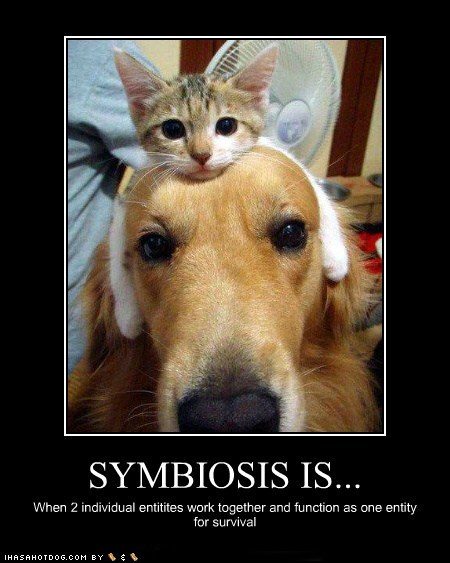
A relationship in which two species live closely together.
a)
resource
b)
mutualism
c)
succession
d)
symbiosis
22.
The highest rate of reproduction possible
a)
population
b)
limiting factor
c)
biotic potential
d)
carrying capacity
23.
number of organisms per certain area
a)
carrying capacity
b)
limiting factor
c)
total population
d)
population density
24.
There are 150 Saguaro cacti plants per square kilometer in a certain area of Arizona desert. To which population characteristic does this information refer?
a)
growth rate
b)
geographic distribution
c)
age structure
d)
population density
25.
When organisms move out of the population, this is known as
a)
emigration
b)
abandonment
c)
immigration
d)
succession
26.
All of the following are limiting factors EXCEPT
a)
immigration
b)
competition
c)
drought
d)
predation
27.
If a population grows larger than the carrying capacity of the environment, the
a)
death rate may rise
b)
birth rate may rise
c)
death rate must fall
d)
birth rate must fall
28.
The anticipated human population by the year 2050 is about
a)
7.8 billion
b)
9 billion
c)
9 trillion
d)
78 billion
29.
greatest number of individuals in a population that the environment can hold at that point in time
a)
limiting factor
b)
biotic potential
c)
carrying capacity
d)
exponential growth
30.

Cattle egrets forage (feed) in fields among cattle. The egret gets easy access to flying insects stirred up by the cattle, and the cattle don't care if they are there or not.
a)
mutualism
b)
commensalism
c)
competition
d)
parasitism
31.
A relationship between two organisms in which one organism benefits and the other is unharmed...
a)
Mutualism
b)
Competition
c)
Parasitsm
d)
Commensalism
32.
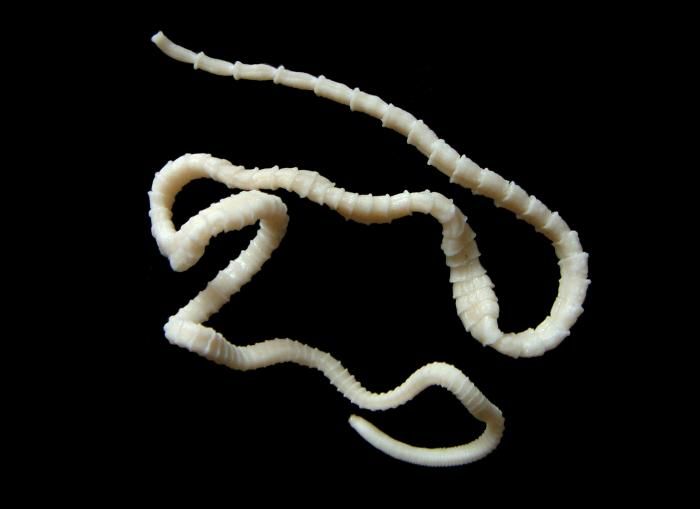
A tapeworm and a cat have this type of relationship.
a)
mutualism
b)
parasitism
c)
commensalism
d)
competition
33.
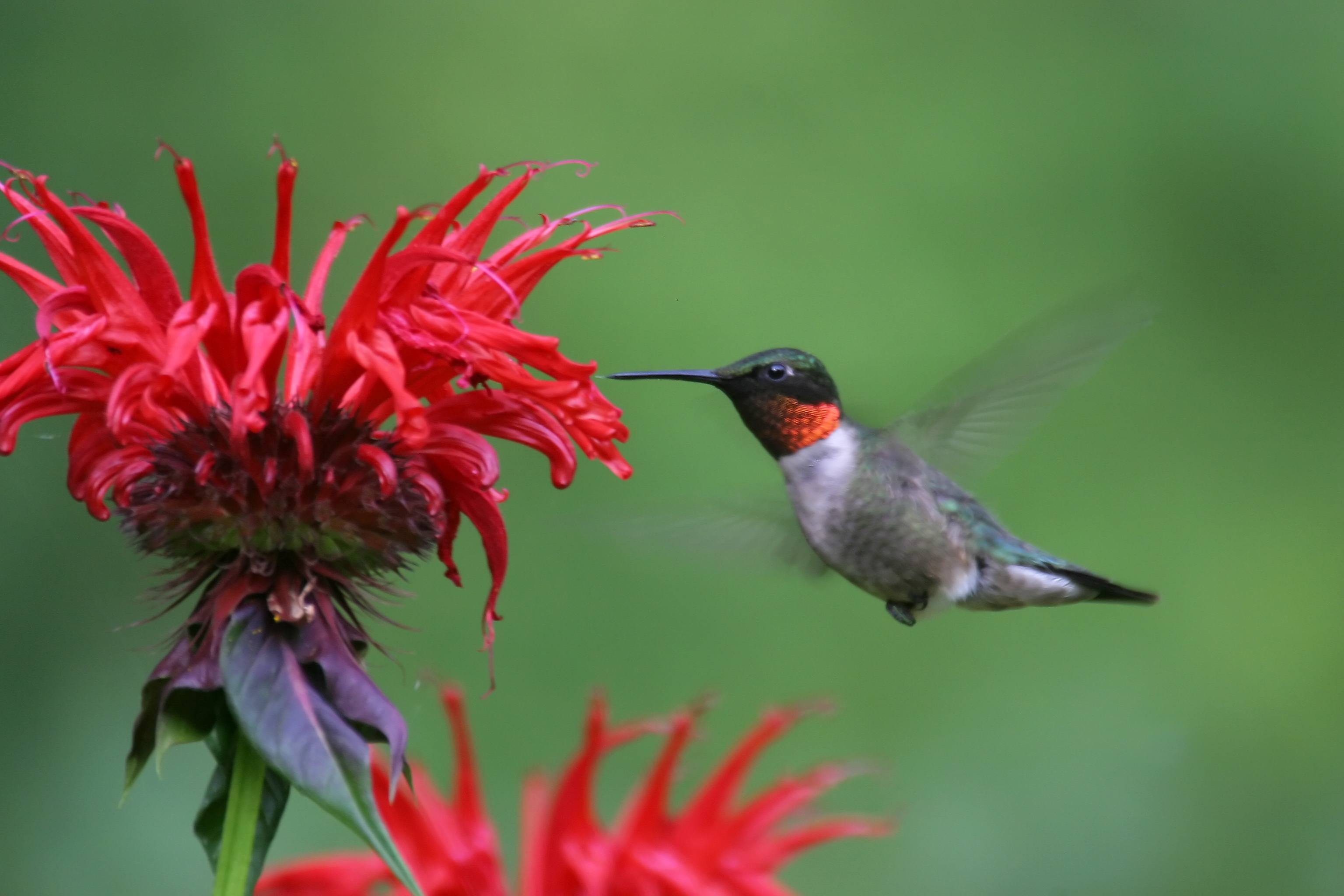
What type of symbiosis? Hummingbirds feed on nectar from flowers. The flowers are pollinated by hummingbirds as they move from flower to flower.
a)
commensalism
b)
mutualism
c)
parasitism
d)
predation
34.
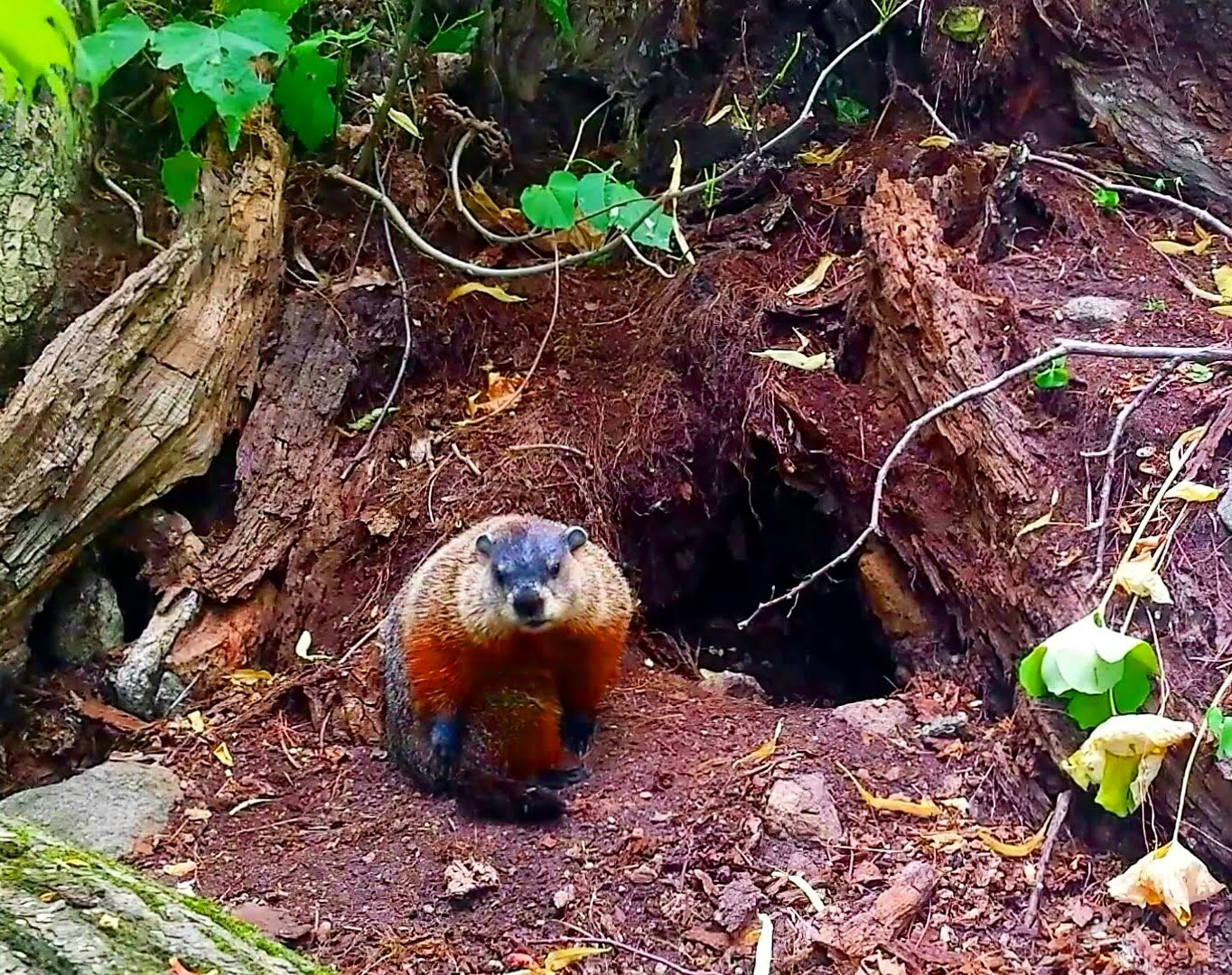
What type of symbiosis? Skunks often live in burrows that have been dug and abandoned by woodchucks.
a)
commensalism
b)
mutualism
c)
parasitism
d)
predation
35.
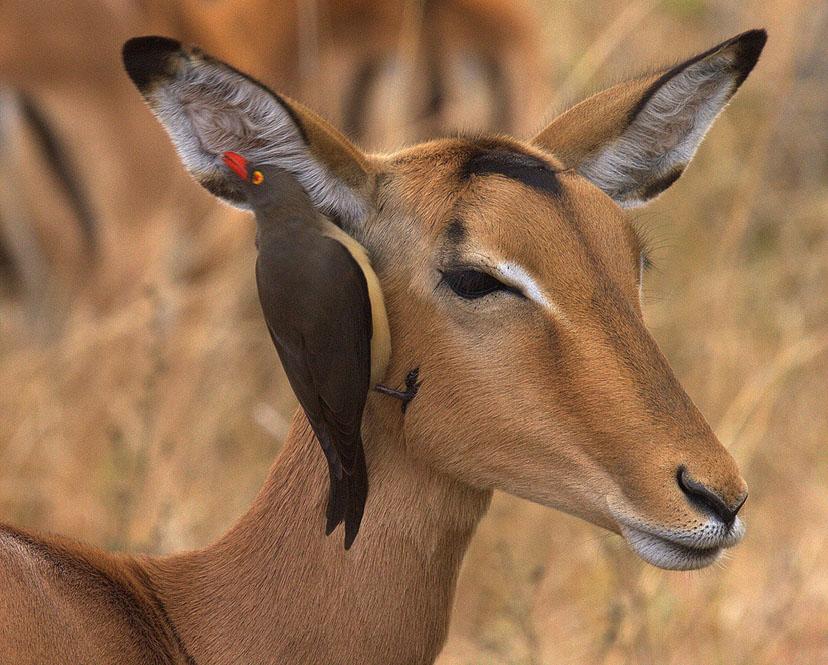
Red-billed oxpeckers are birds that often feed on parasites that infest impala. This is an example of _______.
a)
commensalism
b)
mutualism
c)
neutralism
d)
competition
36.
A relationship between two organisms in which both organisms benefit.
a)
Mutualism
b)
Competition
c)
Parasitsm
d)
Commensalism
37.
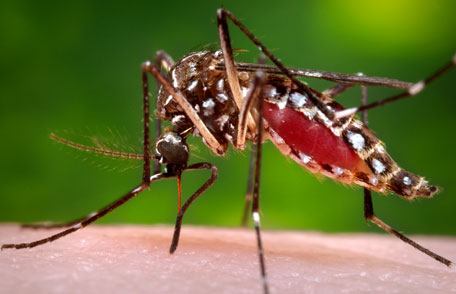
When a mosquito bites you, you are the __________ and the mosquito is the ____________.
a)
host, hostess
b)
parasite, host
c)
host, parasite
d)
prey, predator
38.

Aphids are tiny insects that live on and eat the leaves of plants, removing vital nutrients from the plants.
a)
Predation
b)
Parasitism
c)
Commensalism
d)
Mutualism
39.
Role an organism plays in an environment.
a)
Niche
b)
Nice
c)
Quiche
d)
Habitat
40.
Graphic organizer to demonstrate how one organism eats another organism and obtains energy.
a)
Food Chain
b)
Food Web
c)
Energy Pyramid
d)
Energy Chain
41.
Largest population an environment can support at any time.
a)
Indicator Species
b)
Limiting Factors
c)
Carrying Capacity
d)
Limiting Capacity
42.
Physical location where an organism lives.
a)
Ecosystem
b)
Population
c)
Niche
d)
Habitat
43.
Animal that eats both producers and consumers.
a)
Herbivore
b)
Carnivore
c)
Omnivore
d)
Tyrannasaurusvore
44.
Animal that eats only meat.
a)
Herbivore
b)
Omnivore
c)
Carnivore
d)
Stegasaurusvore
45.
Animal that eats only producers.
a)
Herbivore
b)
Omnivore
c)
Carnivore
d)
Velicoraptivore.
46.
Factors that can limit or decrease the size of a population.
a)
Carrying Capacity
b)
Limiting Factors
c)
Photosynthesis
d)
Respiration
47.
An organism that makes its own food.
a)
Consumer
b)
Producer
48.
Food, water, sunlight, shelter, and space are resources that are often __________.
a)
limiting factors
b)
wet
c)
messy
d)
found in rocks
49.
If the number of births is greater than the number of deaths in a population, what will happen to the growth of the population?
a)
It will increase.
b)
It will decrease.
c)
It will stay the same.
d)
It will fluctuate.
50.

The average number of people per square mile
a)
population distribution
b)
population density
c)
urbanization
d)
population rate
51.
If the number of births in a population is the same as the number of deaths in a population, what will happen to the growth of the population?
a)
It will increase.
b)
It will decrease.
c)
It will stay the same.
d)
It will fluctuate.
52.
If there is more food than usual in an ecosystem, then the population will mostly likely...
a)
stay the same
b)
decrease
c)
increase
53.
Which study would be best suited for counting a small population [such as the number of ducks in a pond]?
a)
Direct Observation
b)
Indirect Observation
c)
Sampling
d)
Mark and Reccapture
54.
An individual living thing is a/an __________.
a)
habitat
b)
ecosystem
c)
organism
d)
population
55.
A group of organisms of the same species living in the same area are called a/an ________.
a)
community
b)
habitat
c)
population
d)
ecosystem
56.
All of the living and nonliving things in an area that interact with each other are called a/an ______.
a)
community
b)
habitat
c)
population
d)
ecosystem
57.
A group of different species that live together and interact in an environment are called a/an ________.
a)
community
b)
habitat
c)
population
d)
ecosystem
58.

What is the name for all the animals of the same species living in an ecosystem?
a)
Population
b)
Community
59.

What is the name for all the living things in an ecosystem?
a)
Population
b)
Community
60.

An animal that hunts other animals for food is called a ___________________.
a)
Villian
b)
Predator
c)
Prey
d)
Fred
61.
An animal that is hunted by other animals for food is called _____________________ .
a)
Victim
b)
Sally
c)
Predator
d)
Prey
62.
The number of offspring (live births, eggs, or plant seeds and spores) produced under ideal situations is called an organism's
a)
biotic potential
b)
environmental resistance
c)
critical number
d)
equilibrium
63.
The part of the Earth that supports life
a)
biosphere
b)
biome
c)
biotic factors
d)
biology
64.
Abiotic or biotic factors that limit the size of the population; disease, competition, predators, drought, space, etc
a)
abiotic factors
b)
biotic factors
c)
limiting factors
d)
carrying capacity
100 %

