
 Worksheets
Industrial Revolution
Total questions: 121
Worksheet time: 2hrs 34mins
Name
Class
Date
1.
He created the company known as Standard Oil
a)
Andrew Carnegie
b)
Cornelius Vanderbilt
c)
John D. Rockefeller
d)
Thomas Edison
2.
He used the Bessemer Process in a factory in Pittsburg Pennsylvania, to mass produce stronger steel
a)
John D. Rockefeller
b)
Andrew Carnegie
c)
Terrence Powderly
d)
Cornelius Vanderbilt
3.
How did the Industrial Revolution affect the cities?
a)
Made the crime rate decrease
b)
Led to an increase in farm workers
c)
Make the cities cleaner and safer
d)
Led to an increase in population in the cities
4.
What was the purpose of labor unions?
a)
Negotiate as a group for bigger factories
b)
Negotiate as a group for better working conditions
c)
Negotiate as a group for a political revolution
d)
Negotiate as a group for a social revolution
5.
When workers in a union refuse to work until conditions improve
a)
Urbanization
b)
Labor Union
c)
Factory System
d)
Strike
6.
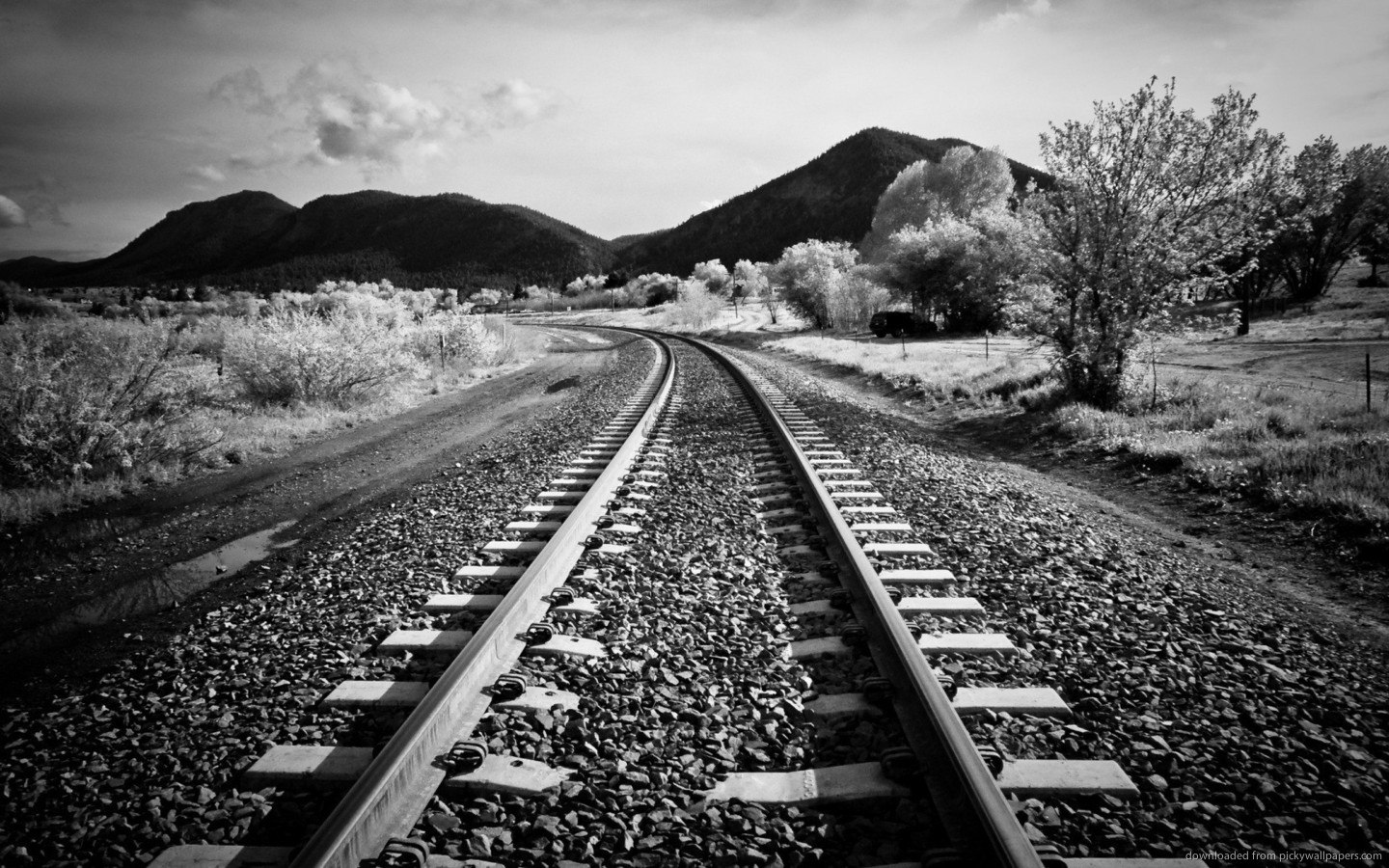
Why were railroads so important during this time?
a)
they moved goods more quickly and less expensively over greater distances
b)
they were fun to ride on to go visit family in other states
c)
people could ride on railroads to get to their jobs in another city
7.
an organization of workers designed to help them get better pay and working conditions
a)
union
b)
protest
c)
strike
d)
demand
8.

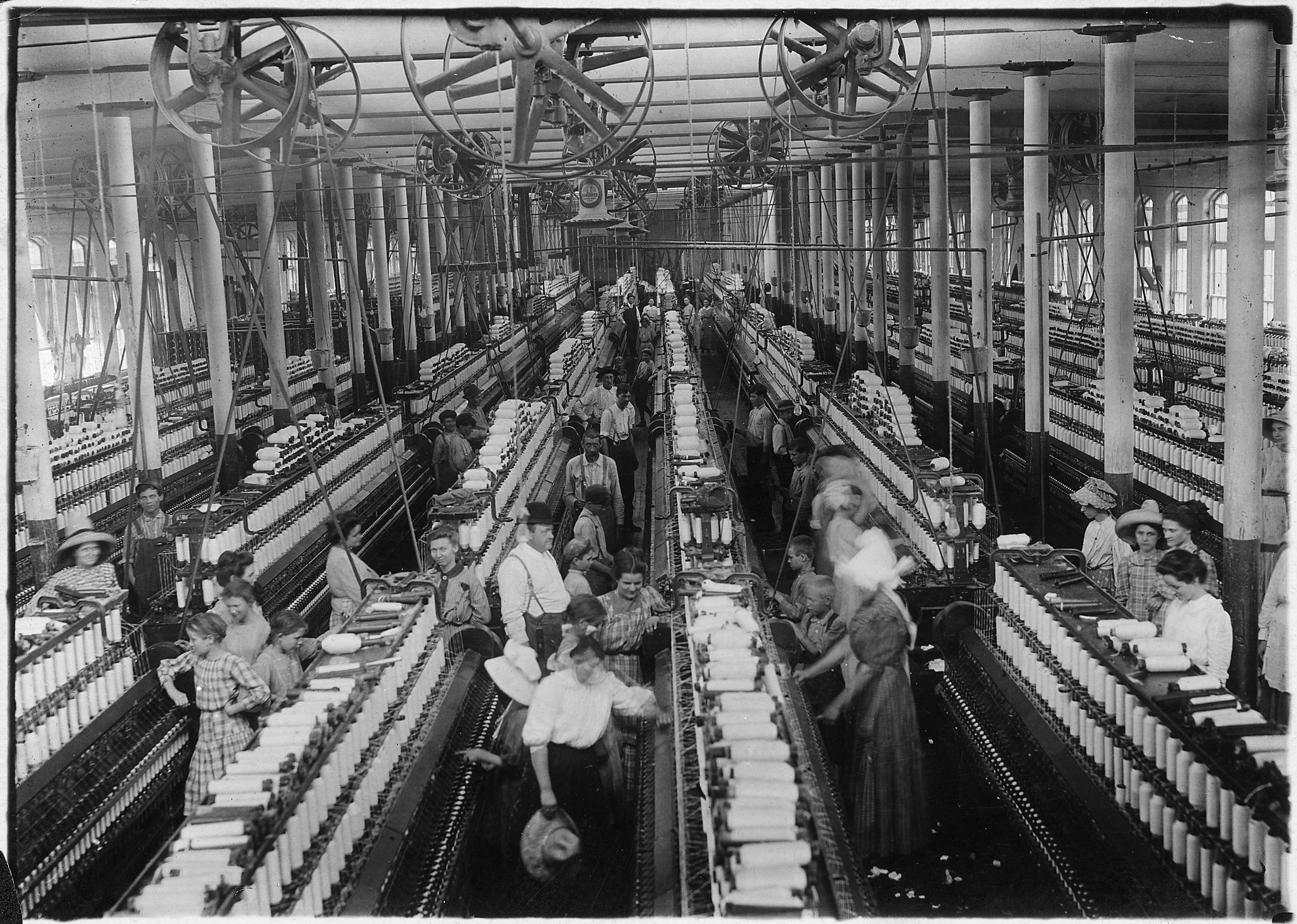
The photo demonstrates one of the problems with
a)
overcrowding urban tenements.
b)
labor union activism in urban areas.
c)
the overproduction of consumer goods.
d)
the growth of political machines.
9.

Images such as this illustrate the position that many US companies were —
a)
requiring vocational training programs for children
b)
employing children as a source of cheap labor
c)
seeking government regulation of child labor
d)
providing safe working conditions for child laborers
10.
Between 1860 and 1910, the U.S. population tripled due to:
a)
The Baby Boom
b)
Immigration
c)
The Homestead Act
d)
Better Healthcare
11.

What was Ellis Island?
a)
An amusement park
b)
An immigration living quarters in New Jersey
c)
An immigration center
d)
The first capital of the United States
12.
Which statement best describes working conditions in many American factories in the late nineteenth century?
a)
The work was challenging but laborers were generally paid well and offered benefits
by the companies for which they worked.
b)
The work was typically performed by skilled, experienced workers, many of whom belonged
to trade unions.
c)
The work was hard, dirty,
often dangerous, and typically was performed by unskilled workers
for little pay.
d)
The work consisted primarily of low-paying jobs, but all workers were awarded an opportunity to advance.
13.
Which of the following best explains why industrialization increased dramatically in the United States during the late nineteenth century?
a)
Immigration
and urbanization provided a surplus of cheap
labor.
b)
Government-mandated education led to a more well-educated populace
ready and able to compete
with other industrial nations.
c)
The discovery of oil reserves made America the
richest nation in the world.
d)
State-supported universities focused primarily
on providing the skills necessary
for the nation's continued industrial development.
14.
What system will rise as a result of the Industrial Revolution?
a)
Cottages
b)
Gaming
c)
Factory
d)
Voting
15.
What industry was paralyzed by the Pullman Strike of 1894?
a)
Clothing
b)
Steel
c)
Railroads
d)
It was spread across several industries
16.
What does AFL stand for?
a)
American Fun Labor
b)
American Finance of Labor
c)
American Freedom of Labor
d)
American Federation of Labor
17.
Women worked the same hours as men and were also paid the same.
a)
true
b)
false
18.
Knights of Labor, American Federation of Labor, and the Congress of Industrial Organization were examples of....
a)
Organized Crime
b)
Terrorist organizations
c)
Labor unions
19.
In which of the following places did 146 female workers die in a fire?
a)
Carnegie Steels Homestead Plant
b)
the Triangle Shirtwaist Factory
c)
Haymarket Square
d)
the Pullman factory
20.
The Homestead Strike was a protest
a)
in Colorado demanding safer working conditions.
b)
Chicago demanding an eight-hour workday.
c)
against the Pullman Palace Car Company’s unsafe working conditions
d)
against the Carnegie Steel Company’s plan to cut jobs.
21.
Which of the following is a strategy used by unions to force employers to meet labor demands?
a)
Injunctions
b)
Lock outs
c)
Scabs
d)
Strikes
22.
This machine separated the seed from cotton fibers.
a)
Spinning Mule
b)
Spinning Jenny
c)
Steam Engine
d)
Cotton Gin
23.
Andrew Carnegie
Cornelius Vanderbilt
John D. Rockefeller
Which title best describes these three men?
Cornelius Vanderbilt
John D. Rockefeller
Which title best describes these three men?
a)
Leaders of unions
b)
Politicians
c)
Captains of industry
d)
Inventors
24.
Cornelius Vanderbilt was the Captain of which industry?
a)
Steel
b)
Oil
c)
Railroads
d)
Banking
25.
Which of the following men was the Captain of the oil industry?
a)
Andrew Carnegie
b)
John D. Rockefeller
c)
Cornelius Vanderbilt
d)
J.P. Morgan
26.
Henry Ford is credited with creating the _____________ _____________, which revolutionized the way cars were made.
a)
Assembly Line
b)
Airplane
c)
Incandescent Lamp
d)
Telephone
27.
The Wright Brothers are credited with the invention of which of the following?
a)
The assembly line
b)
The airplane
c)
The lightbulb
d)
The telephone
28.
What is one reason so many Americans moved to cities?
a)
Job opportunities
b)
Electric heat
c)
Better transportation
d)
Immigration laws
29.
John D. Rockefeller is to oil as Cornelius Vanderbilt is to--
a)
Steel
b)
Oil
c)
Railroads
d)
Banking
30.
Which of the following men was the Captain of the steel industry?
a)
Andrew Carnegie
b)
John D. Rockefeller
c)
Cornelius Vanderbilt
d)
J.P, Morgan
31.
This method of retailiation from the company can possibly keep a person from ever working in that industry again?
a)
Scab
b)
Yellow Dog Contract
c)
Blacklist
32.
Which was a major reason for the increase of immigration during the early 20th century?
a)
Desire for a better life and job opportunities
b)
Desire to ride a ship for 3 months straight
c)
Desire to live in tenements and ghettos
d)
Desire for discrimination in major US cities
33.
Most immigrants came through this port in New York City...
a)
Ellis Island
b)
Roanoke Island
c)
Angel Island
d)
Liberty Island
34.
Many immigrants were forced to live in __________, or run-down, dirty, and cramped apartment-like buildings.
a)
Tenements
b)
Ghettos
c)
Townhouses
d)
Plantations
35.
Which of these would be a PUSH factor for immigrants?
a)
Religious freedom
b)
Better job opportunities
c)
Disease and famine
d)
Desire for adventure
36.
Which of these would be a PULL factor for immigrants?
a)
Civil unrest and war
b)
Poverty and poor education
c)
Oppressive government
d)
Hope for a better future
37.

The Gilded Age would be best described as.....
a)
The US was on a Gold Standard as of 1873
b)
There were many problems in the city although there were some who were experiencing wealth beyond imagination
c)
It was a period of growth and intensive manual labor
d)
It resulted in only benefits for the nation
38.
The American Federation of Labor is a union at what level?
a)
county
b)
state
c)
national
d)
world
39.
an area where people live closely together (such as a city or town); these areas have higher population densities
a)
urban
b)
rural
c)
industrial
d)
urbanization
40.
an area where people live somewhat far apart from one another and there is a low population density; people in these areas commonly farm or have ranches
a)
urban
b)
rural
c)
industrial
d)
urbanization
41.

Which was NOT a problem encountered by factory workers?
a)
Long hours
b)
Pay for working overtime hours
c)
Unsafe working hours
d)
Low wages
42.

Factory owners used child labor because children--
a)
Read better than their parents
b)
Are more efficient than other workers
c)
Can be paid less than adults
d)
Needed jobs to support parent
43.
If a child works 14 hours a day for 6 days a week, how many hours were they working?
a)
72
b)
78
c)
84
d)
88
44.
Which of the following BEST explains the physical impact of child labor
a)
children were losing limbs and lives
b)
children did not get an education
c)
children did not have any social skills
d)
children were working long hours
45.
What refers to new ideas about how to do something as well as the equipment needed to do it?
a)
Technology
b)
Biology
c)
Astrology
d)
Zoology
46.
The _________ was invited by Samuel Morse in order to help the railroads.
a)
Telegraph
b)
Telephone
c)
Telescope
d)
Television
47.
Controlling all of the business in an industry
a)
Stock
b)
Trust
c)
Monopoly
d)
Corporation
48.
Homestead Steel Works
a)
Rockefeller
b)
Morgan
c)
Carnegie
d)
All of them
49.
Grew up a poor, Scottish immigrant
a)
Rockefeller
b)
Morgan
c)
Carnegie
d)
All of them
50.
Oil industry
a)
Rockefeller
b)
Morgan
c)
Carnegie
d)
All of them
51.
Banking industry
a)
Rockefeller
b)
Morgan
c)
Carnegie
d)
All of them
52.
What product was first made using machines in factories?
a)
Steel
b)
textiles
c)
locomotives
d)
flying shuttles
53.
Which of the following was NOT associated with early factory working conditions?
a)
Low wages
b)
Safe working conditions
c)
Dangerous working conditions
d)
Widespread pollution
54.
A place where people and machines join together to mass produce goods.
a)
Cartel
b)
Corporation
c)
Factory
d)
Urbanization
55.
Before the Industrial Revolution all products were created by
a)
Factories
b)
Hand
c)
Slaves
d)
Royalty
56.
What is the movement from rural to urban areas called?
a)
Moving
b)
colonization
c)
inflation
d)
urbanization
57.
Why did people move to the cities during the Industrial revolution?
a)
Jobs in factories
b)
Jobs on the farm
c)
Family
d)
Friends
58.
Which statement is true?
a)
Children were not allowed to work in the mines during the Industrial Revolution
b)
Work conditions were closely regulated
c)
There were no labor laws that prevented children from working
d)
Children were allowed to work but they were treated fairly.
59.
Which 2 natural resources were the backbone of the Industrial Revolution?
a)
wood and peat
b)
oil and natural gas
c)
coal and iron
d)
cotton and tobacco
60.
What were living conditions in the city like during the Industrial Revolution?
a)
Very extravagant
b)
Strict housing regulations
c)
Spacious and luxurious
d)
Crowded and unsanitary
61.
The Industrial Revolution was triggered by sweeping changes in what?
a)
Religion
b)
Education
c)
Agriculture
d)
Politics
62.

Who invented the cotton gin?
a)
Eli Whitney
b)
Jim Morse
c)
James Watt
d)
the guy that delivers your pizza
63.
The Industrial Revolution happening during the _____ and the ____.
a)
1700s, 1800s
b)
1800s, 1900s
c)
1900s, 2000s
d)
1500s, 1600s
64.

When do we celebrate Labor Day?
a)
The first Monday in September?
b)
February 21st
c)
On Dr. Seuss's birthday (March 2nd)
d)
December 25th
65.
What does Labor Day celebrate?
a)
Enjoying time with family
b)
Having time to relax with friends
c)
a celebration of the social and economic achievements of American workers
d)
A sad moment in history
66.
Established the first research laboratory in Menlo Park, NJ.
a)
Thomas Edison
b)
Charles Darwin
c)
Nikola Tesla
d)
J.P. Morgan
67.

Companies who control all the different phases of the business to control profits & maximize efficiency use the method called
a)
Horizontal Integration
b)
Vertical Integration
c)
Big Business Model
d)
Maximum Profit Idea
68.
A monopoly is the total or complete control of a service, product or industry. Unfortunately for consumers, this prevents _______________.
a)
Unions
b)
Capitalism
c)
Competition
d)
regulation
69.
_______ is when workers refuse to work in order to force an employer to meet their demands.
a)
labor unions
b)
party
c)
strike
d)
sweatshop
70.

Formation of national labor unions in the late 1800's was mainly because of
a)
passage of laws that supported workers
b)
laws restricting immigration
c)
poor working conditions and low wages
d)
economic depression that led to high unemployment
71.
Collective bargaining is the
a)
practice used by employers to hire groups of laborers.
b)
practice used by employers to get the cheapest labor possible.
c)
idea that laborers working in groups are more productive in the workplace.
d)
idea that laborers acting together have greater success in negotiating with management.
72.
Why did immigrants often live in neighborhoods with others from their homelands?
a)
It was illegal to live anywhere else
b)
They didn't want to be in the US
c)
It made their adjustment to their new life easier
d)
No other housing was avaliable
73.
How did prejudice create problems for some immigrants?
a)
Major companies wanted to hire them
b)
People laughed at their accents
c)
Were not allowed jobs because of their race/ethnicity
d)
Immigrant children were not allowed to attend school
74.
Where were most immigrants from?
a)
Italy
b)
Slavic Countries
c)
Mexico, Cuba, Puerto Rico
d)
Europe
75.
The first stop for immigrants from China.
a)
Ellis Island
b)
Angel Island
76.
Immigrants from Europe came here first. They were taken by ferry boat here.
a)
Angel Island
b)
Ellis Island
77.
The Statue of Liberty represented all of these EXCEPT what to immigrants?
a)
Freedom
b)
Excitement for a new life
c)
Opportunity to be successful
d)
Fear for a worse life
78.
What is a main reason immigrants came to the US in the late 1800s and early 1900s?
a)
Did NOT want religious freedom
b)
Hoped for economic opportunity (to make money)
c)
Wanted LESS diversity
d)
Wanted to live more simply
79.
What challenges did immigrants face in the US?
a)
They caught diseases
b)
Had trouble learning the language/faced prejudice
c)
Uncomfortable in the large homes in the US
d)
Difficult to study for the citizenship test
80.
Immigrants faced this from native born Americans. This means they were treated unfairly because of their race/ethnicity.
a)
diversity
b)
prejudice
81.
Which Captain of Industry used the assembly line method to make his products?
a)
Pullman
b)
Ford
c)
Rockefeller
d)
Armour
82.
Which Captain of Industry made his company a monopoly before the government made a law to break up companies that got too big?
a)
Carnegie
b)
Ford
c)
Rockefeller
d)
Armour
83.
True or False: Labor unions are illegal in the United States today.
a)
True
b)
False
84.
What did workers want when they went on strike?
a)
Higher wages
b)
Better working conditions
c)
Fewer hours
d)
All of the above
85.
True or False:
Strikes during the Industrial Revolution were always peaceful.
Strikes during the Industrial Revolution were always peaceful.
a)
True
b)
False
86.
Which national union did Samuel Gompers found?
a)
NFL
b)
CIO
c)
AFL
d)
NEA
87.
Why did labor unions first form?
a)
To protect the rights of business owners
b)
To protect the rights of workers
c)
To protect the rights of customers
d)
Allof the above
88.
This capitalist was most famous for having a monopoly in the steel industry.
a)
Andrew Carnegie
b)
John D. Rockefeller
c)
Joseph Pulitzer
d)
JP Morgan
89.
This capitalist was most famous for having a monopoly in the banking industry.
a)
Andrew Carnegie
b)
John D. Rockefeller
c)
Joseph Pulitzer
d)
JP Morgan
90.
Someone who uses part of their large wealth to help others.
a)
Industrialist
b)
Monopoly
c)
Capitalist
d)
Philanthropist
91.
True or False
JP Morgan used the Bessemer Process to convert iron to steel cheaply and more easily.
JP Morgan used the Bessemer Process to convert iron to steel cheaply and more easily.
a)
True
b)
False
92.
Immigrants to the US mainly came from these two nations in the early 1800s.
a)
Germany and Japan
b)
France and Mexico
c)
Ireland and Germany
d)
Spain and China
93.
Most of the immigrants in the 1800s settled in this region
a)
North
b)
South
c)
East
d)
West
94.
Children during the Industrial Revolution were used as
a)
manager trainees
b)
specialized labor
c)
cheap labor
95.
Who was most responsible for children's protection and Child Labor Laws
a)
Nobility
b)
social workers
c)
unions and labor groups.
d)
Teachers
96.
To know the past, helps us understand the present and the future.
a)
True
b)
false
97.
Why did European immigrants move to the U.S. in the 1800's?
a)
To work on farms
b)
to work in factories (industry) in the North
c)
opportunity
98.
What was a result of European immigration in the early 1800's?
a)
Plenty of work
b)
More people were available for labor (to work) in factories
c)
higher wages
99.
In which country did the Industrial Revolution begin?
a)
The United States
b)
England
c)
France
d)
Germany
100.
The Industrial Revolution was triggered by sweeping changes in what?
a)
Religion
b)
Education
c)
Agriculture
d)
Politics
101.
fabric that is woven
a)
technology
b)
textile
c)
economy
d)
industrialization
102.
the way that a society or nation produces and distributes goods and services
a)
textile
b)
economy
c)
technology
d)
industrialization
103.
the use of human knowledge to create tools and machines that allow us to navigate and control the environment; does NOT have to be electronic
a)
industrialization
b)
technology
c)
economy
d)
textile
104.

What was the importance of the Erie Canal?
a)
more water for the settlers to use for their crops
b)
it connected the Hudson River to Lake Erie making transportation of goods easier
c)
it connected the Mississippi River and the Hudson River and made transportation of goods easier
105.
In what country did the Industrial Revolution begin?
a)
United States
b)
France
c)
Great Britain
106.
Where were most factories built?
a)
in the mountains
b)
in the desert
c)
along rivers
107.
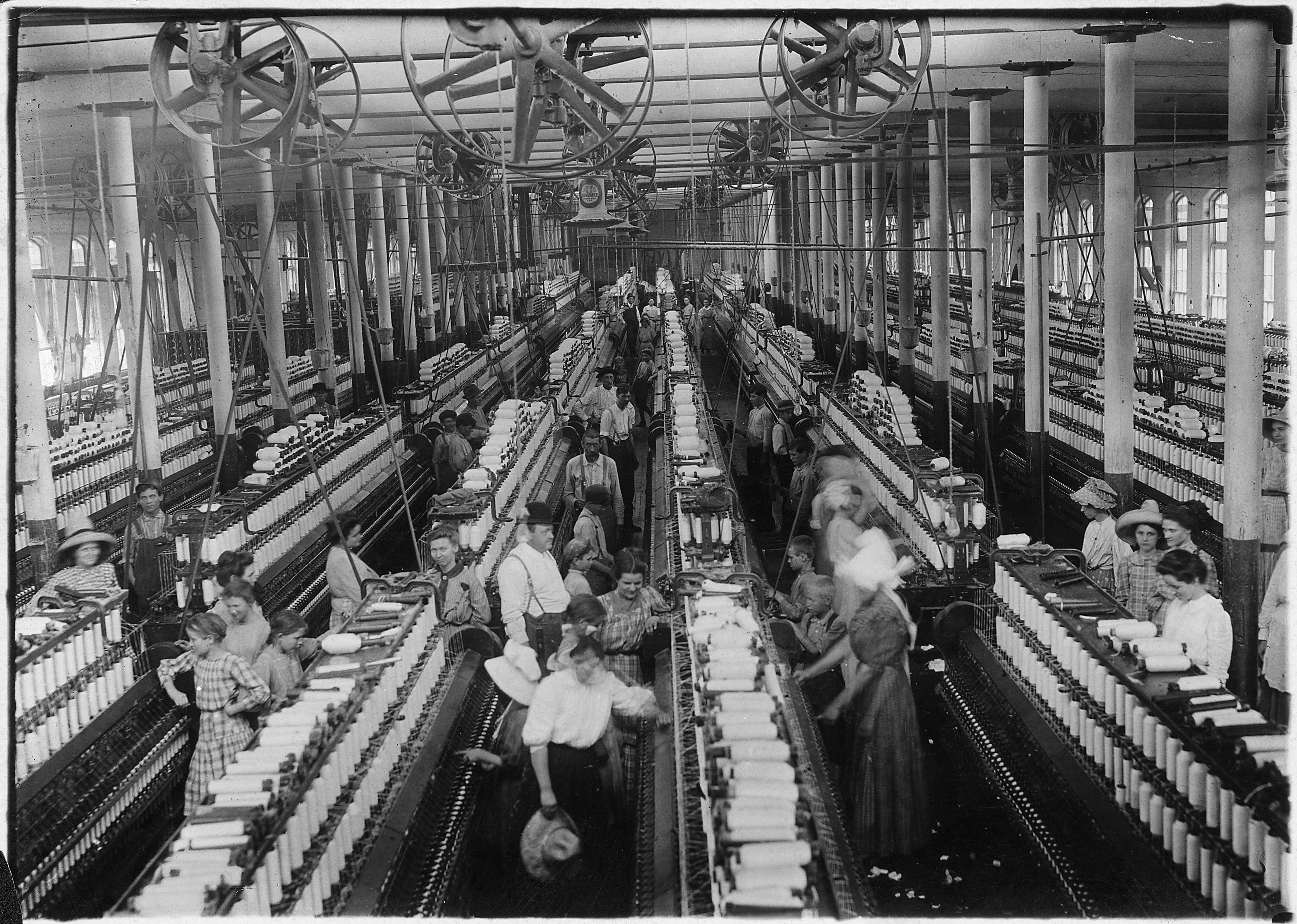
Who invented the first cotton-spinning mill?
a)
Eli Whitney
b)
Robert Fulton
c)
Francis Cabot Lowell
d)
Samuel Slater
108.

Who invented the first factory that combined machines which spun cotton into yarn with power looms?
a)
Samuel Morse
b)
Francis Cabot Lowell
c)
Elias Howe
d)
Cyrus McCormick
109.

Who invented cotton gin and interchangeable parts?
a)
John Deere
b)
Eli Whitney
c)
Samuel Slater
d)
Elias Howe
110.

Who invented the steamboat?
a)
Robert Fulton
b)
Samuel Morse
c)
Cyrus McCormick
d)
Francis Cabot Lowell
111.

Who invented the telegraph?
a)
Elias Howe
b)
Eli Whitney
c)
Samuel Slater
d)
Samuel Morse
112.

Who invented the mechanical reaper?
a)
Eli Whitney
b)
Samuel Morse
c)
Cyrus McCormick
d)
John Deere
113.
The change from individual production of goods to machine production is called
a)
urbanization
b)
industrialization
c)
agrarian societs
d)
nullification
114.
Before the Industrial Revolution all products were created by
a)
Factories
b)
Hand
c)
Slaves
d)
Royalty
115.
Why did people move to the cities during the Industrial revolution?
a)
Jobs in factories
b)
Jobs on the farm
c)
Family
d)
Friends
116.
Which statement is true?
a)
Children were not allowed to work in the mines during the Industrial Revolution
b)
Work conditions were closely regulated
c)
There were no labor laws that prevented children from working
d)
Children were allowed to work but they were treated fairly.
117.
Mass production led to:
a)
Products being more superior in quality
b)
goods became less expensive
c)
laborers received higher wages
d)
industries moved to rural areas
118.
The making of many items in a short period of time.
a)
Assembly Line
b)
Artisan Skills
c)
Mass Production
d)
Handcrafting
119.
The Industrial Revolution happening during the _____ and the ____.
a)
1700s, 1800s
b)
1800s, 1900s
c)
1900s, 2000s
d)
1500s, 1600s
120.
Henry Ford found he could produce cars less expensively and more quickly by doing which of the following?
a)
using the assembly line
b)
using designs made in Japan
c)
using plastic instead of steel
d)
hiring only immigrants
121.
What were living conditions in the city like during the Industrial Revolution?
a)
Very extravagant
b)
Strict housing regulations
c)
Spacious and luxurious
d)
Crowded and unsanitary
100 %

