
 Worksheets
Throwback Review
Total questions: 50
Worksheet time: 37mins
Name
Class
Date
1.

Controls what enters and leaves the cell
a)
Mitochondria
b)
Cell Membrane
c)
Cell Wall
d)
Nucleus
2.
Stores food and water for the cell.
a)
Cytoplasm
b)
Cell Wall
c)
Vacuole
d)
Nucleus
3.
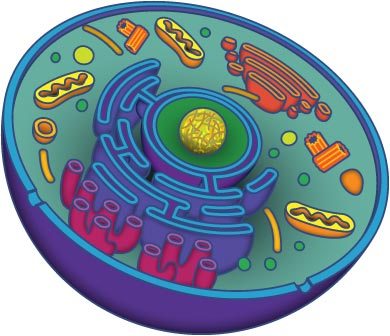
All living things are made up of...
a)
cells
b)
cell tissues
c)
organ
d)
organ systems
4.
Which structures are found in every living cell?
a)
cell membrane and cytoplasm
b)
chloroplasts and mitochondria
c)
a cell wall and nucleus
d)
chloroplasts and cell wall
5.
Gives the cell a rigid, box-like shape; outside of the cell membrane; in plants.
a)
cytoplasm
b)
chromatin
c)
cell wall
d)
cell membrane
6.
Consists of a jellylike substance that contains many organelles.
a)
ribosomes
b)
cytoplasm
c)
chloroplasts
d)
cell wall
7.

I make proteins for the cell. What am I?
a)
ribosome
b)
mitochondria
c)
chloroplast
d)
lysosome
8.

You might think of me as the trash collector or agent of "detoxification". What am I?
a)
cytoplasm
b)
lysosome
c)
vacuole
d)
ribosome
9.

What is a producer?
a)
an organism that gets energy from eating other organisms
b)
an organisms that uses sunlight to make its own food
c)
an organism that gets energy from eating dead organisms, non-living material or waste
d)
an organism that uses chemical energy to make its own food
10.

What is a herbivore?
a)
an animal that gets energy from eating other animals
b)
an organism that gets energy from eating only plants
c)
an animal that gets energy by eating both plants and other animals
d)
an animal that eats only herbs
11.

A connection of food chains with many food energy paths in an ecosystem is a ____________
a)
ecosystem
b)
food web
c)
environment
d)
population
12.

What is a carnivore?
a)
an animal that gets energy by eating other animals
b)
An animal that gets energy by eating only plants
c)
an animal that gets energy by eating both plants and animals
d)
an animal that makes its own energy through photosynthesis
13.
The female part of the flower is known as the ____.
a)
stamen
b)
anther
c)
filament
d)
pistil
14.
The male part of the flower is known as the _____.
a)
stamen
b)
pistil
c)
ovary
d)
petal
15.

What is #8 pointing to?
a)
petal
b)
stamen
c)
pistil
d)
ovary
16.

What is #4 pointing to?
a)
anther
b)
style
c)
stigma
d)
ovary
17.

What is #6 pointing to?
a)
stigma
b)
style
c)
ovary
d)
petal
18.
What is one reason why some plants have scents?
a)
to shed extra water off the plant
b)
to take in nutrients from the soil
c)
to attract animals to spread its pollen
d)
to conserve water during dry periods
19.

Some trees shed their leaves in time for winter. Why is this adaptation useful?
a)
The trees save energy during the darker, colder months.
b)
The trees take in more sunlight through their branches.
c)
The trees attract animals to spread their seeds.
d)
The trees blend into their environment and hide.
20.
What is an adaptation?
a)
A feature that helps a plant grow.
b)
A feature that helps a living thing survive.
c)
A feature that helps a living thing walk.
d)
A feature that that helps only animals survive.
21.
What is photosynthesis?
a)
a prossess used by plants to obtain food
b)
when cats explode
c)
chemidcal enegy
d)
another word for fungus
22.
What is the correct way to write the scientific name correctly?
a)
Genus species
b)
genus Species
c)
Genus Species
d)
genus species
23.
Are living things biotic or abiotic?
a)
Biotic
b)
Abiotic
24.
The science of the classification of organisms.
a)
Taxonomic System
b)
Taxonomy
c)
Classification
d)
Variations
25.
Which 2 organisms would be able to reproduce and produce fertile offspring?
a)
2 organisms in the same class
b)
2 organisms in the same family
c)
2 organisms in the same genus
d)
2 organisms in the same species
26.

The 8 levels of classification, most broad to most specific.
a)
Domain, Genus, Family, Order, Class, Phylum, Kingdom, Species
b)
Domain, Species, Kingdom, Genus, Phylum, Family, Class, Order
c)
Domain, Kingdom, Phylum, Class, Order, Family, Genus, Species
d)
Order, Kingdom, Species, Domain, Phylum, Family, Class, Genus
27.
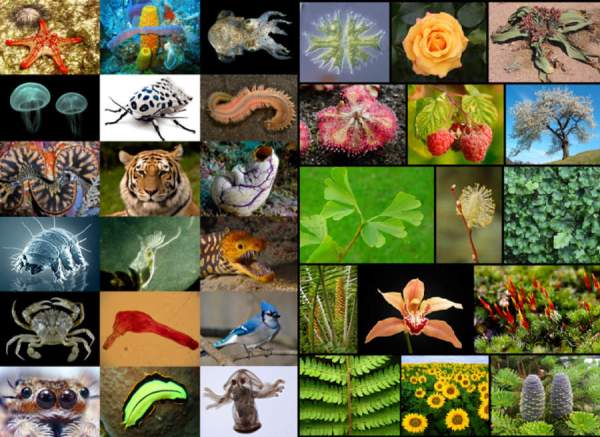
Which biome has the most variety of plants and animals?
a)
Temperate Forest
b)
Rainforest
c)
Tundra
d)
Grasslands
28.

In which 2 biomes can only plants/animals with adaptations survive?
a)
Taiga/Temperate Forest
b)
Grasslands/Desert
c)
Tundra/Desert
d)
Rainforest/Tundra
29.

Which biome do we live in?
a)
Grasslands
b)
Taiga
c)
Rainforest
d)
Temperate Forest
30.
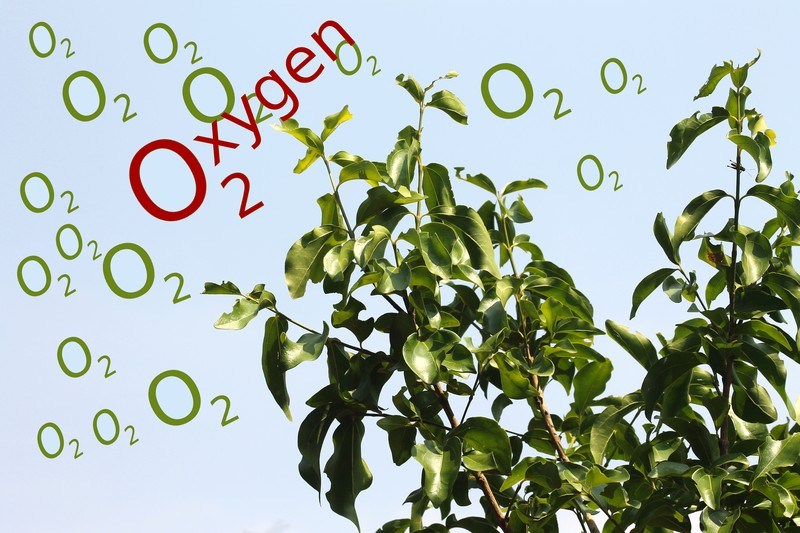
Which biome produces over 50% of the world's oxygen?
a)
Rainforest
b)
Temperate Forest
c)
Grasslands
d)
Taiga
31.
How do adaptations help animals?
a)
to hide from predators
b)
to hunt for food
c)
to survive in their habitats
d)
All of these are correct
32.
An animal's color or pattern that helps it blend into its surroundings
a)
Environment
b)
Mimicry
c)
Camouflage
d)
Habitat
33.
When an animal looks like another animal it is called ______________.
a)
camouflage
b)
mimicry
c)
warning coloration
d)
protective resemblance
34.
The environment in which an animal lives is called its...
a)
habitat
b)
adaptation
c)
variation
d)
relatedness
35.
What are the 4 things that living things need to survive?
a)
air, food, protection, love
b)
food, water, space, air
c)
love, protection, air, space
d)
protection, water, meat, plants
36.
True/False: Pollination can occur within the same flower.
a)
True
b)
False
37.
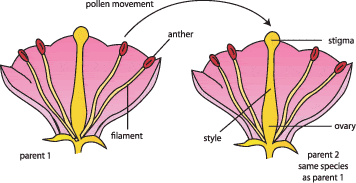
True/False: Pollination can occur between flowers of the same plant.
a)
True
b)
False
38.
Pollination is the process by which the pollen grains are transferred from the ________ to the _________.
a)
anther... ovary
b)
anther ... stigma
c)
stigma ... ovary
d)
stigma ... filament
39.

What does an ovule become when it is pollinated?
a)
a seed
b)
a sprout
c)
a fruit
d)
it stays an ovule
40.
Why do some animals hibernate?
a)
The cold weather makes them sleepy.
b)
Their food supply is smaller in the winter.
c)
They have no one to play with.
41.
Environmental changes leads to
a)
variations
b)
pollution
c)
predation
d)
artificial selection
42.
Natural selection is when ____________ decides who survives and who doesn't
a)
nature
b)
humans
c)
animals
d)
years
43.
The purpose of selective breeding is to
a)
get bigger animals
b)
get smaller animals
c)
create animals with desirable traits
d)
create animals with bad traits
44.
Which statement is true about the fossil record?
a)
It is a record of all living things
b)
It shows how our climate has remained the same over time
c)
It provides evidence for history of life on Earth
d)
It does not support the theory of evolution
45.
An organism that no longer exists on Earth is called
a)
Decayed
b)
Evolved
c)
Extinct
d)
Preserved
46.

What is the correct order of the rock layers from oldest to youngest?
a)
B, C, D, E, A
b)
A, B, C, D, E
c)
E, D, C, B, A
d)
B, C, D, A, E
47.
Where can the oldest layer be found?
a)
The top layer
b)
The middle layer
c)
They are all the same age
d)
The bottom layer
48.
One of the main differences between the outer and inner planets is __________.
a)
The inner planets all have water
b)
the inner planets are much bigger than the outer planets
c)
the outer planets are gas planets
d)
the outer planets have rings, and the inner planets don't
49.

Put the stars in order from hottest to coolest.
a)
Blue, Red, White, Yellow, Orange,
b)
Red, White, Yellow, Orange, Blue
c)
Blue, White, Yellow, Red, Orange
d)
Blue, White, Yellow, Orange, Red
50.
What is the correct order of the moon phases?
a)
new, full, 1st quarter, 3rd quarter
b)
new moon, 1st quarter, full moon, 3rd quarter
c)
1st quarter, 3rd quarter, new moon, full moon
d)
new, 1st quarter, 3rd quarter, full
100 %

