wayground logo

Free Printable Worksheets

NEW

Font size

S
M
L
XL
Worksheets

LONG EXAM IN SCIENCE 10 (Biomolecules)

Total questions: 50

Worksheet time: 24mins

Name
Class
Date
1.

What type of test is used in determining the presence of carbohydrates?

a)

Tollen's Test

b)

Benedict's Test

c)

Iodine Test

d)

None of the choices

2.

Glucose is a _____________________

a)

lipid

b)

monosaccharide

c)

protein

d)

starch

3.

Lactose is made up of?

a)

amylose and amylopectin

b)

galactose and glucose

c)

glucose and fructose

d)

glycogen and cellulose

4.

One function of carbohydrates is to______________

a)

maintain blood flow

b)

catalyze physiological reactions

c)

store and transport genetic material

d)

provide structural framework of cell walls

5.

The three classifications of carbohydrates are ______________.

a)

sucrose, maltose, and lactose

b)

starch, glycogen, and cellulose

c)

triglycerides, steroids, and waxes

d)

monosaccharide, disaccharide, and polysaccharide

6.

Which elements make up a carbohydrate?

a)

hydrogen, oxygen, and carbon

b)

calcium, potassium, and oxygen

c)

hydrogen, nitrogen, and oxygen

d)

carbon, phosphorus, and oxygen

7.

What type of biomolecule this picture represents?

a)

lipid

b)

nucleic acid

c)

carbohydrate

d)

protein

8.

Which of the food products below consist of proteins?

a)
b)
c)
9.

What type of biomolecule this picture represents?

a)

lipid

b)

carbohydrate

c)

nucleic acid

d)

protein

10.

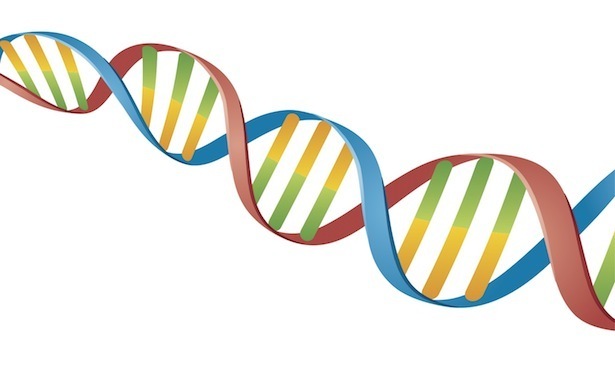
What type of biomolecule is this?

a)

lipid

b)

carbohydrate

c)

nucleic acid

d)

protein

11.

What type of biomolecule is this?

a)

lipid

b)

carbohydrate

c)

nucleic acid

d)

protein

12.

The large molecules that form when many glucose units bond together are called ___________

a)

lipids

b)

polysaccharides

c)

steroids

d)

triglycerides

13.

This refers to the most basic unit of a carbohydrate

a)

monosaccharide

b)

dissacharide

c)

polyssacharide

d)

steroid

14.

What do you call the bond between sugar units?

a)

peptide bond

b)

hydrogen bond

c)

glycosidic bond

d)

covalent bond

15.

Bad cholesterol refers to?

a)

low-density lipoprotein

b)

high-density lipoprotein

c)

steroid

d)

trans-fatty acid

16.

The following information are most likely found in nutrition facts EXCEPT:

a)

calories per serving

b)

percent saturated fat

c)

population group of consumer

d)

serving size

17.

Which class of lipids is a major component of cell membrane?

a)

cholesterol

b)

phospholipids

c)

triglycerides

d)

waxes

18.

What type of protein structure is enclosed in the red box?

a)

primary

b)

secondary

c)

tertiary

d)

quaternary

19.

What type of bond is pointed by the arrow?

a)

glycosidic

b)

peptide

c)

hydrogen

d)

covalent

20.

What represents this picture?

a)

lipid

b)

carbohydrates

c)

nucleic acid

d)

protein

21.

Amino acids are the building blocks of?

a)

carbohydrates

b)

lipids

c)

proteins

d)

nucleic acids

22.

Amino acid monomers are linked into peptides through?

a)

condensation reaction

b)

denaturation

c)

hydrogenation

d)

hydrolysis

23.

Nucleic acids are made from monomers called _________

a)

amino acids

b)

saccharides

c)

nucleotides

d)

polypeptide

24.

All of the following make up a nucleotide EXCEPT:

a)

carboxyl group

b)

nitrogen-containing base

c)

phosphate

d)

sugar

25.

In DNA, adenine forms a complementary pair with ___________

a)

cytosine

b)

guanine

c)

thymine

d)

uracil

26.

Which nitrogen base is NOT found in RNA?

a)

adenine

b)

cytosine

c)

thymine

d)

uracil

27.

What functions do proteins perform when they speed up biological reactions?

a)

catalysis

b)

movement

c)

storage

d)

transport

28.
Which biomolecule is made of nucleotides and contain you DNA?
a)
Carbohydrate
b)
Lipids
c)
Protein
d)
Nucleic Acid
29.
Which biomolecule helps form muscles?
a)
Nucleic Acid
b)
Carbohydrate
c)
Protein
d)
Lipids
30.
Which biomolecule is responsible for insulation and energy storage?
a)
Protein
b)
Nucleic Acid
c)
Lipid
d)
Carbohydrate
31.
Which biomolecule has sugars and starches?
a)
Lipids
b)
Proteins
c)
Carbohydrates
d)
Nucleic Acid
32.
Which biomolecule is your main source of energy?
a)
Nucleic Acid
b)
Protein
c)
Lipid
d)
Carbohydrate
33.
Which biomolecule contains fats, oils, and waxes?
a)
Proteins
b)
Nucleic Acid
c)
Lipids
d)
Carbohydrate
34.
Which biomolecule includes fats, such as triglycerides, oils, waxes, and steroids (cholesterol); insoluble in water; provides energy storage, insulation, part of cell membrane, and hormones 
a)
Nucleic Acid
b)
Lipids
c)
Carbohydrate
d)
Protein
35.
Which biomolecule contains Deoxyribonucleic acid; a sequence of bases that makes hereditary code; Ribonucleic acid; ­translate hereditary code into proteins that determine how the cell will function under various conditions; provides storage and retrieval of information­; encode genes, gene expression, helps make proteins 
a)
Nucleic Acid
b)
Lipid
c)
Carbohydrate
d)
Protein
36.
Steroids are a type of ________.
a)
Nucleic Acid
b)
Lipid
c)
Cholesterol
d)
Protein
37.
What biomolecule do enzymes belong to? 
a)
Carbohydrate
b)
Lipid
c)
Nucleic Acid
d)
Protein
38.
Which biomolecule is a main source of quick energy?
a)
Nucleic Acid
b)
Protein
c)
Lipid
d)
Carbohydrate
39.
What is the function of a nucleic acid?
a)
Stores genetic information
b)
Stores energy
c)
Quick source of energy
d)
Builds structures
40.
What is a key difference between carbohydrates and proteins?
a)
Carbohydrates contain carbon; proteins do not.
b)
Proteins contain nitrogen; carbohydrates do not.
c)
Carbohydrates are biomolecules; proteins are not.
d)
Proteins contain covalent bonds; carbohydrates do not.
41.
Plants and animals are composed of organic compounds. Which of the following are the common elements found in organic compounds?
a)
iron, oxygen, nickel, copper
b)
sodium, potassium, gold, hydrogen
c)
helium, neon,argon,krypton
d)
carbon,hydrogen, oxygen, nitrogen
42.
What characteristic of Carbon (C) makes it essential to living organisms?
a)
carbon forms crystal structures under certain conditions.
b)
carbon can exist as a solid, liquid, or gas.
c)
carbon bonds in many ways with itself to form chains.
d)
carbon exists in radioactive forms. 
43.
Which best represents a long term energy storage molecule in animals?
a)
cellulose
b)
cholesterol
c)
glycogen
44.
Identify this biomolecule.
a)
Carbohydrate
b)
Lipid
c)
Protein
d)
Nucleic acid
45.
Identify this monomer
a)
monosaccharide
b)
fatty acid
c)
amino acid
d)
nucleotide
46.
Glucose is an example of a
a)
Carbohydrate
b)
Lipid
c)
Protein
d)
Nucleic Acid
47.
What is the function of nucleic acids?
a)
Stores energy
b)
Stores genetic information
c)
Movement
d)
Physical structure
48.
What are foods that are high in carbs?
a)
Eggs, fish, poultry
b)
Cheese, meats, vegetables
c)
Bread, potatoes, and pasta
d)
Multitude of oils, butter and condiments
49.
What does the word organic mean?
a)
has nitrogen
b)
has sulfur
c)
has carbon
d)
has oxygen
50.
The chemical reaction that breaks down a molecule by adding water is
a)
Dehydration Synthesis
b)
Hydrophobia
c)
Hydrolysis
d)
Dehydration