wayground logo

Free Printable Worksheets

Font size

S
M
L
XL
Worksheets

Chemistry Common Assessment Review

Total questions: 75

Worksheet time: 53mins
Name
Class
Date
1.
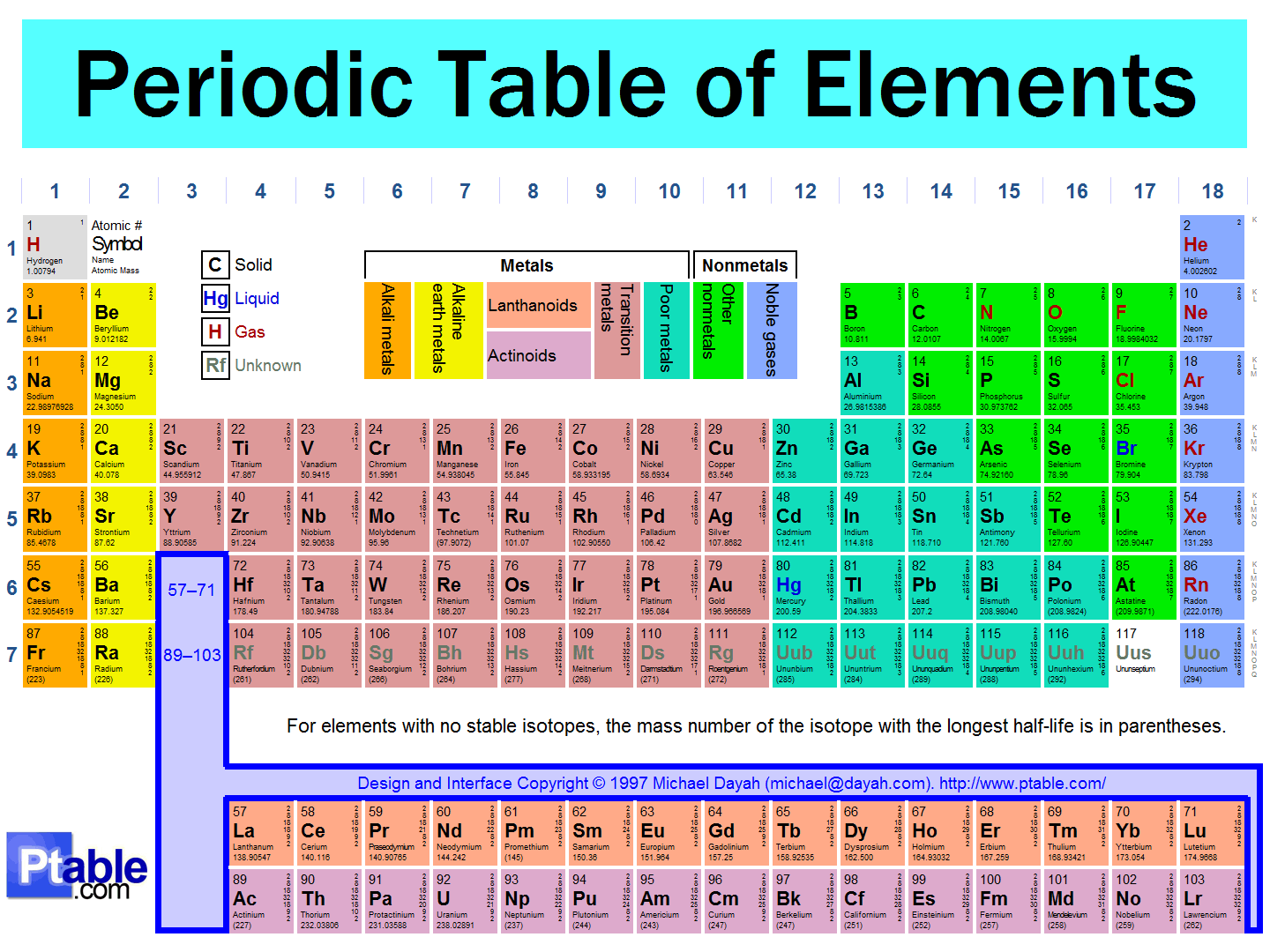
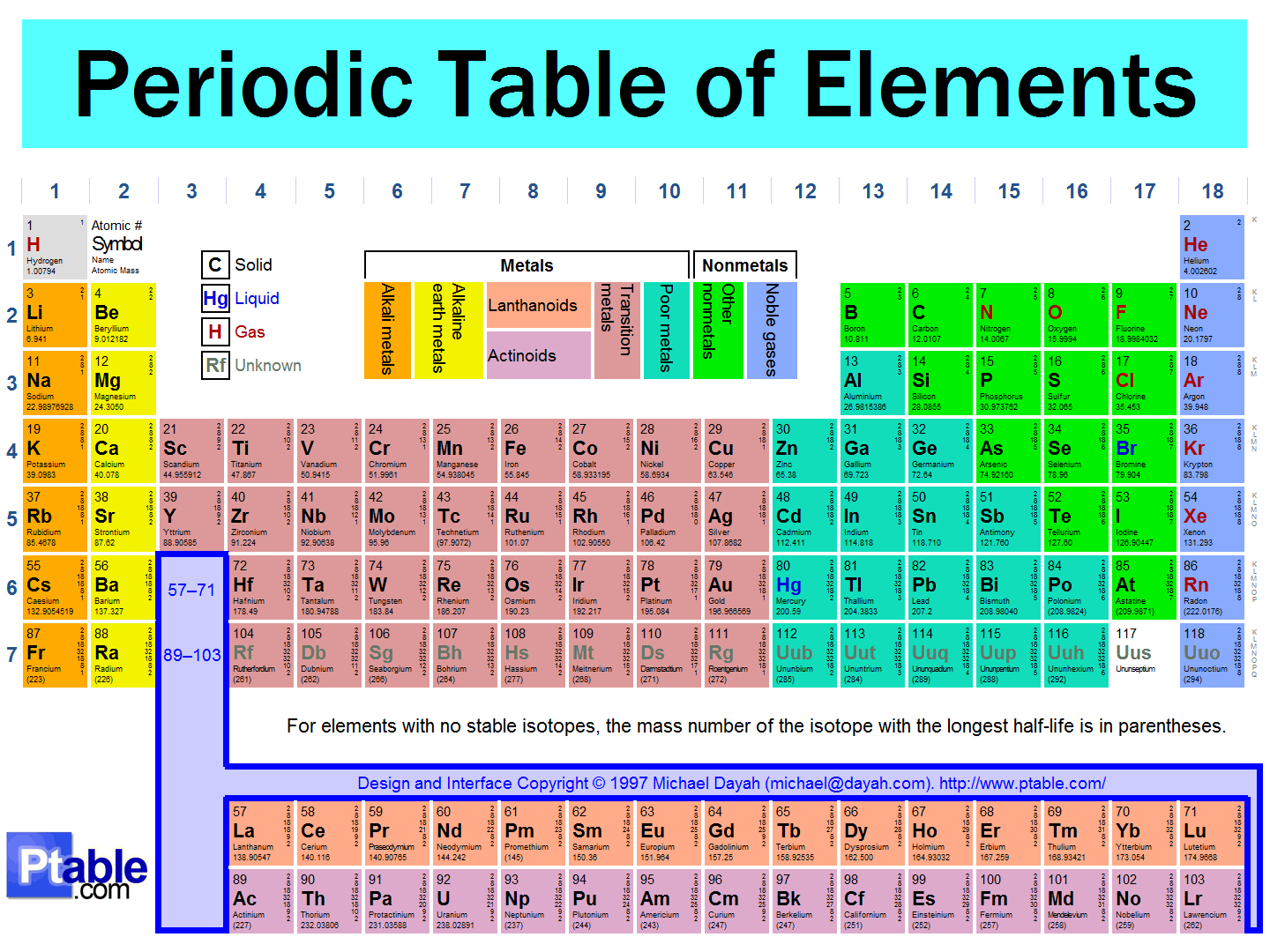
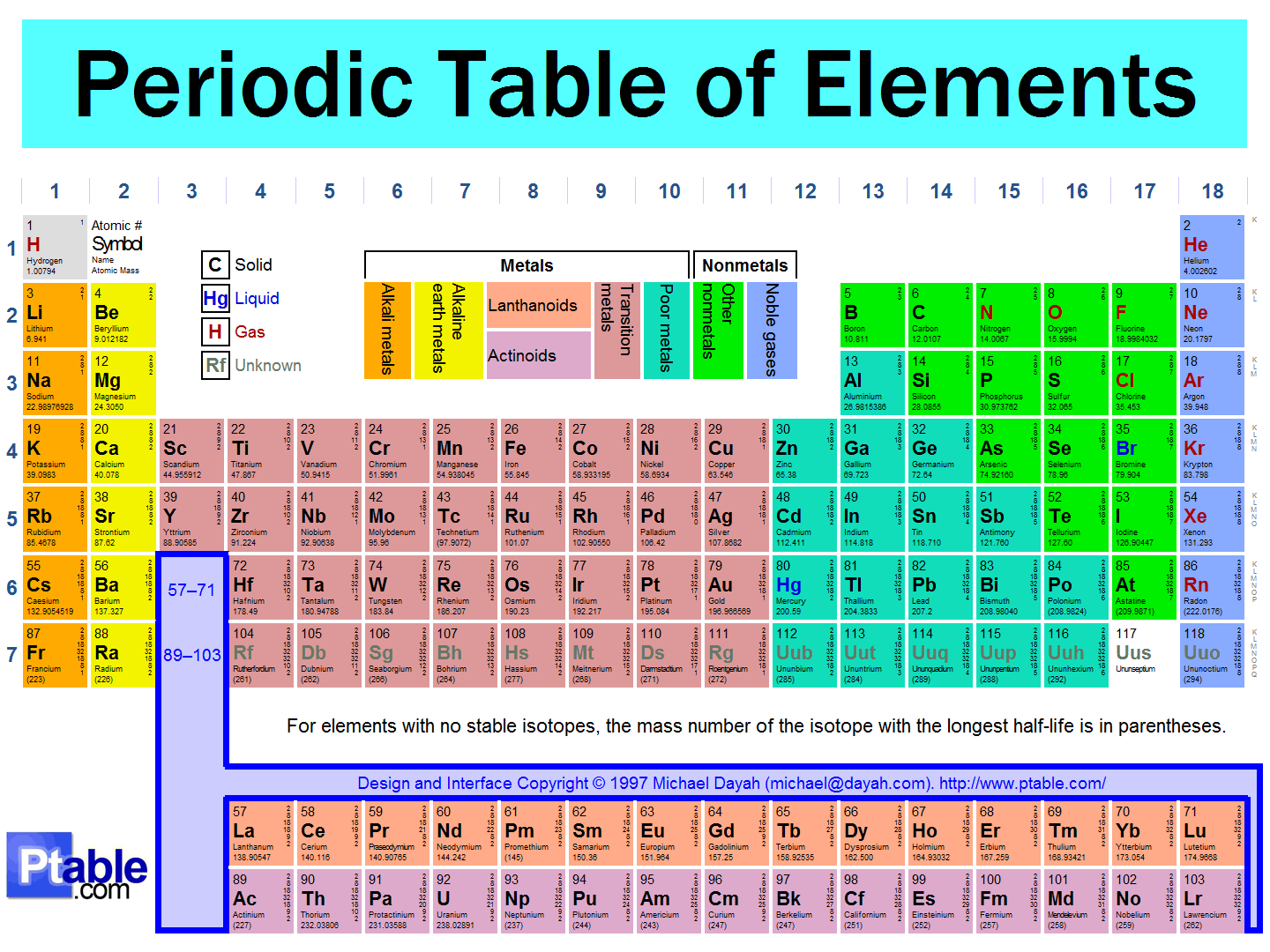
The number of protons in an element can be found by:
a)
looking up the group the element is in.
b)
subtracting the atomic mass from atomic number
c)
looking up the atomic mass
d)
looking up the atomic number
2.
The atomic mass on the periodic table is an average of all the ____ of an element based on abundance.
a)
protons
b)
isotopes
c)
ions
d)
charges
3.
The valence electrons are the outermost electrons which determine an elements ________.
a)
mass
b)
kinetic energy
c)
reactivity
d)
half-life
4.
What is always different about 2 isotopes of the same element?
a)
Their number of protons
b)
Their number of electrons
c)
Their number of Neutrons
d)
Their reactivity
5.
The horizontal row on the periodic table is called a
a)
group
b)
family
c)
period
d)
atomic number
6.
A vertical column is called...
a)
group
b)
tower
c)
period
d)
crew
7.
Which of the following is the most metallic element in period 3?
a)
Boron (B)
b)
Sodium (Na)
c)
Argon (Ar)
d)
Silicon (Si)
8.
Which of these element is the least metallic?
a)
Potassium (K)
b)
Carbon (C)
c)
Sulfur (S)
d)
Neon (Ne)
9.
The number at the bottom of each square on the periodic table is the ...
a)
atomic number
b)
atomic mass
c)
chemical symbol
d)
element name
10.
The number at the top of each square on the periodic table is the ...
a)
atomic number
b)
atomic mass
c)
Chemical Symbol
d)
Element Name
11.
Pure forms of these elements are stored in oil so they won't react with oxygen and water in the air.
a)
Alkali Metals
b)
Alkaline-earth metals
c)
Halogens
d)
Noble Gases
12.
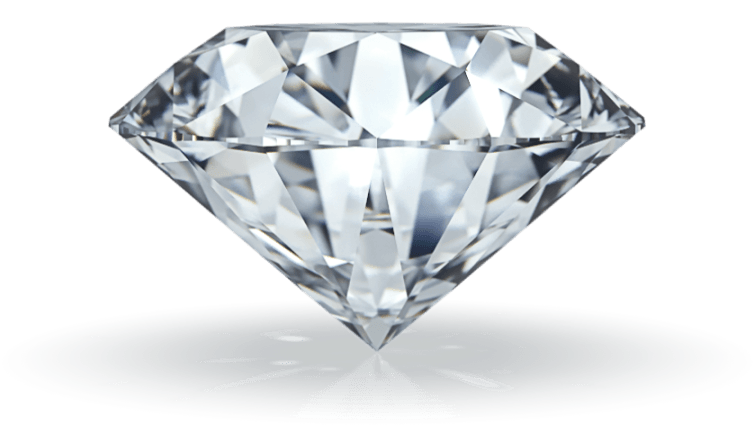
Diamonds are a pure form of what element?
a)
Carbon
b)
Oxygen
c)
Silicon
d)
Silver
13.
Most of the elements on the periodic table are classified as _____.
a)
Metals
b)
Nonmetals
c)
Metalloids
d)
Periods
14.
This class of elements are sometimes called "semiconductors."
a)
Metals
b)
Nonmetals
c)
Metalloids
d)
Groups
15.
Which group of the periodic table is composed of inert (not reactive)  gases?
a)
alkali metals
b)
alkaline earth metals
c)
halogens
d)
noble gases
16.
Elements which are shiny, conduct electricity and heat are called
a)
metal
b)
nonmetal
c)
metalloid
d)
nonexistent
17.
The atoms along the staircase are called 
a)
metals
b)
nonmetals
c)
metalloids
d)
noble gases
18.
Which is a halogen?
a)
Helium
b)
Chlorine
c)
Oxygen
d)
Neptune
19.
Which is an alkali metal?
a)
Magnesium
b)
Iron
c)
Sodium
d)
Europium
20.
Elements in a ..................have similar chemical properties.  
a)
period
b)
group
c)
row
21.
Elements which are shiny, conduct electricity and heat are called
a)
metal
b)
nonmetal
c)
metalloid
d)
nonexistent
22.
True or False: Elements in a group have the same number of electrons in their outer shell.
a)
true
b)
false
23.
In what section would Transition Metals be found?
a)
orange
b)
light blue
c)
blue
d)
white
24.
Which section are the metals in? 
a)
dark blue
b)
light blue
c)
purple
d)
pink
25.
What section is the least reactive? 
a)
yellow
b)
red
c)
dark blue
d)
orange
26.
The atomic number of this pictured element is
a)
28
b)
58.6934
c)
Ni
d)
Nickel
27.
Who first had the idea of an atom?
a)
Democritus
b)
Dalton
c)
Thompson
d)
Rutherford
28.
The drawing above is Thomson’s ________.
a)
cathode ray tube experiment
b)
oil drop experiment
c)
gold foil experiment
29.
What does the Bohr model suggest?
a)
Atoms are small, hard, indivisible objects. 
b)
That protons in the nucleus are attracted to electrons in the electron clouds. 
c)
That electrons travel around the nucleus of an atom in orbits or definite paths.
30.
Who is the scientist who proposed the "solar system" model of an atom where the electrons revolve around the nucleus?
a)
Dmitri Mendeleev
b)
Niels Bohr
c)
Ernest Rutherford
d)
Copernicus
31.
What is an atom mostly made up of?
a)
protons
b)
electrons
c)
empty space
d)
neutrons
32.
Has mass and takes up space, made up of atoms.
a)
matter
b)
mass
c)
atoms
d)
energy
33.
A bag of Skittles is an example of this.
a)
Element
b)
Compound
c)
Heterogeneous mixture
d)
Homogeneous mixture
34.
A solid block of gold (Au) is an example of this.
a)
Element
b)
Compound
c)
Heterogenous mixture
d)
Homogenous mixture
35.
These things are the building blocks of all matter.
a)
Elements
b)
Compounds
c)
Heterogeneous mixture
d)
Homogeneous mixture
36.
Paint is an example of this.
a)
Element
b)
Compound
c)
Heterogenous mixture
d)
Homogeneous mixture
37.
Sugar mixed into water is an example of this.
a)
Element
b)
Compound
c)
Heterogeneous mixture
d)
Homogeneous mixture
38.
Trail mix is an example of this.
a)
Element
b)
Compound
c)
Heterogeneous mixture
d)
Homogeneous mixture
39.
These are substances that are a combination of two or more different elements.
a)
Element
b)
Compound
c)
Heterogeneous mixture
d)
Homogeneous mixture
40.
Which box shows a mixture?
a)
A
b)
B
c)
C
d)
none of these, they are all pure substances
41.
Classify CO2 as an element, mixture or compound
a)
element
b)
mixture
c)
compound
42.
DIFFERENT kinds of atoms chemically combined to form a substance are
a)
Mixture
b)
Element
c)
Compound
d)
Substance
43.

Mixture in which particles can be seen floating, but settle out to the bottom over time.

a)

homogeneous mixture

b)

suspension

c)

colloid

d)

heterogeneous mixture

44.
This contains a variety elements and compounds that ARE NOT chemically combined.
a)
Water
b)
Mixture
c)
Elements
d)
Compounds
45.
How are the properties of elements related to the properties of the compounds they make?
a)
The properties of the compound are completely different than the properties of the elements.
b)
The properties of the compound are always the same as the properties of the elements.
c)
The element in the compound with the largest number of atoms gives the compound its properties.
46.
When potassium and bromine atoms form chemical bonds, which of these is produced?
a)
element
b)
mixture
c)
compound
47.
Which drawing is of a single compound.
a)
A
b)
B
c)
C
d)
D
48.

A type of mixture in which there are floating particles that do not settle out over time.

a)

Hetergoeneous

b)

Colloid

c)

Solution

d)

Suspension

49.

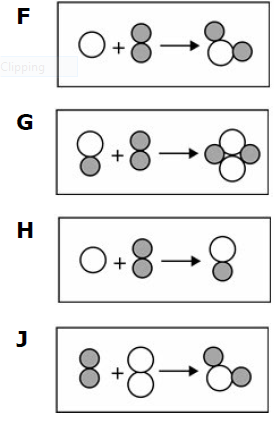
Which of the following models best demonstrates a balanced chemical equation?

a)

F

b)

G

c)

H

d)

J

50.

The reactants are on the left side of the chemical equation.

a)

True

b)

False

51.
What are the reactants in the chemical equation pictured?
a)
CH4 and CO2
b)
CH4 and O2
c)
CO2 and H2O
d)
O2 and H2O
52.
What is the large number written before a chemical formula called?
a)
Coefficient
b)
Subscript
c)
Reactant
d)
Product
53.
What is the small number written after a chemical symbol called?
a)
Coefficient
b)
Subscript
c)
Product
d)
Reactant
54.
According to the law of conservation of mass...
a)
sometimes atoms are lost
b)
sometimes atoms are gained
c)
atoms are never lost nor gained
d)
atoms are lost and gained
55.
What do we call a substance that increases the rate of a reaction without participating in the reaction?
a)
catalyst
b)
inhibitor
c)
accelerator
d)
decelerator
56.
Which of the following will increase the rate of a reaction?
a)
raising the temperature of reactants
b)
grinding the reactants into a powder
c)
increasing the concentration of reactants
d)
all of the above
57.
Which of the following is a sign that a chemical reaction has occurred?
a)
change in shape
b)
melting
c)
formation of a gas
d)
dissolving
58.
Which is a chemical change?
a)
freezing fruit juice
b)
slicing a potato
c)
boiling water
d)
copper metal turning green
59.
Bread is toasted.  How do you know a chemical change happened?
a)
The temperature decreased
b)
The color changed
c)
It bubbled/fizzed
d)
A solid formed
60.
The Law of Conservation of Mass states
a)
that matter exists in all states and reacts the same
b)
that matter can only be changed into new substances by introducing a catalyst
c)
that matter exists in the same state throughout any chemical change
d)
that matter cannot be created or destroyed and that the mass of the products must equal the mass of the reactants
61.
Products are found on the _ side of a chemical equation.
a)
left
b)
right
62.
Balance: 
_KI + _Br2 -> _KBr + _I2
a)
2, 1, 2, 1
b)
1, 2, 1, 2
c)
2, 1, 1, 2
d)
1, 2, 2, 1
63.
Balance: 
_K + _O2 -> K2O
a)
1, 1, 1
b)
1, 2, 1
c)
2, 1, 2
d)
4, 1, 2
64.
Amount of matter in an object:
a)
volume
b)
weight
c)
mass
d)
density 
65.
Volume is the amount of space an object takes up.
a)
True
b)
False
66.
The mass per unit of volume of a substance. 
a)
Density
b)
Mass
c)
Volume
d)
Solubility 
67.

Select all of the following that are physical properties.

a)

Orange Color

b)

Flammability

c)

Melting Point

d)

Solubility

68.

Select all of the following that are chemical properties.

a)

Reacts with acid

b)

Density

c)

Magnetism

d)

Flammability

69.

Select all of the following that are physical changes.

a)

Ag (Silver) tarnishes

b)

Food is digested

c)

Ice melts

d)

Salt dissolves in water

70.

Select all of the following that are chemical changes.

a)

Ag (Silver) tarnishes

b)

Baking soda reacts w/ vinegar

c)

Tire is inflated

d)

Food is digested

71.

____________ make up ____________ which make up _______________.

a)

Elements, Atoms, Compounds

b)

Compounds, Elements, Atoms

c)

Atoms, Elements, Compounds

d)

Atoms, Compounds, Elements

72.

Atomic mass is determined by which two subatomic particles?

a)

neutrons + protons

b)

electrons + neutrons

c)

protons + electrons

73.

Atomic charge is determined by which two subatomic particles?

a)

neutrons + protons

b)

electrons + neutrons

c)

protons + electrons

74.

What are the particles that make up protons and neutrons?

a)

zorks

b)

atoms

c)

plasmids

d)

quarks

75.

What is the smallest particle of an element that still represents that element?

a)

isotope

b)

proton

c)

atom

d)

quark