
 Worksheets
Earth in Space Review
Total questions: 55
Worksheet time: 33mins
When the Northern Hemisphere is pointing towards the Sun, what season is the Southern Hemisphere?
Winter
Spring
Fall
Summer
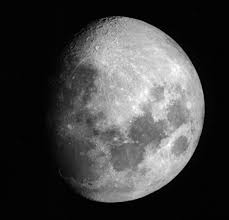
Name this Moon phase.
waning crescent
waxing crescent
waning gibbous
waxing gibbous
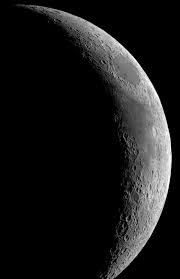
Name this Moon phase.
waning crescent
waxing crescent
waning gibbous
waxing gibbous
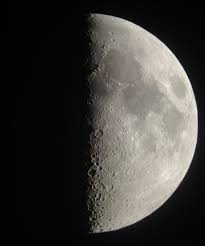
Name this Moon phase.
First Quarter
Last Quarter
New Moon
Full Moon

What phase of the Moon would we see from the Earth?
Waning Gibbous Moon
Waxing Gibbous Moon
Waning Crescent Moon
Waxing Crescent Moon

What phase of the Moon would we see from the Earth?
Full Moon
First Quarter Moon
Last Quarter Moon
New Moon

Name the phase of the Moon for letter a.
First Quarter
Last Quarter
Waxing Gibbous
Waning Gibbous

Name the phase of the moon for letter f.
Waning Gibbous
Waxing Gibbous
Waning Crescent
Waxing Crescent
What is it called when the light of the Moon is decreasing?
rotating
waning
revolving
waxing

Which tide would we have if the Moon was in one of the positions shown in this image?
Neap tide
High tide
Spring tide
Low tide

Which tide would we have if the Moon was in one of the positions shown in this image?
High Tide
Spring Tide
Neap Tide
Low Tide
During which Moon phase(s) do Spring Tides occur?
new Moon
1st Quarter
3rd Quarter
full Moon
During which Moon phase(s) do Neap Tides occur?
New Moon
1st Quarter
3rd Quarter
Full Moon

What is the name of the imaginary line running through the North and South Pole?
orbit
axis
equator
latitude
What causes the Sun to look like it is rising in the east and setting in the west?
moon's orbit
sun's rotation
Earth's revolution
Earth's rotation

At position C, which hemisphere would have winter?
Northern hemisphere
Southern hemisphere
Eastern hemisphere
Western hemisphere

At position A, which hemisphere would have summer?
Northern hemisphere
Southern hemisphere
Eastern hemisphere
Western hemisphere
How long does it take for Earth to complete one full rotation?
24 hours
365.25 days
1 year
12 hours
How long is Earth's period of revolution?
24 hours
365.25 days
1 decade
every 6 hours
During which month is the Southern Hemisphere having summer?
December
June
July
September
April

The diagram below shows four positions in Earth’s orbit around the Sun. The Northern Hemisphere experiences the beginning of spring when Earth is in –
Position A
Position B
Position C
Position D
Earth has day and night because of its _?_.
Tilt
Rotation
Sun
Revolution

Which model(s) shows the positions of the Sun, Moon and Earth that causes neap tides?
F
G
H
J

At what point(s) will the Earth be experiencing high tides?
1
3
5
7


How many days will a new moon occur after this one?
7
21
14
24.5

Name that phase AND the tide that occurs during this phase!!
Full moon, Spring tide
New moon, Spring tide
Full moon, Neap tide
New moon, Neap tide
Quarter moon, Spring tide

What type of tides would this arrangement of Earth-Moon-Sun create?
neap tide
spring tide
new moon tide
full moon tide
If tides alternate from high to low and there are two of each type of tide a day, about how many hours will generally be between each different tide?
2 hours
6 hours
12 hours
24 hours
From a New moon to Full moon, what happens to the amount of light we see from Earth?
It increases
It decreases
Nothing changes
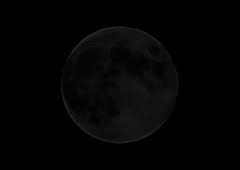
Name the Moon phase seen in this image.
First Quarter
Last Quarter
New Moon
Full Moon

Why does the area around the equator stay the same temperature all year?
The equator rotates slower than the poles.
The equator remains the same distance from the sun.
The equator always receives direct sunlight.
The equator has 18 hour days.

In the summer, many people enjoy going to the beach. There is a beautiful beach in Argentina, which is located in the Southern Hemisphere. Which diagram shows the position of Earth when it is summer in Argentina?
A
B
C
D

Why is it warmer in the summer?
We are closer to the Sun?
More direct energy received due to Earth's tilt.
Stronger energy from the Sun is received.
Earth spins slower.
Which statement best explains why the same side of the Moon always faces Earth?
The Moon revolves around Earth and rotates in about the same amount of time.
The Moon does not rotate as it revolves around Earth.
The Moon travels at a faster speed than Earth.
The Moon does not want it's dark side to show.
About how many days does it take to Moon to go through all of its phases?
7 days
365 days
29 days
20 days

If there was a New Moon on December 30, approximately when would we have our next New Moon?
January 14
January 6
January 30
February 30


Which lunar phase will complete the pattern?
Last quarter
New moon
waning gibbous
waning crecent

Does this picture represent a waxing or waning moon?
waxing
waning

Which body has the greater effect on Earth's tides?
Sun
Saturn
Moon
Earth
What do we call a tide that has a large tidal range between the high and low tides?
gravity tide
wind tide
spring tide
neap tide
What are tides?
More water filling up the ocean
The rising and falling of the water level at Earth's surface
Packets used to do laundry
Waves in the oceans
The Moon has a greater influence on Earth tides than the Sun because...
it is smaller than the Sun.
it revolves around the Earth.
it is closer to the Earth.
It has a better relationship with the Earth than the Sun does.
Most places on Earth experience about how many high and low tides in 24 hours?
3 high and 3 low tides
4 high and 4 low tides
1 high and 1 low tides
2 high and 2 low tides

The diagram below shows the alignment of the Sun, the Moon, and Earth. In which location(s) are low tides taking place?
1
2
3
4
none are correct
What is the angle of tilt of Earth's axis?
98.7 degrees
25.5 degrees
0 degrees
23.5 degrees
At what latitude is the Tropic of Capricorn located?
23.5 degrees N latitude
at the equator, 0 degrees latitude
23.5 degrees S latitude
66.5 degrees N latitude
66.5 degrees S latitude

