
 Worksheets
Populations & Ecosystems
Total questions: 47
Worksheet time: 30mins
Name
Class
Date
1.
The following two factors must be present in a successful habitat.
a)
rocks and sand
b)
biotic and abiotic
c)
biotic and trees
d)
abiotic and water
2.
a ___________ is the specific part of an ecosystem in which an organism lives.
a)
niche
b)
population
c)
habitat
d)
home
3.
_________________ is the term to describe all the members of one species living in a particular area.
a)
Community
b)
Pod
c)
Population
d)
Gaggle
4.
__________________ are all the different populations that live together in an area.
a)
Herd
b)
School
c)
Population
d)
Community
5.
Name a DIRECT control humans can use to control the population of a species
a)
Introducing natural predators
b)
Create zoos
c)
Hunting
d)
Adopt animals as pets
6.

What is one ABIOTIC factor in this ecosystem?
a)
frog
b)
tadpole
c)
water
d)
snail
7.

What is one BIOTIC factor in this ecosystem?
a)
soil
b)
Sun
c)
water weeds
d)
water
8.
Water, nutrients, soil, sunlight, temperature, and living space are examples of...
a)
biotic limiting factors
b)
abiotic limiting factors
9.
All the living and nonliving things that interact in a particular area make up a(n)
a)
ecosystem
b)
population
c)
community
d)
biome
10.
All the members of one species in a particular area...
a)
Community
b)
Population
c)
Ecosystem
d)
Organism
11.
The following are all biotic factors except...
a)
Bacteria
b)
Mold
c)
Fox
d)
Sunshine
12.
The following are all abiotic factors except...
a)
Rain
b)
Soil
c)
Moss
d)
Oxygen
13.

A population of bears has 100 births and 150 deaths in a year. The population of bears is
a)
Increasing
b)
Remaining the Same
c)
Decreasing
14.
A symbiotic relationship in which both species benefit is called
a)
Parasitism
b)
Commensalism
c)
Mutualism
d)
Predation
15.
A tick on a human is an example of
a)
Predation
b)
Parasitism
c)
Commensalism
d)
Mutualism
16.
A shark eating a seal would be an example of what type of relationship?
a)
Parasitism
b)
Herbivory
c)
Competition
d)
Predation
17.
In which type of interaction do both species benefit?
a)
predation
b)
mutualism
c)
commensalism
d)
parasitism
18.
Which of these relationships is an example of parasitism?
a)
a bird building a nest on a tree branch
b)
a bat pollinating a saguaro cactus
c)
a flea living on a cat's blood
d)
ants protecting a tree that produces the ants' only food
19.
In general, which of the following is a true statement about population size?
a)
If birth rate < death rate, population size increases
b)
If death rate < birth rate, population size decreases
c)
If birth rate > death rate, population size increases
d)
If death rate > birth rate, population size increases
20.

A freshwater lake has a muddy bottom, which is home to different types of algae and other organisms. Many species of fish feed on the algae. Which of the following is an ABIOTIC factor in this ecosystem?
a)
the temperature of the water
b)
the color of the algae
c)
the number of species of fish
d)
the amount of food available to the fish
21.
Which of the following lists the levels of organization in an ecosystem from the smallest unit to the largest?
a)
population, organism, community, ecosystem
b)
organism, population, ecosystem, community
c)
organism, community, population, ecosystem
d)
organism, population, community, ecosystem
22.
A symbiotic relationship in which one organism benefits and the other species is neither harmed or helped
a)
mutualism
b)
predation
c)
commensalism
d)
parasitism
23.

An interaction in which one organism kills and eats another organism
a)
competition
b)
mutualism
c)
commensalism
d)
predation
24.
Environmental conditions that prevent populations from increasing
a)
abiotic factors
b)
carrying capacity
c)
limiting factors
d)
biotic factors
25.
The largest population that an environment can support
a)
carrying capacity
b)
ecosystem
c)
adaptation
d)
limiting factors
26.
A(n) ______ is a group of organisms that are physically similar and can mate with each other to produce offspring that can also mate and reproduce.
a)
organism
b)
species
c)
population
d)
community
27.

A prairie dog, a hawk, and a badger all are members of the same ________________.
a)
niche
b)
community
c)
species
d)
population
28.

Cattle egrets forage (feed) in fields among cattle. The egret gets easy access to flying insects stirred up by the cattle, and the cattle don't care if they are there or not.
a)
mutualism
b)
commensalism
c)
competition
d)
parasitism
29.
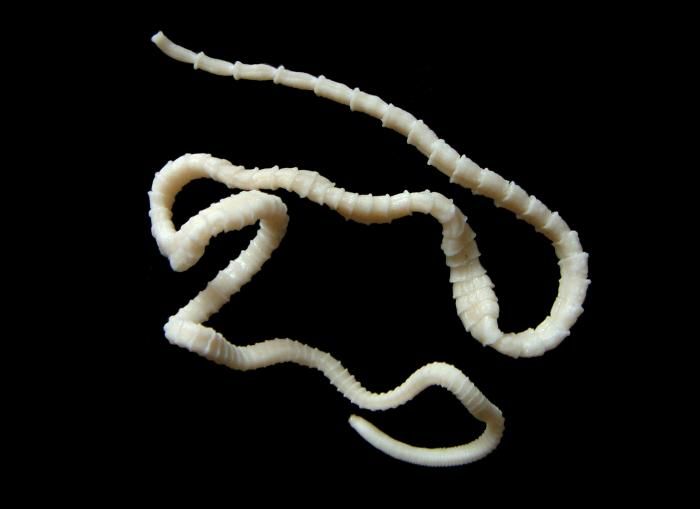
A tapeworm and a cat have this type of relationship.
a)
mutualism
b)
parasitism
c)
commensalism
d)
competition
30.
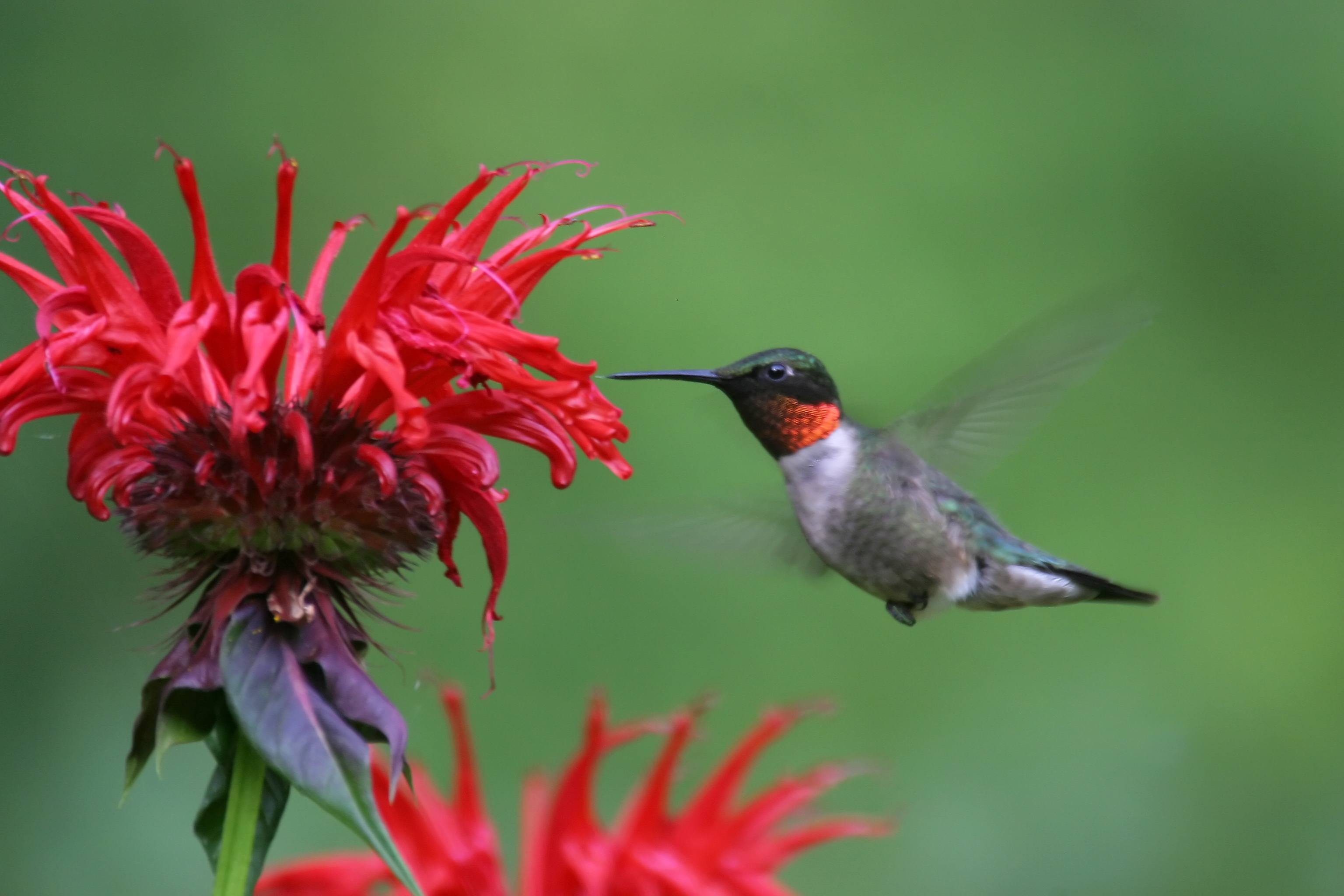
What type of symbiosis? Hummingbirds feed on nectar from flowers. The flowers are pollinated by hummingbirds as they move from flower to flower.
a)
commensalism
b)
mutualism
c)
parasitism
d)
predation
31.
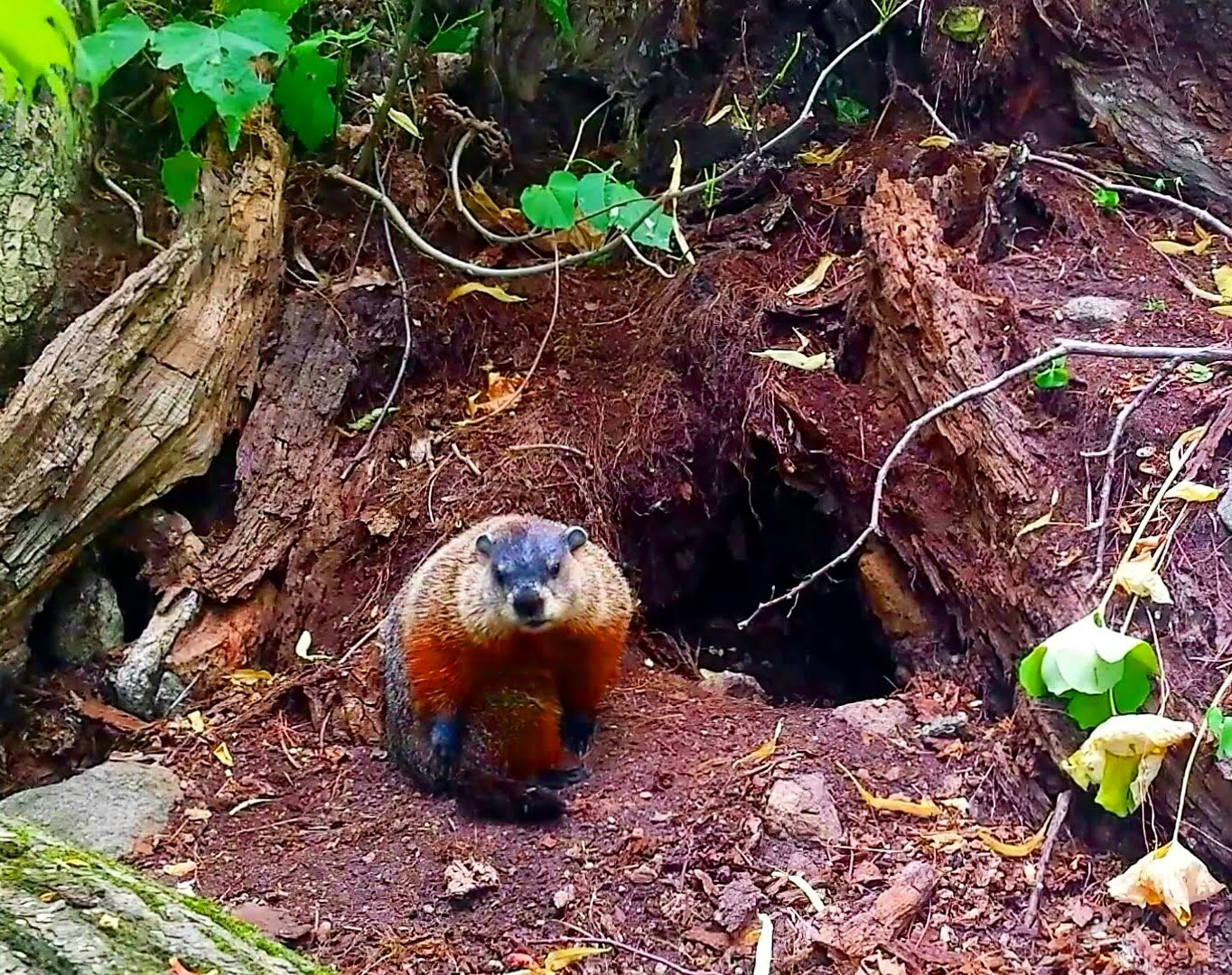
What type of symbiosis? Skunks often live in burrows that have been dug and abandoned by woodchucks.
a)
commensalism
b)
mutualism
c)
parasitism
d)
predation
32.
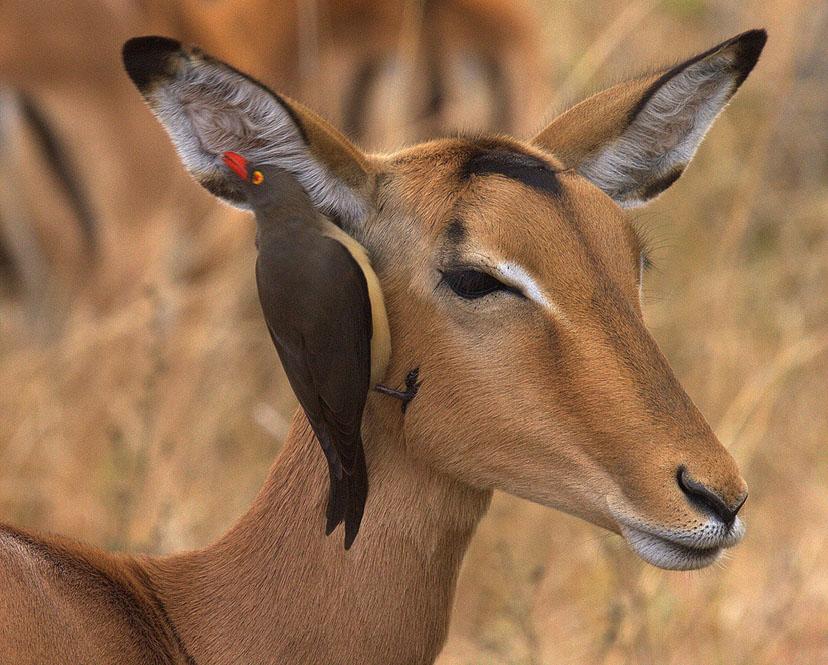
Red-billed oxpeckers are birds that often feed on parasites that infest impala. This is an example of _______.
a)
commensalism
b)
mutualism
c)
neutralism
d)
competition
33.
What type of symbiosis?
*Honeyguide birds find a bee hive, then chatter loudly to attract the Honey badger. They fly toward the hive making sure the badger is following.
*Upon arrival at the bee hive, the badger tears open the hive and feasts on the honey. Then the Honeyguide bird feeds on the remaining wax and larvae.
*Honeyguide birds find a bee hive, then chatter loudly to attract the Honey badger. They fly toward the hive making sure the badger is following.
*Upon arrival at the bee hive, the badger tears open the hive and feasts on the honey. Then the Honeyguide bird feeds on the remaining wax and larvae.
a)
commensalism
b)
mutualism
c)
parasitism
d)
predation
34.
What type of symbiosis?
*Gall Insects lays their eggs in the leaves or branches of Oak trees causing a lump to form.
*Oak trees provide shelter and food to the insect larvae, but are not harmed.
*Gall Insects lays their eggs in the leaves or branches of Oak trees causing a lump to form.
*Oak trees provide shelter and food to the insect larvae, but are not harmed.
a)
commensalism
b)
mutualism
c)
parasitism
d)
predation
35.
What type of symbiosis?
*The plover picks and eats scraps of meat from the crocodile’s teeth.
*The crocodile gets a free teeth-cleaning!
*The plover picks and eats scraps of meat from the crocodile’s teeth.
*The crocodile gets a free teeth-cleaning!
a)
commensalism
b)
mutualism
c)
parasitism
d)
predation
36.
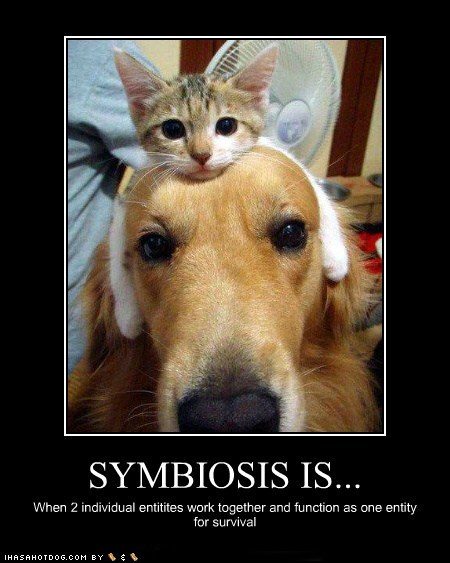
A relationship in which two species live closely together.
a)
resource
b)
mutualism
c)
succession
d)
symbiosis
37.
A relationship between two species where one benefits while the other is harmed.
a)
Mutualism
b)
Commensalism
c)
Parasitism
d)
Naturalism
38.
A squirrel hides his acorns from the chipmunks for the winter.
a)
commensalism
b)
parasitism
c)
competition
d)
mutualism
39.

A boxer crab carries a pair of small anemones in its claws. When approached by a predator, the crab waves the stinging tentacles of the anemones to deter the predator. The anemones benefits from the small particles of food dropped by the crab during the feeding.
a)
Mutualism
b)
Commensalism
c)
Parasitism
40.

An alpheid shrimp digs and maintains a deep burrow. While underground, the shrimp is safe. Above ground, it is vulnerable to predators. A goby fish lives in the burrow with the shrimp. The goby fish sits at the entrance, keeping watch for predators, and signals the shrimp with a flick of its tail when it is safe to come out. Or, if a predator swims by, the goby darts into the burrow and the shrimp retreats further inside.These two animals are completely dependent on each other—the goby benefits by getting a burrow to live in and the shrimp knows when predators are near.
a)
Mutualism
b)
Commensalism
c)
Parasitism
41.

In the energy pyramid below, which organism has the least amount of energy available?
a)
Producers
b)
Herbivores
c)
Carnivores
d)
Top Predator
42.
Which is a producer?
a)
deer
b)
tall grass
c)
lion
d)
worm
43.

In the energy pyramid here, which organisms have the most energy available?
a)
Producers
b)
Carnivores
c)
Herbivores
d)
Top Predator
44.
In commensalism
a)
Both species fight for something
b)
Both species benefit
c)
One species is killed
d)
One species is unaffected
45.
Plants both trying to get sunlight are
a)
commensalism
b)
mutualism
c)
compeition
d)
parasitism
46.
A fox chasing a rabbit to eat it is
a)
predation
b)
mutualism
c)
parasitism
d)
commensalism
47.
A spider and tree is
a)
competition
b)
mutualism
c)
commensalism
d)
parasitism
100 %

