
 Worksheets
Cell Labeling
Total questions: 51
Worksheet time: 2hrs 50mins
Name
Class
Date
1.
This organelle takes food and turns it into ENERGY for plant and animal cells.
a)
Chloroplast
b)
Mitochondria
c)
Lysosome
d)
Ribosome
2.
The site of photosynthesis
a)
ribosome
b)
mitochondria
c)
chloroplast
d)
nucleus
3.
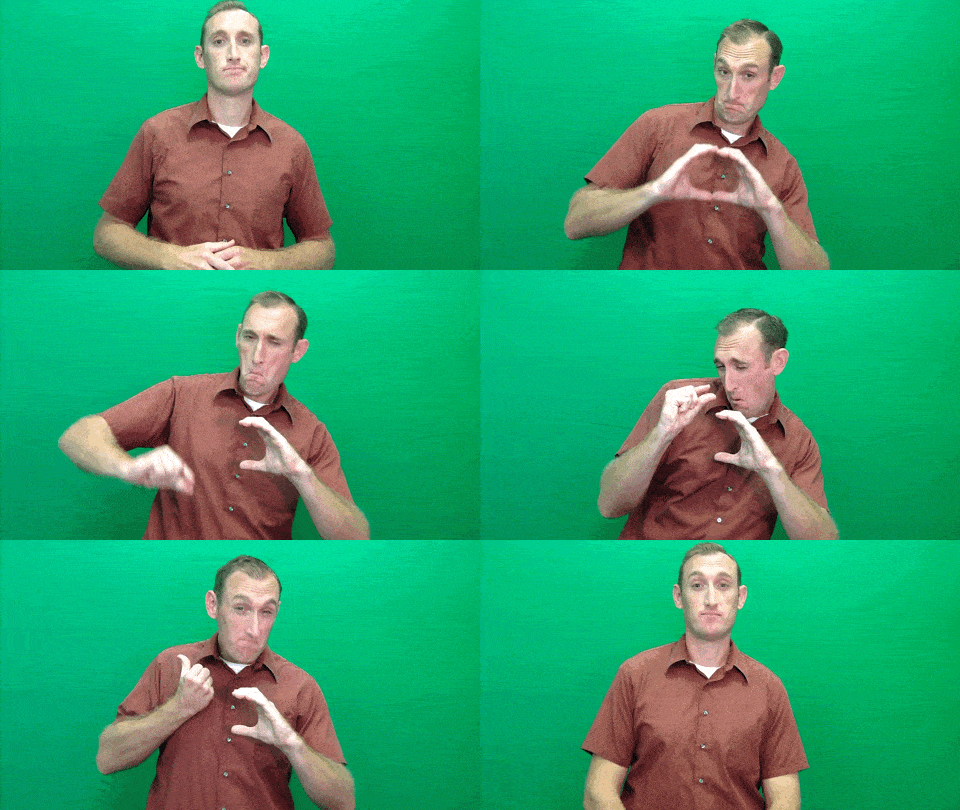
The ___________ is the basic unit of life
a)
organ
b)
cell
c)
atom
d)
tissue
4.
Which organelle is only found in a plant cell?
a)
nucleus
b)
chloroplast
c)
mitochondria
d)
cell membrane
5.

Directs all cell activities through the DNA located there.
a)
Lysosomes
b)
Nucleus
c)
ribosomes
d)
Mitochondria
6.
Which of the following is directly involved in the transportation of materials inside/within the cell?
a)
Endoplasmic Reticulum
b)
Vacuole
c)
Lysosome
d)
Mitochondria
7.
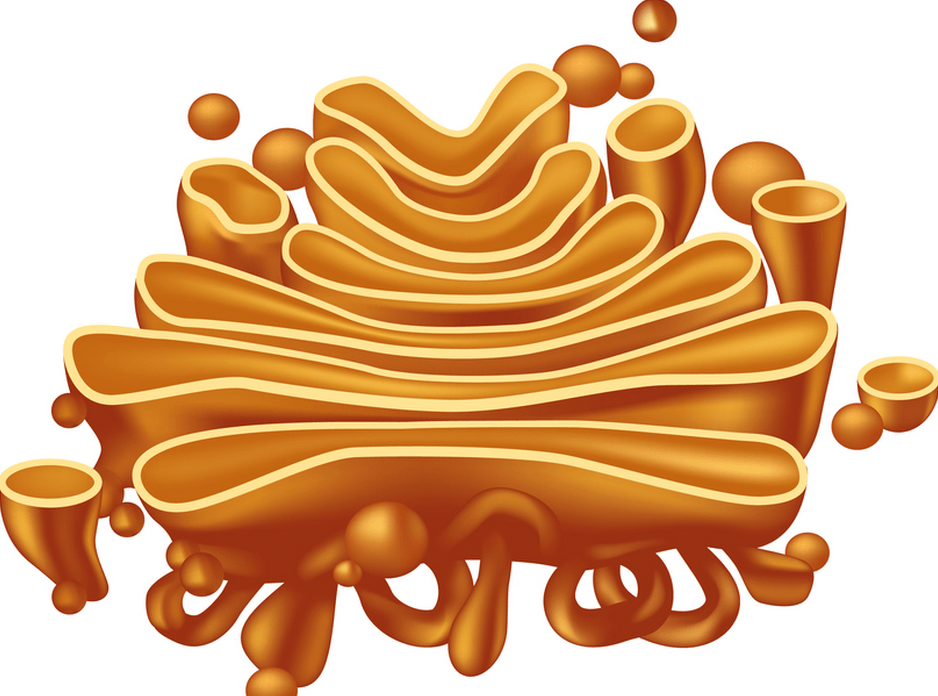
I am a protein packaging and shipping machine! Who am I?
a)
vacuole
b)
ribosome
c)
mitochondrion
d)
golgi apparatus
8.
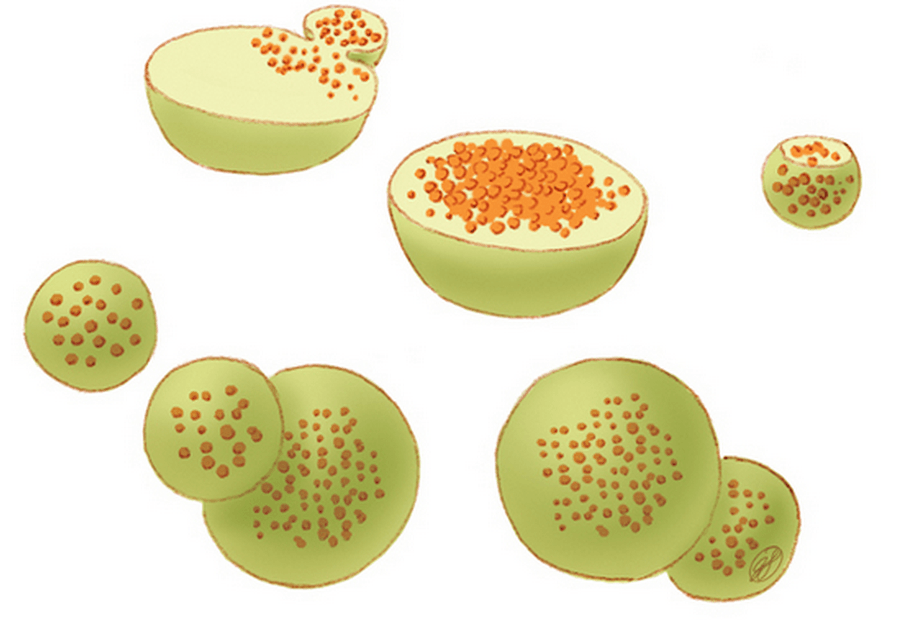
You might think of me as the trash collector, but recycler is maybe more accurate. What am I?
a)
mitochondria
b)
lysosome
c)
vacuole
d)
ribosome
9.
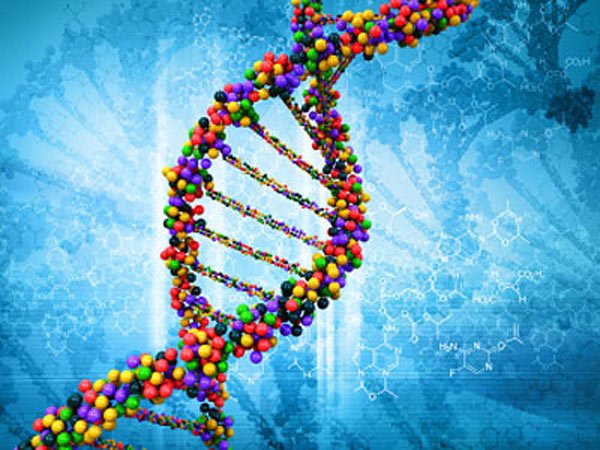
What is the name of the genetic material that is inside the nucleus?
a)
ER
b)
ATP
c)
YOLO
d)
DNA
10.

Which part of the cell is often called "the brain of the cell"?
a)
nuclear membrane
b)
endoplasmic reticulum
c)
nucleus
d)
mitochondria
11.
What is found in both plant and animal cells but is much larger in plant cells?
a)
Nucleus
b)
Mitochondria
c)
Chloroplast
d)
Vacuole
12.
Where are proteins made?
a)
Golgi body
b)
Mitoichondria
c)
Chromosomes
d)
Ribosomes
13.
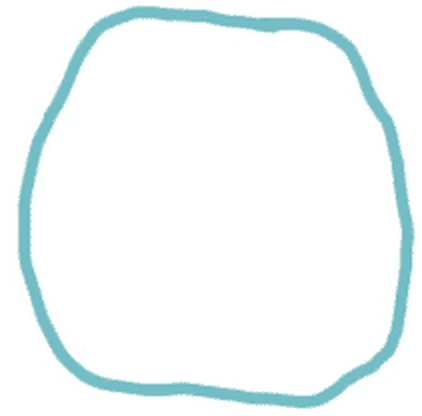
I am the outer most layer of an animal cell. What am I?
a)
cell wall
b)
nucleus
c)
cell membrane
d)
cell skin
14.
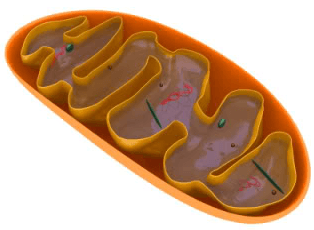
What are tiny organelles that convert glucose into ATP?
a)
Ribosomes
b)
Vesicles
c)
Cytoskeleton
d)
Mitochondria
15.
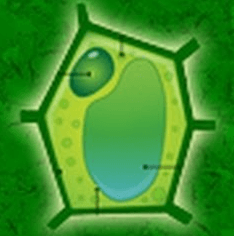
A rigid layer that lies outside the cell's membrane is...
a)
Cytoskeleton
b)
Cilia
c)
Cell Wall
d)
Flagella
16.
What organelle is called the "powerhouse" of a cell?
a)
Endoplasmic Reticulum
b)
Nucleus
c)
Mitochondria
d)
Nucleolus
17.
What organelle helps with cell digestion?
a)
Lysosomes
b)
Ribosomes
c)
Golgi Complex
d)
ER
18.
What is the gel-like substance inside of cells called?
a)
photoplasm
b)
photosynthesis
c)
cytoskeleton
d)
cytoplasm
19.
Stores food and water for the cell.
a)
Cytoplasm
b)
Cell Wall
c)
Vacuole
d)
Nucleus
20.
Controls what enters and leaves the cell
a)
Mitochondria
b)
Cell Membrane
c)
Cell Wall
d)
Nucleus
21.

What would happen to the plant cell without the chloroplasts?
a)
There wouldn't be an organelle that performs photosynthesis
b)
There wouldn't be an organelle that serves as the resevoir for water and waste
c)
There wouldn't be an organelle that regulates what comes in and out of the cell
d)
They wouldn't be an organelle that makes necesary proteins
22.

What do all of these organisms have in common?
a)
They all have uniform offspring
b)
They are all made of cells
c)
They possess the same features
d)
They have the same internal and external structures
23.
Rocks are not living because
a)
they never move
b)
they aren't needed for humans
c)
they are not made of cells
d)
they don't break down
24.
also known as the "powerhouse"
a)
cell membrane
b)
storage
c)
cytoskeleton
d)
mitochondria
25.
A plant vacuole is different from an animal vacuole because
a)
plant vacuoles are small and animal vacuoles are large
b)
Plant vacuoles are large and and animal vacuoles are small
c)
plant vacuoles are specialized, such as contractile vacuoles
d)
Animal vacuoles store large amounts of water. Plant vacuoles store food.
26.

What kind of cell is this?
a)
animal cell
b)
bell bell
c)
plant cell
d)
vacuole
27.
Jellylike space between the membrane and the nucleus.
a)
cell wall
b)
chloroplast
c)
cytoplasm
d)
mitochondria
28.
A thick cell wall helps support a plant cell.
a)
True
b)
False
29.
Chloroplasts does not make food for the plant cells.
a)
False
b)
True
30.

What mistake did Brady make on his model?
a)
He switched the labels for chloroplast and nucleus
b)
He should not have included a cell wall.
c)
He should not have included cytoplasm.
d)
He switched the labels for cell wall and cell membrane.
31.

Structure A in the diagram is the _____________
a)
vacuole
b)
nucleus
c)
mitochondria
d)
golgi
32.

Structure B in the diagram is the _________.
a)
cell wall
b)
plasma membrane
c)
vacuole
d)
nucleus
33.

Structure C in the diagram is the ____________.
a)
chloroplast
b)
mitochondria
c)
golgi
d)
ribosome
34.

Structure D in the diagram is the ___________.
a)
nucleus
b)
vacuole
c)
golgi
d)
chloroplast
35.

Structure E in the diagram is the __________.
a)
mitochondria
b)
nucleus
c)
vacuole
d)
cholorplast
36.

Structure F in the diagram is the ___________.
a)
endoplasmic reticulum
b)
golgi
c)
nucleus
d)
chloroplast
37.

Structure G in the diagram is the __________.
a)
endoplasmic reticulum
b)
golgi
c)
cell wall
d)
plasma membrane
38.

Structure H in the diagram is the ___________
a)
cell wall
b)
plasma membrane
c)
nucleus
d)
mitochondria
39.

Identify letter B.
a)
cell membrane
b)
nucleus
c)
cell wall
d)
cytoplasm
40.

Identify part #1 in the diagram.
a)
Cell Membrane
b)
Chloroplast
c)
Cell Wall
d)
Dinosaur Egg
41.

Identify part #3 in the diagram.
a)
Cytoplasm
b)
Nucleus
c)
Cell Wall
d)
Justin Bieber
42.

The Smooth Endoplasmic Reticulum is covered in ribosomes.
a)
True
b)
False
43.
This is part of the endoplasmic reticulum that is used to make proteins that will be used by other cells. It is lined with ribosomes.
a)
Vesicles
b)
Lysosomes
c)
Rough ER
d)
Smooth ER
44.
Nucleus:
a)
Stores information on DNA molecules / Directs and controls the activities of the cell.
b)
A folded membrane that moves materials around inside cells / Also acts as the site of manufacturing materials needed by the cell.
c)
The smallest organelle with a huge job / Makes proteins, which are the building blocks of the body.
d)
A small sack that stores water and food until the cell needs it / Stores waste temporarily until the cell gets rid of it.
45.
Vacuole:
a)
A gel-like material that streams through the cell holding all the other organelles / Also stores chemicals needed for cell processes.
b)
The smallest organelle with a huge job / Makes proteins, which are the building blocks of the body.
c)
A small sack that stores water and food until the cell needs it / Stores waste temporarily until the cell gets rid of it.
d)
Stacks of pancake-like membranes that package materials to ship out of the cell.
46.
Cytoplasm:
a)
Stores information on DNA molecules / Directs and controls the activities of the cell.
b)
: A small sack that stores water and food until the cell needs it / Stores waste temporarily until the cell gets rid of it.
c)
The smallest organelle with a huge job / Makes proteins, which are the building blocks of the body.
d)
A gel-like material that streams through the cell holding all the other organelles / Also stores chemicals needed for cell processes.
47.
True Or False: All living things are made up of cells.
a)
True
b)
False
48.

What is the difference between rough and smooth ER?
a)
There is no difference.
b)
Plants have rough ER, animals have smooth ER.
c)
What type of injuries the Doctors treat.
d)
Rough has ribosomes, smooth does not.
49.
What is the function of the Golgi apparatus?
a)
Stack of membranes that packages chemicals
b)
Structures that converts nutrients to energy
c)
Small structure that converts nutrients to energy
d)
Sac that stores water, nutrients, or waste products
50.
What is the function of the lysosomes?
a)
Membrane that surrounds and protects the cell
b)
Sac filled with digestive chemicals
c)
Sac that stores water, nutrients, or waste products
d)
Membrane that protects the nucleus
51.
What organelle destroys/digests bacteria (waste) in the cell?
a)
lysosomes
b)
peroxisome
c)
centrosomes
d)
ribosomes
100 %

