
 Worksheets
Earth and Space
Total questions: 65
Worksheet time: 5hrs 25mins
In one day on Earth?
The Earth completely orbits the Sun
The Sun orbits the Earth
Earth does one complete rotation on its axis
A planet has a shorter day than Earth does. Which one explains why.
It is closer to the Sun.
It has no moon.
It takes less time to revolve around the Sun.
It takes less time to rotate on its axis.
If Earth had a slower orbit around the Sun, we would have
A longer year
A longer summer
A longer day length
Which of the following causes the ocean’s tides?
Earth’s revolution around the Sun
The magnetic field between Earth’s north and south poles
The gravitational pull between Earth and the Sun and the Moon
Our view of the moon changes a little every night because of
Earth’s orbit around the Sun
Earth’s rotation around its axis
The Moon’s orbit around Earth
This occurs when the Earth, Sun and Moon line up and the Earth's shadow falls on the Moon.
Lunar eclipse
New Moon
Solar eclipse
Full Moon
Explain the difference between Earth’s revolution and Earth’s rotation.
Rotation and revolution are both spinning motions of the moon around the earth
Revolution is the Earth going around the Sun; and a rotation is the spinning of Earth on its axis.
Rotation is the Earth going around the Sun; and a Revolution is the spinning of Earth on its axis.
Time which earth takes to complete one revolution is
about 356 days
about 365 days
about 30 days
1 day

A full moon is when we see the complete face of the moon.
True
False
How often do high tides typically occur each day?
1
2
3
4

Earth would not have seasons if it
no longer tilted on its axis
stopped rotating on its axis
took and additional month of orbit the sun
revolved around the sun in the opposite direction.
When would the highest tides occur?
at sunrise
at sunset
during a full moon
during a half moon


How long does it take the Earth to make one REVOLUTION around the Sun?
12 hours
24 hours
365 days
29.5 days


Why does the area around the equator stay the same temperature all year?
The equator rotates slower than the poles.
The equator always receives the same amount of direct sunlight.
The equator has 18 hour days.
If Earth rotated slower, we would have...
shorter days.
longer days.
shorter years.
longer years.
In what hemisphere is Canada located?
Eastern
Western
Northern Hemisphere
Southern Hemisphere


Which seasons have the same amount of daylight hours?
Spring & Fall equinox
Winter & Summer solstice
All are equal

Which of these objects is the largest?
Stars
Comets
Planets
Moons
When do neap tides happen?
When the Sun, Moon and Earth Line up. (new moon, full moon)
During the winter solstice.
When the Sun and the Moon are at right angles to the Earth. (1/2 or quarter moon)
Twice a day.

When the Northern Hemisphere leans away from the Sun, What season is the Southern Hemisphere experiencing?
Summer
Winter
Spring
Fall


When do spring tides happen?
When the Sun, Earth and Moon line up. (new moon, full moon)
During the Spring equinox.
When the Sun, Earth and Moon are at right angles to each other (half moon).
When there is an earthquake.
When it is a new moon we can see the full moon.
true
false

Approximately how much time passes between the new moon and full moon?
one month
two weeks
3 days
24 hours
Why do we see the moon as it revolves around the earth?
Because the Earth is tilted
Because of the amount of sunlight reflected on the moon as it revolves around the Earth.
Because of how fast the moon is moving around the Earth
The moon looks larger than the stars. What explains this?
The moons soaks up the star's light
The moon is larger than Earth
The moon is larger than stars
the moon is closer to Earth than stars
What is the longest day of the year with the most daylight hours.
winter solstice
summer solstice
fall equinox
spring equinox
It takes the earth 365 1/4 days to go around the sun. What do we do with the 1/4 day?
we ignore it
it gives us daylight savings time
it gives us leap years
What is a satellite?
Something that orbits a planet.
Something that orbits the sun.
A big ball of dust and rock.
A small pebble in space.
The moon is a natural satellite that orbits the Earth.
False
True
The moon is an artificial satellite.
True
False
Artificial Satellites are important technological achievements that we depend on each day.
False
True
Is our sun a star?
yes
no
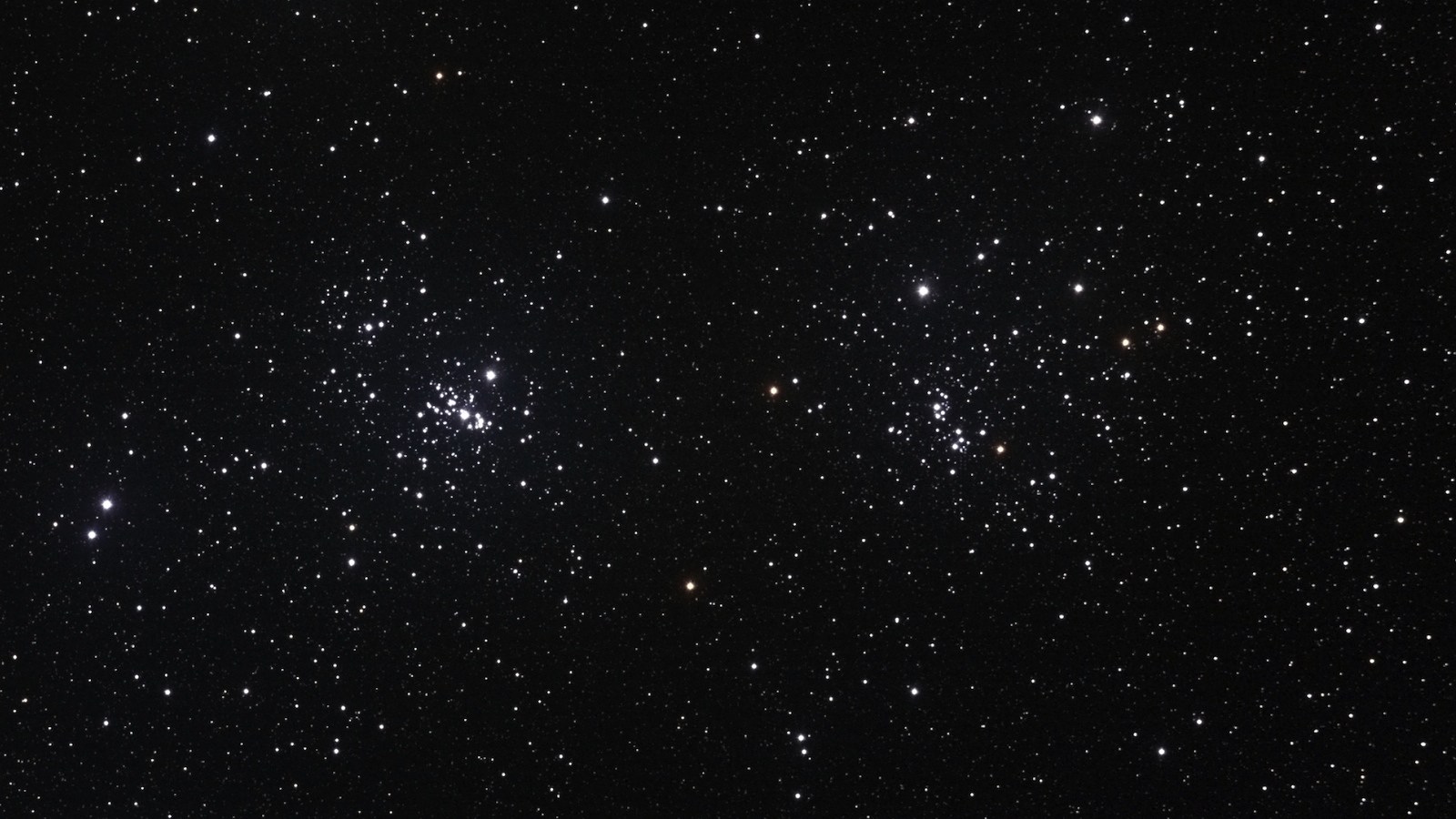

What are stars?
Lights from other worlds.
luminous balls of gas.
Far away comets
Satellites with lights
I am made up of rocks, dust and metal with a tail of ice.
Asteroid
Star
Meteor
Comet
I am a small rock that burns up in the earth's atmosphere.
meteor
meteorite
asteroid
comet
Scientists believe that a(n) _________________ hit the earth and killed the dinosaurs.
comet
asteroid
star

We have these on Earth and on the moon. Caused by asteroids or meteorites.
Pothole
Crater
Canyon
Plateau
Which of the following is the largest?
A star
The universe
A galaxy
The Highest High tides in the world can be found in the Bay of Fundy
in the United States
in Canada
in the Arctic
on islands in the middle of the ocean
If the moon had a slower revolution
we would have a longer night
we would see it all day long
we would have a longer winter
we would have longer months
The International Space Station is
The largest Satellite in Space
A building on the Moon
In Florida where NASA is
An asteroid or meteorite hitting Earth can cause a huge crater.
True
False
Scientists believe that we have not yet discovered the entire universe.
false
true

