
 Worksheets
Cells
Total questions: 57
Worksheet time: 38mins
Name
Class
Date
1.
Which of the following is the smallest unit of life that can carry out all life functions?
a)
the mitochondria
b)
the vacuoles
c)
the nucleus
d)
the cell
2.
Which structures are found in every living cell?
a)
cell membrane and cytoplasm
b)
chloroplasts and mitochondria
c)
a cell wall and nucleus
d)
chloroplasts and cell wall
3.
Which cell structure is found in plant and animals cells and controls what can come into or leave a cell?
a)
cell membrane
b)
cytoplasm
c)
nucleus
d)
vacuole
4.
What is the function of the cell nucleus found in both plant and animal cells?
a)
to produce energy
b)
to control cell activity
c)
to remove waste products
d)
to allow molecules to enter the cell
5.
Cell organelles that are responsible for digesting food, worn out organelles and other cellular wastes are called ___________________.
a)
Mitochondria
b)
Vacuoles
c)
Lysosomes
d)
Chlororplasts
6.
What is one basic function of the vacuoles?
a)
circulating oxygen
b)
producing food
c)
controlling cell processes
d)
storing water
7.
Chloroplasts in plant cells allow the plant to perform a function that animal cells cannot do. What is the main function of the chloroplasts found in plant cells?
a)
to absorb light energy and manufacture food
b)
to remove waste materials by active transport
c)
to manufacture chemical energy from food
d)
to control the shape of the cell
8.
All cells need energy to function. Which cell organelle is responsible for producing energy in the cell?
a)
chloroplasts
b)
mitochondria
c)
nucleus
d)
vacuoles
9.
What is the function of a cell wall?
a)
to protect and support the cell
b)
to perform different functions in each cell
c)
to prevent water from passing through it
d)
to prevent oxygen from entering the cell
10.
In what part of the plant cell does the process of photosynthesis take place?
a)
nucleus
b)
mitochondria
c)
chloroplasts
d)
vacuoles
11.
Cells with a nucleus and membrane-bound organelles are called ____________________.
a)
prokaryotes
b)
eukaryotes
c)
bacteria
d)
protists
12.
_ are organelles responsible for digesting certain materials within the cell.
a)
vacuoles
b)
chloroplasts
c)
lysosomes
d)
cell membrane
13.
Which of the following is not part of the cell theory?
a)
cells must contain DNA
b)
all living things are made from cells
c)
cells can only come from other cells
d)
cells are the basic unit of life
14.
He discovered that all plants are made of cells:
a)
Anton van Leeuwenhoek
b)
Theordor Schwann
c)
Robert Hooke
d)
Mattias Schleiden
15.
Who was the first person to see cells under the microscope and give them their name?
a)
Mattias Schleiden
b)
Robert Hooke
c)
Theordor Schwann
d)
Anton van Leeuwenhoek
16.
The basic unit of structure and function in a living things.
a)
chloroplast
b)
nucleus
c)
cell
d)
cell membrane
17.

Directs all cell activities through the DNA located there.
a)
Lysosomes
b)
Nucleus
c)
ribosomes
d)
Mitochondria
18.
Which of the following is directly involved in the transportation of materials inside/within the cell?
a)
Endoplasmic Reticulum
b)
Vacuole
c)
Lysosome
d)
Mitochondria
19.
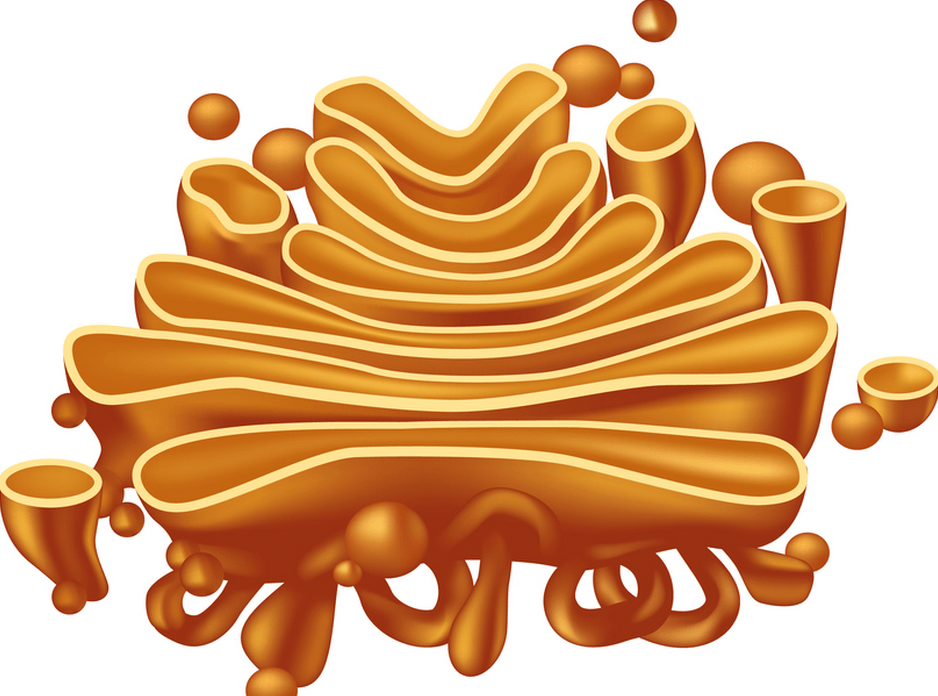
I am a protein packaging and shipping machine! Who am I?
a)
vacuole
b)
ribosome
c)
mitochondrion
d)
golgi apparatus
20.
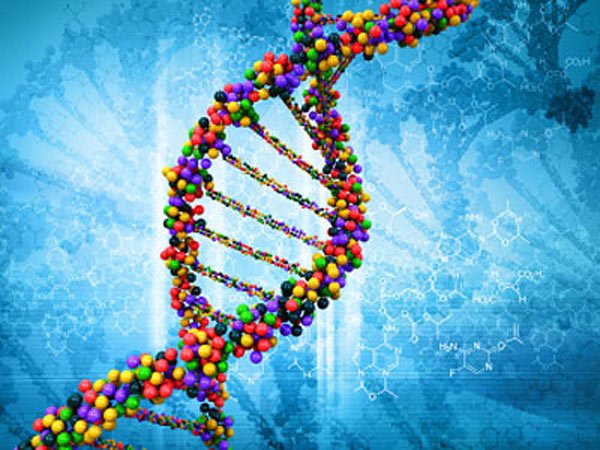
What is the name of the genetic material that is inside the nucleus?
a)
ER
b)
ATP
c)
YOLO
d)
DNA
21.

Which part of the cell is often called "the brain of the cell"?
a)
nuclear membrane
b)
endoplasmic reticulum
c)
nucleus
d)
mitochondria
22.
What is found in both plant and animal cells but is much larger in plant cells?
a)
Nucleus
b)
Mitochondria
c)
Chloroplast
d)
Vacuole
23.
Where are proteins made?
a)
Golgi body
b)
Mitoichondria
c)
Chromosomes
d)
Ribosomes
24.

I am the outer most layer of an animal cell. What am I?
a)
cell wall
b)
nucleus
c)
cell membrane
d)
cell skin
25.
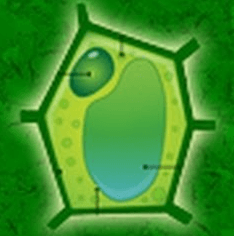
A rigid layer that lies outside the cell's membrane is...
a)
Cytoskeleton
b)
Cilia
c)
Cell Wall
d)
Flagella
26.
What organelle is called the "powerhouse" of a cell?
a)
Endoplasmic Reticulum
b)
Nucleus
c)
Mitochondria
d)
Nucleolus
27.
What organelle helps with cell digestion?
a)
Lysosomes
b)
Ribosomes
c)
Golgi Complex
d)
ER
28.
What is the gel-like substance inside of cells called?
a)
photoplasm
b)
photosynthesis
c)
cytoskeleton
d)
cytoplasm
29.
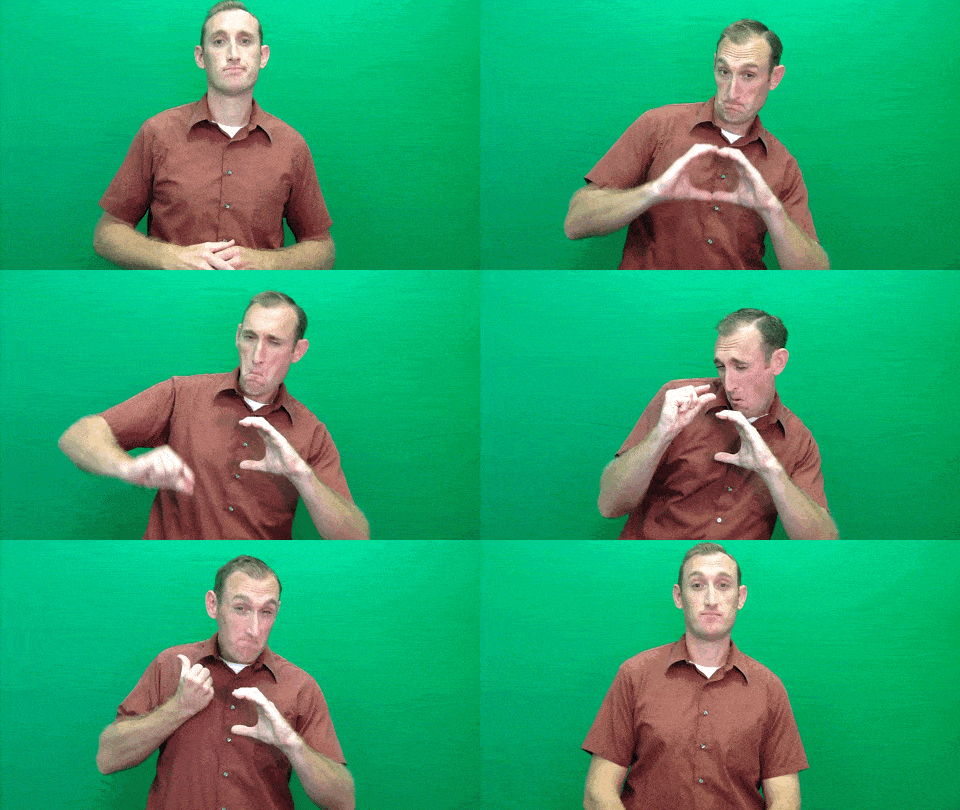
The ___________ is the basic unit of life
a)
organ
b)
cell
c)
atom
d)
tissue
30.
A group of tissues that work together to perform a similar function is called_____. (Examples include the heart, lungs or stomach)
a)
cells
b)
tissues
c)
organs
d)
organ system
31.
A group of cells that have similar functions? Examples are nervous, epithelial, muscle and connective
a)
cells
b)
tissues
c)
organs
d)
atoms
32.
Organs that work together to perform a related function is called _____________?
a)
cells
b)
tissues
c)
organ system
d)
organs
33.
When many organ systems work together it can form...
a)
organ
b)
cells
c)
organ system
d)
organism
34.

This is a example of ........
a)
cell
b)
organ system
c)
organ
d)
tissue
35.
A gel-like fluid in which many different organelles are found.
a)
cell membrane
b)
nucleus
c)
organelle
d)
cytoplasm
36.
Directs all the cell's activities.
a)
mitochondria
b)
chloroplasts
c)
vacuole
d)
nucleus
37.
A tiny cell structure that carries out a specific function within a cell.
a)
organelle
b)
cell
c)
nucleus
d)
ribosomes
38.
This structure is a storage area for the cell. Plants usually have one large one.
a)
Lysosome
b)
Vacuole
c)
Ribosome
d)
Golgi Body
39.
Prokaryotic
a)
are single celled organisms that do not have a nucleus or membrane bound organelles
b)
a protective layer that covers the the cells surface and acts as a barrier
c)
is the smallest unit that can preform all he processes necessary for life
40.
Which organism listed below is a prokaryote?
a)
dog
b)
human
c)
sunflower
d)
bacterial cell
41.
Animal and plant cells are both this type of cell.
a)
Eukaryote
b)
Prokaryote
42.
What tool do you use to view cells?
a)
metric ruler
b)
magnifying glass
c)
microscope
d)
petri dish
43.
This scientist discovered and named the cell.
a)
Robert Hooke
b)
Anton Van Leeuwenhoek
c)
John Dalton
d)
Mathias Schleiden
44.
Bacteria cells are this type of cell.
a)
Eukaryote
b)
Prokaryote
45.
Long strands of chromosomes that contain deoxyribonucleic acid (DNA) are located in the __________ of the cell.
a)
nucleus
b)
cell membrane
c)
cytoplasm
46.
Long strands of chromosomes that contain deoxyribonucleic acid (DNA) are located in the __________ of the cell.
a)
nucleus
b)
cell membrane
c)
cytoplasm
47.
A typical animal cell is spherical in shape.
a)
True
b)
False
48.
A typical plant cell is rectangular in shape.
a)
True
b)
False
49.
The network of passageways carries materials from one part of the cell to another.
a)
endoplasmic reticulum
b)
golgi bodies
c)
vacuole
d)
cell
50.
This organelle receives materials from the endoplasmic reticulum and sends them to other parts of the cell.
a)
ribosomes
b)
mitchondria
c)
cytoplasm
d)
golgi bodies
51.
All cells come from___________ cells.
a)
pregnant
b)
pre-existing
c)
paternal
d)
pin size
52.

According to cell theory, where did this cell come from?
a)
another living cell
b)
energy from sun
c)
a multicellular organism
d)
the nonliving environment
53.
An organism made of one cell is called
a)
unicellular
b)
multicellular
54.

Chloroplasts carry out...
a)
Phagocytocis
b)
Phylocytosis
c)
Photosynthesis
d)
Respiration
55.
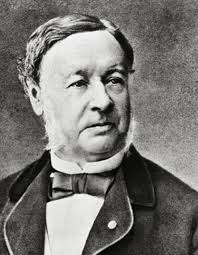
Which of the following scientists concluded that all animals are made of cells?
a)
Rudolf Virchow
b)
Matthais Schleiden
c)
Robert Hooke
d)
Theodor Schwann
56.

Which of the following scientists was the first to observe bacteria under a microscope?
a)
Anton van Leuwenhoek
b)
Matthais Schleiden
c)
Robert Hooke
d)
Theodor Schwann
57.
In order to sustain life, all cells must...
a)
digest nutrients and water
b)
excrete waste and fluids
c)
must be able to maintain a homeostasis environment (aka cellular respiration and regulation)
d)
All of the above
100 %

