
 Worksheets
7th Grade LIFE Science Review
Total questions: 69
Worksheet time: 58mins
Name
Class
Date
1.
Which organelle is only found in a plant cell?
a)
nucleus
b)
chloroplast
c)
mitochondria
d)
cell membrane
2.

Directs all cell activities through the DNA located there.
a)
Lysosomes
b)
Nucleus
c)
ribosomes
d)
Mitochondria
3.
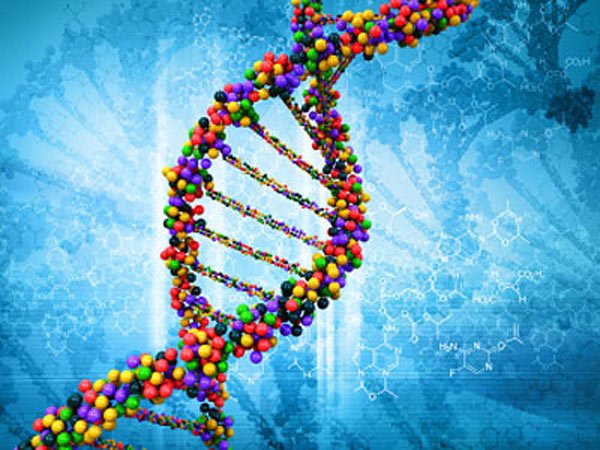
What is the name of the genetic material that is inside the nucleus?
a)
ER
b)
ATP
c)
YOLO
d)
DNA
4.
What is found in both plant and animal cells but is much larger in plant cells?
a)
Nucleus
b)
Mitochondria
c)
Chloroplast
d)
Vacuole
5.
Where are proteins made?
a)
Golgi body
b)
Mitoichondria
c)
Chromosomes
d)
Ribosomes
6.
This organelle takes food and turns it into ENERGY for plant and animal cells.
a)
Chloroplast
b)
Mitochondria
c)
Lysosome
d)
Ribosome
7.
The site of photosynthesis
a)
ribosome
b)
mitochondria
c)
chloroplast
d)
nucleus
8.

I am the outer most layer of an animal cell. What am I?
a)
cell wall
b)
nucleus
c)
cell membrane
d)
cell skin
9.
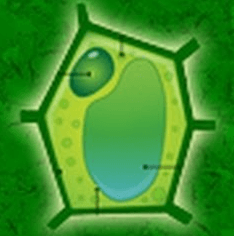
A rigid layer that lies outside the cell's membrane is...
a)
Cytoskeleton
b)
Cilia
c)
Cell Wall
d)
Flagella
10.
What is the gel-like substance inside of cells called?
a)
photoplasm
b)
photosynthesis
c)
cytoskeleton
d)
cytoplasm
11.
Organs that work together to perform a related function is called _____________?
a)
cells
b)
tissues
c)
organ system
d)
organs
12.
A group of cells that have similar functions? Examples are nervous, epithelial, muscle and connective
a)
cells
b)
tissues
c)
organs
d)
atoms
13.
A group of tissues that work together to perform a similar function is called_____. (Examples include the heart, lungs or stomach)
a)
cells
b)
tissues
c)
organs
d)
organ system
14.
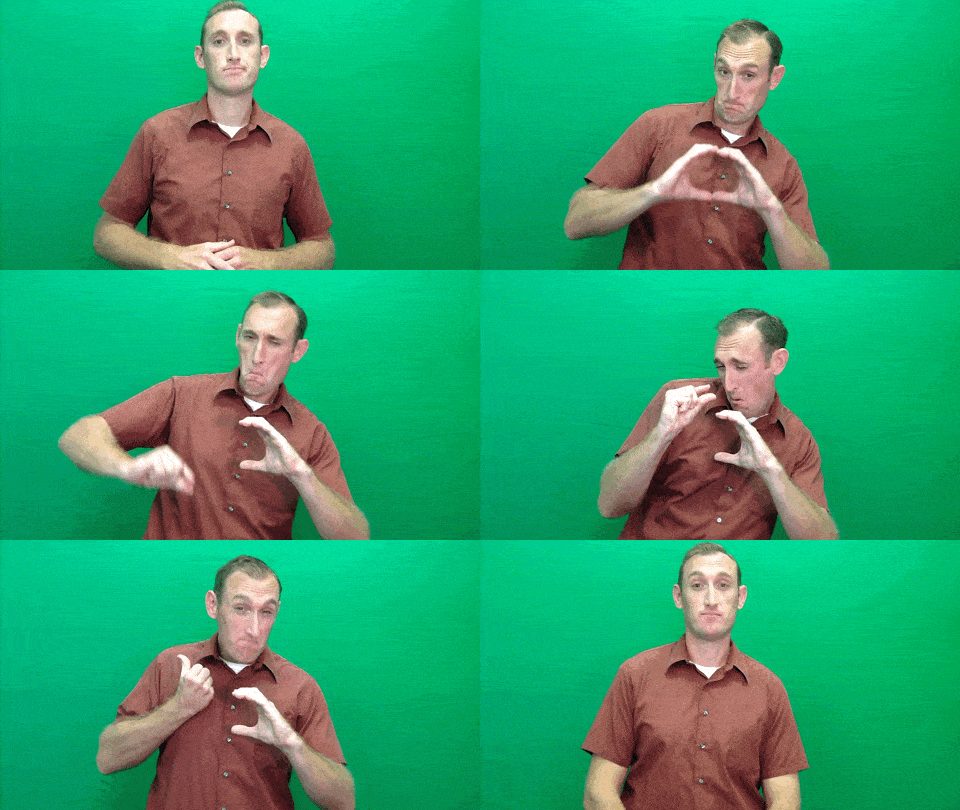
The ___________ is the basic unit of life
a)
organ
b)
cell
c)
atom
d)
tissue
15.

This is a example of........
a)
organ system
b)
cells
c)
organ
d)
tissue
16.

This is a example of ........
a)
cell
b)
organ system
c)
organ
d)
tissue
17.
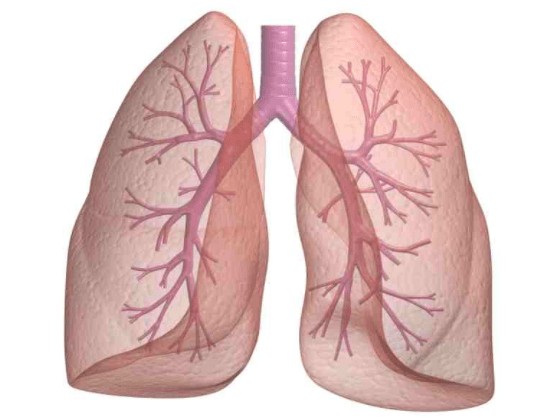
1. Which system are the lungs in?
a)
respiratory
b)
digestive
c)
excretory
d)
muscular
18.

Which system is the stomach in?
a)
respiratory
b)
digestive
c)
nervous
d)
excretory
19.

Which system is the esophagus in?
a)
digestive
b)
urinary
c)
integumentary
d)
skeletal
20.

What is the main function of the respiratory system?
a)
take in oxygen and exhale waste like carbon dioxide
b)
move nutrients throughout the body
c)
take in carbon dioxide and exhale oxygen
21.
Where does digestion start?
a)
stomach
b)
mouth
c)
esophagus
22.
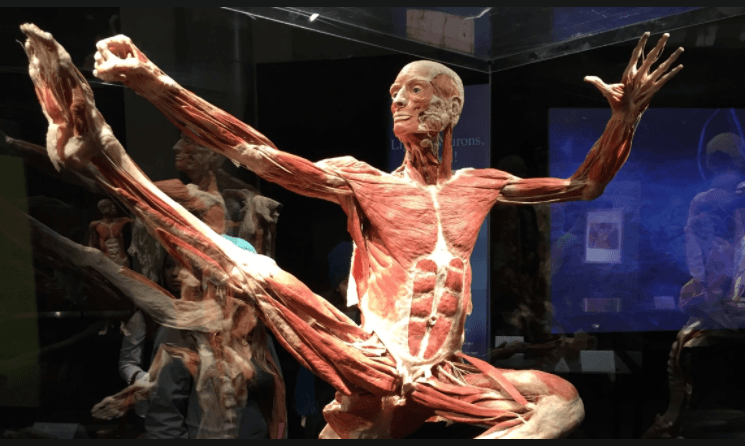
Which systems main function is to allow movement of the body?
a)
muscular
b)
digestive
c)
skeletal
d)
excretory
23.

Your body systems work separately and do not effect each other.
a)
true
b)
false
24.
Roles, jobs, or purposes.
a)
function
b)
cells
c)
stimulus
d)
microscope
25.

Which system provides shape and support, enables you to move, protects your internal organs, and stores minerals?
a)
skeletal
b)
muscular
c)
digestive
d)
nervous
26.
Which system detects information from the environment and directs the way your body responds to this information?
a)
excretory
b)
circulatory
c)
respiratory
d)
nervous
27.
Which system includes bones, cartilage, and ligaments?
a)
nervous
b)
muscular
c)
skeletal
d)
excretory
28.
Which system includes the nose, trachea and the lungs?
a)
respiratory
b)
circulatory
c)
immune
d)
digestive
29.
Which system fights disease?
a)
excretory
b)
nervous
c)
immune
d)
digestive
30.
Which system collects and removes wastes?
a)
Muscular
b)
Circulatory
c)
Digestive
d)
Excretory
31.
Which system carries needed materials to the body cells and carries wastes away from the body cells?
a)
Circulatory
b)
Digestive
c)
Nervous
d)
Excretory
32.
Which system includes the heart and blood vessels?
a)
respiratory
b)
circulatory
c)
nervous
d)
skeletal
33.
Which system includes the brain, spinal cord, eyes, ears, and skin?
a)
Muscular
b)
Nervous
c)
Respiratory
d)
Skeletal
34.
Which three body systems allow you to move?
a)
muscular, skeletal, digestive
b)
nervous, respiratory, digestive
c)
nervous, muscular, skeletal
d)
Muscular, skeletal, circulatory
35.
Which two body systems deliver oxygen to your cells and take away carbon dioxide?
a)
respiratory and nervous
b)
circulatory and nervous
c)
circulatory and excretory
d)
Respiratory and circulatory
36.
Which two body systems work together to break down food and get rid of wastes?
a)
digestive and excretory
b)
digestive and circulatory
c)
excretory and respiratory
d)
nervous and digestive
37.
The man who studied genetics and came up with genetics is
a)
Watson
b)
Crick
c)
Mendel
d)
Darwin
38.
What is a phenotype
a)
The genetic make up (code)
b)
The physical trait
39.
having two of the same genes for the trait (sometimes called purebred).
a)
homozygous
b)
hetrozygous
c)
protein
d)
chromosome
40.
having two different genes for a trait (sometimes called hybrid).
a)
protein
b)
homozygous
c)
heterozygous
d)
genotype
41.
An allele whose trait only shows up when no dominant allele is present.
a)
hidden allele
b)
dominant allele
c)
recessive allele
d)
present allele
42.
What does heterozygous mean?
a)
An organism that has the same genes for a trait (TT or tt)
b)
An organism that has different genes for a trait (Tt)
c)
When neither gene is fully dominant; offspring is a mixture of both
d)
the different forms of a trait (hair color--> brown, blonde, red
43.
Which of the following cell types is formed by meiosis?
a)
muscle cells
b)
skin cells
c)
sperm cells
d)
blood cells
44.
What is one advantage of sexual reproduction?
a)
offspring are identical to parents
b)
offspring are resistant to viruses
c)
offspring are born live, rather thna from eggs
d)
offspring inherit a wider variety of genetic information
45.
An organism's appearance is known as its
a)
heredity
b)
phenotype
c)
genotype
d)
pedigree
46.
One form of a gene is called_______________
a)
a DNA
b)
a Phenotype
c)
a trait
d)
an allele
47.
the condensed form of DNA is called________________
a)
an allele
b)
a gene
c)
a chromosome
d)
a phenotype
48.

What is the percentage of offspring that have green pods?
a)
100%
b)
75%
c)
50%
d)
25%
49.
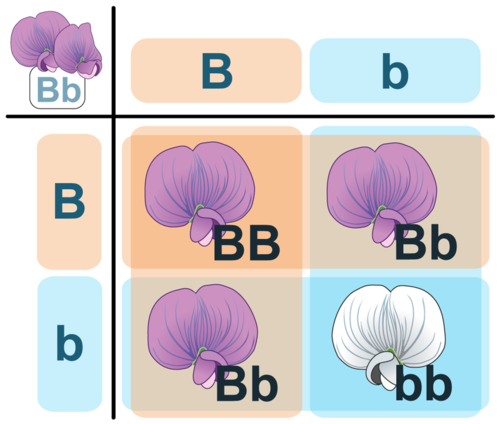
In this punnett square, which is the dominant trait?
The B stands for bud.
The B stands for bud.
a)
purple flower bud
b)
white flower bud
c)
dominant
d)
recessive
50.
How many alleles (letters) do each person carry for a trait?
a)
1
b)
2
c)
3
d)
4
51.

T - tall and t = short
In the punnett square below, what belongs in the missing square
In the punnett square below, what belongs in the missing square
a)
tt
b)
Tt
c)
Bb
d)
TT
52.

In a Punnett square each box represents a(n)....
a)
offspring
b)
parent
c)
gene
d)
trait
53.

In a pedigree, what shape represents a male?
a)
circle
b)
square
c)
triangle
d)
diamond
54.

Lisa has two grandmothers in this picture.
a)
Mona and Jackie
b)
Marge and Mona
c)
Selma and Jackie
d)
Patty and Selma
55.

How many girls in this family express this recessive disorder?
a)
4
b)
5
c)
6
d)
7
56.
If "T" is the allele for tall and "t" is the allele for short, then Tt would produce?
a)
tall
b)
short
c)
medium
d)
not enough info
57.
Are recessive traits shown with capital or lowercase letters?
a)
Capital
b)
Lowercase
58.
An allele or gene that always shows is
a)
recessive
b)
dominant
c)
hidden
d)
present
59.

What would the ratio for genotypes be for this Punnett Square?
a)
2Bb:2bb
b)
2BB:2Bb
c)
1BB:2Bb:1bb
d)
4Bb
60.

A ________________________ is used to predict the possible genotype from certain parents
a)
Mendel Grid
b)
Genetic Tic Tac Toe
c)
Punnett Square
d)
Pedigree Plot
61.
What is a gene?
a)
An entire chromosome that codes for a trait
b)
a piece of clothing
c)
a piece of a DNA on chromosome that codes for a trait
d)
Chemical messengers in your brain that code for a trait
62.
A mode of reproduction in which an organism arises from two organisms and inherits half of its DNA from each parent
a)
Sexual Reproduction
b)
Asexual Reproduction
c)
Cloning
d)
Fragmentation
63.
Which of the following is a characteristic of a disadvantage of Sexual Reproduction?
a)
diverse offspring
b)
identical to parent
c)
time and energy
d)
adaptability
64.
What is a characteristic of sexual reproduction?
a)
diverse offspring
b)
identical offspring
c)
faster than asexual reproduction
d)
requires no energy
65.
All of the offspring of an organism have the same genetic material, which is identical to the parent organism?
a)
makes its own food
b)
goes away
c)
live in a marine habitat
d)
reproduces asexually
66.
A mode of reproduction by which an organism arises from a single organism and inherit the identical genes of that parent
a)
Asexual Reproduction
b)
Sexual Reproduction
c)
Genetic Variation
d)
Alleles
67.
Most single cell organisms reproduce in which way?
a)
asexual
b)
sexual
c)
Fission
d)
Budding
68.
function of mitosis
a)
genetic diversity though sexual reproduction
b)
cell reproduction and general growth and repair
69.
Which of the following best describes meiosis?
a)
It is carried out in all tissues theat require cell replacement
b)
It occurs only in cells in the reproductive structures of an organism
c)
It happens in all of the tissues except the brain and spinal cord
d)
It is the first stage of mitosis
100 %

