
 Worksheets
Body Systems Review
Total questions: 55
Worksheet time: 36mins
Name
Class
Date
1.
The main purpose of the ____________ system is to break food particles into pieces that can be used.
a)
circulatory
b)
respiratory
c)
digestive
d)
skeletal
2.
What is responsible for delivering oxygen and removing carbon dioxide from the body?
a)
cell nucleus
b)
excretory system
c)
nervous tissue
d)
respiratory system
3.
___________ are the building blocks of life.
a)
cells
b)
legos
c)
blocks
d)
blood
4.
The circulatory system uses _________ to deliver oxygen to the rest of the body.
a)
blood cells
b)
lungs and nose
c)
blood vessels
d)
brain and spinal cord
5.
Which system are the lungs in?
a)
respiratory
b)
digestive
c)
excretory
6.
What systems brings in oxygen for your cells to use?
a)
reproductive system
b)
digestive system
c)
respiratory system
d)
endocrine system
7.
What is another name for the throat?
a)
esophagus
b)
larynx
c)
pharynx
d)
trachea
8.
What body system includes the kidneys and bladder?
a)
circulatory system
b)
reproductive system
c)
digestive system
d)
urinary system
9.
Oxygen and carbon dioxide move in and out of blood through the walls of the __________
a)
arteries
b)
capillaries
c)
veins
d)
vessels
10.
Blood cells carrying carbon dioxide return to the heart through ___________
a)
arteries
b)
capillaries
c)
veins
d)
lungs
11.
What organ filter waste from the blood?
a)
bladder
b)
kidneys
c)
small intestine
d)
urethra
12.
The system that removes waste from your body is the ____________
a)
digestive system
b)
endocrine system
c)
excretory stystem
d)
integumentary system
13.
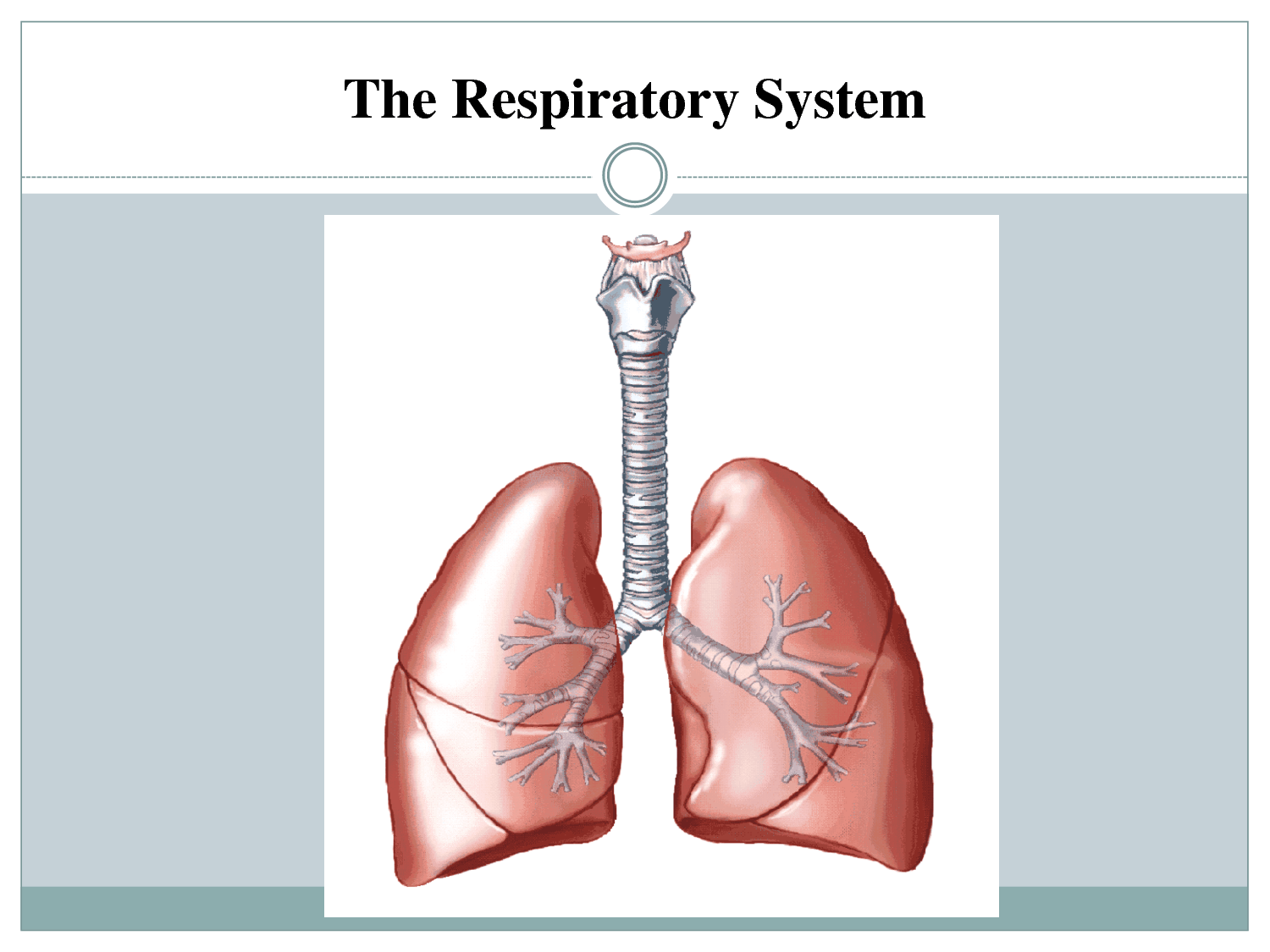
What is the main function of the respiratory system?
a)
to provide oxygen and remove carbon dioxide from the body
b)
to bring oxygen to the body
c)
to break down food and absorb nutrients
d)
to remove oxygen from the body and deliver carbon dioxide
14.
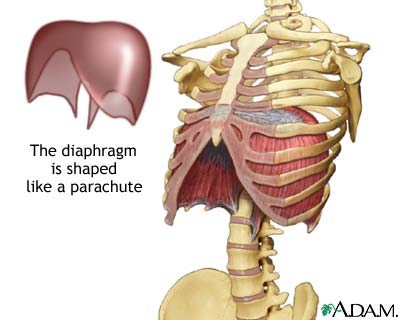
What is function of the dome-shaped diaphragm?
a)
This is where gas exchange happens.
b)
Air passes through the diaphragm on the way to the lungs.
c)
It attaches to the lungs to help in breathing.
d)
It is under the lungs and keeps them from falling down to your stomach.
15.
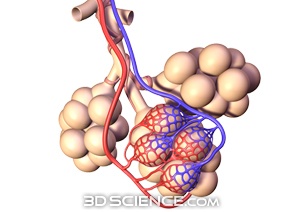
When you breathe, your lungs take in ___ and remove ___.
a)
air/oxygen
b)
oxygen/carbon dioxide
c)
carbon dioxide/waste
d)
waste/air
16.
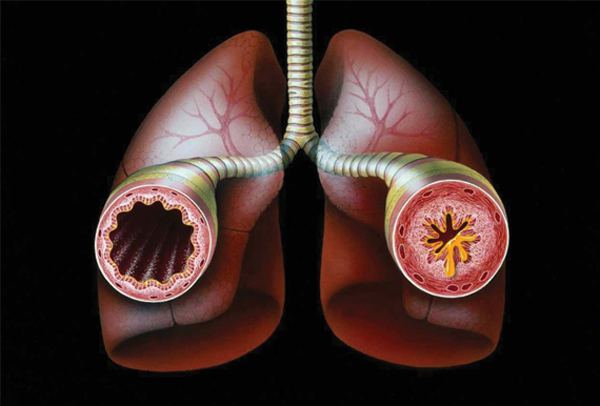
A disorder of the lungs called ____ causes the bronchi to become restricted (get smaller) so air can't get to the lungs.
a)
asthma
b)
cold
c)
influenza
d)
bronchitis
17.
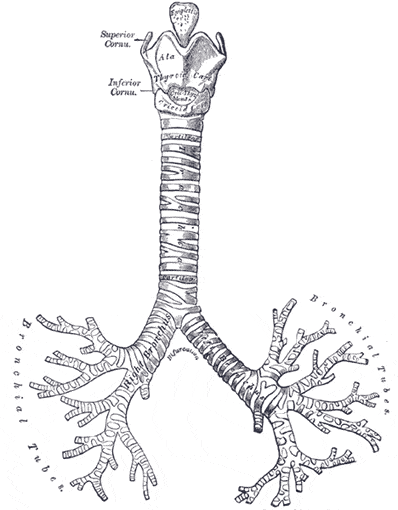
The two main branches from the trachea (one to each lung)
a)
bronchi
b)
alveoli
c)
capillaries
d)
bronchioles
18.
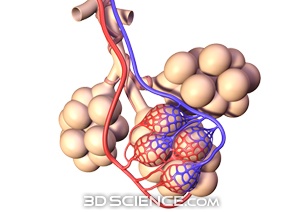
The air sacs that are covered with capillaries where gas exchange takes place
a)
bronchi
b)
lungs
c)
oxygen
d)
alveoli
19.
Why is the diaphragm important to the respiratory system ?
a)
It contracts or expands air from the lungs.
b)
It helps the system to digest.
c)
It helps the system to do its main functions.
d)
It helps decrease the carbon dioxide in the system.
20.
Arteries carry oxygen rich blood away from the heart.
a)
True
b)
False
21.
How does the heart work?
a)
It pumps blood first to the lungs, back to the heart and then around the rest of the body.
b)
It pumps blood first to the rest of the body, back to the lungs and then to the heart.
c)
It pumps blood around the rest of the body, back to the heart and then to the lungs,
22.
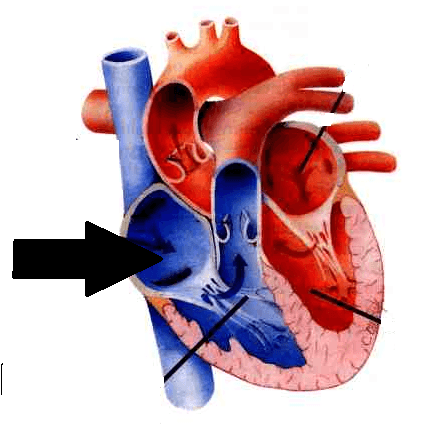
Identify
a)
Left atrium
b)
Right atrium
c)
Left ventricle
d)
Right ventricle
23.
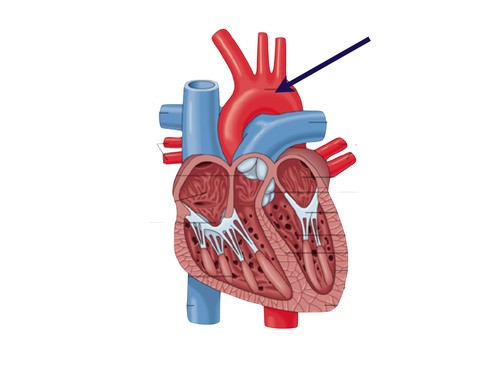
Identify
a)
Pulmonary veins
b)
Pulmonary artery
c)
Aorta
d)
Vena cava
24.
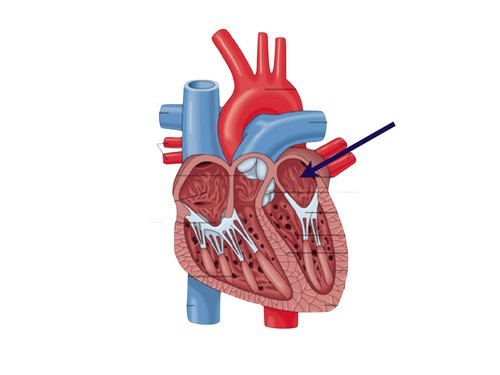
Identify
a)
Left atrium
b)
Right atrium
c)
Left ventricle
d)
Right ventricle
25.
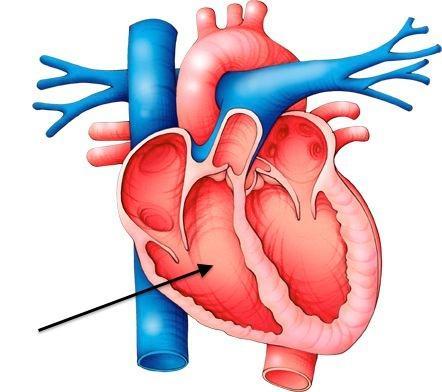
Identify
a)
Left atrium
b)
Right atrium
c)
Left ventricle
d)
Right ventricle
26.
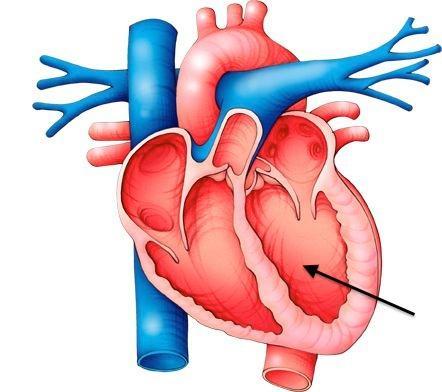
Identify
a)
Left atrium
b)
Right atrium
c)
Left ventricle
d)
Right ventricle
27.
The heart has ___ chambers.
a)
1
b)
2
c)
3
d)
4
28.
This chamber of the heart RECEIVES blood returning from the body
a)
Right Atrium
b)
Right Ventricle
c)
Left Atrium
d)
Left Ventricle
29.
Which chambers of the heart are the thickest and strongest?
a)
Atria
b)
Ventricles
c)
Valves
d)
Aorta
30.
The aorta is the largest artery in the body. The blood leaving the aorta is full of?
a)
Oxygen
b)
Carbon Dioxide
c)
White blood Cells
d)
Potassium
31.
Thin-walled vessels that allow for the exchange of O2 , CO2, nutrients and wastes between blood cells or air sacs in the lungs
a)
Arteries
b)
Veins
c)
Capillaries
32.

What does Deoxygenated mean?
a)
Oxygen-rich
b)
Blood flow
c)
Oxygen-poor
d)
Water Flow
33.

A flap of tissue that prevents blood from flowing backward
a)
Aorta
b)
Atrium
c)
Septum
d)
Valve
34.
Which is NOT a formed element in blood?
a)
leukocyte
b)
thrombocyte
c)
plasma
d)
erythrocyte
35.
I am the 'liquid' portion of blood.
a)
Erythrocytes
b)
Thrombocytes
c)
Leukocytes
d)
Plasma
36.
Red blood cells
a)
make your blood red.
b)
carry oxygen and carbon through the body.
c)
carry nitrogen and carbon through the body.
d)
have no specific purpose.
37.

The chewing and grinding of food into smaller pieces is an example of...
a)
Mechanical Digestion
b)
Chemical Digestion
38.
What is the substance found in the stomach that allows for chemical digestion to take place?
a)
Gastric Juices
b)
Saliva
c)
Bile
39.
Which is NOT a function of the Digestive System?
a)
To rid the body of solid waste
b)
Absorb nutrients for energy & growth
c)
Break down nutrients from food
d)
Pump blood around the body
40.
Gastric juices in the stomach digest food into a thick liquid. This is...
a)
Mechanical digestion
b)
Chemical digestion
41.
Enzymes (chemicals) in your saliva help break down food while chewing. This is...
a)
Mechanical digestion
b)
Chemical digestion
42.
Type of digestion in the stomach:
a)
Mechanical
b)
Chemical
c)
Both
43.
Where chemical digestion starts.
a)
Small intestine
b)
Oesophagus
c)
Mouth
d)
Stomach
44.

The nephron loop, or loop of Henle, is indicated by ________.
a)
Label J
b)
Label I
c)
Label K
d)
Label M
45.
The tube connecting each kidney to the urinary bladder is the ________.
a)
ureter
b)
urethra
c)
calyx
d)
ductus (vas) deferens
46.
Urine is transported from the urinary bladder to the outside of the body by the ________.
a)
urethra
b)
ureter
c)
trigone
d)
collecting duct
47.
What would you find inside the glomerulus?
a)
Urea
b)
Urine
c)
Blood
d)
Lymph
48.
The three stages of urine production are _______, ______________, and ___________.
a)
filtration, reabsorption and secretion
b)
filtration, urine secretion and leukocytosis
c)
reabsorption, discretion and secretion
d)
secretion, absorption and dissemination
49.
How many kidneys do you have?
a)
1
b)
3
c)
5
d)
2
50.
Urine production takes place in the:
a)
nephrons
b)
bladder
c)
ureter
d)
renal pelvis
51.

What is #3?
a)
Kidney
b)
Ureters
c)
Bladder
d)
Urethra
52.
Which stage of urine production involves returning water, nutrients, and electrolytes to the bloodstream?
a)
filtration
b)
excretion
c)
secretion
d)
reabsorption
53.
Which stage of urine production involves the removal of substances from the bloodstream?
a)
reabsorption
b)
excretion
c)
filtration
d)
secretion
54.
Along with eliminating toxins, the urinary system also regulates the ____ & ____ in your blood.
a)
salt; water
b)
potassium; urea
c)
ammonia; water
d)
nitrogen; salt
55.
Which of the following is an example of the urinary system's ability to maintain homeostasis?
a)
A person drinks a large amount of water and urinary output increases.
b)
The kidneys are protected by a heavy cushion of fat and a fibrous capsule.
c)
As people get older, the frequency of nocturne increases.
d)
When physical activity increases, the blood flow through the kidneys decreases.
100 %

