
NEW
Font size
 Worksheets
Wind
Total questions: 23
Worksheet time: 12mins

The horizontal movement of air from and area of high pressure to an area of low pressure is called ____________.
wind
climate
high pressure
air pressure

All wind are caused by differences in ____________.
weather
precipitation
air pressure
climate
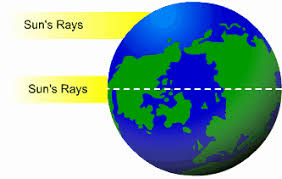
Most differences in air pressure are caused by _______________ heating of the atmosphere.
some
equal
unequal
great

Warm air __________.
is not part of the atmosphere
has less energy
sinks
rises

Cool air has __________ pressure.
low
high
medium
unknown

The increased cooling that a wind can cause is called the __________.
warm-chill factor
anemometer factor
wind-chill factor
wind direction factor

Toward what direction does a West wind blow.
east
south
north
west

Wind direction is determined with a _____________.
thermometer
anemometer
satellite
wind vane

Local winds are wind that blow over ______________.
short distances
long distances
the oceans
many continents

Local winds are caused by _____________ heating of Earth's surface within a small area.
typical
unequal
unsusual
some

It takes _________ energy to warm up a body of water than it does to warm up an equal area of land.
some
equal
less
more

A wind that blows from an ocean or lake onto the land is known as a _________.
sea breeze
desert breeze
cold wind
warm wind

The flow of air from land to a body of water is called a ___________________
warm breeze
lake breeze
land breeze
wind breeze

Monsoon winds bring seasonal ____________ to an area.
sunshine
cold
snow
rain

Winds that blow over long distances in predictable patterns are called ____________.
seasonal winds
strong winds
global winds
local winds
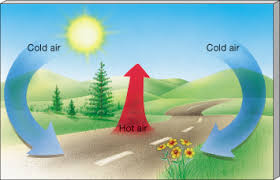
Warm air ____________ at the equator.
rises
sinks
mixes
goes down
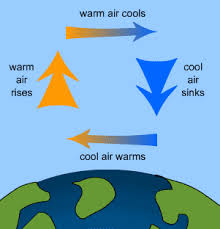
Cold air ___________ at the poles.
has a lot of moisture
gets warm
rises
sinks

Temperature differences between the equator and the poles produce giant __________________ in the atmosphere.
clouds
global warming
Greenhouse Effect
convection currents

Earth's rotation makes winds curve, this is called _____________.
wind effect
global warming effect
Coriolis effect
winds curve effect

Wind in the Northern hemisphere turn to the ______________ because of the Coriolis Effect.
right
left
top
south

The Horse latitudes are areas on Earth that experience little wind. They are called Horse latitudes because sailor would throw their ___________ overboard when their ships would get stuck without a wind to sail them to their destinations.
horses
sheet
gold
wives

About 10 kilometer above Earth's surface are bands of high speed wind called __________. They blow from west to east at speeds of 200 to 400 kilometer per hour.
jet streams
jet airplane
jet setter
jet propulsion

The cold polar easterlies blow away from the __________.
poles
equator
horse latitudes
warm areas

