wayground logo

Free Printable Worksheets

Font size

S
M
L
XL
Worksheets

Biomes & Adaptations

Total questions: 43

Worksheet time: 50mins
Name
Class
Date
1.
Which biome covers most of the land mass near the Earth's equator?
a)
tundra
b)
desert
c)
grassland
d)
tropical rainforest
2.
What is the main factor that separates the biomes?
a)
Land
b)
Water
c)
Climate
d)
Longitude
3.

Which biomes are considered the driest?

a)

Desert

b)

Tundra

c)

Taiga

d)

Rainforest

4.
Which Biome has permafrost?
a)
Temperate Forest
b)
Rainforest
c)
Taiga
d)
Tundra
5.
Which biome has coniferous trees (which don't lose their leaves)?
a)
Taiga
b)
Temperate Forest
c)
Tundra
d)
Grasslands
6.
Which biome has deciduous trees (which lose their leaves)?
a)
Temperate Forest
b)
Rainforest
c)
Grasslands
d)
Taiga
7.

Which biome has the most variety of plants and animals (the most BIODIVERSE)?

a)

Temperate Forest

b)

Rainforest

c)

Tundra

d)

Grasslands

8.

Which biome is home to lions, zebras, wildebeests, giraffes, and elephants?

a)

Grasslands (Savanna)

b)

Tundra

c)

Rainforest

d)

Temperate Deciduous Forest

9.
Which biome is home to cacti, scorpions, coyotes, kangaroo rats, and lizards?
a)
Desert
b)
Grasslands
c)
Temperate Forest
d)
Taiga
10.

Which biome do Tennesseans live in?

a)

Grasslands

b)

Taiga

c)

Rainforest

d)

Temperate Deciduous Forest

11.

Which biome covers Russia, northern Europe, and Canada (largest land biome)?

a)

Tundra

b)

Taiga

c)

Temperate Forest

d)

Desert

12.
In which biome does an organism have to be able to conserve water to survive?
a)
Rainforest
b)
Taiga
c)
Desert
d)
Temperate Forest
13.
One characteristic feature of tundra is that only the surface thaws in the summer and refreezes in the winter, leaving a layer of permanently frozen subsoil.  This characteristic is known as
a)
glaciation
b)
permafrost
c)
crystallization
d)
soilfrost
14.
Which of the following habitats probably has the greatest number of plant and animal species?
a)
the African savannah
b)
a rainforest in Brazil
c)
a temperate forest in China
d)
a temperate grassland in Kansas
15.

Which biome contains large populations of grazing herbivores, very few trees, and deep, rich soil?

a)

taiga

b)

tundra

c)

deciduous forest

d)

grassland

16.
This biome contains mostly spruce trees and Douglas firs, which are both evergreen.  The winters are long and cold and the summers are short and rainy.  The soil is very rich.  Moose and elk live here.  This biome is classified as a
a)
taiga
b)
tundra
c)
deciduous forest
d)
temperate forest
17.
The biome known for trees with broad leaves that fall off the trees in the winter.
a)
Coniferous Forests
b)
Deciduous Forests
c)
Deserts
d)
Tropical Rain Forests
18.
The most important abiotic factors when studying biomes are...
a)
Food and Water
b)
Water and Sunlight
c)
Temperature and Oxygen
d)
Water and Temperature 
19.
This biome is found around the equator and is home to a large amount of biodiversity.
a)
Deserts
b)
Tropical Rain Forests
c)
Savannas
d)
Chaparral 
20.
Which biome is MOST LIKE the "desert" in terms of precipitation?
a)
tropical rainforest
b)
temperate deciduous forest
c)
tundra
d)
coniferous forest
21.
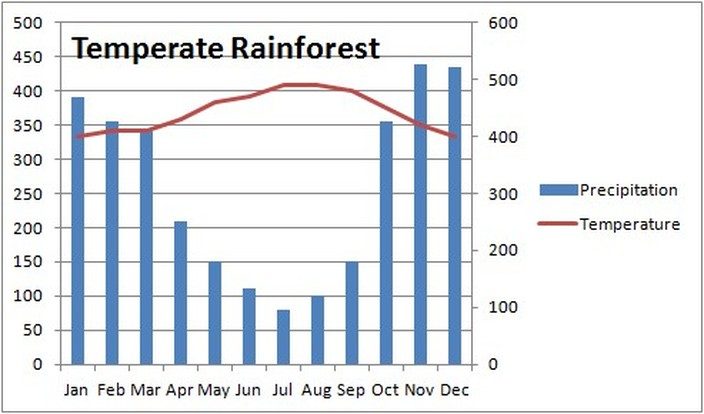
Which biome is represented by the rainfall amounts in letter C?
a)
desert
b)
prairie
c)
deciduous forest
d)
tropical rain forest
22.

What are the key features of the Tundra?

a)

cold winter, thin acidic soil, evergreen trees

b)

treeless, permafrost, cold & dry

c)

long cool summers, short dark winters, migrating animals

d)

many evergreen trees, short moist summers, long snowy winters

23.
Which of the following in an ecosystem is classified as BIOTIC?
a)
Rock
b)
Sand
c)
Wind
d)
Tree
24.
Which of the following in an ecosystem is ABIOTIC?
a)
Sunlight
b)
Frog
c)
Scorpion
d)
Snake
25.
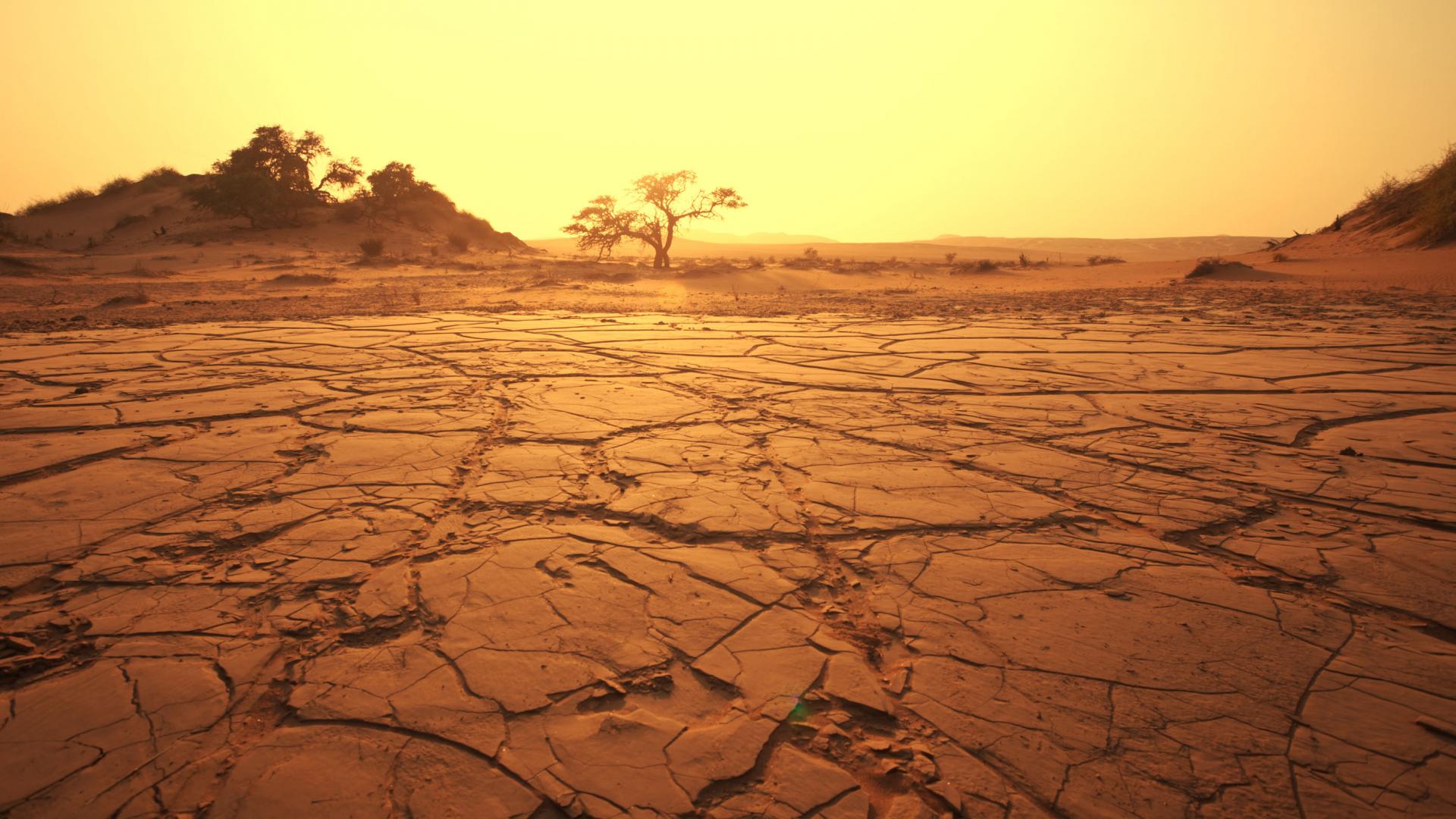
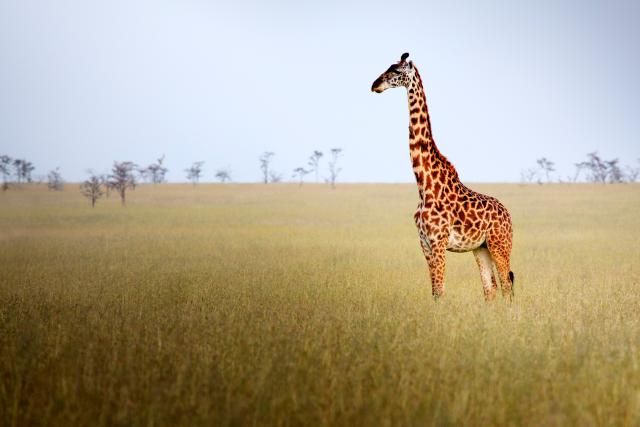
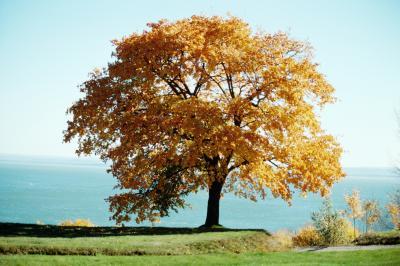
What biome? 
a)
Savannah
b)
Temperate Rainforest
c)
Taiga
d)
Desert
26.

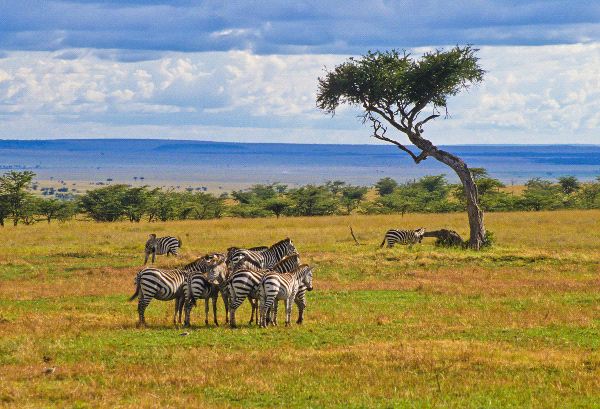
What describes the seasons in the pictured biome?

a)

icy cold in December only

b)

rainy all year

c)

has a wet season

d)

has a dry season

27.
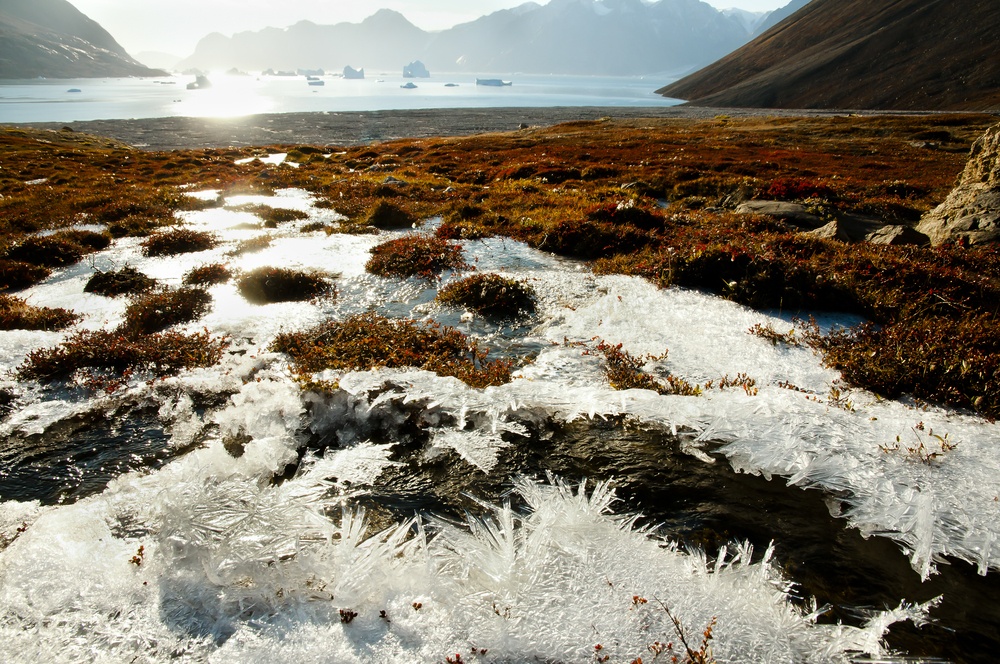
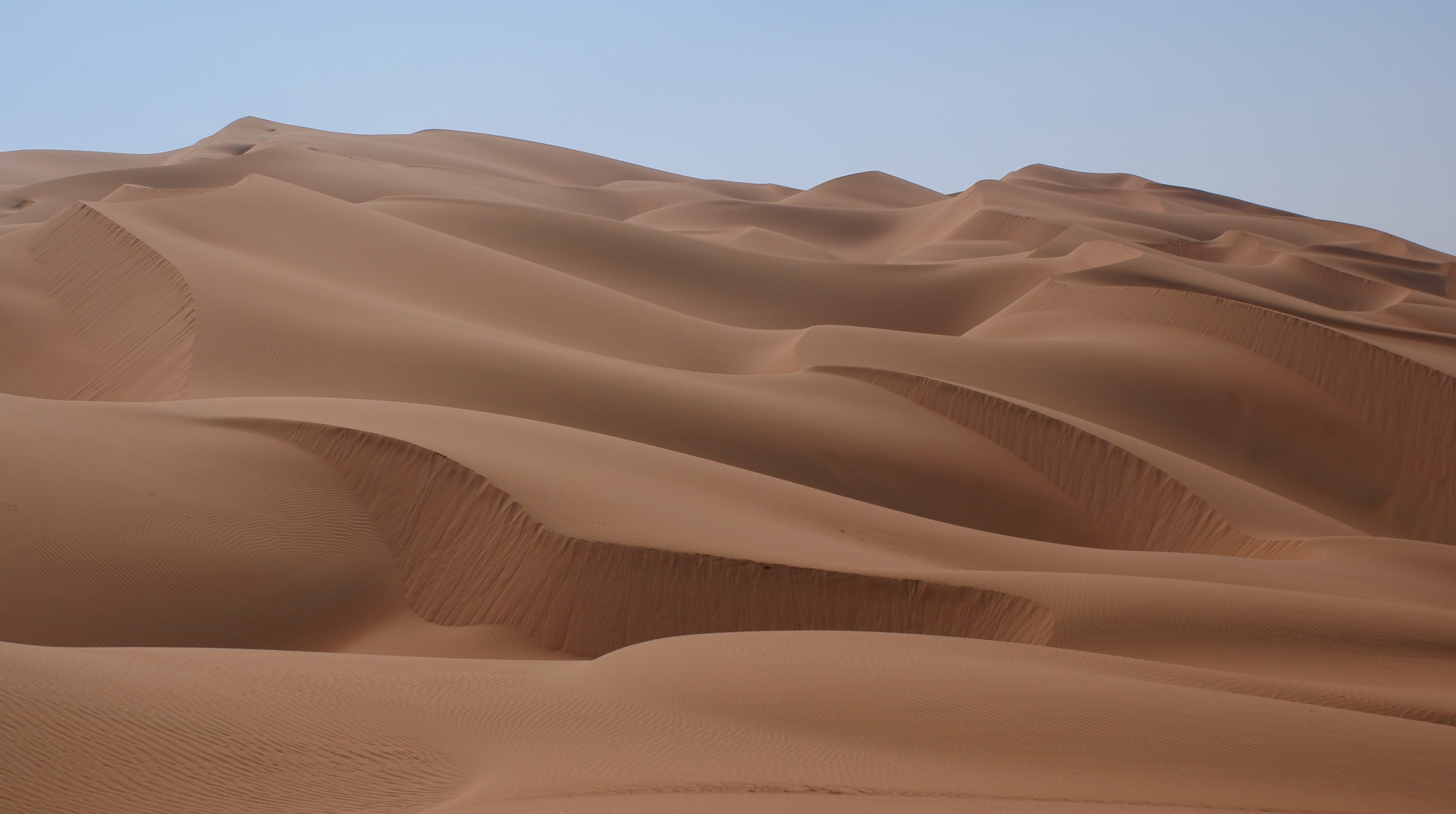
What biome?
a)
Mountains
b)
Tundra
c)
Tropical Rainforest
d)
Temperate Forest
28.

How much rain falls in the desert?

a)

up to 400 inches

b)

more than 10 inches

c)

less than 10 inches

d)

none at all

29.

As you travel from the North Pole toward the equator, you would expect to see

a)

tropical rain forests, then deserts, then taiga.

b)

temperate deciduous forests, then taiga, then tropical rain forests.

c)

tundra, then taiga, then grasslands, then tropical rain forests.

d)

taiga, then desert, then tundra.

30.
We would NOT find this animal in the deciduous forest
a)
squirrel
b)
deer
c)
bear
d)
giraffe
31.
Nonliving elements in an ecosystem are called _______________. 
a)
biotic factor
b)
abiotic factor
c)
limiting factor
d)
carrying capacity 
32.
True of False?  
Animals that live in the desert have adapted to live with little water since the desert gets little rainfall.
a)
True
b)
False
33.
How do adaptations help animals?
a)
To hide from predators
b)
to hunt for food
c)
to survive in their habitats
d)
All of these are correct
34.
An animal's color or pattern that helps it blend into its surroundings
a)
Environment 
b)
Mimicry
c)
Camouflage
35.
Which feature of a rose helps it grow without being eaten by large animals?
a)
flowers with bright colors
b)
sharp thorns
c)
small seeds
d)
deep roots
36.
What is an adaptation?
a)
A feature that helps a plant grow.
b)
A feature that helps a living thing survive.
c)
A feature that helps a living thing walk.
d)
A feature that that helps only animals survive. 
37.
Consumers that get energy by eating ONLY plants are called: _____
a)
herbivores
b)
omnivores
c)
carnivores
38.
Consumers that eat ONLY animals are ______
a)
herbivores
b)
carnivores
c)
omnivores
39.
Consumers that eat BOTH plants and animals are ______
a)
omnivores
b)
carnivores
c)
herbivores
40.
These animals digest the waste and remains of dead plants and animals
a)
scavengers
b)
decomposers
41.
The ears of this fox are an example of...
a)
A behavioral adaptation
b)
Poor breeding
c)
A physical adaptation
d)
Plastic surgery gone horribly wrong
42.
Who is at the bottom of an energy pyramid?
a)
producer
b)
organism
c)
consumer
d)
soil
43.
A Viceroy butterfly looks like the Monarch butterfly. The Viceroy tastes terrible to birds, so birds won't take the chance and eat the Viceroy. What is this kind of adaptation?
a)
Mimicry
b)
Camouflage
c)
Hibernation
d)
Migration