
 Worksheets
hbs part 2 test review
Total questions: 67
Worksheet time: 52mins
Name
Class
Date
1.
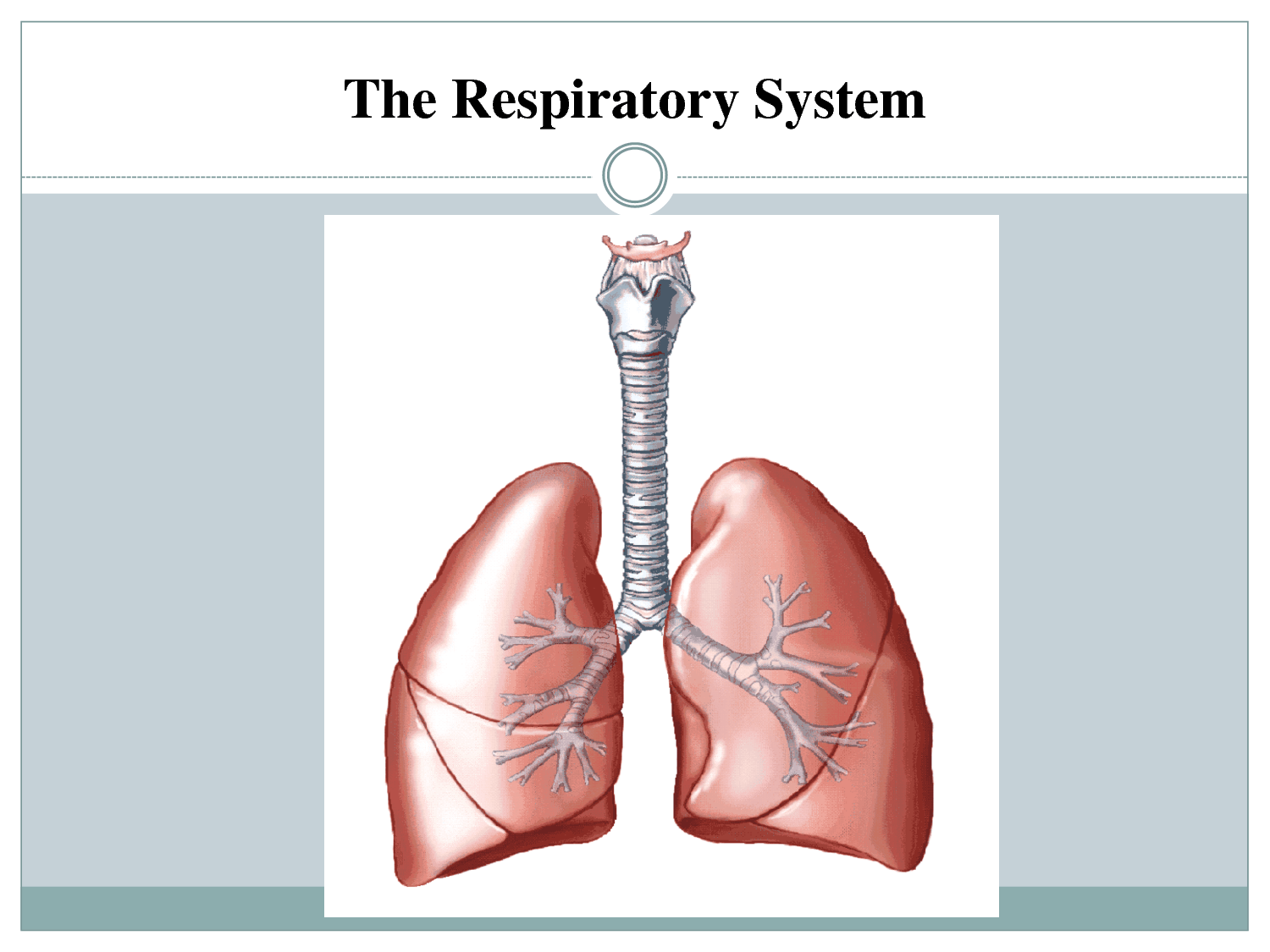
What is the main function of the respiratory system?
a)
to provide oxygen and remove carbon dioxide from the body
b)
to bring oxygen to the body
c)
to break down food and absorb nutrients
d)
to remove oxygen from the body and deliver carbon dioxide
2.
What are the main organs of gas exchange in the respiratory system?
a)
diapragm
b)
lungs
c)
trachea
d)
bronchi
3.
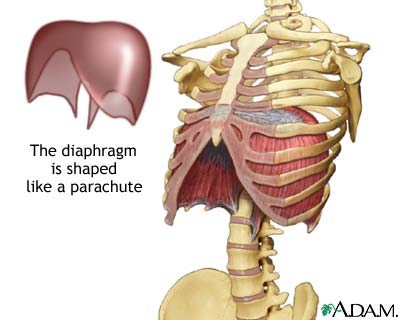
What is function of the dome-shaped diaphragm?
a)
This is where gas exchange happens.
b)
Air passes through the diaphragm on the way to the lungs.
c)
It attaches to the lungs to help in breathing.
d)
It is under the lungs and keeps them from falling down to your stomach.
4.
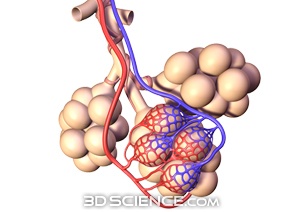
When you breathe, your lungs take in ___ and remove ___.
a)
air/oxygen
b)
oxygen/carbon dioxide
c)
carbon dioxide/waste
d)
waste/air
5.
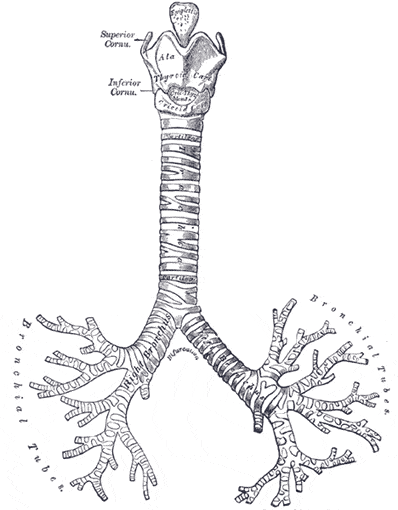
The two main branches from the trachea (one to each lung)
a)
bronchi
b)
alveoli
c)
capillaries
d)
bronchioles
6.
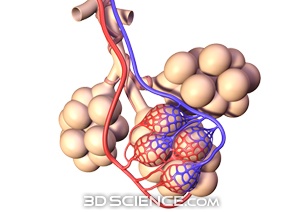
The air sacs that are covered with capillaries where gas exchange takes place
a)
bronchi
b)
lungs
c)
oxygen
d)
alveoli
7.

Within the lungs, the exchange of oxygen and carbon dioxide occurs between the ___ and the capillaries.
a)
trachea
b)
bronchi
c)
alveoli
d)
diaphragm
8.
What is the gas we exhale?
a)
Carbon Dioxide
b)
Gasoline
c)
Oxygen
d)
Methane
9.
What is the gas that we inhale?
a)
Oxygen
b)
Gasoline
c)
Carbon Dioxide
d)
Methane
10.
What muscle contracts to expand the lungs?
a)
Pectoralis
b)
Diaphragm
c)
Abdominal
d)
Sternal
11.
What is the function of the kidneys in the excretory/urinary system?
a)
store urine before it is eliminated from the body.
b)
break down food into smaller pieces through chemical digestion
c)
filter blood of cellular waste material as a result of cellular respiration
d)
control thoughts, voluntary actions, and other sensations of the five senses.
12.
Which organ system removes cellular wastes as the result of cellular respiration?
a)
nervous
b)
digestive
c)
excretory
d)
circulatory
13.
One major function of the excretory system is to clean the what?
a)
urine
b)
blood
c)
kidneys
d)
bladder
14.

These organs are responsible for what?
a)
storing urine
b)
storing water
c)
filtering blood
d)
they don't have a particular job
15.
How many kidneys do you have?
a)
1
b)
3
c)
5
d)
2
16.
Urine flows out of the kidneys through narrow tubes called
a)
Gallbladder
b)
Ureter
c)
Nephrons
d)
Urethra
17.

What is organ 1.
a)
Kidney
b)
Ureter
c)
Bladder
d)
Urethra
18.

What is #2?
a)
Kidney
b)
Ureters
c)
Bladder
d)
Urethra
19.

What is #3?
a)
Kidney
b)
Ureters
c)
Bladder
d)
Urethra
20.
Kidneys create a liquid called:
a)
Urine
b)
Blood
c)
Feces
d)
Carbon Dioxide
21.
Which excretory organ eliminates water and some chemical wastes in perspiration?
a)
lungs
b)
skin
c)
liver
d)
kidneys
22.
What term do scientists use to describe the chemical process in which oxygen and glucose react to release energy inside body cells?
a)
respiration
b)
exhaling
c)
breathing
d)
inhaling
23.
What is the main function of the Endocrine System?
a)
Sends electrical messages to communicate
b)
Regulates body activities using hormones
c)
Maintains homeostasis using the kidneys to filter out wastes
d)
Fights off foreign invaders
24.
Which gland secretes insulin?
a)
Hypothalamus
b)
Testes
c)
Adrenal Gland
d)
Pancreas
25.
What gland is known as the the master gland?
a)
Adrenal
b)
Pituitary
c)
Thyroid
d)
Thymus
26.
What gland secretes thyroxin causing metabolism to increase?
a)
Thyroid
b)
Parathyroid
c)
Adrenal
d)
Pancreas
27.
Which hormone helps glucose get it into the cells of the body?
a)
Calcitonin
b)
Thyroxin
c)
Insulin
d)
Cortisol
28.
What hormone is responsible for the "fight or flight" response?
a)
Testosterone
b)
Cortisol
c)
Adrenaline
d)
Parathyroid Hormone
29.
regulates blood-sugar levels.
a)
Endocrine System
b)
Pancreas
c)
Flight or Fight Response
d)
Glands
30.
A tissue or group of tissues that make and releases hormones.
a)
Endocrine System
b)
Pancreas
c)
Flight or Fight Response
d)
Glands
31.
The main purpose of the ____________ system is to break food particles into pieces that can be used.
a)
circulatory
b)
respiratory
c)
digestive
d)
skeletal
32.
What is responsible for delivering oxygen and removing carbon dioxide from the body?
a)
cell nucleus
b)
excretory system
c)
nervous tissue
d)
respiratory system
33.
The __________ system directs the body to inner and outer changes.
a)
digestive
b)
circulatory
c)
nervous
d)
skeletal
34.
The __________ is the main organ of the nervous system.
a)
heart
b)
lungs
c)
brain
d)
skin
35.
The circulatory system uses _________ to deliver oxygen to the rest of the body.
a)
blood cells
b)
lungs and nose
c)
blood vessels
d)
brain and spinal cord
36.
In multicellular organisms, tissues are comprised of _______.
a)
organs
b)
systems
c)
cells
d)
blood
37.
When tissues come together, they form ___________.
a)
cells
b)
atoms
c)
organs
d)
systems
38.
A(n) _________ is made of small parts connected together to make a whole.
a)
system
b)
problem
c)
evidence
d)
illustration
39.
Which of the following body systems work together for support, protection, and movement?
a)
respiratory and cardiovascular
b)
skeletal and muscular
c)
skeletal and integumentary
d)
digestive and respiratory
40.
Which of the following shows the levels of organization of an organism from LEAST to MOST complex.
a)
cells-tissues-systems-organs
b)
organs-cells-systems-tissues
c)
systems-organs-tissues-cells
d)
cells-tissues-organs-systems
41.

What body system makes your body move?
a)
Circulatory
b)
Respiratory
c)
Skeletal
d)
Muscular
42.

What body system removes the waste from your body?
a)
Circulatory
b)
Excretory
c)
Digestive
d)
Respiratory
43.

What body system consists of the heart?
a)
Excretory
b)
Digestive
c)
Circulatory
d)
Respiratory
44.

My spinal cord helps _________ travel between my brain and the nerves in my body.
a)
Memories
b)
Blood
c)
Waste
d)
Messages
45.

My heart is a _________, that pumps blood through the body.
a)
Cell
b)
Tissue
c)
Muscle
d)
Bone
46.

The skin is the major organ in which system?
a)
Integumentary
b)
Muscular
c)
Endocrine
d)
Immune
47.

One role of the pancreas is to create enzymes to help breakdown food. This function makes it part of which system?
a)
Endocrine
b)
Digestive
c)
Immune
d)
Urinary
48.

Which system detects changes in the environment and sends electrical signals in response to these changes?
a)
Nervous
b)
Endocrine
c)
Lymphatic
d)
Reproductive
49.

This system carries oxygen, nutrients and waste around the body.
a)
Lymphatic
b)
Urinary
c)
Respiratory
d)
Circulatory
50.
What is the function of the digestive system?
a)
to break down and absorb nutrients
b)
to support and protect our bodies
c)
to produce vitamin D
d)
to help us move
51.

The food I eat goes down my esophagus to my __________.
a)
Bladder
b)
Kidney
c)
Stomach
d)
Big Toe
52.
Your skin and hair are parts of your ___________
a)
endocrine system
b)
excretory system
c)
lymphatic system
d)
integumentary system
53.
What is another name for the throat?
a)
esophagus
b)
larynx
c)
pharynx
d)
trachea
54.
The system that removes waste from your body is the ____________
a)
digestive system
b)
endocrine system
c)
excretory stystem
d)
integumentary system
55.
Which system enables the body to move, moves food through the digestive system, and keeps the heart beating?
a)
skeletal
b)
muscular
c)
digestive
d)
nervous
56.
Which system provides shape and support, enables you to move, protects your internal organs, and stores minerals?
a)
skeletal
b)
muscular
c)
digestive
d)
nervous
57.
Which system takes oxygen into the body and eliminates carbon dioxide?
a)
immune
b)
nervous
c)
respiratory
d)
circulatory
58.
Which system takes food into the body, breaks down food, and absorbs the digested materials?
a)
respiratory
b)
circulatory
c)
digestive
d)
excretory
59.
Which system includes bones, cartilage, and ligaments?
a)
nervous
b)
muscular
c)
skeletal
d)
excretory
60.
Which system includes the mouth, esophagus, and the small and large intestines?
a)
nervous
b)
excretory
c)
respiratory
d)
digestive
61.
Which system includes the nose, trachea and the lungs?
a)
respiratory
b)
circulatory
c)
immune
d)
digestive
62.
Which system includes the kidneys, ureters, urinary bladder, urethra, lungs and skin?
a)
digestive
b)
excretory
c)
circulatory
d)
muscular
63.
Which system includes the heart and blood vessels?
a)
respiratory
b)
circulatory
c)
nervous
d)
skeletal
64.
Which three body systems allow you to move?
a)
muscular, skeletal, digestive
b)
nervous, respiratory, digestive
c)
nervous, muscular, skeletal
d)
Muscular, skeletal, circulatory
65.
Which two body systems deliver oxygen to your cells and take away carbon dioxide?
a)
respiratory and nervous
b)
circulatory and nervous
c)
circulatory and excretory
d)
Respiratory and circulatory
66.
Which two body systems work together to break down food and get rid of wastes?
a)
digestive and excretory
b)
digestive and circulatory
c)
excretory and respiratory
d)
nervous and digestive
67.
What is the level o organization known as a group of cells that work together?
a)
cells
b)
organ system
c)
organ
d)
tissue
100 %

