
 Worksheets
Adaptations and Natural Selection
Total questions: 54
Worksheet time: 41mins
All the living and non-living things around an organism is its _________________.
community
biome
population
ecosystem
An inherited trait that helps an organisms survive is called a...
niche
structure
characteristic
adaptation


When an organism copies a characteristic of something else in order to better its chances for survival and reproduction
hibernation
camouflage
mimicry
migration

The seasonal movement of an organism from one place to another
hibernation: physiological adaptation
migration: behavioral adaptation
hibernation: behavioral adaptation
migration: structural adaptation

When an organism slows its life functions (heart rate, breathing rate, and energy loss) for a period of time to better its chances for survival during harsh conditions.
camouflage
migration
mimicry
hibernation
A group of organisms which are similar to each other and can reproduce to create fertile offspring.
species
organism
genus
family
An example of a structural adaptation is...
a turtle hiding inside its shell
The spikes on a porcupine fish
a rabbit burrowing underground
a viper biting when threatened
Which adaptation would NOT help a hawk catch a mouse?
Solid Bones
Good eye sight
Talons
Camouflage

Cacti have spines instead of leaves. The spines reduce water loss through the stomata. This is an example of...
Physiological Adaptation
Behavioral Adaptation
Structural Adaptation

Which feature of a rose helps it grow without being eaten by herbivores?
flowers with bright colors
sharp thorns
small seeds
deep roots


Some plants have small leaves that help them survive in their environment. How are small leaves a helpful adaptation?
They help the plant grow tall.
They help the plant save water in hot and dry environments.
It helps the plant make seeds.
It makes it easier for the leaves to fall off in winter.

A flower having a sweet smell is an adaptation that __________________.
helps the plant keep water inside the leaves.
keeps animals away that try to eat the plant.
attracts pollinators to the plant.
helps the plant to prevent catching on fire.

Which of the following do not help the Prickly Pear Cactus survive in a very hot and dry environment?
it has waxy leaves to prevent catching on fire.
it has spiny leaves to prevent water loss.
it is green, helping it to camouflage into its environment.
it has a large root system near the surface of the ground that helps to absorb as much water as possible.
Which adaptation (for the underlined animal) is a behavioral adaptation?
A walking stick looks like the twig on which it rests.
A porcupine’s sticking up his quills to cause a predator to seek another meal.
A whale filters plankton and krill from the water in which it swims.
A penguin is dark on top and white below to blend in with the water.
A giraffe has a long neck in order to better reach leaves to eat. This is an example of _____.
structural adaptation
behavioral adaptation
physiological adaptation
Which of the following is a structural adaptation for the underlined animal?
A butterfly has bright colors to warn predators that it is poisonous.
A hognose snake rolls over, slows its breathing, and hangs its tongue out to play dead.
A herd of buffalo encircle their young to protect them from a pack of wolves.
A dung beetle rolls a piece of dung across the desert.
How do adaptations help animals?
To escape predators
to hunt for food
to find a mate
All of these are correct
A skunk spraying a smelly odor to deter predators is an example of a...
Physiological and Behavioral Adaptation
Structural and Physiological Adaptation
Structural and Behavioral Adaptation
Structural Adaptation
A monkey has a long tail to help it swing from branch to branch.
Behavioral Adaptation
Structural Adaptation
Physiological Adaptation
A squid will squirt black ink at predators when frightened.
Behavioral Adaptation
Structural Adaptation
A lion has pointed teeth to help it tear meat off of the bone.
Behavioral Adaptation
Structural Adaptation
Physiological Adaptation
A penguin is white on its belly and black on its back so it harder to see underwater from above and below.
Behavioral Adaptation
Structural Adaptation
Physiological Adaptation
Parrots have special feet, with two toes on the front and back to help them cling to branches.
Behavioral Adaptation
Structural Adaptation
Physiological Adaptation
When threatened, some animals make warning sounds to help other animals escape a predator.
Behavioral Adaptation
Structural Adaptation
Physiological Adaptation
Mockingbirds on the Galapagos islands all have different beaks for each different environment. This variation in beak structure helps the birds to...
Find a suitable mate
Eat the food source available on their island
Fly better
Make distinct calls to each other
Occurs when humans produce a new breed of animal over a period of time by selecting animals that have certain desired traits and forcing them to reproduce.
Natural Selection
Selective Breeding
Spontaneous Regeneration
Hibernation
Organisms better suited to their environment survive easier and longer than those who aren't
Natural Selection
Adaption
Artificial Selection
Speciation
Scientist who proposed the theory of natural selection
Robert Hooke
Charles Darwin
Alfred Wegener
Albert Einstein
The process in which pollen is moved from a plant to another for reproduction and fertilizing
Dormancy
Homeostasis
Pollution
Pollination
Process through which species change over time
Speciation
Evolution
Adaptation
Natural Selection

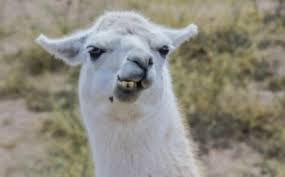
What adaptation is represented by the image?
Homeostasis
Dormancy
Hibernation
Pollination

When humans become overheated, they begin to sweat in an effort to cool the body back down and maintain homeostasis. What type of adaptation is this?
Physiological Adaptation
Structural Adaptation
Behavioral Adaptation
Dormancy
Lions often hide in the tall grass while stalking their prey. This is an example of...
behavioral adaptation
structural adaptation
mimicry
physiological adaptation
Charles Darwin is the father of...
anatomy
biology
evolution
astronomy

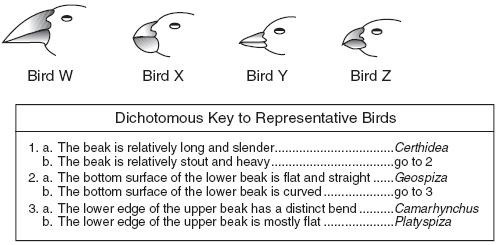
What is the name of bird W?
Certhidea
Geospiza
Camarhynchus
Platyspiza


