
 Worksheets
EOC Review
Total questions: 95
Worksheet time: 1hrs 26mins

Molecules that make up living organisms.
Organelles
Atoms
Biomolecules
Populations

Basic building block molecules that form the polymers of biomolecules.
Also called simple organic molecules.
Organisms
Organelle
Monomer
Atom

Long chains of monomers that make up biomolecules.
Also called complex organic molecules.
Peptide Bonds
Organelles
Atoms
Polymers

Short term energy and structure in plants.
Functions of Nucleic Acids
Functions of Proteins
Functions of Lipids
Functions of Carbohydrates

Long term energy storage,
help form cell membranes, and provide parts of other biomolecules like hormones.
Functions of Sugars
Functions of Polysaccharides
Functions of Carbohydrates
Functions of Lipids

The monomers and building blocks of proteins.
Carbohydrates
Hydrochloric Acids
Nucleic Acids
Amino Acids

To form the building blocks of structure like hair, muscle, skin, nails, bones, as well as enzymes and hormones to regulate life processes.
Functions of Nucleic Acids
Functions of Carbohydrates
Functions of Lipids
Functions of Proteins

Biomolecules containing the genetic code for heredity.
Nucleic Acids
Proteins
Carbohydrates
Lipids

Consists of a phosphate, a sugar molecule, and a Nitrogen base and includes Carbon, Hydrogen, Oxygen, Nitrogen and Phosphorus
(C-H-O-N-P).
Chemical Structure of Nucleic Acids
Chemical Structure of Proteins
Chemical Structure of Lipids
Chemical Structure of Carbohydrates

Proteins that act as biological catalysts by speeding up chemical reactions so life processes can function.
They are not consumed in the chemical reactions.
Enzymes
Substrates
Lipids
Amino Acids

Molecules that enzymes break apart or put together (reactants).
Osmosis
Active Site
Enzymes
Substrate

To bend a protein so it no longer functions.
Activate
Enzyme
Denature
Substrate

Bacteria cell, more “simple” and smaller than other cells,
with no nucleus and no membrane-bound organelles, but still containing DNA.
Eukaryotic Cell
Prokaryotic Cell
Virus
Plant Cell

Animal, Plant, Fungi, or Protista cell,
with a definite nucleus and membrane-bound organelles.
Eukaryotic Cell
Prokaryotic Cell
Virus
Spirochete

A green organelle found in autotrophs (mostly plants and algae) that converts light energy into chemical energy (photosynthesis).
Chloroplast
Mitochondria
Nucleus
Vacucole

An organelle that is the site of cellular respiration.
The powerhouse of the cell:
most cellular energy (ATP) is produced here. Found in the cells of
autotrophs and heterotrophs.
Lysosome
Cell Membrane
Mitochondria
Chloroplast

A large organelle
in eukaryotic cells where genetic material (DNA)
is stored and replicated.
It is surrounded by the nuclear membrane or nuclear envelope.
Nucleus
Endoplasmic Reticulum
Cytoplasm
Vacuole

Molecular movement through the cell membrane against
the concentration gradient using ATP.
Active Transport
Passive Transport
Diffusion
Facilitated Diffusion

Active Transport of molecules (often waste products)
out of a cell using ATP.
Exocytosis
Endocytosis
Passive Transport
Facilitated Diffusion

Concentrations inside and outside the cell are relatively equal with no concentration gradient.
Hypertonic Solution
Hypotonic Solution
Isotonic Solution
Active Transport

Lower concentration of solute (usually salt or sugar) outside a cell than inside a cell so that water moves into the cell causing it to swell or explode.
Hypertonic Solution
Hypotonic Solution
Isotonic Solution
Homeostatic Solution

Higher concentration of solute (usually salt or sugar) outside a cell than inside a cell so that water moves out of the cell causing it to implode or be crushed.
Hypertonic Solution
Homeostatic Solution
Hypotonic Solution
Endocytosis

The life cycle of a Eukaryotic cell as it grows, replicates its DNA and divides to become two daughter cells.
It is called binary fission in single-celled organisms.
Apoptosis
Replication
DNA cycle
Cell Cycle

DNA is replicated: each of the chromosomes replicates itself.
G0 Phase
S Phase
G1 Phase
G2 Phase

Uncontrolled, accelerated cell cycle caused by DNA replication mistakes.
Apoptosis
Cancer
Mitosis
Meiosis

The phases of actual cell division remembered
by PMAT (Prophase, Metaphase, Anaphase, Telophase)
Meiosis
Metaphase
Mitosis
Apoptosis

The twisted ladder shape of a DNA molecule.
Gene Ladder
Gene Pool
Genome
Double Helix

There are 4 possible Nitrogenous Bases in a DNA nucleotide: Guanine, Adenine, Cytosine and Thymine.
Nitrogenous Bases
DNA Molecules
RNA Molecules
Ribososmes

In DNA, Adenine always pairs with Thymine A-T (Like Apples-Trees), while Cytosine always pairs with Guanine C-G (Like Cars-Garage).
RNA
DNA
Nucleotides
Base Pairing

The production of sperm or egg with half the normal number of chromosomes compared to normal body cells.
Stem Cell
Clone
Mitosis
Meiosis

A sex cell produced in meiosis (sperm or egg) that has half the normal number of chromosomes:
23 chromosomes in humans.
Gamete
Mitosis
Somatic Cell
Clone

Having half the normal number of chromosomes and only one of each set due to meiosis. Example: Gametes, symbolized by the letter n.
Somatic Cell
Stem Cell
Diploid
Haploid

A photograph or diagram of the homologous pairs of chromosomes.
Somatic Type
Karyotype
Gametes
Autosomes
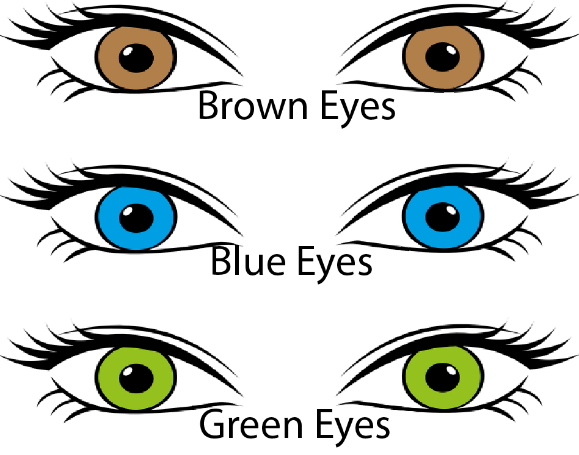
A feature regulated by a set of genes (allele) passed on
from parents to offspring. Also called inherited traits.
Heterozygous
Mendel
Chromosome
Traits
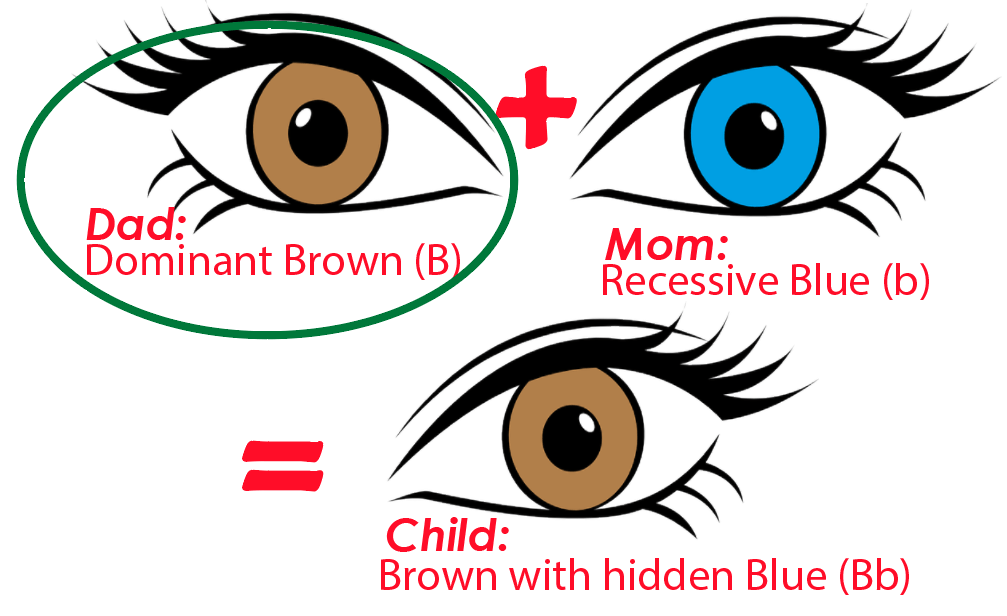
The instruction of one allele covers up the instruction
of the other allele in a homologous pair. Symbolized by a capital letter.
Recessive Allele
Dominant Allele
Heredity
Trait
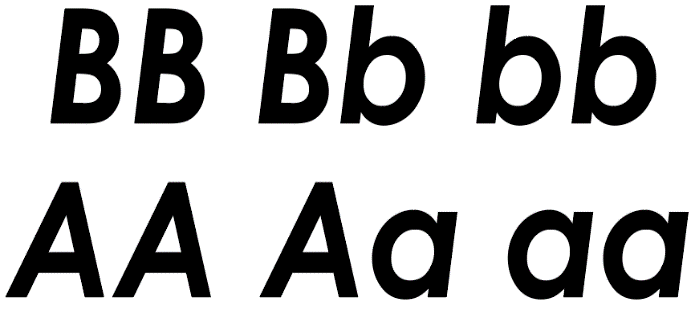
The letter symbols for both homologous alleles.
BB Bb bb AA Aa aa
Genotype
Phenotype
Recessive
Dominant
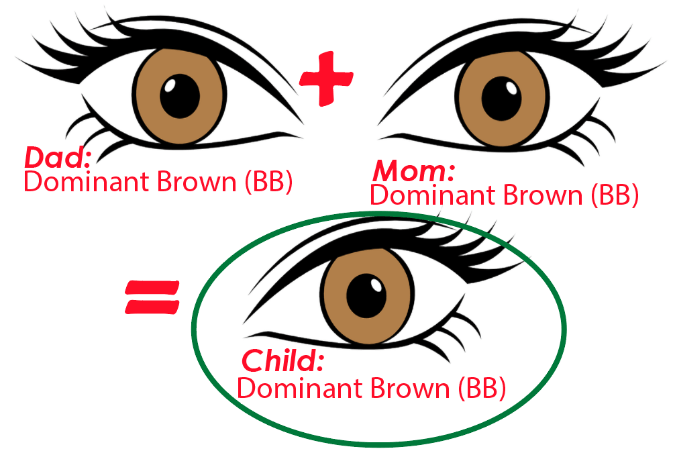
A genotype where only dominant alleles were passed on
from both parents for one trait
BB AA TT LL
Homozygous Recessive
Homozygous Dominant
Dihybrid
Heredity
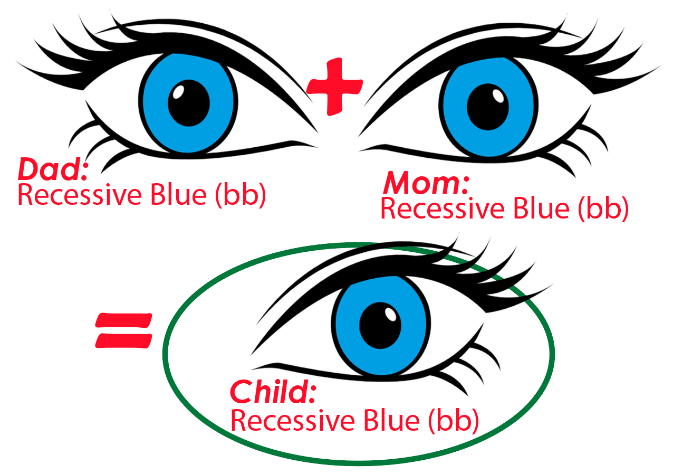
A genotype where only recessive alleles
were passed on from both parents for one trait
bb aa tt ll
Heredity
Homozygous Dominant
Homozygous Recessive
Phenotype
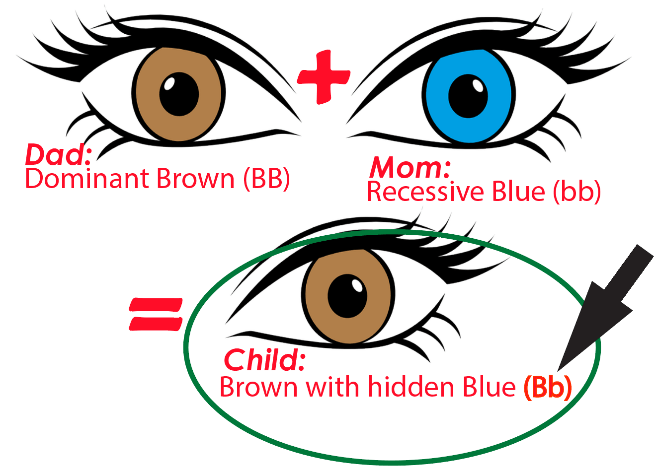
A genotype where one dominant and one recessive allele was passed on from both parents for one trait.
Bb Aa Tt Ll
Allele
Homozygous Dominant
Homozygous Recessive
Heterozygous
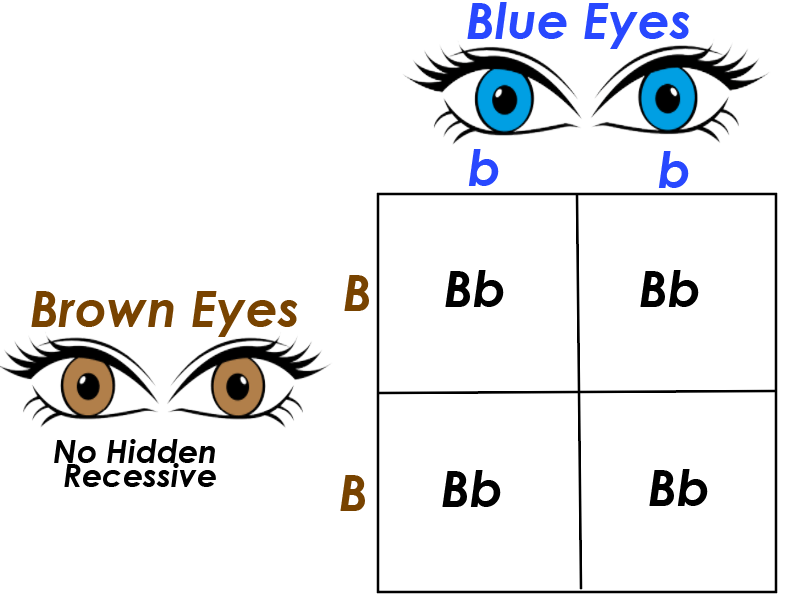
The genetic cross between two parents for one trait:
Example BB x bb
B = dominant for brown
b = recessive for blue
Incomplete Dominance
Dihybrid Cross
Monohybrid Cross
Iron Cross

A single strand of nucleotides made by DNA that is used to communicate genetic code outside the nucleus.
RNA
DNA
Ribosomes
Amino acid chain

Messenger RNA travels out of the nucleus to ribosomes
and is used as a template to assemble a protein.
Translation
Transcription
Replication
Homeostasis

A small section of RNA that transports amino acids
to the ribosome for synthesis into proteins.
tRNA
mRNA
rRNA
DNA

A ←→ U
C ←→ G
T → A
Homeostasis
Mitosis
Base Pairing Rules for Replication
Base Pairing Rules for Transcription

Units of 3 nucleotide bases in mRNA which code for a single
amino acid.
Mitosis
Base Pairing
Anti codon
Codon
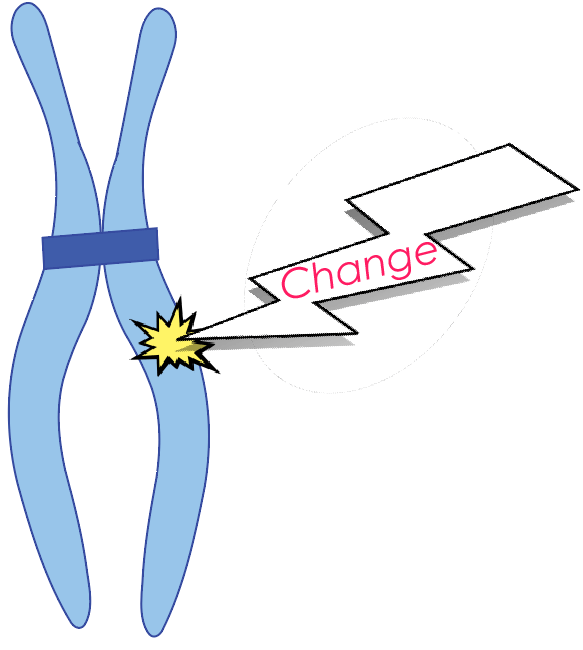
A change in a gene, group of genes or chromosome that results in a change in the proteins
Replication
Mutations
Translation
Transcription

A frameshift mutation where a nucleotide base
is removed from the DNA sequence.
Deletion Mutation
Substitution Mutation
Translocation
Silent Mutation
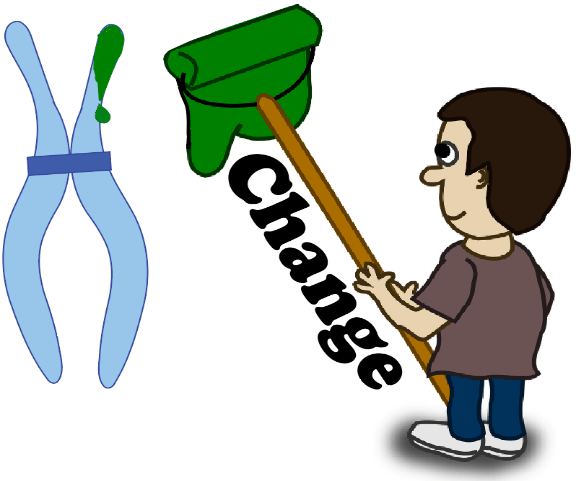
Mutations that involve parts of or all of
a chromosome
Replication
Deletion Mutation
Chromosomal Mutation
Transcription
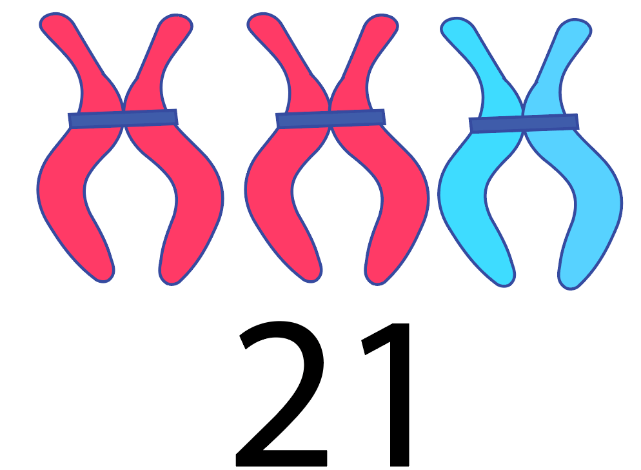
Condition caused by nondisjunction at pair 21 during meiosis.
Individuals have an extra chromosome
at pair 21, or a total of 47 chromosomes.
Also called Trisomy 21.
Cystic Fibrosis
Translocation
Hemophilia
Down Syndrome

The idea that similar anatomy implies common ancestry
Analogous Structures
DNA Evidence
Fossil Record
Anatomical Homology

The idea that similar DNA or Amino Acid Sequences indicate common evolutionary ancestry
Molecular Homology (DNA)
Anatomical Homology
Developmental Homology
all of the above

According to evolutionary theory, all living things have a common
Purpose
Function
Ancestor
Phone Number

According to evolutionary theory, similar DNA would mean a common
Ancestor
Environment
Interest
Residency
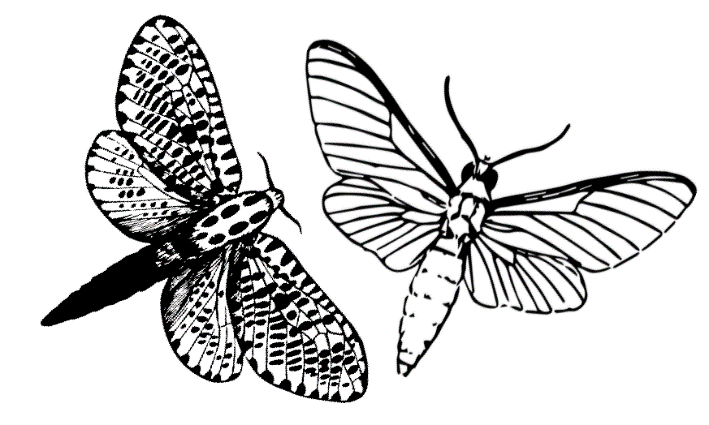
A physical trait favored by an environmental change can be called an
adaptation
extinction
possibility
mutation
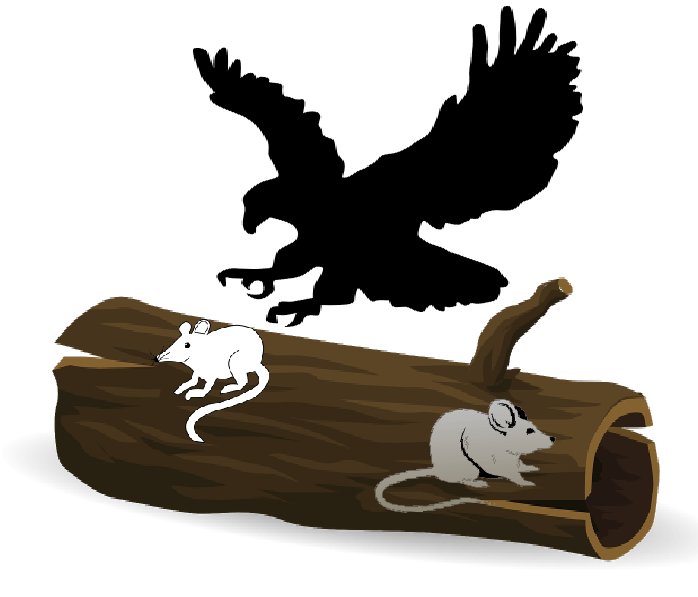
Over the years, white mice became extinct and darker mice survived. This is
stabilizing selection
directional selection
disruptive selection
due to exercise
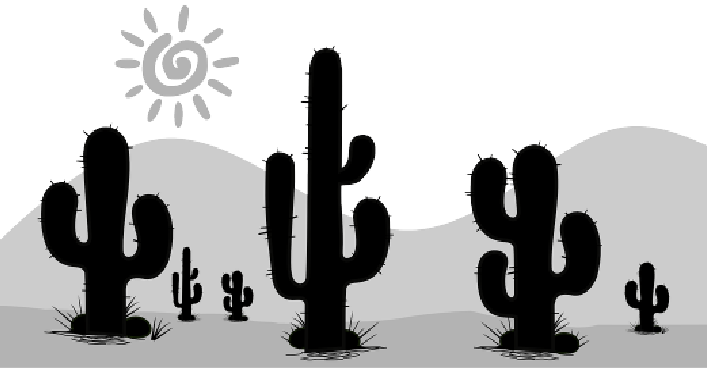
Natural Selection is driven by a change in the environment and survival of the
Earth
Fastest
Fittest
Biggest
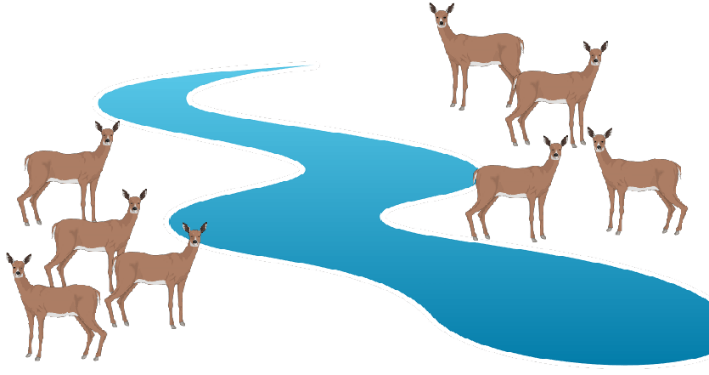
Two populations of the same species are separated by land barriers like rivers or mountains.
geographical isolation
temporal isolation
adaptive ratiation
behavioral isolaton
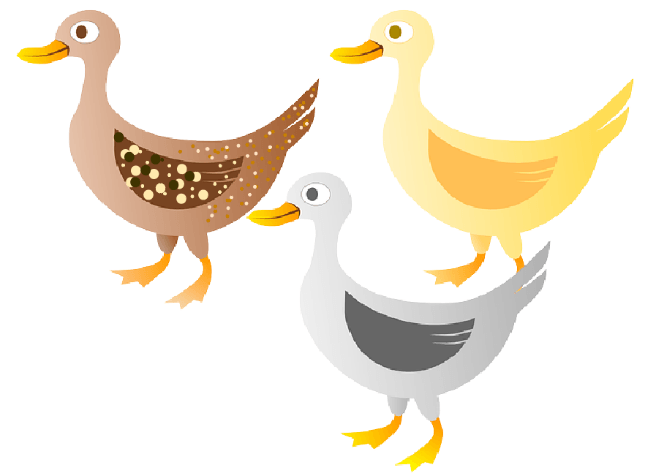
All the possible gene combinations in a population.
allele
gene pool
genome
mitosis

Eukaryotic, heterotrophic, multicellular organism that have no cell walls
Kingdom Plantae
Kingom Protista
Kingdom Animalia
Kingdom Fungi
Eukaryotic, autotrophic, multicellular organisms with cell walls
Kingdom Animalia
Kingdom Plantae
Kingdom Protista
Kingdom Fungi

Eukaryotic, autotrophic and heterotrophic, unicellular and multicellular organisms like protozoans and algae
Kingdom Protista
Kingdom Animalia
Kingdom Plantae
Kingdom Fungi

Eukaryotic, heterotrophic unicellular and multicellular organisms like mushrooms and yeast
Kingdom Protista
Kingdom Animalia
Kingdom Plantae
Kingdom Fungi

A biological agent that consists of nucleic acid and a protein coat. It is not a cell, nor is it considered alive
Virus
Bacteria
Fungi
Protista

The cycle where a virus genome penetrates a cell, takes control of cellular processes and replicates new virus genomes while destroying the cell.
Lytic Cycle
Lysogenic Cycle
Lit Cycle
Mitosis

A series of antibodies (proteins) and white blood cells that chemically “remember” pathogens and stop them from infecting an organism a second time
Integument
Neurons
Immunity
Plastids

The cell invaded by the virus
Pathogenic Cell
Host Cell
Intermediate Cell
Victim

The part of the plant
that is generally
under the ground
and in the soil
Reproductive System
Transpiration
Shoot System
Root System

The part of the plant
that is generally above the ground including stems, leaves, buds and reproductive structures
Stem System
Leaf system
Shoot system
Xylem

Vascular tissue (tubes) responsible for the transportation of water and minerals up from the roots and around the plant.
Stomata
Transpiration
Phloem
Xylem

Vascular tissue (tubes) responsible for the transportation of glucose down and around in a plant.
Transpiration
Xylem
Phloem
Root Hairs

The process of water movement in plants
due to evaporation out the stomata
and absorption of water through the root hairs
Active Transport
Transpiration
Stomata
Guard Cells

Pores under leaves
that allow for transpiration
and gas exchange
Xylem
Stomata
Phloem
Transpiration

The system that circulates blood and lymph
throughout the body.
It includes the heart, arteries,
capillaries and veins.
Often called the Cardiovascular System.
Endocrine System
Integumentary System
Respiratory System
Circulatory System

The system containing the hair, skin, nails and exocrine glands.
It acts as a barrier against disease, as a temperature regulation system and as a waterproofing system to prevent dehydration.
Nervous System
Circulatory System
Dermal System
Integumentary System

The system responsible to maintain much of the body’s homeostasis by regulating water and nutrient concentrations
in the blood and in the cells.
Endocrine System
Excretory System
Digestive System
Circulatory System

The system responsible for internal defense against pathogens and other threats like cancer cells.
Organs and tissues include bone marrow, spleen, thymus gland, liver, tonsils,
and products include white blood cells,
antibodies and antigens.
Muscular System
Skeletal System
Integumentary System
Immune System

All energy in an ecosystem comes from the sun. This energy is passed through the ecosystem as organisms eat other organsims.
Ominvores
Herbivores
Detritivores
Flow of energy

Organisms that produce their own food mostly through photosynthesis (producers). Examples are plants and algae.
Ominvore
Detritivore
Heterotroph
Autotroph

Organisms that get their energy and nutrition from other organisms (consumers).
Heterotroph
Autotroph
Decomposer
Detritivore

Autotrophs--The bottom trophic level where all organisms produce their own food, usually by photosynthesis.
Trophic Levels
Producers
Ominvores
Herbivores

Herbivores--The second trophic level where herbivores eat the primary producers.
Detritivores
Autotrophs
Producers
Primary Consumers

Only 10% of the energy is passed on from one trophic level to the next. 90% is lost as heat due to cellular respiration or waste.
Tertiary Consumer
Biotic Factor
Abiotic Factor
10% Rule

Atom → molecule → organelle → cell→ tissue → organ
system → organism→ population → community→ ecosystem → biosphere
Levels of organization
Symbiosis
atmosphere
Intrinsic

Organisms that can interbreed and produce fertile offspring.
Example: all humans are the same species with the scientific name Homo sapiens
Symbiosis
Population
Ecosystem
Species

A symbiotic relationship where one species obtains food or benefits from another species without benefitting or harming the other.
Commensalism
Mutualism
Competition
Parasitism

A symbiotic relationship that benefits both members of two different species.
Predator-Pray
Commensalism
Mutualism
Parasitism

A symbiotic relationship where one organism (the parasite) benefits from and hurts another (the host).
Usually the parasite is getting food from the hosts body.
Commensalism
Parasitism
Mutualism
Competition

The first organisms to reappear after an ecosystem is damaged.
Abiotic Community
Pioneer species
Succession
Biomass

The progression of life in an area that starts with bare rock or sand but no soil. Example: a volcanic island.
Climax Community
Pioneer Species
Secondary Succession
Primary Succession

The progression of life in an area that starts with soil.
Example: after a forest fire.
Biomass
Pioneer Species
Primary Succession
Secondary Succession

The measurement of the variety of organisms (number of different species) in an ecosystem.
Biomass
Population Diversity
Pioneer Species
Human Impact

The variety of life in an ecosystem.
Pioneer Species
Biodiversity
Abiotic Factors
Producers

The population limit in an ecosystem due to limited resources or predators.
Biodiversity
Biotic factors
Abiotic factors
Carrying capacity

Organisms who are members of the same species in an ecosystem.
Population
Community
Organism
Biodiversity

A biological community that includes various species and their physical environment (Biotic and Abiotic Factors).
Pioneer Species
Ecological Potential
Ecosystem
Ecological Impact

