wayground logo

Free Printable Worksheets

NEW

Font size

S
M
L
XL
Worksheets

STAAR - Chemistry

Total questions: 58

Worksheet time: 1hrs 6mins

Name
Class
Date
1.
The mass of one proton is equal to the mass of one...
a)
neutron
b)
electron
2.
The mass of one proton is greater than the mass of one...
a)
neutron
b)
electron
3.
All of the mass of an atom comes from what location?
a)
nucleus
b)
electron cloud
4.
What subatomic particle has no effect on the mass of the atom? 
a)
proton
b)
neutron
c)
electron
5.
Which letter represents a proton?
a)
A
b)
B
c)
C
d)
D
6.
Which letter represents a neutron?
a)
A
b)
B
c)
C
d)
D
7.
Which letter represents an electron?
a)
A
b)
B
c)
C
d)
D
8.
Which letter represents the nucleus?
a)
A
b)
B
c)
D
d)
E
9.
Which letter represents the electron cloud?
a)
A
b)
B
c)
D
d)
E
10.
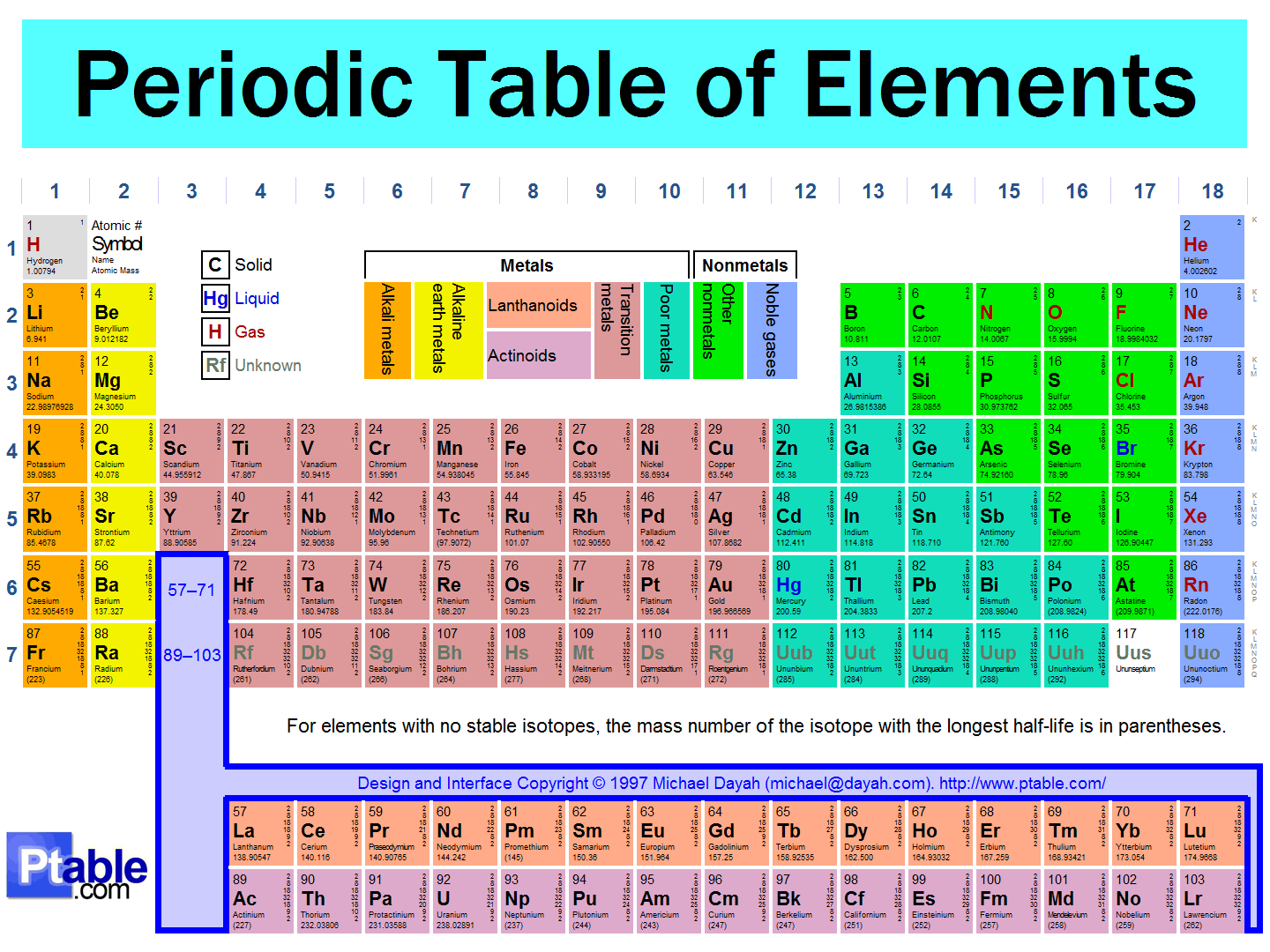
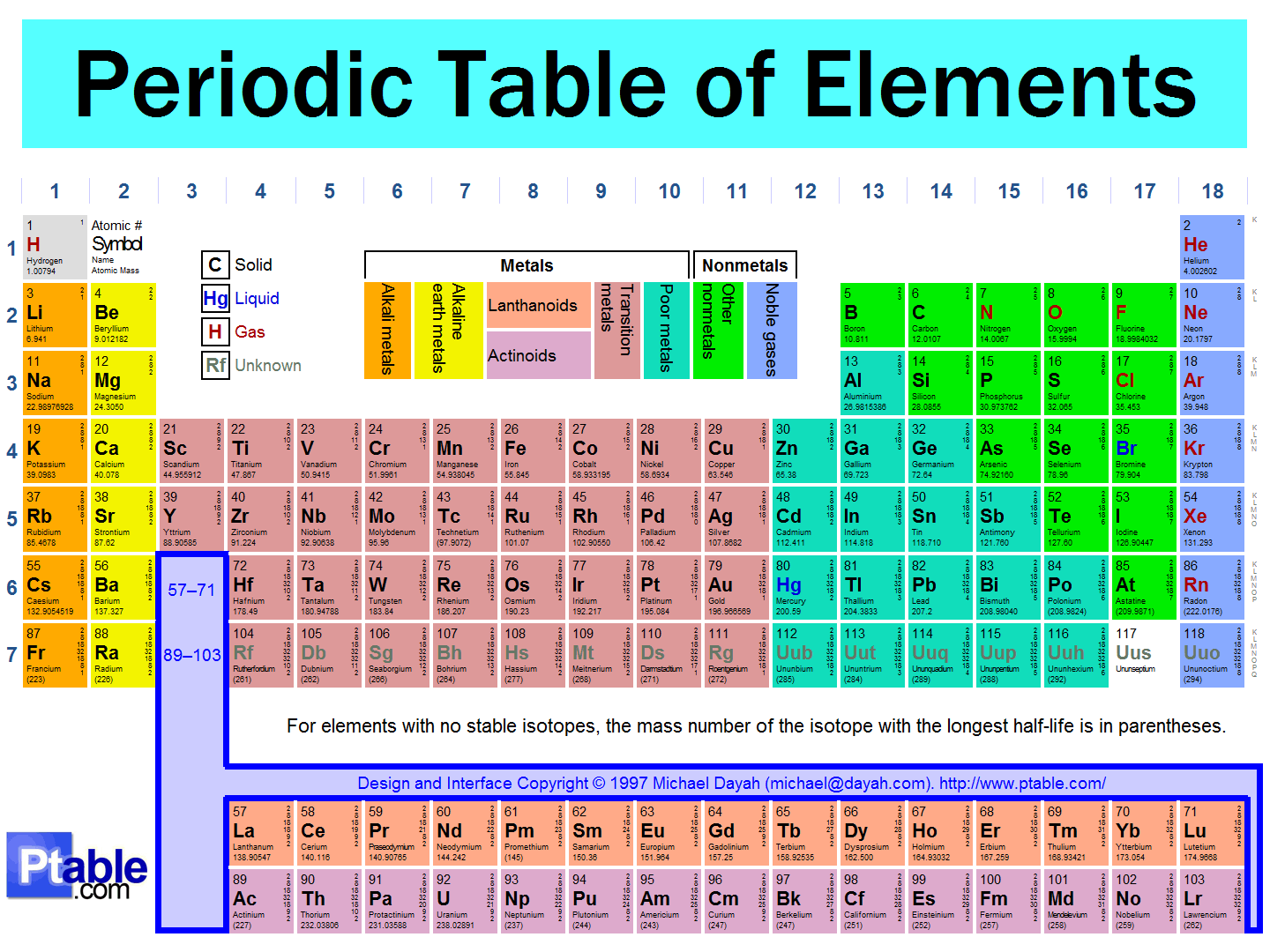
Using your Periodic Table, identify the element that is represented by this model. 
a)
Beryllium
b)
Oxygen
c)
Fluorine
d)
Boron
11.
Which statement best describes the locations of the subatomic particles?
a)
The protons and electrons are found in the nucleus, while neutrons are in the cloud outside the nucleus
b)
The neutrons are in the nucleus, while the protons and electrons are in the cloud outside the nucleus
c)
The protons and neutrons are in the nucleus, while the electrons are in the cloud outside the nucleus
d)
The electrons and neutrons are in the nucleus, while the protons are in the cloud outside the nucleus
12.
An atom of an element contains 20 protons. What is the identity of the element? (NOTE: you will need to use your Periodic Table)
a)
Neon
b)
Calcium
c)
Potassium
d)
Argon
13.
What is the subatomic particle for box A? 
a)
proton
b)
neutron
c)
electron
14.
What is the subatomic particle for box B? 
a)
proton
b)
neutron
c)
electron
15.
What is the subatomic particle for box C? 
a)
proton
b)
neutron
c)
electron
16.
What is the atomic number of the atom pictured? 
a)
9
b)
10
c)
18
d)
19
17.
What is the element name of the atom pictured? 
a)
Fluorine
b)
Neon
c)
Argon
d)
Potassium
18.
What is the atomic mass of the atom pictured? 
a)
11
b)
12
c)
22
d)
23
19.
What is the atomic number of the atom pictured? 
a)
11
b)
12
c)
22
d)
23
20.
What is the element name of the atom pictured? 
a)
Sodium
b)
Magnesium
c)
Titanium
d)
Vanadium
21.
How many electrons are in the atom pictured? 
a)
1
b)
2
c)
3
d)
0
22.
How many neutrons does Barium (Ba) have?
a)
56
b)
81
c)
137
d)
218
23.
How many electrons does Barium (Ba) have?
a)
56
b)
81
c)
137
d)
218
24.
How many neutrons does Beryllium (Be) have?
a)
4
b)
2
c)
9
d)
5
25.
How many protons does Sodium (Na) have?
a)
11
b)
23
c)
34
d)
12
26.
The horizontal row on the periodic table is called a
a)
group
b)
family
c)
period
d)
atomic number
27.
A vertical column is called...
a)
group
b)
tower
c)
period
d)
crew
28.
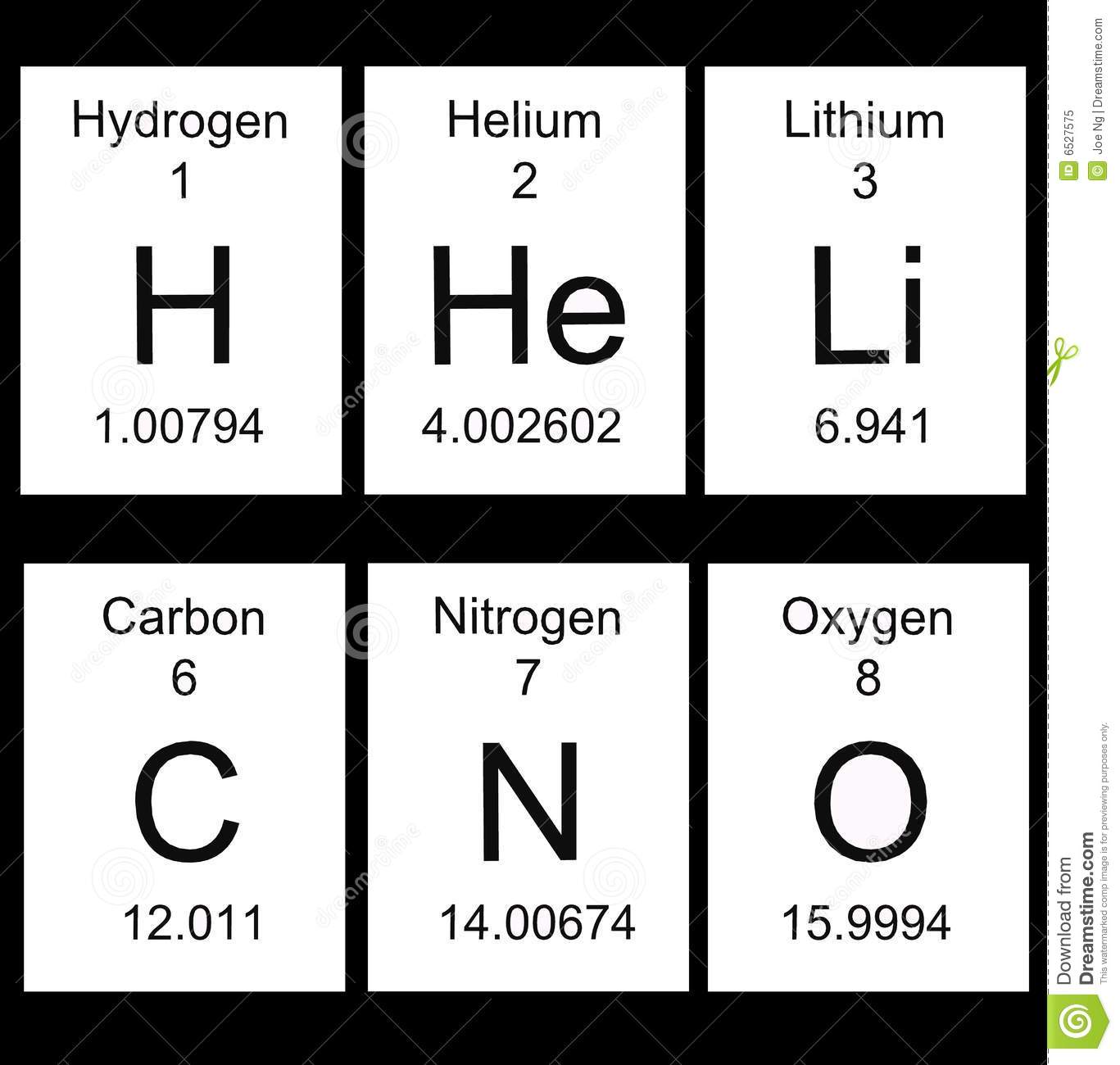
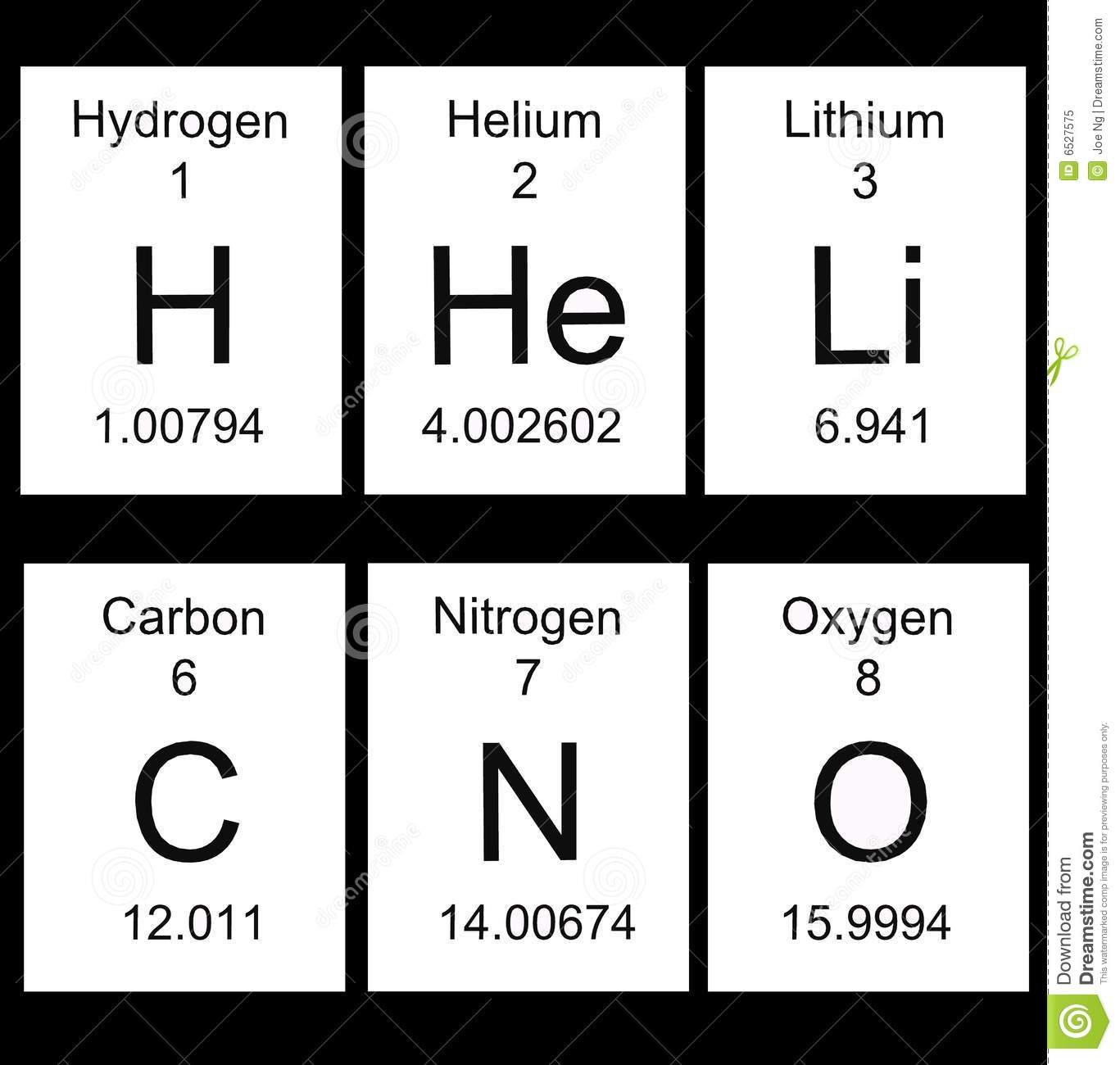
The number at the bottom of each square on the periodic table is the ...
a)
atomic number
b)
atomic mass
c)
chemical symbol
d)
element name
29.
The number at the top of each square on the periodic table is the ...
a)
atomic number
b)
atomic mass
c)
Chemical Symbol
d)
Element Name
30.
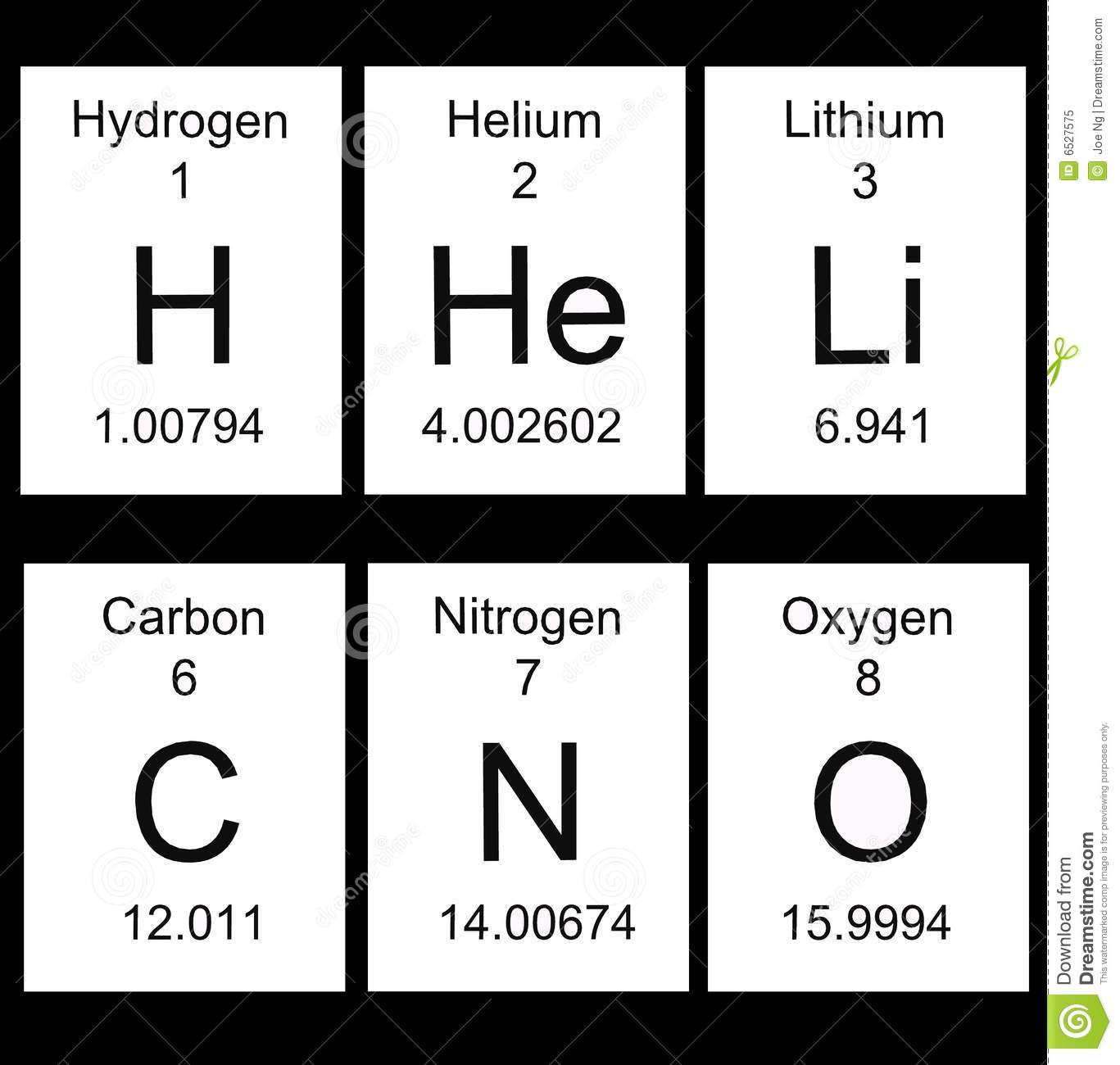
What is the chemical symbol for Lithium?
a)
H
b)
He
c)
Li
d)
N
31.
Pure forms of these elements are stored in oil so they won't react with oxygen and water in the air.
a)
Alkali Metals
b)
Alkaline-earth metals
c)
Halogens
d)
Noble Gases
32.
A ___________ is an arrangement of elements in columns
a)
columns
b)
rows
c)
periodic table
d)
electron shell
33.

The atomic number tells you what?

a)

number of electrons

b)

number of protons

c)

number of neutrons

d)

both electrons and protons in an atom.

34.
The atoms along the staircase are called 
a)
metals
b)
nonmetals
c)
metalloids
d)
noble gases
35.
Elements in a ..................have similar chemical properties.  
a)
period
b)
group
c)
row
36.
A proton is....
a)
A negatively charged subatomic particle
b)
A positively charged subatomic particle
c)
A neutrally charged subatomic particle
d)
The only subatomic particle located in the nucleus
37.
A neutron has a charge of
a)
+2
b)
No charge
c)
-1
d)
+1
38.
Is this equation balanced?
a)
yes
b)
no
c)
Not enough information
39.
Is the equation balanced?: 2H2O + O2 --> 4MgO + 3Fe
a)
Yes
b)
No
40.
Balance this equation
_N+ _H--> _NH3
a)
1,2,3
b)
1,3,2
c)
1,1,2
d)
2,1,1
41.
Is this equation balanced?
a)
yes
b)
no
c)
Not enough information
42.
Which side of a chemical equation is the reactant side?
a)
Left (before the yields sign)
b)
Right (after the yields sign)
43.
Which side of a chemical equation os the product side?
a)
Left (before the yields sign)
b)
Right (after the yields sign)
44.
Which problem is balanced?
a)
PbO2 + 2H2
b)
SO2 + H20 --> H2SO4
c)
2Na + 2H2O --> 2NaOH + H2
45.
What is a coefficient?
a)
The small number on the right of the chemical symbol.
b)
The large number to the left of a formula.
46.
Is the equation balanced?: 2H2O + O2 --> 4MgO + 3Fe
a)
Yes
b)
No
47.
For an investigation a student poured a blue solution of CuSO4 into a beaker. The student placed a shiny, silver-colored strip of zinc metal in the solution and observed the changes.
The student inferred that a chemical reaction occurred. What evidence supports this inference?
a)
A dark solid formed on the zinc metal.
b)

The zinc metal remained silver-colored and shiny
c)
The CuSO4 solution turned blue when the zinc metal was added.
d)
None of these
48.
The chemical formula for glucose, a simple sugar, is C6H12O6. The formula for ethanol is C2H6O. What accounts for the differences in these compounds?
a)
The elements that make up glucose are different than the elements that make up ethanol
b)
The ratio of the elements is different in ethanol than in glucose
c)
The chemical properties of the elements are different in glucose and ethanol
d)
Glucose has more elements than the ethanol
49.
Two clear colorless solutions were combined.
The student observed that the temperature changed from 25 •C to 23 •C when the solutions were combined and that a white substance rapidly formed and settled to the bottom of the container. What most likely happened to produce these results?
a)
One of the original compounds came out of solution
b)
The solutions reacted chemically
c)
Some of the water froze into ice crystals
d)
Rapid evaporation of water occurred, leaving a solid
50.

How many atoms in all are in a molecule of serotonin?

C10H12N2O

a)
22
b)
24
c)
25
d)
4
51.
A scientist performed four investigations using eight different liquids. In each investigation, the scientist combined two of the liquids under a fume hood and recorded observations in the table below.In which investigation is it least likely that the liquids reacted chemically?
a)
1
b)
2
c)
3
d)
4
52.

Which of these is NOT a sign that a chemical change has occurred?

a)

A loss of transparency

b)

An unexpected color change

c)

A temperature change

d)

The formation of a precipitate

53.

The Law of Conservation of Mass states

a)

that matter exists in all states and reacts the same

b)

that matter can only be changed into new substances by introducing a catalyst

c)

that matter exists in the same state throughout any chemical change

d)

that matter cannot be created or destroyed and that the mass of the products must equal the mass of the reactants

54.

How many Al atoms are in this compound? 4Al2O3

a)

2

b)

8

c)

6

d)

4

55.

How many F atoms are in this compound?

6MgF2

a)

2

b)

6

c)

8

d)

12

56.

a copper penny turning greenish after a few years.

a)

Physical change

b)

Chemical change

57.

An gel ice pack getting cold after you put it in the freezer for an hour.

a)

Chemical change

b)

Physical change

58.

Which of the following IS a physical change?

a)

Getting a haircut

b)

Rusty metal

c)

sour milk

d)

A compound