
 Worksheets
EOC Review- HS Physical Science
Total questions: 66
Worksheet time: 55mins
Name
Class
Date
1.
Energy due to motion is ____________ energy.
a)
Potential
b)
Energy
c)
Kinetic
d)
Friction
2.
The faster an object moves, the ________ kinetic energy it has.
a)
more
b)
less
c)
none of the above
d)
all of the above
3.
__________ is stored energy.
a)
Potential
b)
Kinetic
c)
None of the above
d)
All of the above
4.
Can energy be destroyed?
a)
no
b)
yes
5.
Can energy be changed?
a)
yes
b)
no
6.

What kind of energy is in a moving skateboard?
a)
Potential
b)
Kinetic
7.

What kind of energy does this device use?
a)
Chemical
b)
Electrical
c)
Mechanical
d)
Nuclear
8.
What is the definition of CONDUCTION?
a)
When heat is transferred from objects like rays of light or electromagnetically.
b)
a hot liquid or air that expands, becomes less dense, and rises or becomes more dense, and sinks.
c)
When heat transfers from objects that are touching.
d)
When heat transfers through the heater or AC in your house.
9.

The way the heat is moving from the hot coffee is called...
a)
convection
b)
radiation
c)
insulation
d)
conduction
10.

What kind of circuit is this?
a)
series
b)
parallel
11.
How do you make an electromagnet stronger?
a)
Add a motor and/or lightbulbs
b)
Add more light bulbs and/or wire coils
c)
add more wire coils and/or a switch
d)
add more wire coils and/or batteries
12.
What is a conductor?
a)
A material that stops electric current from flowing
b)
A material that allows electric current to flow easily
13.
What is a PUSH or PULL of an object?
a)
Motion
b)
Force
c)
Friction
d)
Gravity
14.
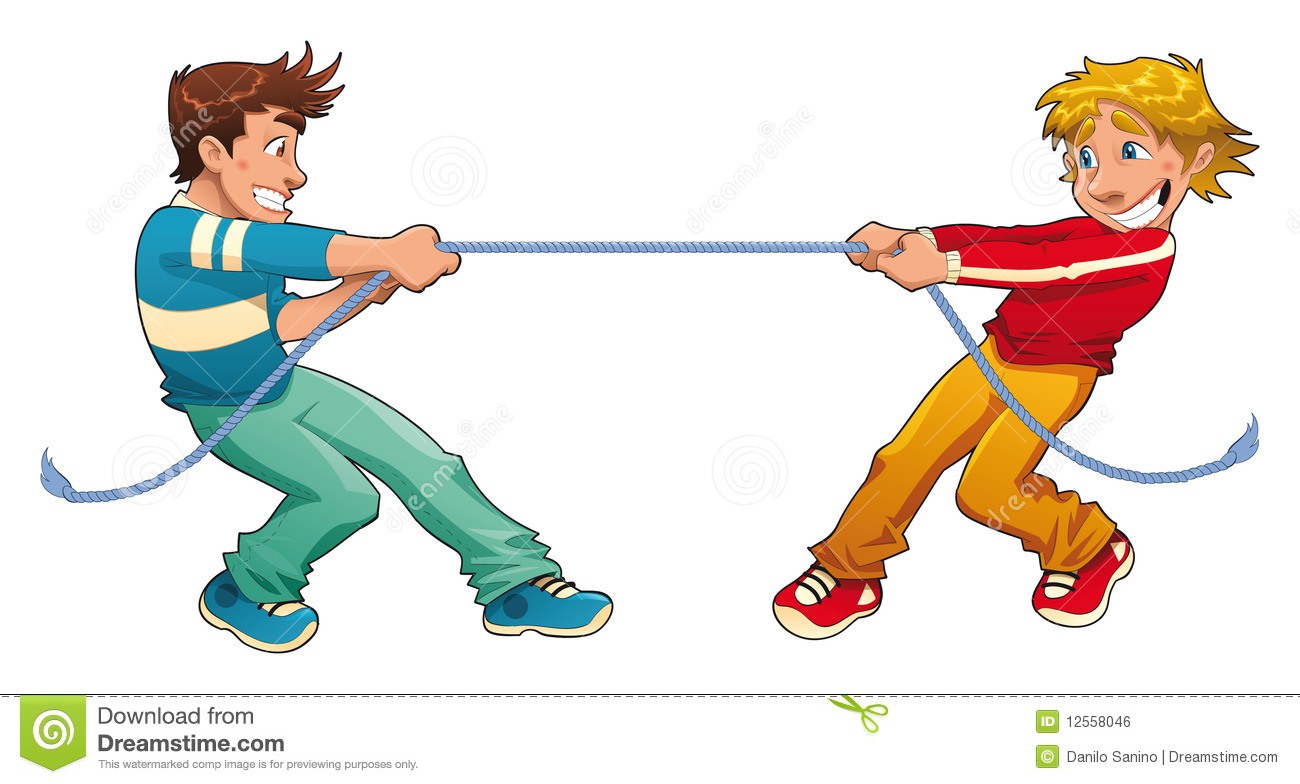
If these boys are pulling with the same amount of force. What will happen?
a)
The boy in blue will win.
b)
They will not move at all.
c)
The boy in red will win.
d)
Both will fall down.
15.
What is the formula for force?
a)
F=M/A
b)
F=A/M
c)
F=M*A
d)
F=M*F
16.
When you tell the direction and speed of an object, you give its
a)
motion
b)
velocity
c)
acceleration
d)
mass
17.
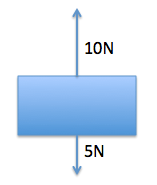
What is the net force on the block? (click on the words to view the picture)
a)
5 Newtons up
b)
5 Newtons down
c)
15 Newtons up
d)
15 Newtons down
18.
A baseball is thrown a distance of 50 meters. What is the speed if it takes 2 seconds to cover that distance?
a)
100 m/s2
b)
25 m/s2
c)
52 m/s2
d)
100 seconds
19.

During which interval is the object speeding up?
a)
A to B
b)
B to C
c)
D to E
d)
E to F
20.

What is this graph showing?
a)
Constant Speed
b)
Acceleration (speeding up)
c)
Deceleration (slowing down)
d)
No motion
21.
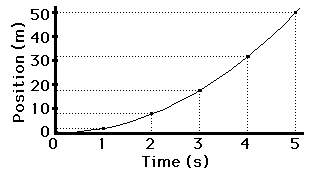
The picture of the position vs. time graph shows an object that is...
a)
accelerating/speeding up
b)
moving at a constant speed
c)
not moving
d)
accelerating/slowing down.
22.
What is the standard unit force is measured in?
a)
Newtons
b)
pounds
c)
grams
d)
meters
23.
An axe is an example of a
a)
pulley
b)
inclined plane
c)
screw
d)
wedge
24.

Lightbulb
a)
wedge
b)
pulley
c)
incline plane
d)
screw
25.

Name this simple machine.
a)
Pulley
b)
Wheel and Axle
c)
Inclined Plane
d)
Lever
26.

Name this simple machine.
a)
Lever
b)
Wedge
c)
Pulley
d)
Inclined Plane
27.
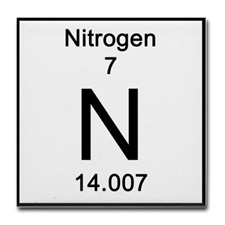
What is the number of protons that the element in this image contain?
a)
14
b)
7
c)
15
d)
18
28.
The first energy level can hold up to how many electrons?
a)
8
b)
4
c)
2
d)
5
29.

What is the atomic mass of "F"
a)
9
b)
18
c)
17
d)
19
30.
The positive particles of an atom are
a)
electrons
b)
positrons
c)
neutrons
d)
protons
31.
Particles in an atom that are neutral and have no charge are
a)
negatrons
b)
electrons
c)
neutrons
d)
protons
32.
An atoms overall charge is
a)
positive
b)
depends on its mood
c)
neutral
d)
negative
33.
Where are electrons of an atom found?
a)
Nucleus
b)
Electron Cloud
c)
Some are in the nucleus and some in the electron cloud.
d)
They are moving everywhere.
34.
"C" is the element symbol for which element?
a)
calcium
b)
carbon
c)
chlorine
d)
cadmium
35.
What is the atomic number for an element with three protons?
a)
2
b)
1
c)
3
d)
6
36.
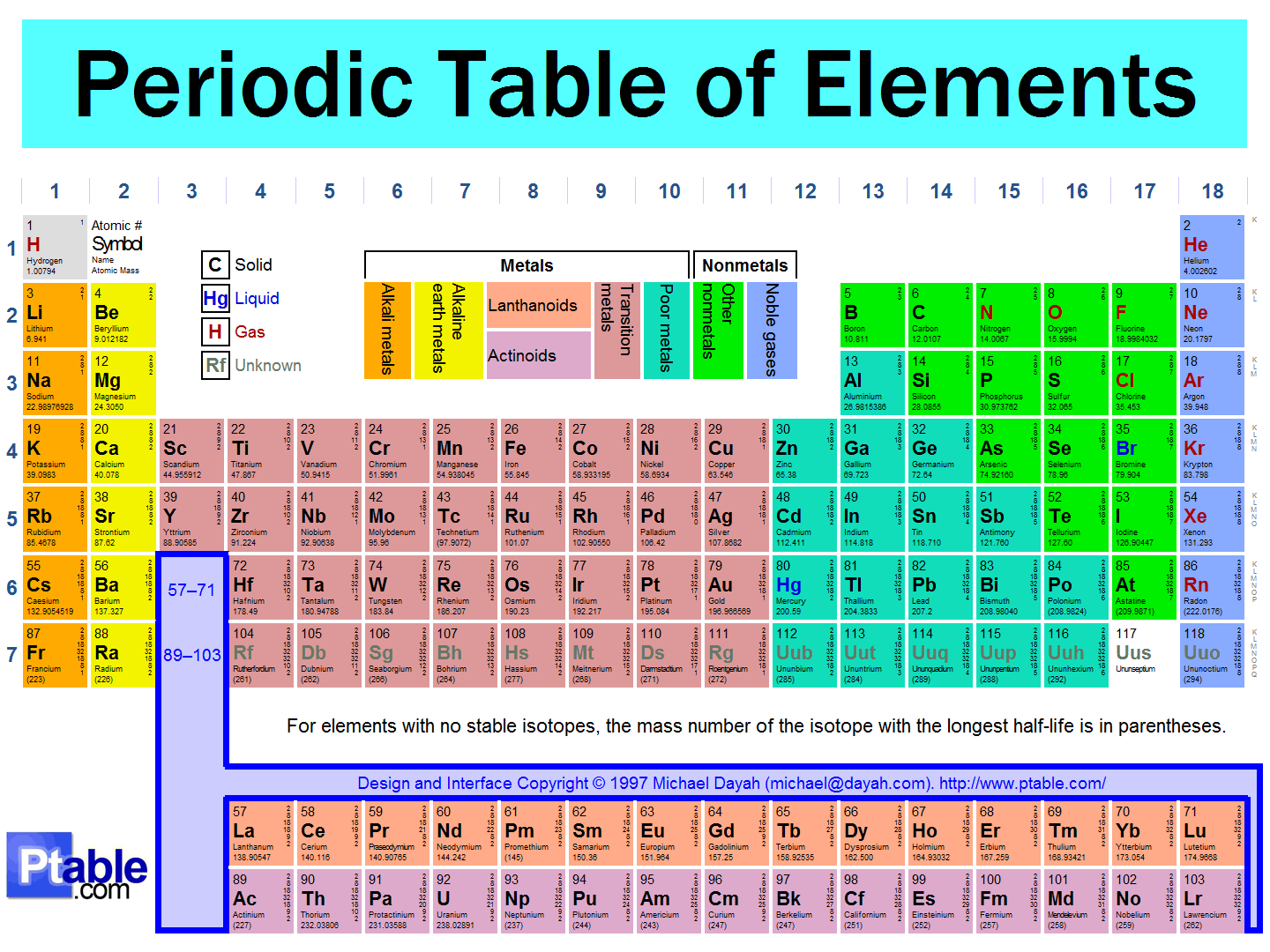
The horizontal row on the periodic table is called a
a)
group
b)
family
c)
period
d)
atomic number
37.
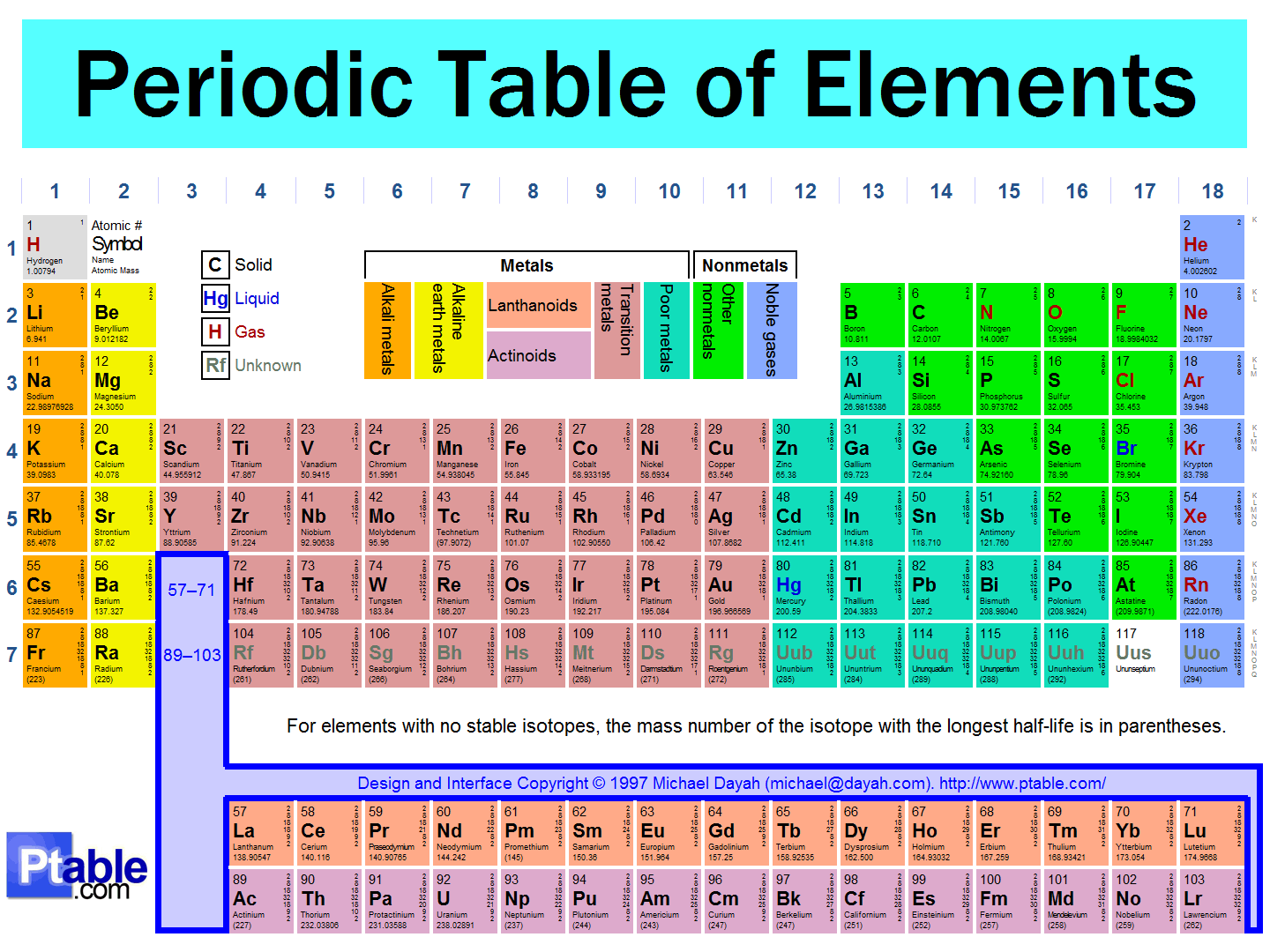
A vertical column is called...
a)
group
b)
tower
c)
period
d)
crew
38.
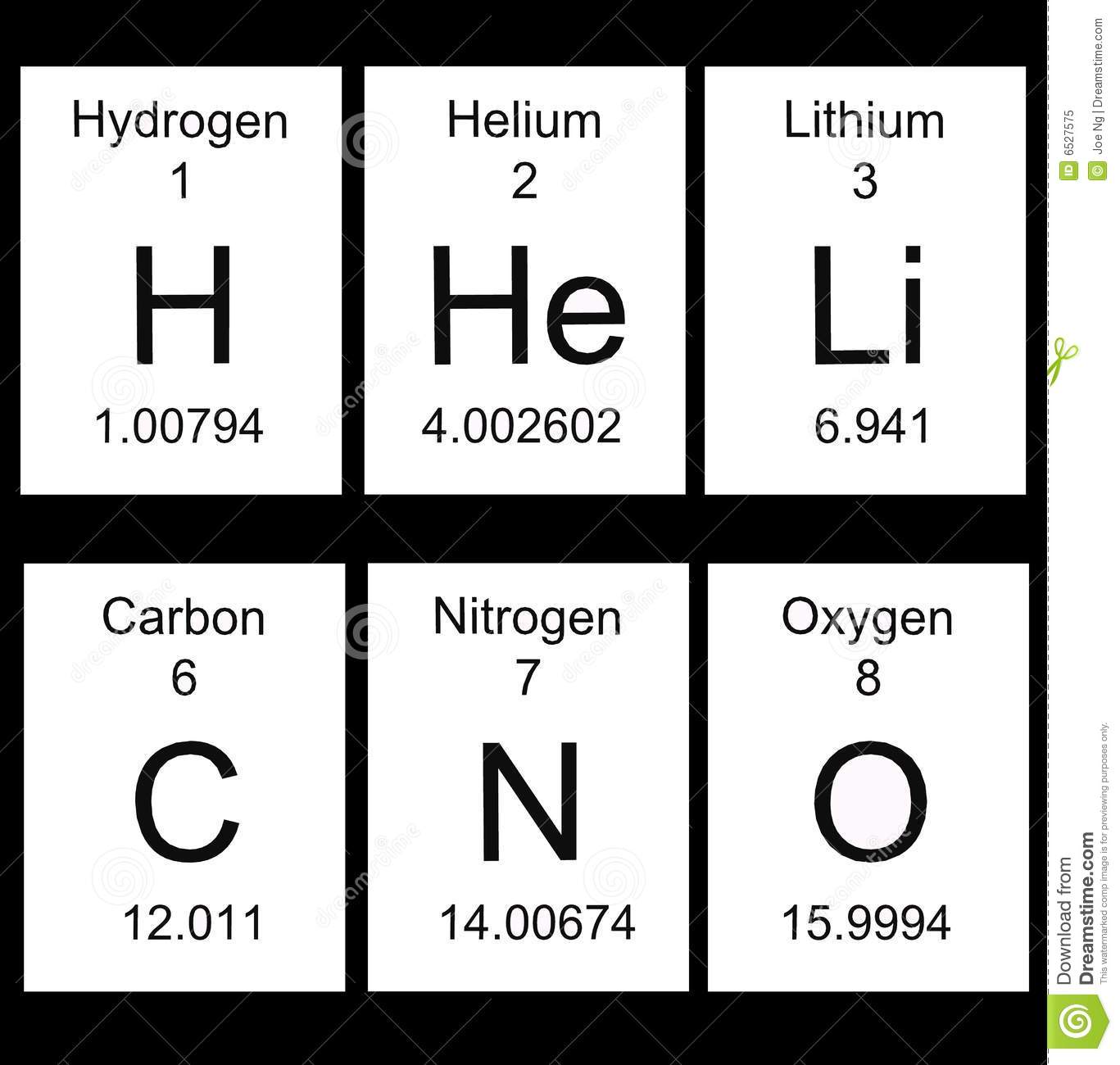
The number at the bottom of each square on the periodic table is the ...
a)
atomic number
b)
atomic mass
c)
chemical symbol
d)
element name
39.
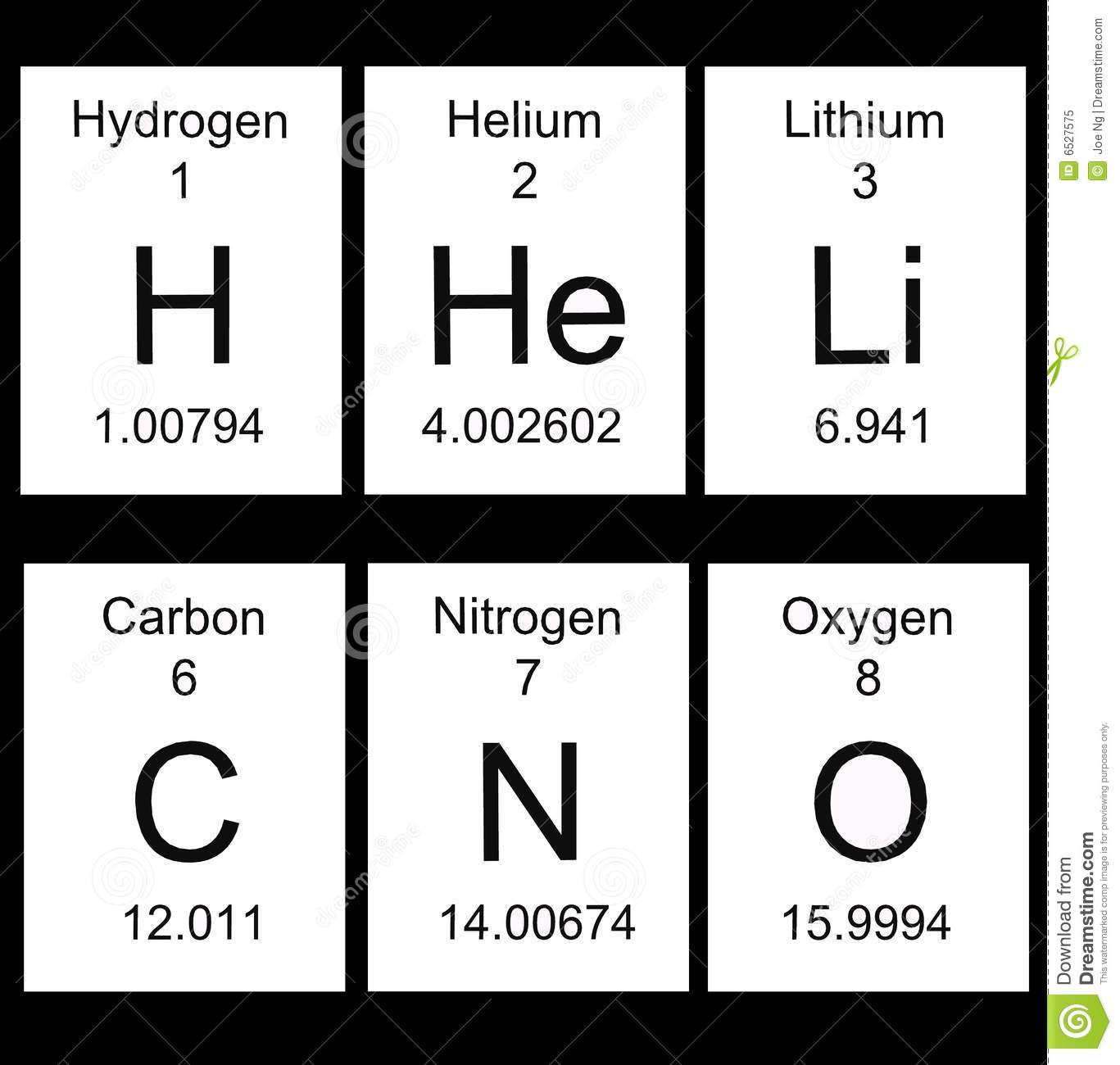
What is the chemical symbol for Lithium?
a)
H
b)
He
c)
Li
d)
N
40.
Ionic Bonding involves...
a)
The transfer of protons
b)
The transfer of nuetrons
c)
The transfer of electrons
d)
None Of the above
41.
What do atoms that form positive ions tend to do?
a)
Tend to lose electrons
b)
Tend to lose protons
c)
Tend to gain electrons
d)
Tend to gain protons
42.
What usually forms the positive ion?
a)
Metal
b)
Non Metals
c)
None
43.
What usually forms the negative ion?
a)
nonmetals
b)
metal
c)
none
44.
What happens when the sodium atom loses an electron?
a)
It become negatively charged
b)
It become positively charged
c)
none
45.
What two types of atoms make a covalent bond?
a)
2 Nonmetals
b)
1 Nonmetal and 1 Metal
c)
2 Metals
d)
2 Noble Gases
46.

What elements generally make an ionic bond?
a)
metal and nonmetal
b)
2 or more nonmetals
c)
metal
d)
none of the above
47.
Predict the bond that will form between Se and Cl.
a)
Ionic
b)
Covalent
48.
Predict the bond that will form between Sr and S.
a)
Ionic
b)
Covalent
49.
What is a valence electron?
a)
an electron that is found in the outermost shell of an atom.
b)
an electron found in the innermost shell of an atom.
c)
an electron found in the middle shell.
50.
Negative ions are called
a)
Cations
b)
Electrons
c)
Anions
d)
Neutrons
51.

How many protons are in this element?
a)
79
b)
196
c)
117
d)
Cannot be determined
52.
Positive ions form when atoms _________ valence electrons.
a)
lose
b)
gain
c)
share
d)
gain or share
53.
When an atom LOSES an electron it is a
a)
cation
b)
anion
54.
What are the names of the horizontal rows on the periodic table?
a)
The periods
b)
The Groups
c)
The Non-Metals
d)
Ionization Energies
55.
What is a substance that is dissolved in another substance?
a)
solution
b)
solute
c)
solvent
d)
compound
56.

In the above picture, a powder is about to be poured into the liquid. Which of the following should be done to make this powder dissolve faster?
a)
stir the powder in the liquid
b)
freeze the mixture
c)
add more powder to the liquid
d)
store the mixture in a dark place
57.

The image shown is an example of a ___________.
a)
solution
b)
mixture
c)
gas
d)
plasma
58.
Which of the following is not a way to increase the rate of dissolving
a)
evaporation
b)
stirring
c)
increasing temperature
d)
using a smaller particle size
59.
If an acid is combined with a base of equal strength, the result will most likely be
a)
a neutral solution.
b)
a stronger acid.
c)
impossible to tell without testing the pH.
d)
a stronger base
60.
Which of the following is a base?
a)
orange juice
b)
water
c)
vinegar
d)
dishwashing detergent
61.
The pH of a solution is tested, and it is found to be a basic solution. Of the following choices, what could the pH have been?
a)
3
b)
9
c)
7
d)
5
62.
Many cleaning solutions are bases. Which of the following is a property of most bases?
a)
feels slippery
b)
white color
c)
can only be liquid
d)
tastes sour
63.
Tastes bitter.
a)
Acids
b)
Bases
c)
Salts
d)
All
64.
On the pH scale what numbers are neutrals?
a)
8-14
b)
0-7
c)
7
d)
1
65.

Pollution causes the pH of rain water fall below 6. What is such type of rain called?
a)
Acid rain
b)
polluted rain
c)
low pH rain
66.
Acid + base --> ?
a)
salt + hydrogen gas + water
b)
salt + carbon dioxide + water
c)
salt + water
d)
salt only
100 %

