
 Worksheets
Circulatory, Respiratory,Nervous and Reproductive Systems
Total questions: 45
Worksheet time: 30mins
Name
Class
Date
1.
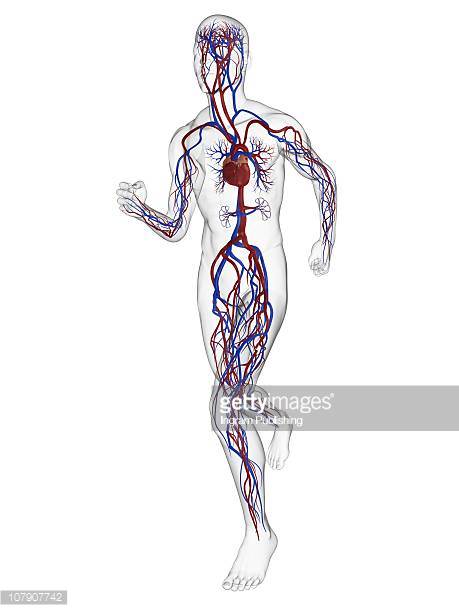
What is the main organ of the circulatory system?
a)
small intestine
b)
bone
c)
lungs
d)
heart
2.
Arteries carry oxygen rich blood away from the heart.
a)
True
b)
False
3.
Veins carry oxygen poor blood back to the heart.
a)
False
b)
True
4.
The job of the heart is to . . .
a)
pump blood around the body.
b)
send food to the small intestines.
c)
break down food.
d)
give energy to the body.
5.
How does the heart work?
a)
It pumps blood first to the lungs, back to the heart and then around the rest of the body.
b)
It pumps blood first to the rest of the body, back to the lungs and then to the heart.
c)
It pumps blood around the rest of the body, back to the heart and then to the lungs,
6.
______________ are the smallest blood vessels.
a)
Arteries
b)
Veins
c)
Capillaries
7.
______________ are the second largest blood vessel.
a)
Arteries
b)
Veins
c)
Capillaries
8.
The circulatory system works with the ___________ system to provide our body with oxygen.
a)
respiratory
b)
digestive
c)
muscular
d)
skeletal
9.
The circulatory system works with the __________ system to obtain energy from nutrients that we eat.
a)
respiratory
b)
digestive
c)
skeletal
d)
nervous
10.
The heart has ___ chambers.
a)
1
b)
2
c)
3
d)
4
11.
Carry blood away from heart; mostly oxygen-rich
a)
Arteries
b)
Veins
c)
Capillaries
12.
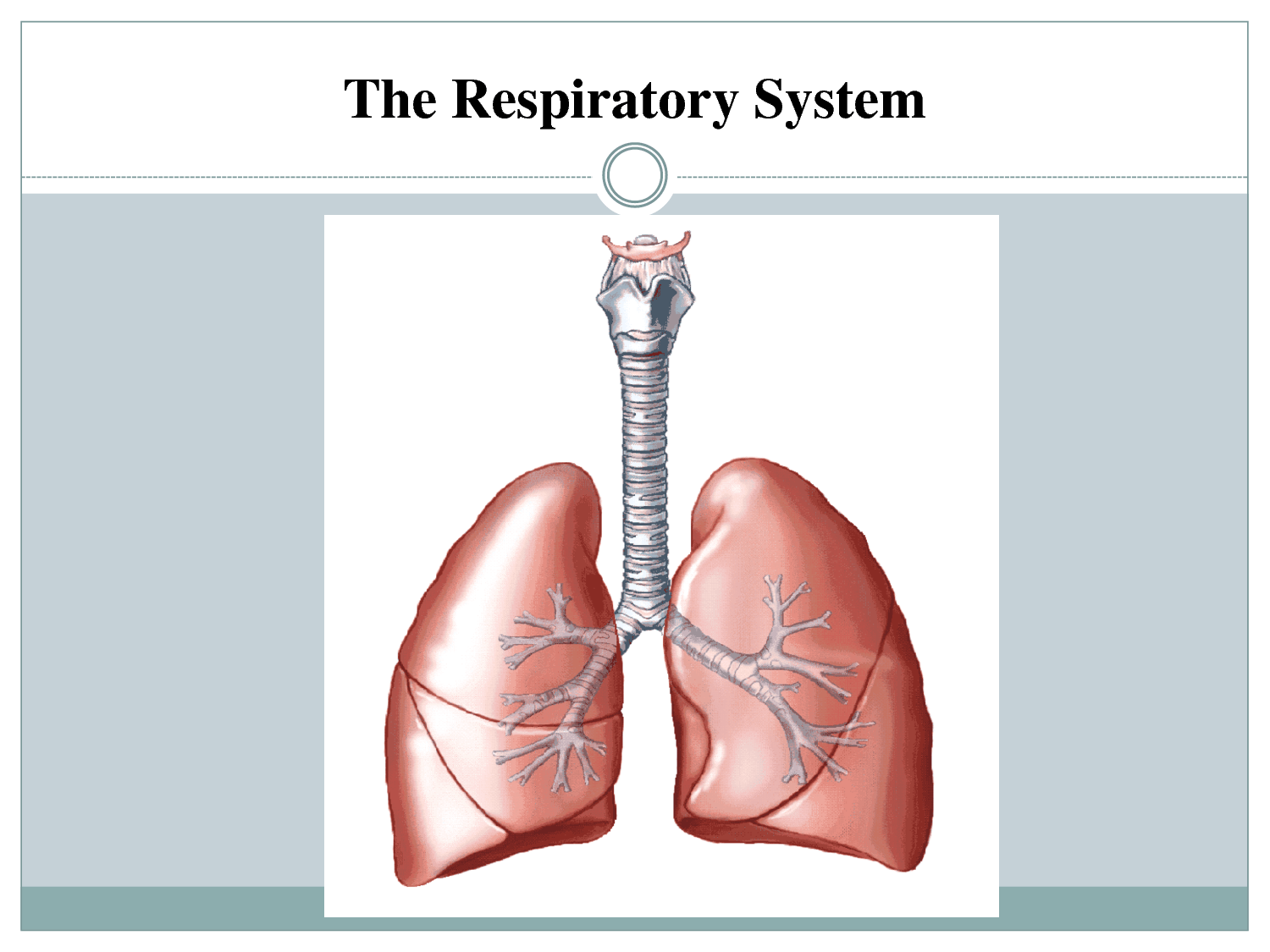
What is the main function of the respiratory system?
a)
to provide oxygen and remove carbon dioxide from the body
b)
to bring oxygen to the body
c)
to break down food and absorb nutrients
d)
to remove oxygen from the body and deliver carbon dioxide
13.
What are the main organs of gas exchange in the respiratory system?
a)
diapragm
b)
lungs
c)
trachea
d)
bronchi
14.
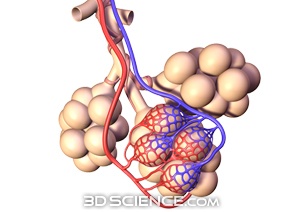
When you breathe, your lungs take in ___ and remove ___.
a)
air/oxygen
b)
oxygen/carbon dioxide
c)
carbon dioxide/waste
d)
waste/air
15.
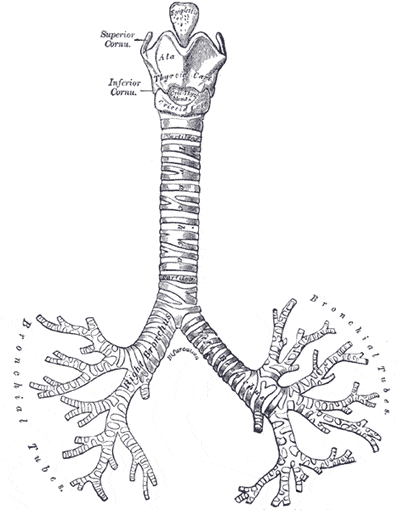
The two main branches from the trachea (one to each lung)
a)
bronchi
b)
alveoli
c)
capillaries
d)
bronchioles
16.
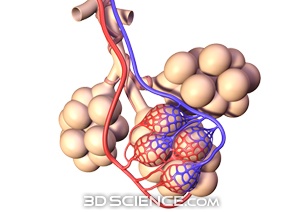
The air sacs that are covered with capillaries where gas exchange takes place
a)
bronchi
b)
lungs
c)
oxygen
d)
alveoli
17.
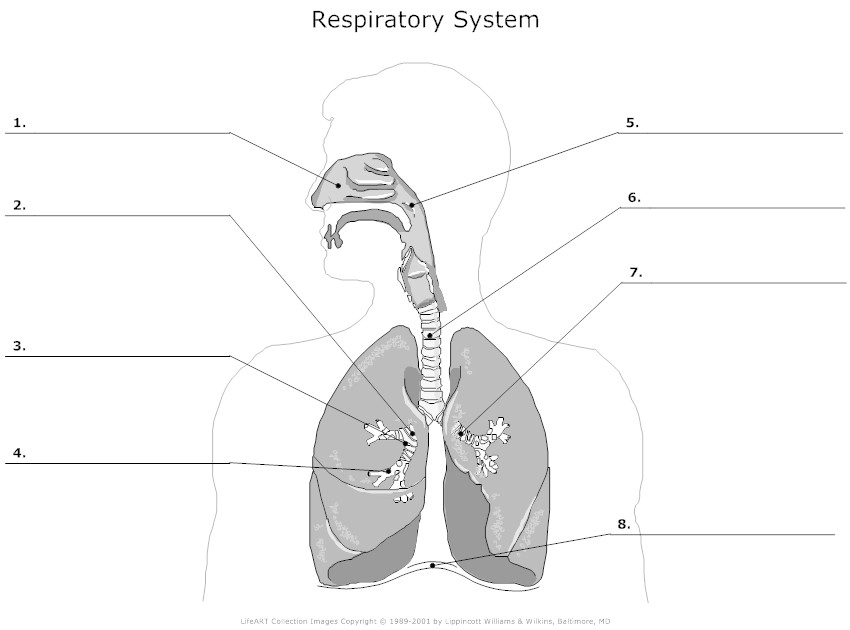
Name the organ label # 6.
a)
alveoli
b)
bronchi
c)
trachea
d)
lungs
18.
The Pharynx is the muscle that moves the lungs
a)
True
b)
False
19.
Flap of skin that covers the opening to the windpipe during swallowing
a)
Stomach
b)
Trachea
c)
Pancreas
d)
Epiglottis
20.
What is the name of the muscle below the lungs that helps with breathing?
a)
trachea
b)
alveoli
c)
diaphragm
d)
bronchi
21.
What two things are found in the central nervous system?
a)
brain/spinal cord
b)
spinal cord/motor neurons
c)
motor/sensory neurons
d)
only brain
22.
Which part of a neuron RECIEVES information?
a)
axon
b)
dendrite
c)
cell body
d)
axon terminal
23.
Which part of the neuron is a long fiber that send information to other cells?
a)
dendrite
b)
terminal
c)
cell body
d)
axon
24.
Which of the TWO nervous systems contains motor and sensory neurons?
a)
central nervous system
b)
peripheral
c)
motor
d)
sensory
25.
What is the LARGEST of the 3 parts of your brain?
a)
cerebellum
b)
cerebrum
c)
spinal cord
d)
medulla
26.
Which part of your brain controls memory?
a)
cerebrum
b)
cerebellum
c)
medulla
d)
neurons
27.
Which part of the brain controls balance and body position?
a)
cerebrum
b)
medulla
c)
cerebellum
d)
impluses
28.
The spinal cord is protected by the _____?
a)
vertebrae
b)
skull
c)
lungs
d)
rib cage
29.
If I step on a nail...what type of neuron take that signal TO the CENTRAL NERVOUS SYSTEM?
a)
interneurons
b)
motor
c)
sensory
d)
receptors
30.
If I step on a nail...what type of neurons take the response to my muscles?
a)
motor
b)
interneurons
c)
sensory
d)
not neurons, muscle tissue sends the response
31.

Which part of the brain controls vital functions such as breathing and heart rate?
a)
Diencephalon
b)
Frontal Lobe
c)
Brain Stem
d)
Cerebellum
32.

What is the part highlighted in red?
a)
Cerebrum
b)
Cerebellum
c)
Brain Stem
d)
Diencephalon
33.

Two major branches of the nervous system
a)
central and peripheral
b)
peripheral and motor
c)
motor and sensory
d)
central and motor
34.

Which produces egg cells and female hormones?
a)
cervix
b)
fallopian tube
c)
vagina
d)
ovaries
35.

What do you call the process in which the ovary releases a mature egg cell?
a)
penile erection
b)
ejaculation
c)
ovulation
d)
nocturnal emission
36.

What do you call the union of egg and sperm cell?
a)
penile erection
b)
ejaculation
c)
fertilization
d)
ovulation
37.

Where does fertilization usually take place?
a)
ovary
b)
fallopian tube
c)
cervix
d)
vagina
38.
The urethra belongs to which reproductive system?
a)
Male
b)
Female
c)
Both
39.
The male sex cells
a)
glans
b)
sperm
c)
penis
d)
urethra
40.
Which organ produces sperm cells?
a)
testes
b)
epididymis
c)
ovary
d)
prostate gland
41.
The skin covered sac that surround the testes.
a)
Scrotum
b)
Prostate gland
c)
Cowper's gland
d)
Seminal vesicles
42.
The lining of the uterus coming out through the vagina (sometimes called 'having a period').
a)
Conception
b)
Fertilization
c)
Implantation
d)
Menstruation
43.

The male gonad that produces sperm and the male hormone testosterone.
a)
Penis
b)
Epididymis
c)
Testes
d)
Cowper's Gland
44.

The female gonad that produces eggs and the female hormones estrogen and progesterone.
a)
Uterus
b)
Vagina
c)
Cervix
d)
Ovary
45.

Female reproductive organ where a baby grows for 9 months.
a)
Uterus
b)
Fallopian Tube
c)
Vagina
d)
Ovary
100 %

