
NEW
Font size
S
M
L
XL
 Worksheets
General and Cardio
Total questions: 50
Worksheet time: 28mins
Name
Class
Date
1.
aorta
a)
angi/o
b)
aort/o
c)
arteri/o
d)
slow
2.
artery
a)
brady
b)
arterio/o
c)
aort/o
d)
angi/o
3.
plaque, fatty substance
a)
ather/o
b)
brady-
c)
angi/o
d)
aort/o
4.
slow
a)
angi/o
b)
athero
c)
brady
d)
arterio
5.
cardi/o
a)
heart
b)
blood
c)
red
d)
sound
6.
ech/o
a)
sound
b)
red
c)
heart
d)
crown
7.
-emia
a)
red
b)
sound
c)
blood
d)
heart
8.
vein
a)
hemat/o, hem/o
b)
tachy
c)
phleb/o
d)
clot
9.
fast, rapid
a)
tachy-
b)
throm/o
c)
leuk/o
d)
hemat/o
10.
clot
a)
leuk/o
b)
tachy-
c)
phleb/o
d)
thromb/o
11.
Which two words have the same meaning?
a)
Cardi/o and Cerebr/o
b)
Edema and Esthes/o
c)
Angi/o and Vas/o
d)
Lith/o and Lymph/o
12.
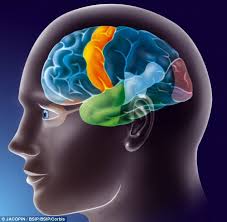
Towards the Front.
[The eyes are _______ to the brain].
[The eyes are _______ to the brain].
a)
Inferior
b)
Deep
c)
Lateral
d)
Anterior
13.
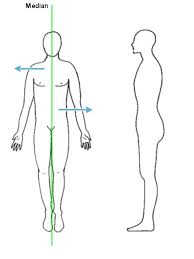
Away from midline
a)
Lateral
b)
Distal
c)
Superior
d)
Transverse
14.
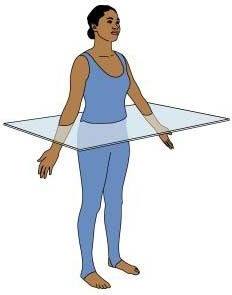
Divides body into top and bottom portions (superior-head; inferior-feat)
a)
Medial Plane
b)
Sagittal
c)
Proximal
d)
Transverse Plane
15.

A body part is above another part, or is closer to the head
a)
Superficial
b)
Lateral
c)
Superior
d)
Deep
16.
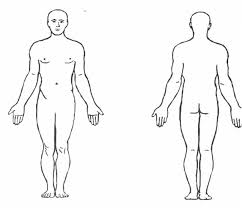
Body is standing straight, facing forward, upper limbs at side and palms facing forward.
*right and left refer to "right" and "left" of the body in position.
*right and left refer to "right" and "left" of the body in position.
a)
Sagittal
b)
Anatomical Position
c)
Anterior Position
d)
Anatomical Plane
17.
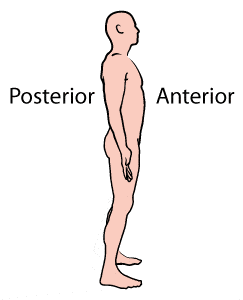
Toward the back; opposite of Anterior
a)
Superior
b)
Posterior
c)
Inferior
d)
Lateral
18.

Closer to midline in relation to another part
a)
Deep
b)
Distal
c)
Medial
d)
Proximal
19.

The knee is _______ to the ankle.
a)
proximal
b)
lateral
c)
distal
d)
medial
20.
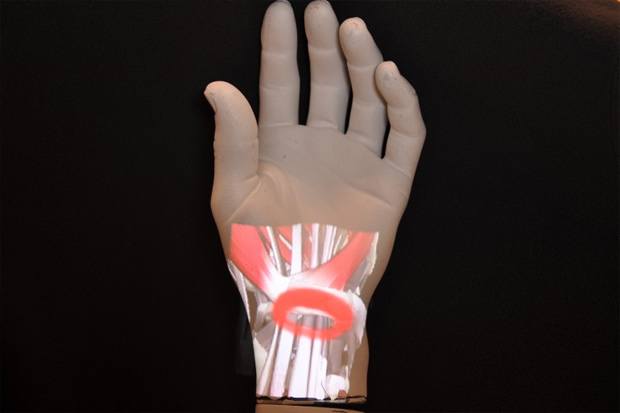
The bone is _____ to the skin.
a)
inferior
b)
superficial
c)
deep
d)
posterior
21.

The rib cage is _____ to the heart.
a)
proximal
b)
medial
c)
superficial
d)
distal
22.
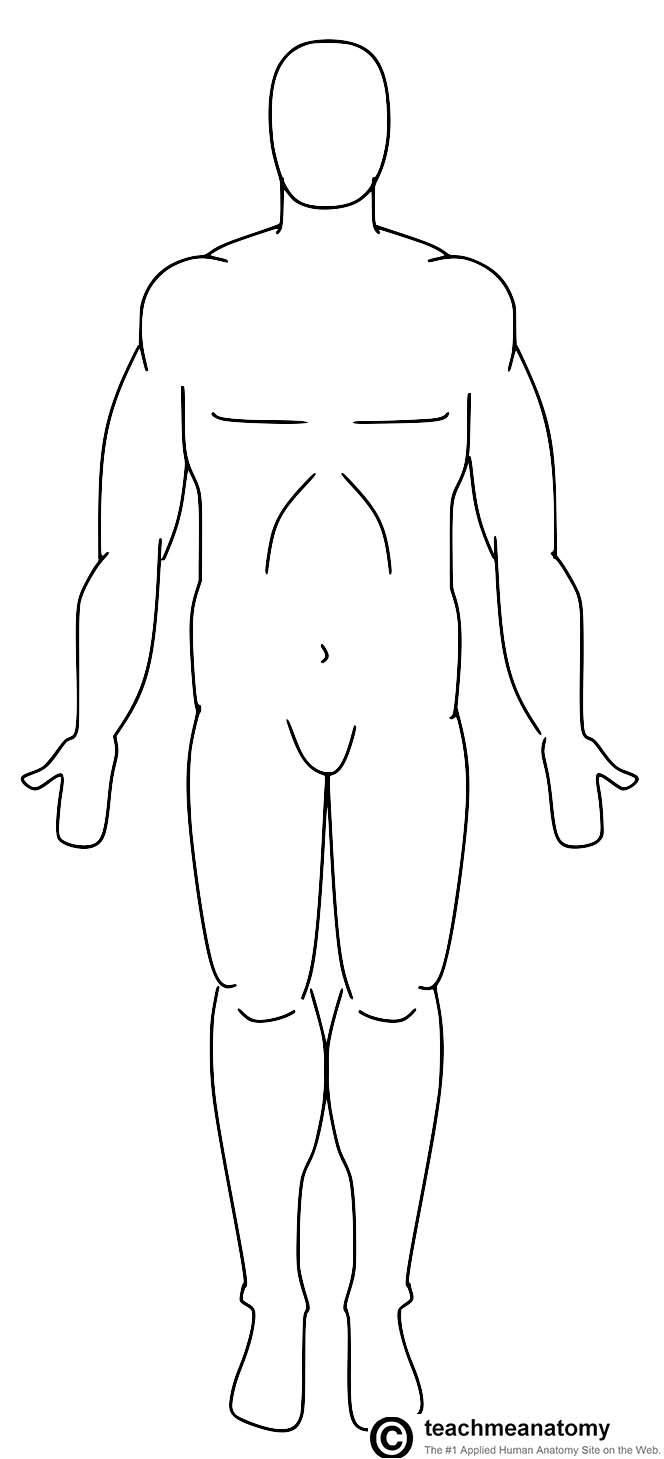
In the anatomical position, the palms are facing-
a)
forward
b)
backward
23.
The hip region.
a)
Carpal
b)
Inguinal
c)
Olecranal
d)
Coxal
24.
The forearm region
a)
Brachial
b)
Antecubital
c)
Antebrachial
d)
Coxal
25.
The back of knee
a)
Popliteal
b)
Patellar
c)
Femoral
d)
Thoracic
26.
The heel of foot
a)
Tarsal
b)
Carpal
c)
Cervical
d)
Calcaneal
27.
The armpit
a)
Acromial
b)
Cervical
c)
Axillary
d)
Popliteal
28.
The shoulder.
a)
Axillary
b)
Acromial
c)
Olecranal
d)
Antebrachial
29.
The upper arm
a)
Brachial
b)
Antebrachial
c)
Cephalic
d)
Inguinal
30.
The chest region
a)
Cervicle
b)
Coxal
c)
Thoracic
d)
Mammary
31.
The head
a)
Lumbar
b)
Cephalic
c)
Popliteal
d)
Sural
32.
Navel or belly button region
a)
Carpal
b)
Umbilical
c)
Lumbar
d)
Inguinal
33.
Neck
a)
Planter
b)
Inguinal
c)
Antecubital
d)
Cervical
34.
Sole of foot
a)
Calcaneal
b)
Tarsal
c)
Plantar
d)
Antibrachial
35.
Groin
a)
Inguinal
b)
Olecranal
c)
Coxal
d)
Umbilical
36.
Buttocks
a)
Lumbar
b)
Thoracic
c)
Dorsal
d)
Gluteal
37.
Lower back
a)
Thoracic
b)
Lumbar
c)
Carpal
d)
Popliteal
38.
Ankle region
a)
Tarsal
b)
Carpal
c)
Calcaneal
d)
Planter
39.
Wrist
a)
Tarsal
b)
Olecranal
c)
Digital
d)
Carpal
40.
Back
a)
Antebrachial
b)
Thoracic
c)
Dorsal
d)
Olecranal
41.
when the hand or foot rolls outward
a)
supination
b)
pronation
c)
medial
d)
lateral
42.
Buccal
a)
Cheek
b)
Digital
c)
Femoral
d)
Abdominal
43.
Fingers and Toes
a)
Cheek
b)
Digital
c)
Femoral
d)
Abdominal
44.
when the joint moves toward the body
a)
abduction
b)
adduction
c)
extension
d)
flexion
45.
when the joint moves away from the body
a)
abduction
b)
adduction
c)
extension
d)
flexion
46.
The patient is laying face up
a)
supine
b)
prone
c)
right lateral recumbent
d)
left lateral recumbent
47.
Coronal or frontal plane
a)
divides the body into equal right and left halves
b)
Divides the body into superior and inferior halves
c)
Divides the body into dorsal and ventral halves
48.
when the joint angle increases
a)
abduction
b)
adduction
c)
extension
d)
flexion
49.
The patient is laying face down
a)
supine
b)
prone
c)
right lateral recumbent
d)
left lateral recumbent
50.

Mole is
a)
Just lateral and inferior to right nostril
b)
Just lateral and cranial to left nostril
c)
Exactly medial and superior to right nostril
d)
Exactly medial and caudal to right nostril
Reset

