wayground logo

Free Printable Worksheets

Font size

S
M
L
XL
Worksheets

Heat transfer

Total questions: 98

Worksheet time: 1hrs 9mins
Name
Class
Date
1.
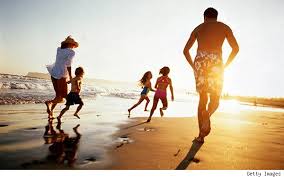
The sun shines down on this family as the play on the beach.
a)
conduction
b)
convection
c)
radiation
2.
A group of friends gather around a fire to stay warm.
a)
conduction
b)
convection
c)
radiation
3.
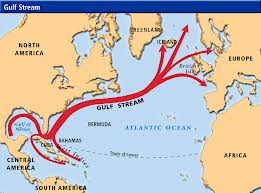
The Gulf Stream is a current that brings warm ocean water from the south to the north.
a)
conduction
b)
convection
c)
radiation
4.
Walking on the warm sand sand with your bare feet.
a)
conduction
b)
convection
c)
radiation
5.
Blow drying your wet hair.
a)
conduction
b)
convection
c)
radiation
6.
Which direction will the heat flow while this person holds a hot cup of tea?
a)
from the cup to her hand
b)
from her hand to the cup
c)
no heat is transferred
7.
Which direction will the heat flow while this ice cap melts?
a)
there is no heat transfer
b)
from the icecap to the water
c)
from the water to the icecap
8.
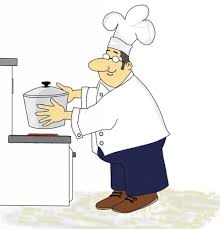
The man goes to take the hot pot off the stove with his bare hands.
a)
conduction
b)
convection
c)
radiation
9.
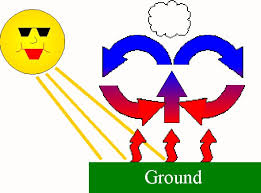
Warm air rises and the cool air sinks.
a)
conduction
b)
convection
c)
radiation
10.
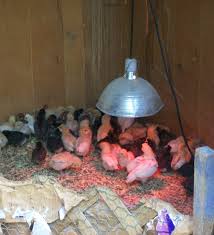
The baby chickens are kept warm from the heat lamps.
a)
conduction
b)
convection
c)
radiation
11.
In some cultures, walking on fire is the ultimate sign of strength.
a)
conduction
b)
convection
c)
radiation
12.
In this experiment, the WARM red dye and the COLD blue dye was placed in the water at the same time. The warm red dye rose to the top while the cold blue dye sank to the bottom.
a)
conduction
b)
convection
c)
radiation
13.
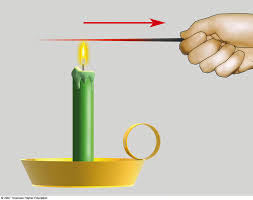
The candle will slowly heat the metal and transfer the heat directly to the mans hand.
a)
conduction
b)
convection
c)
radiation
14.
In heat transfer, heat always flows from the _______________ substance to the _______________ substance.
a)
Hotter to colder
b)
Colder to hotter
c)
Hotter to hotter
d)
Colder to colder
15.
The type of heat transfer that happens through direct contact of molecules or particles with each other is ___________________.
a)
Convection
b)
Conduction
c)
Radiation
d)
insulation.
16.
The kind of heat transfer that travels through space in electromagnetic waves is ______________________.
a)
insulation.
b)
Radiation
c)
Conduction
d)
Convection
17.
___________________ is the type of heat transfer that occurs in fluids, such as warm air rising and cold air sinking; creating wind.
a)
Convection
b)
Conduction
c)
Radiation
d)
insulation.
18.
Which statement is true?
a)
The quicker a molecule moves, the colder it is.
b)
The slower a molecule moves, the warmer it is.
c)
The quicker a molecule moves, the warmer it is
d)
The movement on molecule don�t affect its temperature
19.
What kind of heat transfer happens when the sun is heating your body?
a)
Conduction
b)
Radiation
c)
Convection
d)
Density
20.
Which of the following is the best example of conduction?
a)
A light bulb warming a lampshade
b)
An egg cooking in a frying pan
c)
Water boiling in a pot
d)
Gases circulating in the atmosphere
21.
The handle of a metal spoon warms up when it is placed in a hot bowl of soup because of
a)
Convection
b)
Conduction
c)
Radiation
d)
insulation.
22.
What heat transfer happens when you burn your hand by touching a fire?
a)
Radiation
b)
Conduction
c)
Convectio
d)
I don't know!!!!!!!!!!!
23.
The way the heat is moving from the hot coffee is called...
a)
convection
b)
radiation
c)
insulation
d)
conduction
24.
This is a lava lamp. When the light bulb heats the wax, the wax rises. When the wax cools, it falls. This cycle of rising/falling is an example of:
a)
Conduction.
b)
Convection.
c)
Radiation.
25.
Heat transfers from an area of ____temperature to an area of ___ temperature.
a)
high to low
b)
low to high
c)
high to high
d)
It can travel high to low and low to high. 
26.

The process by which a solid changes to a liquid....

a)

freezing

b)

condensation

c)

melting

d)

evaporation

27.

The process by which a liquid changes to a gas at the liquid's surface....

a)

evaporation

b)

melting

c)

freezing

d)

condensation

28.

The process by which bubbles of gas form throughout a liquid and rise to the surface....

a)

melting

b)

boiling

c)

freezing

d)

evaporating

e)

condensation

29.

Tony observed water droplets forming on the outside of someone else's glass. What conclusion can he draw?

a)

The drink is colder than room temperature.

b)

The drink is warmer than room temperature but below 100oC.

c)

The drink is above 100oC.

d)

The drink is at room temperature.

30.
The main human activity that releases greenhouse gases is
a)
using bottled water
b)
burning fossil fuels
c)
texting on cellphones
d)
eating meat
31.
Some greenhouse gases are naturally present in the Earth's atmosphere
a)
True
b)
False
32.
What is the Greenhouse Effect?
a)
The rising of sea level over time
b)
The Earth's atmosphere losing heat
c)
The trapping of the Sun's warmth in the Earth'satmosphere
d)
The way we get energy to our holmes
33.
The greenhouse gas having the greatest role in human-caused global warming is
a)
methane
b)
carbon dioxide
c)
CFCs (chlorofluorocarbons)
d)
ozone
34.
Human activity is adding additional greenhouse gases to the amount that are in the atmosphere naturally
a)
True
b)
False
35.
What is causing climate change
a)
wind 
b)
the sun
c)
green house gasses
d)
water
36.
What is the "greenhouse effect?"
a)
Greenhouse gases trap in UV radiation and warm the earth.
b)
Greenhouse gases trap infrared radiation and warm the earth.
c)
Greenhouse gases trap Carbon Dioxide and warm the earth.
d)
Greenhouse gases trap carbon dioxide so plants can grow.
37.
What is the greenhouse effect?
a)
warming of the earth due to gases in our atmosphere.
b)
cooling of the earth due to gases in our atmosphere
38.
Is wood a renewable resource?
a)
No, once you cut down a tree it is gone forever.
b)
Yes, we can manage forests and replace trees that are used.
39.
What is recycling?
a)
is to use materials again and again to make something new.
b)
is produce new brand products and sell them.
c)
is living in the developed world but taking care of the nature.
d)
is classify garbage in different colors.
40.
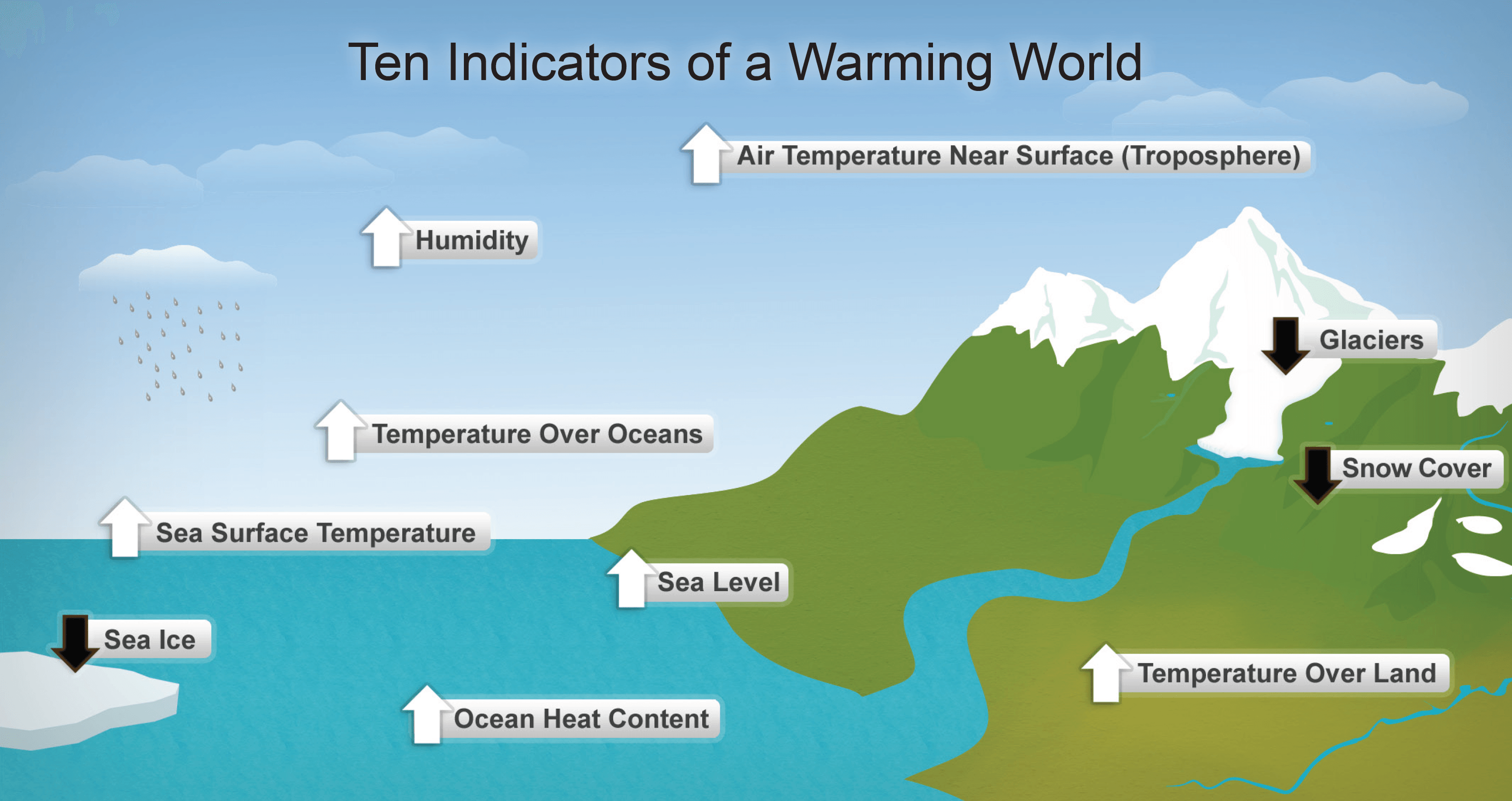
In a warmer world, we would expect more
a)
droughts
b)
hurricanes
c)
desert expansions
d)
all of these
41.
The threat of global warming can be addressed by
a)
using energy more efficiently
b)
reducing deforestation
c)
slowing population growth
d)
shifting to renewable resources
42.

Trees are so important to our environment because they absorb (sink) which greenhouse gas?

a)

methane

b)

carbon dioxide

c)

water vapor

d)

oxygen

43.

True or False: The greenhouse effect is always bad for our environment.

a)

True

b)

False

44.

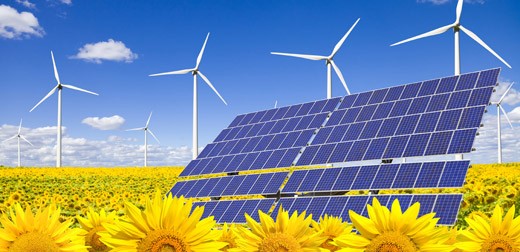
Choose all of the following that are alternative (greener) energy sources...

a)

The sun

b)

Wind

c)

Electricity

d)

Water

45.
Non-Renewable resources are also known as what?
a)
Fossil Fuels
b)
Renewable
c)
Solar Energy
d)
Hydroelectric Energy
46.
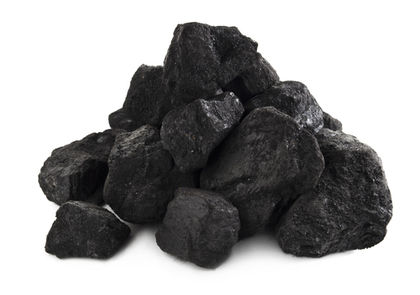
what is a non renewable resource?
a)
water
b)
wind
c)
coal
d)
biomass
47.
what is a fossil fuel
a)
oil
b)
biomass
c)
wind 
d)
hydro
48.
what is a renewable resource used for?
a)
food
b)
diging
c)
energy
d)
smelting
49.
What is a renewable resource?
a)
An object you can reuse
b)
An object you cannot reuse
c)
Fossil fuels
d)
Oil
50.
What is a non-renewable resource?
a)
Paper
b)
You can`t reuse them 
c)
A plastic bottle
d)
You can reuse 
51.
Where does most of earth`s energy come from?
a)
The sun
b)
Mars
c)
Wind
d)
Water
52.
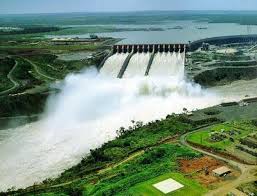
What is an example of a renewable resource?
a)
hydroelectric
b)
oil
c)
coal
d)
fossil fuel
53.
Fossil fuels are Renewable resources. True or False?
a)
True
b)
False
54.
Do Renewable energy sources run out?
a)
Yes 
b)
No
55.
Hydroelectricity and Wind Power are both indirect forms of what? 
a)
Hydrogen
b)
Geothermal Energy
c)
Solar Energy
d)
Nuclear
56.
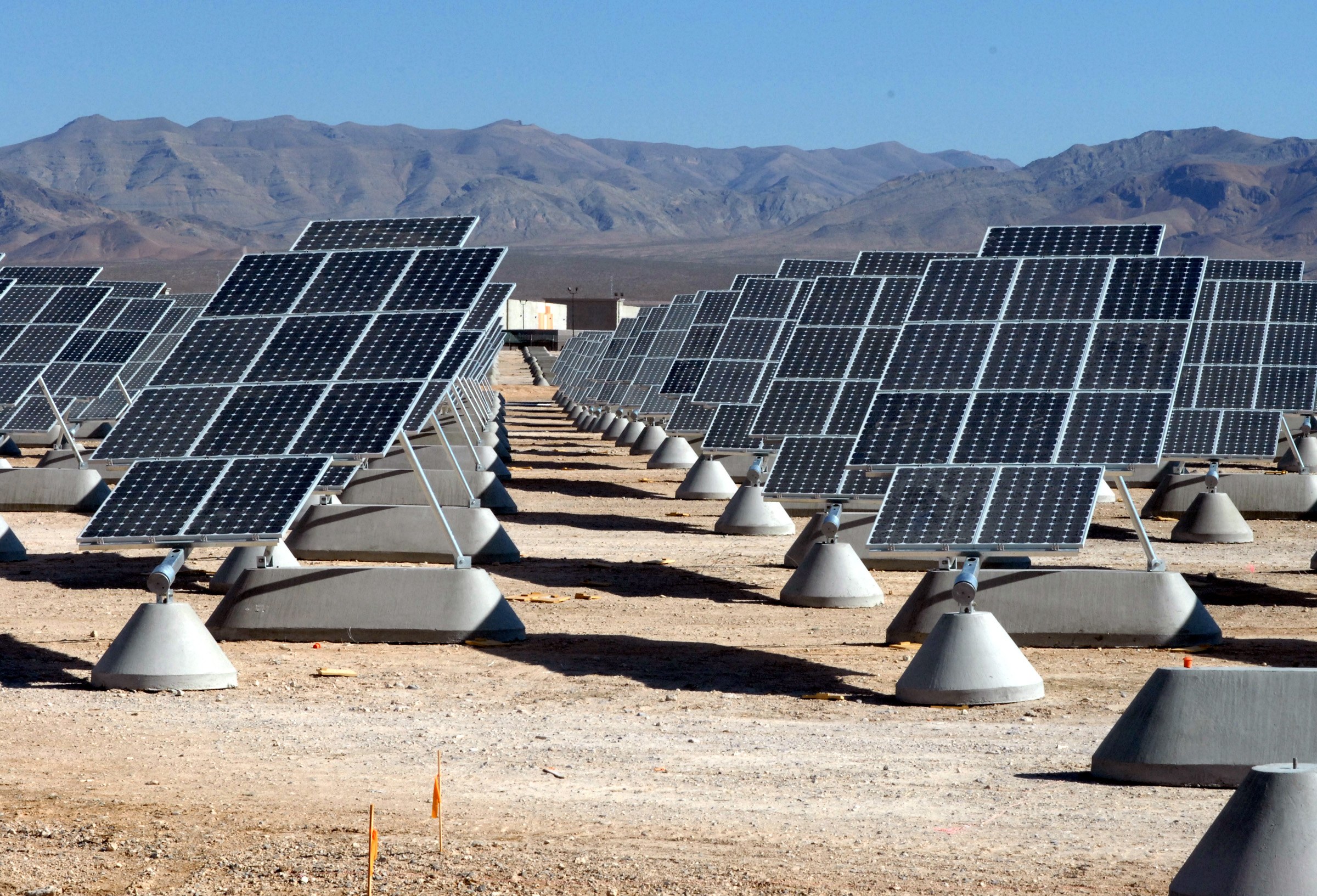
Which renewable resource gets its direct energy from the sun? 
a)
Geothermal
b)
Solar
c)
Wind
d)
Hydrogen
57.
What is the most plentiful fossil fuel? 
a)
Oil
b)
Natural Gas
c)
Petroleum 
d)
Coal
58.
Why do we use non-renewable resources instead of renewable resources? 
a)
Less Expensive 
b)
More Energy
c)
All of the above
59.
Energy we get from burning living things
a)
Hydroelectricity 
b)
Wind Energy
c)
Biomass Fuel
d)
Hydrogen Power
60.
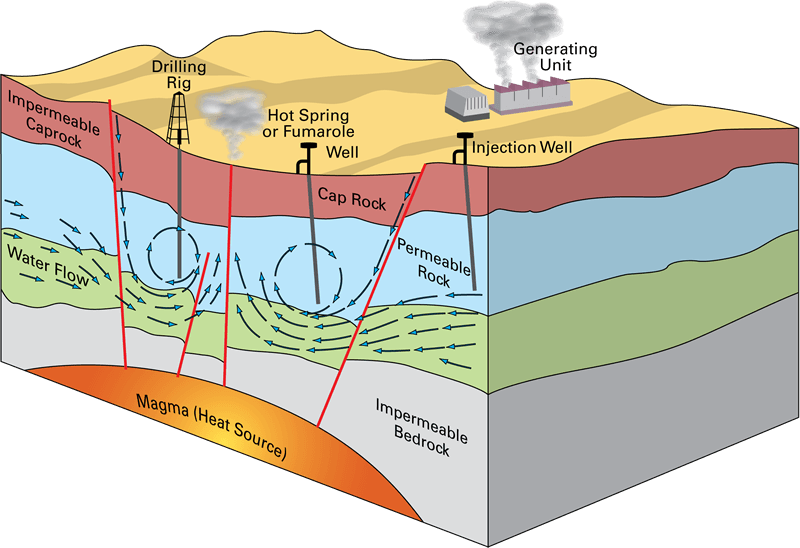
Energy we get from earth's interior heat
a)
Geothermal
b)
Solar Energy 
c)
Wind Energy 
d)
Hydroelectricity 
61.
Oil and Natural gas are both known as types of what? 
a)
Coal
b)
Geothermal Energy 
c)
Renewable Resources
d)
Petroleum 
62.
What is the best pro about renewable resources? 
a)
The are inexpensive 
b)
They are always available
c)
They are expensive
d)
They create pollution  
63.
Both renewable and non-renewable resources give us what? 
a)
Energy
b)
Pollution
c)
Heat
d)
Both Heat and Energy
64.
__________ is an energy resource that WILL NOT run out in the next several hundred years.
a)
Renewable Energy Resource
b)
Nonrenewable Energy Resource
65.
Coal is a __________ energy resource.
a)
Renewable
b)
Nonrenewable
66.
Hyrdo Power is a __________ energy resource.
a)
Renewable
b)
Nonrenewable
67.
Solar Power is a __________ energy resource.
a)
Renewable
b)
Nonrenewable
68.
__________is the energy created by wind turning wind turbines.
a)
Geothermal
b)
Hydro
c)
Wind
d)
Nuclear
69.

__________uses heat from the interior of the Earth.

a)

Solar

b)

Geothermal

c)

Nucler

d)

Wind

70.
What does reduce mean?
a)
make bigger
b)
add things
c)
make smaller
d)
make different
71.
What does reuse mean?
a)
Use again
b)
Throw away
c)
To buy again
d)
To make again
72.
What does recycle mean?
a)
Make smaller
b)
Make bigger
c)
Converting waste into something that can be used again.
d)
Throw away
73.

Turning the water off while brushing your teeth is a good way to REDUCE the amount of water used?

a)

True

b)

False

74.
What day is Earth Day?
a)
March 22
b)
April 22
c)
May 22
d)
June 22
75.
What day is Earth Day?
a)
March 22
b)
April 22
c)
May 22
d)
June 22
76.
Refilling the same plastic water bottle is an example of reusing
a)
true
b)
false
77.

We should _________ the amount of water we use by turning off the water while we scrub our hands.

a)

reduce

b)

reuse

c)

recycle

78.

We should ... use of cars by walking or riding our bikes.

a)

reduce

b)

reuse

c)

recycle

79.

Compost is the vegetable peels, fruit seeds and cores and other plants that we can use to make healthy soil.

a)

True

b)

False

80.

We should ___________ paper after we've reused it.

a)

reduce

b)

reuse

c)

recycle

81.

We should _________ plastic so it can be made into something new.

a)

reduce

b)

reuse

c)

recycle

82.
Composting occurs
a)
within hours
b)
within a few days
c)
over an extended period of time
d)
only when you turn the pile
83.
What is NOT a sustainable practice?
a)
recycling
b)
reducing
c)
reusing
d)
buying 
84.
Which is most likely to cause air pollution?
a)
truck
b)
flower
c)
bird
d)
rock
85.

Rain falling through polluted air.

a)

natural resources

b)

acid rain

c)

fossil fuel

86.
Preserve means ...
a)
to keep safe
b)
to harm
87.
How many nations celebrate Earth Day?
a)
175
b)
275
c)
375
d)
475
88.
What event sparked Earth Day?
a)
earthquake
b)
volcanic eruption
c)
massive littering
d)
oil spill
89.
How many people attended the first Earth Day celebration?
a)
20
b)
2000
c)
200000
d)
20000000
90.
Who invented Earth Day?
a)
Bobby Nelson
b)
Byron Nelson
c)
Gaylord Nelson
d)
Rob Nelson
91.
Who invented Earth Day?
a)
Bobby Nelson
b)
Byron Nelson
c)
Gaylord Nelson
d)
Rob Nelson
92.
What color space is used for recreational and agricultural purposes?
a)
red
b)
blue
c)
green
d)
yellow
93.

What year was Earth Day founded?

a)

1999

b)

1979

c)

1970

d)

1997

94.

Who is considered the founder of Earth Day?

a)

Senator Gaylord Nelson

b)

President JFK

c)

First Lady Barbara Bush

d)

President Richard Nixon

95.

About how many pounds of carbon dioxide can an average size tree remove from the air in 1 year?

a)

26 lbs

b)

2,600 lbs

c)

260 lbs

d)

2 lbs

96.

Which country consumes the most energy in the world?

a)

USA

b)

Mexico

c)

Chine

d)

Russia

97.

What is the name of the agency created in 1970 that is designed to protect the environment?

a)

EPA

b)

DEA

c)

FBI

d)

DNR

98.

What's the minimum length of time needed for a plastic bottle to fully decompose?

a)

45 years

b)

4 years

c)

450 years

d)

15 years