
 Worksheets
Ecology Test Review
Total questions: 60
Worksheet time: 3575secs
Name
Class
Date
1.
An organism that produces its own food supply from inorganic compounds is called a(an)
a)
heterotroph
b)
consumer
c)
detritivore
d)
autotroph
2.
What is the original source of almost all energy in most ecosystems?
a)
carbohydrates
b)
sunlight
c)
water
d)
carbon
3.

symbiotic relationship in which both organisms benefit
a)
competition
b)
Mutualism
c)
nitrogen fixation
d)
energy pyramid
4.

A living relationship between two species in which one organism is harmed is called...
a)
mutualism
b)
commensalism
c)
parasitism
d)
niche
5.

What does a food web represent?
a)
All connections of energy flow throughout all organisms in a habitat.
b)
The specific ways that mutualism is carried out.
c)
A single pathway or energy flow between organisms.
d)
How carnivores get their food.
6.
The nonliving aspects of an ecosystem.
a)
Abiotic factors
b)
Biotic factors
7.
The living portions of the ecosystem.
a)
Biotic factors
b)
Abiotic factors
8.
Water temperature would be an example of ...
a)
A biotic factor
b)
An abiotic factor
9.
A collection of organisms that belong to different populations but all live in the same area and interact with one another.
a)
Population
b)
Ecosystem
c)
Community
d)
Ecosphere
10.
A collection of organisms that make up a community as well as all of the nonliving aspects of the environment.
a)
Population
b)
Community
c)
Habitat
d)
Ecosystem
11.
Organisms that feed on both living producers and other consumers.
a)
Carnivores
b)
Omnivores
c)
Herbivores
d)
Detritivores
12.
The general name for organisms like animals and fungi that get their energy from eating other organisms.
a)
Producers
b)
Consumers
c)
Detritivores
d)
Carnivores
13.

The rabbit in this food web would be considered a:
a)
Decomposer
b)
Producer
c)
Secondary Consumer
d)
Primary Consumer
14.
Which of the following is not an abiotic factor?
a)
sun
b)
temperature
c)
soil
d)
grass
15.
Which of the following is not a biotic factor?
a)
mushroom
b)
air
c)
elephant
d)
coyote
16.
Is a weather an abiotic or biotic factor?
a)
abiotic
b)
biotic
17.
Is a fern an abiotic or biotic factor?
a)
abiotic
b)
biotic
18.

A group of the same type of organisms living in the same place at the same time.
a)
threatened species
b)
populations
c)
community
d)
limiting factor
19.

Cattle egrets forage (feed) in fields among cattle. The egret gets easy access to flying insects stirred up by the cattle, and the cattle don't care if they are there or not.
a)
mutualism
b)
commensalism
c)
competition
d)
parasitism
20.
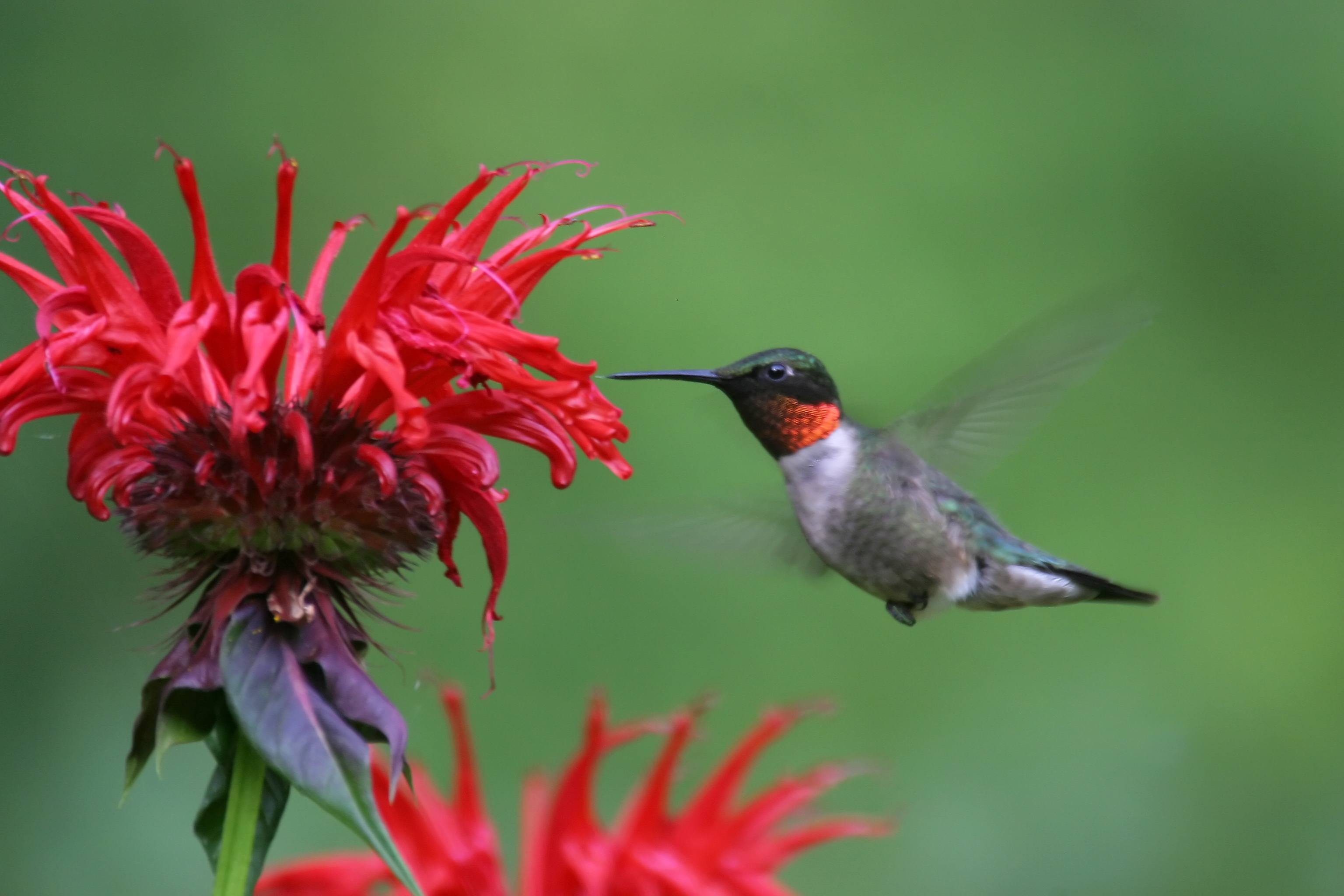
What type of symbiosis? Hummingbirds feed on nectar from flowers. The flowers are pollinated by hummingbirds as they move from flower to flower.
a)
commensalism
b)
mutualism
c)
parasitism
d)
predation
21.
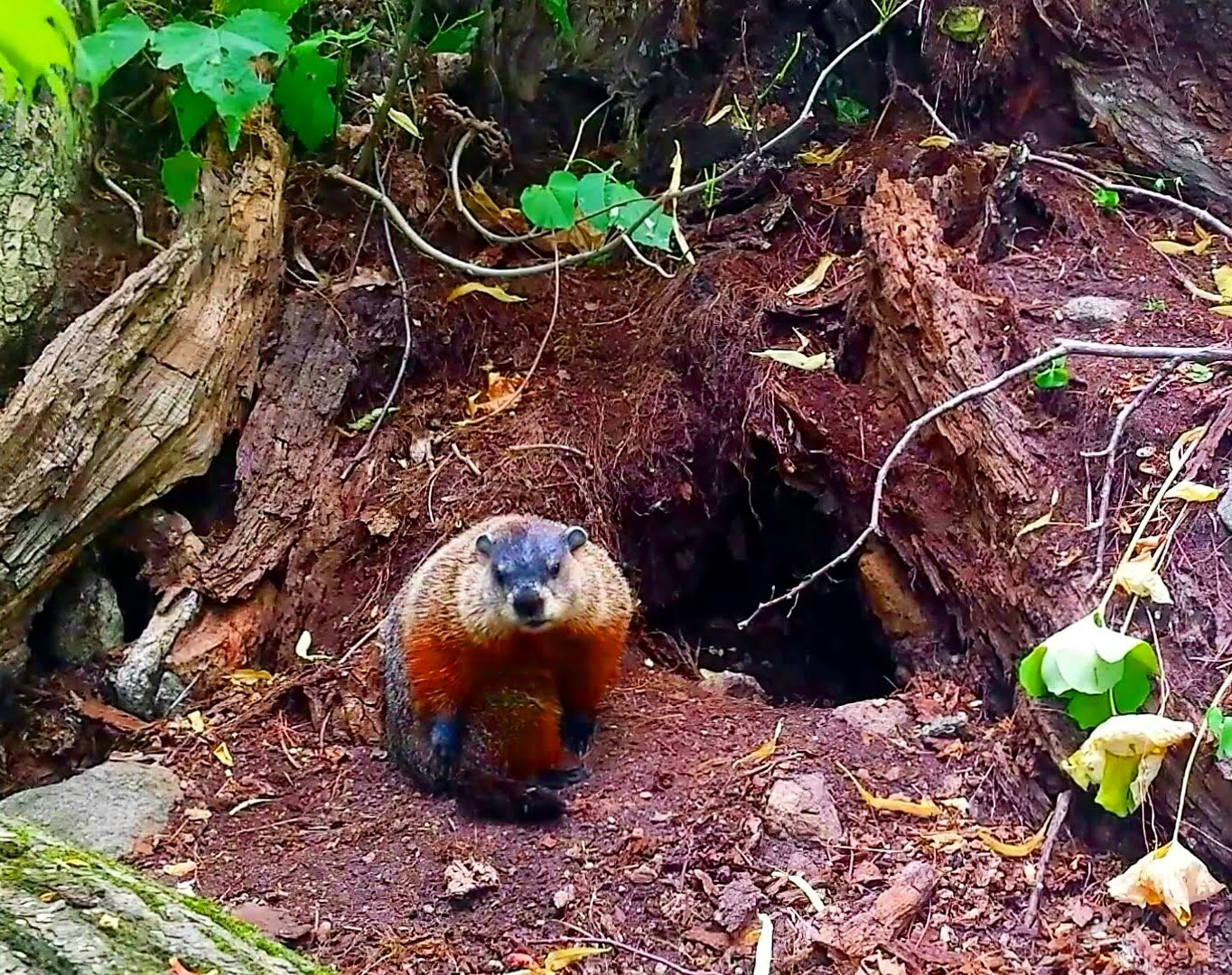
What type of symbiosis? Skunks often live in burrows that have been dug and abandoned by woodchucks.
a)
commensalism
b)
mutualism
c)
parasitism
d)
predation
22.
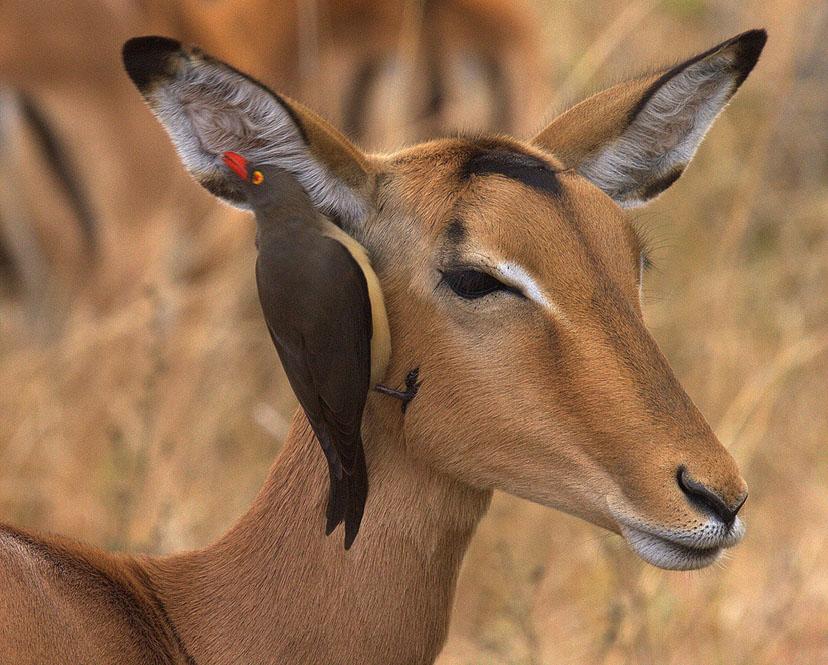
Red-billed oxpeckers are birds that often feed on parasites that infest impala. This is an example of _______.
a)
commensalism
b)
mutualism
c)
neutralism
d)
competition
23.

Aphids are tiny insects that live on and eat the leaves of plants, removing vital nutrients from the plants.
a)
Predation
b)
Parasitism
c)
Commensalism
d)
Mutualism
24.
Rabbits and sheep both graze on shrubs, grasses, and other plants. The increase in the population of rabbits in a region may result in a shortage of plants for sheep to graze upon. After the increase of rabbits the relationship between sheep and rabbits will be __________.
a)
Competition
b)
Predation
c)
Mutualism
d)
Parasitism
25.
An interaction among species where one organism hunts, kills, and eats another organism.
a)
Predation
b)
Cooperation
c)
Mutualism
d)
Parasitism
26.
The struggle between organisms to survive as they attempt to use the same resource
a)
Predator
b)
Prey
c)
Competition
d)
Adaptation
27.
If a hawk eats a snake, the snake is the...
a)
Predator
b)
Alpha
c)
Prey
d)
Mutualistic partner
28.

Which organism do the owl and the weasel compete for in the food web?
a)
Hawk
b)
Spider
c)
Grasshopper
d)
Shrew
29.

Which of the following is a herbivore?
a)
cricket
b)
frog
c)
hawk
d)
shrew
30.
What might happen if you remove a primary consumer from the ecosystem?
a)
There would be more food for secondary consumers.
b)
The number of primary consumers would increase.
c)
The number of plants would increase.
d)
The number of secondary consumers would increase.
31.

Which of the following would be the most likely effect, if there were a sudden increase in the cricket population?
a)
There would be a decrease in the small bird population.
b)
There would be a decrease in the grass/flowers population.
c)
There would be a decrease in the mice population.
d)
There would be an increase in the grass/flowers population.
32.

How many herbivores are in this web?
a)
1
b)
2
c)
3
d)
4
33.
Example of a decomposer
a)
fungus
b)
mouse
c)
plants
d)
frogs
34.
Humans are considered...
a)
consumers
b)
decomposers
c)
producers
35.
Grass is considered a ...
a)
consumer
b)
producer
c)
decomposer
36.
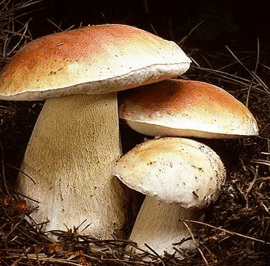
An organism that gets energy from breaking down dead organisms, non-living material or waste
a)
producer
b)
consumer
c)
decomposer
d)
autotroph
37.

The shrew provides energy for the _______?
a)
cricket
b)
grasshopper
c)
frog
d)
snake
38.
The arrows in a food chain or web represents what?
a)
They point to the organism that is being eaten.
b)
It shows how sunlight flows within an ecosystem.
c)
They show what direction the energy is flowing between organisms.
d)
They represent how water is transferred within a habitat.
39.

What is the role of decomposers in a food chain?
a)
Use sunlight to make food
b)
Eat other organisms to gain energy
c)
Make the food for the whole food chain
d)
Break down dead organisms and add nutrients to the soil
40.

Which of these organisms would receive energy from the snake?
a)
Plant
b)
Rabbit
c)
Mouse
d)
Hawk
41.

What is the carrying capacity of the following graph?
a)
1000
b)
8000
c)
800
d)
600
42.

When a population grows past the ecosystem's carrying capacity, what happens to the population?
a)
Continues to grow
b)
The population starts to die off to return to carrying capcity
c)
The population will go extinct due to lack of resources
d)
The population grows then finds a new carrying capacity
43.

If the amount of food or resources available increases, the carrying capacity for an animal:
a)
Stays the same
b)
Increases
c)
Decreases
d)
Fluctuates
44.

The parasitic wasp injects its larvae into caterpillars . Acid rain has destroyed the caterpillar population. What will happen to the wasp population?
a)
Stay the same
b)
Increase
c)
Decrease
45.

The largest number of individuals in a species that an environment can support long term
a)
carrying capacity
b)
emigration
c)
immigration
d)
population density
46.
Which of the following would INCREASE the carrying capacity of an ecosystem?
a)
increase in predators
b)
disease
c)
increase in available food
d)
drought
47.

Cats ONLY eat meat. They are ____.
a)
Carnivores
b)
Herbivores
c)
Omnivores
48.

Raccoons eat meat AND plants. They are ____.
a)
Carnivores
b)
Herbivores
c)
Omnivores
49.

One individual living thing
a)
Species
b)
Organism
c)
Population
d)
Community
50.

A group of ecosystems with the same climate and communities (desert, grassland, rainforest)
a)
Biosphere
b)
Ecosystem
c)
Biome
d)
Community
51.
Field mice eat corn. Which would most likely happen if the field mouse population grew?
a)
There would be more corn to feed the field mice.
b)
There would be less corn due to the mice eating it.
c)
The habitat would get overpopulated because the mice woudl eat too much.
52.
What would most likely happen if an ecosystem no longer received sunlight?
a)
The number of herbivores would increase
b)
The number of plants would increase
c)
all organisms would adapt
d)
All living organisms would eventually die
53.
All food chains_____________________
a)
have more consumers than producers
b)
produce and use same amount of energy
c)
begin with a producer
d)
are unhealthy
54.
A population of small fish and a population of small squids eat the same type of krill (a type of plant) in the same ecosystem. Krill is the main source of food for both the fish and squid. If the squid grows faster than the fish population, what will most likely happen to the fish population?
a)
The fish population will stay the same size.
b)
The fish population will start to grow faster.
c)
The fish population will get smaller or even die out.
d)
The fish population will start to eat more krill than the squids.
55.
Which of the following food chains shows the correct energy flow left to right?
a)
rabbit-coyote-grass
b)
grass-rabbit-coyote
c)
coyote-rabbit-grass
d)
grass-coyote-rabbit
56.
What is the relationship between the Sun, plants, and animals in a food web?
a)
The Sun provides energy for both plants and animals to make their own food.
b)
The Sun provides energy for plants to make their own food, and animals eat plants or other animals.
c)
The Sun provides light so animals can see which plants to eat.
d)
The Sun provides heat energy for animals to survive, but not plants.
57.
A pride of lions stalks, tackles, and kills an antelope. Which is best being demonstrated?
a)
predation
b)
mutualism
c)
cooperation
58.

The study of interactions in an ecosystem.
a)
ecology
b)
philosophy
c)
scientology
d)
biology
59.
Which statement is correct?
a)
A population is the same as a community
b)
A community is a group of populations
c)
A community is a part of a population
d)
A population is a group of communities
60.
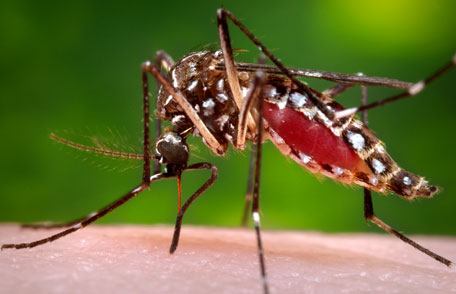
When a mosquito bites you, you are the __________ and the mosquito is the ____________.
a)
host, hostess
b)
parasite, host
c)
host, parasite
d)
prey, predator
100 %

