
 Worksheets
IPS Semester 2 Review Quiz
Total questions: 101
Worksheet time: 2hrs 45mins
Name
Class
Date
1.
What kind of properties can only be observed when a substance changes into a different substance?
a)
physical properties
b)
chemical properties
c)
liquid properties
d)
real properties
2.
Which of the following is a sign that a chemical reaction has occurred?
a)
change in shape
b)
melting
c)
formation of a gas
d)
dissolving
3.
Which of the following is NOT an example of a physical change?
a)
crumpled paper
b)
pencil sharpening
c)
shrunken clothing
d)
sour milk
4.
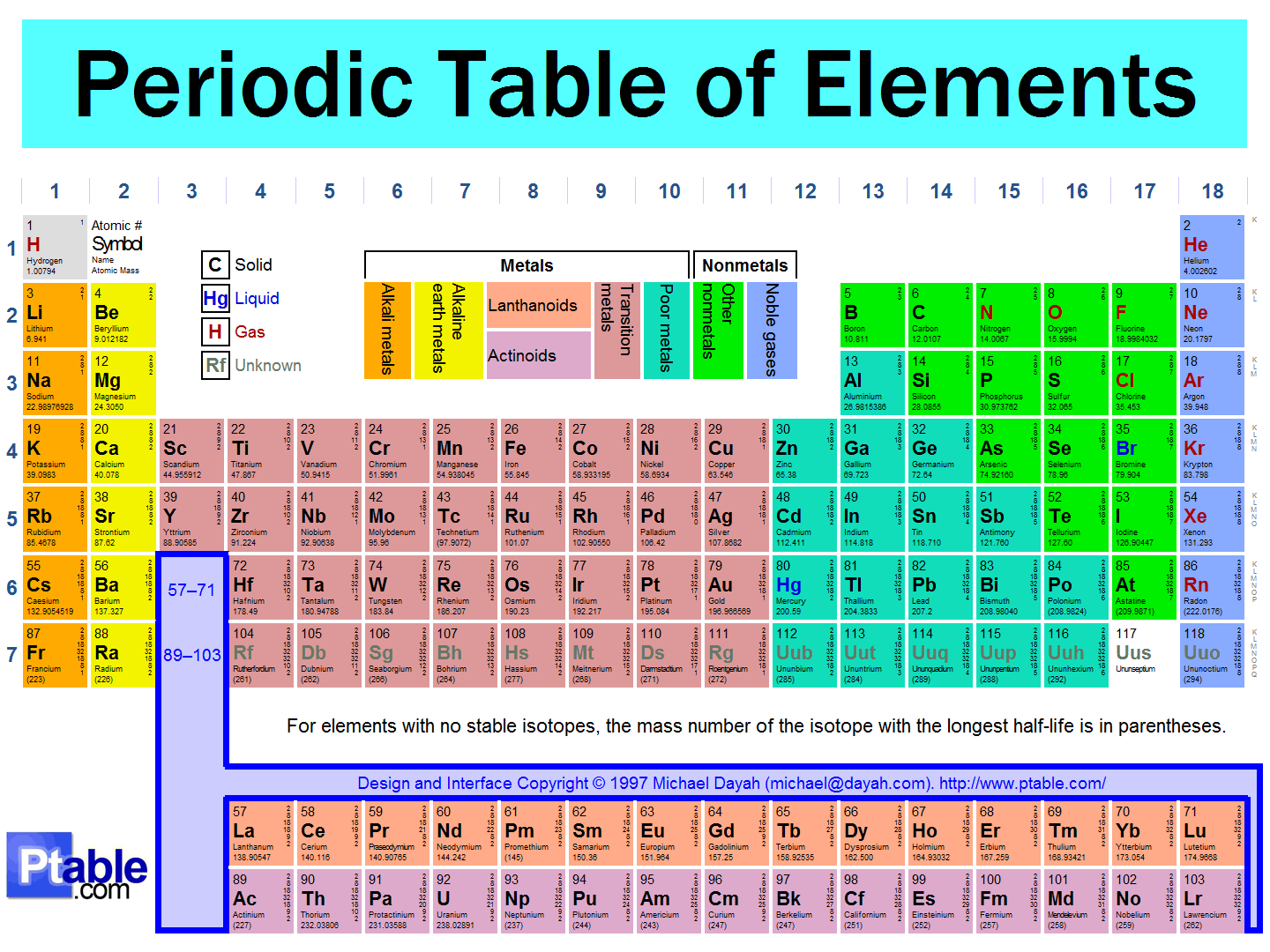
The horizontal row on the periodic table is called a
a)
group
b)
family
c)
period
d)
atomic number
5.
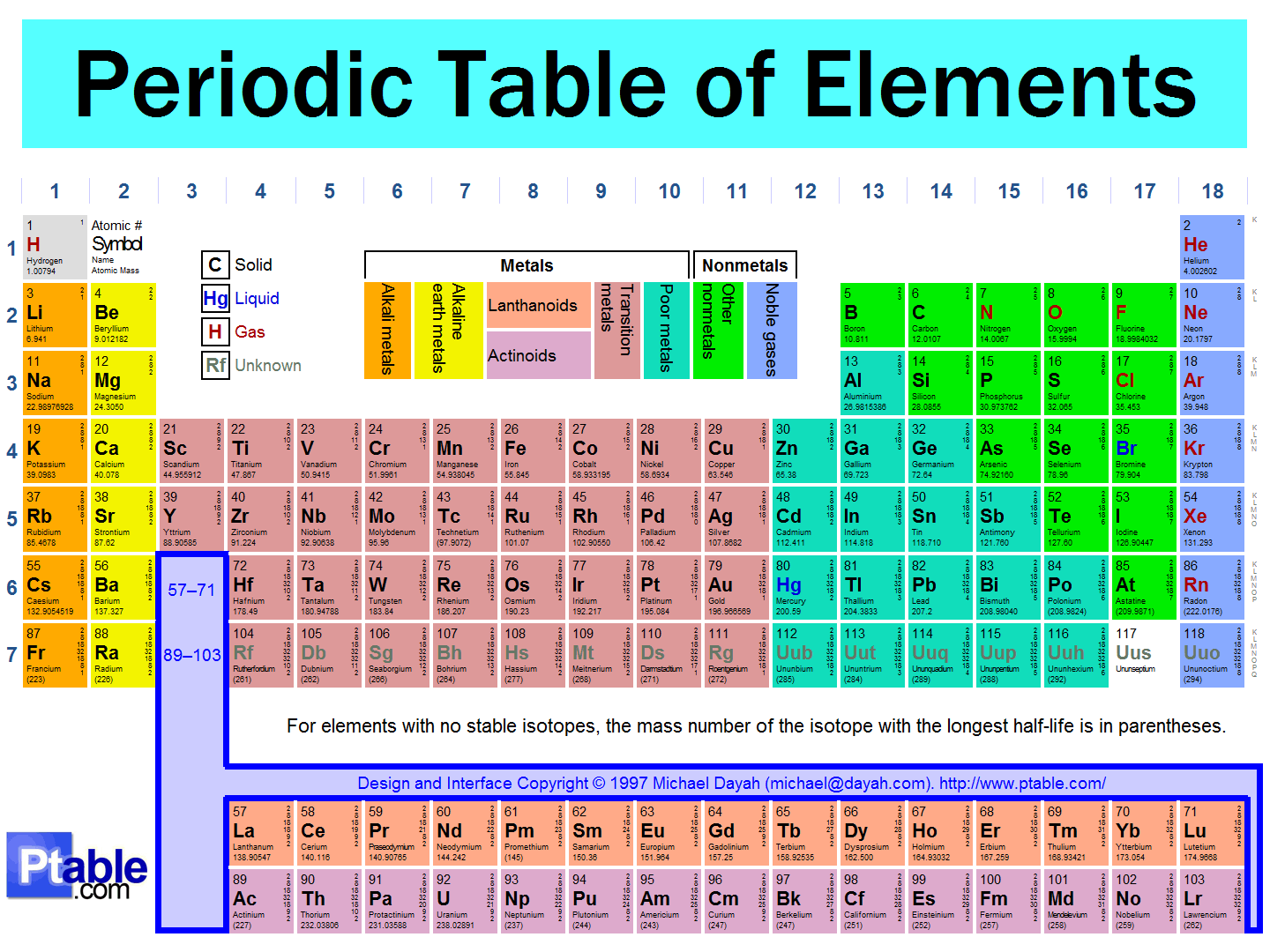
A vertical column is called...
a)
group
b)
tower
c)
period
d)
crew
6.
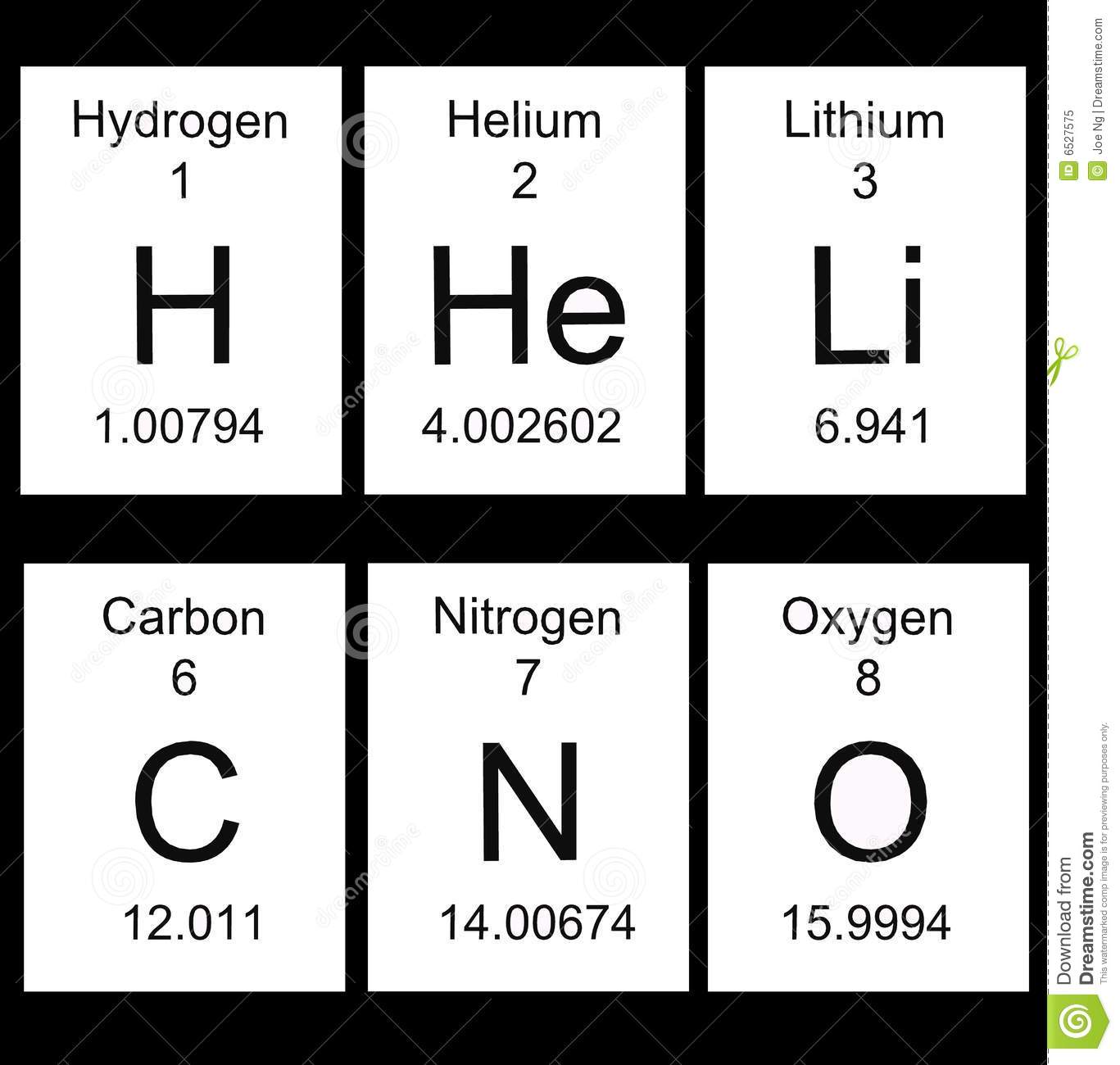
The number at the bottom of each square on the periodic table is the ...
a)
atomic number
b)
atomic mass
c)
chemical symbol
d)
element name
7.

A rule that states that repeating chemical and physical properties of elements change periodically with the atomic number of the elements is the _________.
a)
periodic law
b)
alkaline-earth metals
c)
actinide
d)
group rule
8.

Pure forms of these elements are stored in oil so they won't react with oxygen and water in the air.
a)
Alkali Metals
b)
Alkaline-earth metals
c)
Halogens
d)
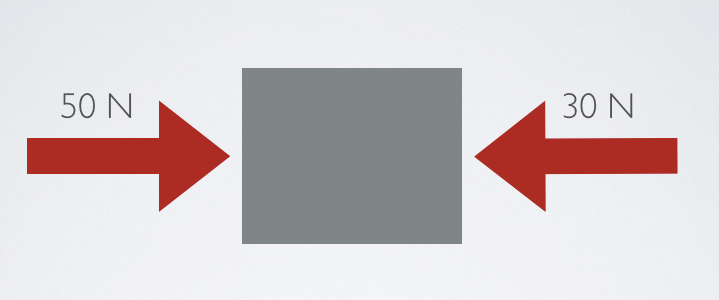
Noble Gases
9.

Most of the elements on the periodic table are classified as _____.
a)
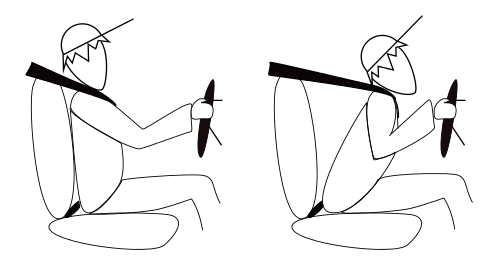
Metals
b)
Nonmetals
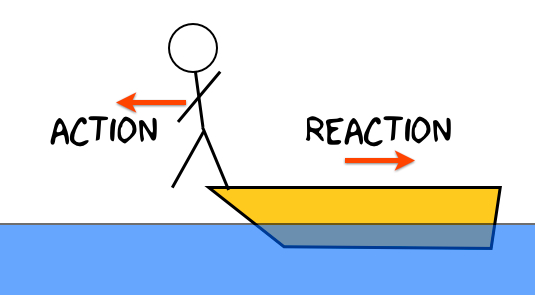
c)
Metalloids
d)
Periods
10.
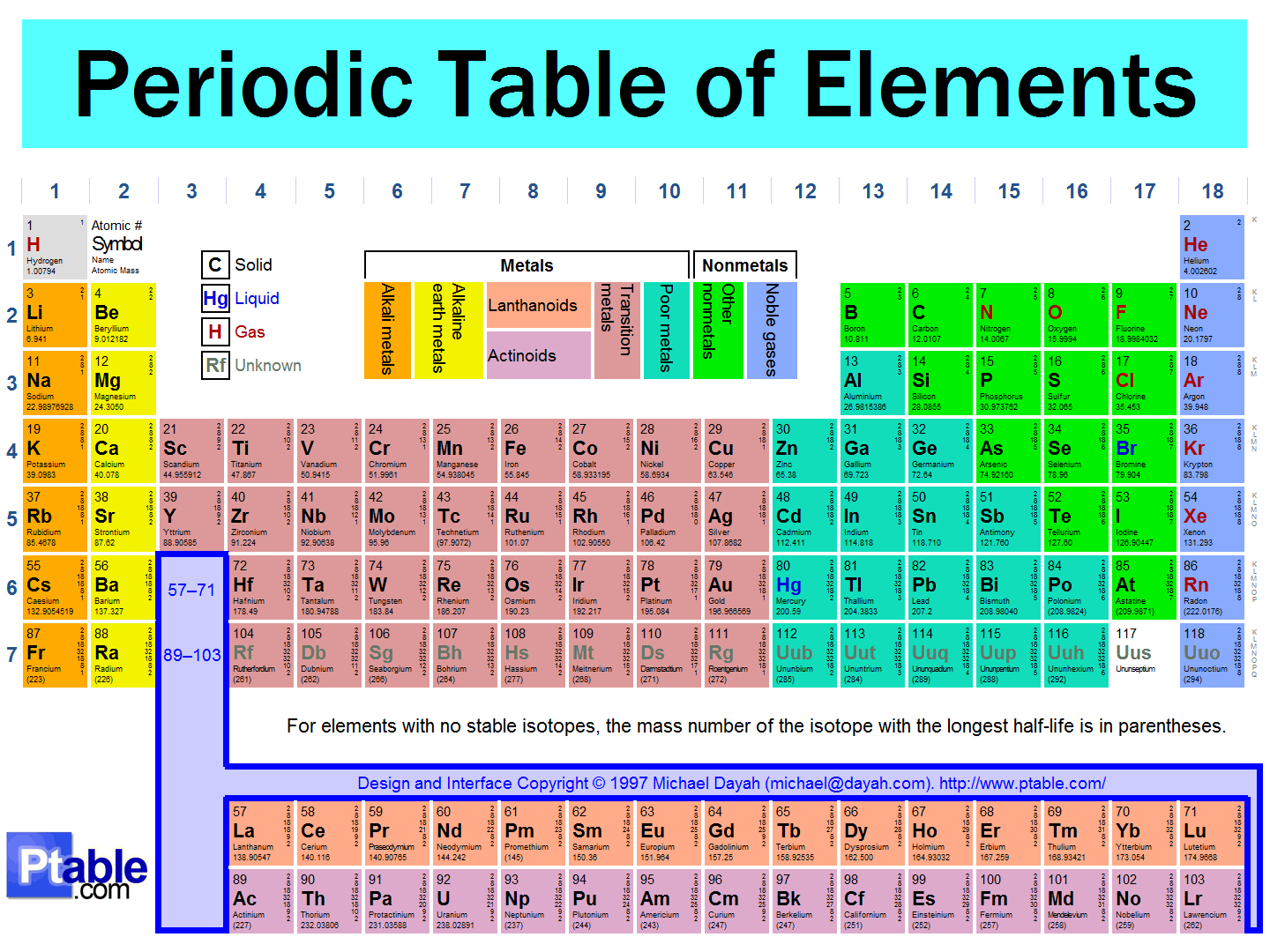
This class of elements are sometimes called "semiconductors."
a)
Metals
b)
Nonmetals
c)
Metalloids
d)
Groups
11.
The atomic number tells you what?
a)
number of electrons
b)
number of protons
c)
number of neutrons
d)
both electrons and protons in an atom.
12.
Which group of the periodic table is composed of inert (not reactive) gases?
a)
alkali metals
b)
alkaline earth metals
c)
halogens
d)
noble gases
13.
Elements which are shiny, conduct electricity and heat are called
a)
metal
b)
nonmetal
c)
metalloid
d)
nonexistent
14.

The atoms along the staircase are called
a)
metals
b)
nonmetals
c)
metalloids
d)
noble gases
15.
Which is a halogen?
a)
Helium
b)
Chlorine
c)
Oxygen
d)
Neptune
16.
Which is an alkali metal?
a)
Magnesium
b)
Iron
c)
Sodium
d)
Europium
17.
Elements in a ..................have similar chemical properties.
a)
period
b)
group
c)
row
18.
The simplest substance is..?
a)
Carbon
b)
An element
c)
Water
d)
A simple compound
19.
A proton is....
a)
A negatively charged subatomic particle
b)
A positively charged subatomic particle
c)
A neutrally charged subatomic particle
d)
The only subatomic particle located in the nucleus
20.
A neutron has a charge of
a)
+2
b)
No charge
c)
-1
d)
+1
21.
What do atoms that form positive ions tend to do?
a)
Tend to lose electrons
b)
Tend to lose protons
c)
Tend to gain electrons
d)
Tend to gain protons
22.
What usually forms the positive ion?
a)
Metal
b)
Non Metals
c)
None
23.
What usually forms the negative ion?
a)
nonmetals
b)
metal
c)
none
24.
What is a valence electron?
a)
an electron that is found in the outermost shell of an atom.
b)
an electron found in the innermost shell of an atom.
c)
an electron found in the middle shell.
25.
What is the number of valence electrons for Oxygen?
a)
8
b)
6
c)
2
d)
1
26.
What is the number of valence electrons for Beryillum?
a)
1
b)
4
c)
2
d)
7
27.
What is the number of valence electrons for Silicon?
a)
1
b)
2
c)
6
d)
4
28.

How many valence electrons in this structure?
a)
6
b)
5
c)
4
d)
7
29.
Is Hydrogen considered a metal or a non-metal?
a)
Metal
b)
Non-metal
30.

What is the name of this element?
a)
Helium
b)
Hydrogen
c)
Argon
d)
Silver
31.

What element is represented in this Bohr Model?
a)
Carbon
b)
Hydrogen
c)
Aluminum
d)
Lithium
32.

What is the name of this element?
a)
Lithium
b)
Boron
c)
Carbon
d)
Neon
33.

What is the mass number of this atom?
a)
1
b)
3
c)
4
d)
7
34.

What is the atomic number of this atom?
a)
2
b)
4
c)
6
d)
none of the above
35.

What group does this element belong to?
a)
Group 1: Alkali metals
b)
Group 18: Noble Gases
c)
Group 2: Alkaline-Earth Metals
d)
Group 17: Halogens
36.

How many valence electrons?
a)
2
b)
3
c)
5
d)
10
37.

What's a valence electron?
a)
electrons in the second energy level
b)
electrons in the outermost energy level
c)
the atomic number
d)
electrons in the first level
38.
The substances listed on the right side of a chemical equation are the
a)
Yields
b)
Reactants
c)
Products
d)
Precipitates
39.
CaCO3 represents a chemical
a)
Symbol
b)
Formula
c)
Subscript
d)
Reaction
40.
The substances listed on the left side of a chemical equation are the
a)
Products
b)
Coefficients
c)
Precipitates
d)
Reactants
41.
In chemical reactions, what does the principle of conservation of mass mean?
a)
Matter is not created or destroyed.
b)
The total mass of the reactants is greater than the total mass of the products.
c)
The total mass of the reactants is less than the total mass of the products.
d)
Matter is not changed.
42.
How many Oxygen (O) atoms are in 2C2HO8Cl2
a)
2
b)
16
c)
8
d)
5
43.
How many Hydrogen (H) atoms are in NH3O5
a)
3
b)
4
c)
5
d)
1
44.
A molecule is________
a)
a glob of gelatinous goo
b)
smaller than an atom
c)
filled with raisons
d)
more than one atom bonded together
45.
How many elements are in C6H12O6?
a)
1
b)
2
c)
3
d)
4
46.
Element or compound?
H2O
H2O
a)
element
b)
compound
47.
Element or compound?
O2
O2
a)
Element
b)
Compound
48.

The red numbers in the image below represent ________
a)
subscripts
b)
coefficients
c)
I don't know, and don't want to try
d)
None of the answers are correct
49.

The blue numbers in the image below represent ________
a)
I don't know, and don't want to try
b)
coefficients
c)
subscripts
d)
none of the answers are correct
50.
In the equation, 2Mg + O2 ---> 2MgO, which are the reactants?
a)
Mg and O
b)
MgO
c)
Mg and MgO
d)
O and MgO
51.
Is the following equation balanced or unbalanced?
Fe + S --> FeS
Fe + S --> FeS
a)
balanced
b)
unbalanced
52.
Is the equation balanced?: 2H2O + O2 --> 4MgO + 3Fe
a)
Yes
b)
No
53.
When balancing equations a ____ can be placed to the left of a formula of a substance to make the equations balanced
a)
charge
b)
subscript
c)
random number
d)
coefficient
54.
What type of reaction occurs between an element and a compound?
Zn + 2HCl --> ZnCl2 + H2
Zn + 2HCl --> ZnCl2 + H2
a)
Synthesis
b)
Decomposition
c)
Single Replacement
d)
Double Replacement
55.
What kind of reaction is this:
2H2 + O2 --> 2H2O
2H2 + O2 --> 2H2O
a)
Synthesis
b)
Decomposition
c)
Single Replacement
d)
Double Replacement
56.
What kind of reaction is this:
2H2O2 →2 H2O + O2
2H2O2 →2 H2O + O2
a)
Synthesis
b)
Decomposition
c)
Single Replacement
d)
Combustion
57.
What type of reaction is illustrated below?
2HI --> H2 + I2
2HI --> H2 + I2
a)
synthesis
b)
decomposition
c)
single replacement
d)
double replacement
58.
The symbol for specific heat is .......
a)
c
b)
Q
c)
m
d)
t
59.
What is the formula to calculate heat energy required to raise the temperature of any substance?
a)
Q=mc∆t
b)
Q=mc
c)
Q= ½mv
d)
m=QC
60.
The specific heat of aluminum is 0.21 cal/g°C. How much heat(Q) is released when a 10 g piece of aluminum foil is taken out of the oven and cools from 100° to 50°?
a)
105 J
b)
10.5 J
c)
1.05 J
61.
20 g of water. specific heat of water is 4.18 J/x°C. temperature changes from 25° C to 20° C, how much heat energy (Q) moves from the water to the surroundings?
a)
418 Joules
b)
209 J
c)
83 J
d)
4.18 J
62.
A material was cooled from 100ºC to 40ºC. What is the temperature change?
a)
60ºC
b)
40ºC
c)
-60ºC
d)
-40ºC
63.
What does temperature measure?
a)
Heat
b)
ºC
c)
Kinetic Energy
d)
Thermal Energy
64.
If the specific heat of water is 4,186 J/kg∙°C, how much heat is required to increase the temperature of 1.2 kg of water from 23 °C to 39 °C?
a)
-80,371.2
b)
44,938.6
c)
80,371.2
d)
112,575.9
65.
What is Specific Heat?
a)
The amount of thermal energy required to increase the temperature of 1kg of a material by 1°C.
b)
The amount of radiant energy required to increase the temperature of 1kgof a material by 1°C
c)
The amount of energy required to increase the temperature of 1kgof a material by 1°C.
d)
The amount of friction required to increase the temperature of 1kgof a material by 1°C.
66.
A reaction is performed in a beaker with a temperature probe recording the temperature changes of the reaction. If the temperature began at 15.0 degrees Celsius and ended at 27.5 degrees Celsius. If the reaction is our system, is the system endothermic or exothermic?
a)
Exothermic
b)
Endothermic
67.

What would be the effect on the particles if more heat is supplied to the system?
a)
They would slow down
b)
They would stop moving
c)
They would speed up
d)
There would be no effect
68.
In an endothermic reaction the system is releasing energy.
a)
True
b)
False
69.
In an exothermic process, the surroundings are are gaining energy.
a)
True
b)
False
70.
For an endothermic reaction, the heat is on the ____ side.
a)
reactant
b)
product
c)
either side
71.
For an exothermic reaction, the heat is on the ____ side
a)
reactant
b)
product
c)
either side
72.
The unit(s) for heat are?
a)
calories
b)
joules
c)
calories or joules
73.
____________ is the ability to cause change.
a)
Energy
b)
Force
c)
Friction
d)
Motion
74.
Energy due to motion is ____________ energy.
a)
Potential
b)
Energy
c)
Kinetic
d)
Friction
75.
The faster an object moves, the ________ kinetic energy it has.
a)
more
b)
less
c)
none of the above
d)
all of the above
76.
__________ is stored energy.
a)
Potential
b)
Kinetic
c)
None of the above
d)
All of the above
77.
Gravitational potential energy depends on the ________ and ________ of the object.
a)
Height and mass
b)
Friction and movement
c)
Mass and Movement
d)
Height and Friction
78.
Energy can not be created or destroyed, only converted from one form to another.
a)
true
b)
false
79.
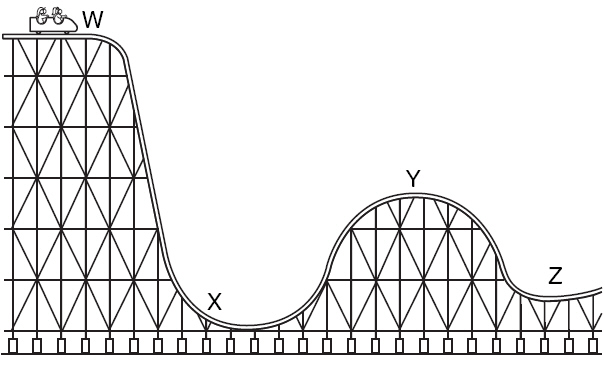
At which point is potential energy greatest?
a)
W
b)
X
c)
Y
d)
Z
80.

At which point is kinetic energy greatest?
a)
W
b)
X
c)
Y
d)
Z
81.
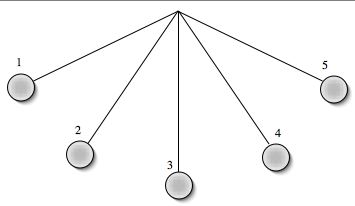
When a pendulum swings, at which point is kinetic energy highest?
a)
1
b)
2
c)
3
d)
4
82.
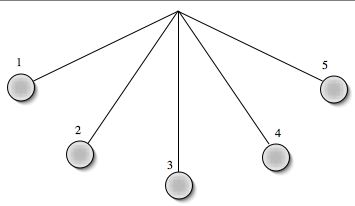
When a pendulum swings, at which point is potential energy at its greatest?
a)
1
b)
2
c)
3
d)
4
83.
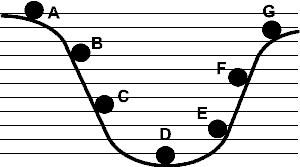
Which point has the most potential energy?
a)
G
b)
f
c)
b
d)
a
84.

What is the net force?
a)
40 N left
b)
0 N Balalnced
c)
400 N right
d)
40 N right
85.

How will this object move?
a)
It won't move.
b)
It will move to the right.
c)
It will move to the left.
d)
It will move in both directions.
86.
How will this object move?
a)
It won't move.
b)
It will move to the right.
c)
It will move to the left.
d)
It will move up.
87.

What is the net force?
a)
30 N left
b)
25 N right
c)
5 N left
d)
55 N right
88.
The sum of all forces acting on an object and direction
a)
Contact Force
b)
Balanced Force
c)
Unbalanced Force
d)
Net Force
89.
Which force produces a change in motion?
a)
unbalanced force
b)
balanced force
c)
gravitational force
d)
frictional force
90.
What is Newton's First Law known as? The Law of
a)
Friction
b)
Mass
c)
Inertia
d)
Gravity
91.
Which has more Inertia? (so need more force to move)
a)
Truck
b)
Ant
c)
A cat
d)
A skateboard
92.
What is the formula for force?
a)
F=M/A
b)
F=MA
c)
F=AX
d)
what is force?
93.
What is Newton's Third Law?
a)
Object in motion stays in motion and an object at rest stays at rest unless acted on by a outside force
b)
Force = mass x acceleration
c)
For every action there is an equal and opposite reaction
94.
According to Newton's second law, if you increase the force applied to an object :
a)
it accelerates more
b)
it doesn't move
c)
you get more inertia
d)
it decelerates
95.
What law of motion does this picture represent?
a)
Newtons 1st law
b)
Newtons 4th law
c)
Newtons 3rd law
d)
Newtons 2nd law
96.
What Newtons law does this picture represent
a)
Newtons 2nd law
b)
Law of gravity
c)
Newtons 1st law
d)
Newtons 5th law
97.

What law of motion does this picture represent?
a)
Newtons 3rd law
b)
Newtons 4th law
c)
Newtons 1st law
d)
Newtons 2nd law
98.
Forces always act in equal and opposite pairs.
a)
Newton's 1st Law
b)
Newton's 3rd Law
c)
Newton's second law
99.
An empty truck and a fully loaded truck are next to each other at a traffic light. When the light turns green, the lighter truck increases speed more quickly. Which of these best explains this situations
a)
Newton's first law
b)
Newton's second law
c)
Newton's third law
d)
Conservation of momentum
100.
Newton's first law of motion states that __________.
a)
when a force is applied on an object, there is an equal force applied by the object in the opposite direction
b)
hen a force acts on an object, its acceleration is in the same direction as the force
c)
an object will remain at rest or keep moving with a constant velocity unless a force acts on it
d)
cceleration is calculated by dividing the force exerted on an object by the mass of the object
101.
Which statement describes a vector?
a)
It has magnitude but no direction
b)
It has direction but no magnitude
c)
It has both direction and magnitude
d)
It has constant magnitude but no
direction
direction
100 %

