wayground logo

Free Printable Worksheets

Font size

S
M
L
XL
Worksheets

Unit 4---End review

Total questions: 101

Worksheet time: 1hrs 10mins

Name
Class
Date
1.
The main purpose of the ____________ system is to break food particles into pieces that can be used.
a)
circulatory
b)
respiratory
c)
digestive
d)
skeletal
2.
What is responsible for delivering oxygen and removing carbon dioxide from the body?
a)
cell nucleus
b)
excretory system
c)
nervous tissue
d)
respiratory system
3.
The __________ is the main organ of the nervous system.
a)
heart
b)
lungs
c)
brain
d)
skin
4.
The __________ is the main organ of the nervous system.
a)
heart
b)
lungs
c)
brain
d)
skin
5.
___________ are the building blocks of life.
a)
cells
b)
legos
c)
blocks
d)
blood
6.
In multicellular organisms, tissues are comprised of _______.
a)
organs
b)
systems
c)
cells
d)
blood
7.
When tissues come together, they form ___________.
a)
cells
b)
atoms
c)
organs
d)
systems
8.
Which of the following shows the levels of organization of an organism from LEAST to MOST complex.
a)
cells-tissues-systems-organs
b)
organs-cells-systems-tissues
c)
systems-organs-tissues-cells
d)
cells-tissues-organs-systems
9.
The skin is the major organ in which system?
a)
Integumentary
b)
Muscular
c)
Endocrine
d)
Immune
10.
The skin is the major organ in which system?
a)
Integumentary
b)
Muscular
c)
Endocrine
d)
Immune
11.
Gas exchange between the blood and the outside occurs in which system?
a)
Respiratory
b)
Circulatory
c)
Lymphatic
d)
Integumentary
12.
Which system uses hormones to regulate body activities?
a)
Integumentary
b)
Urinary
c)
Endocrine
d)
Immune
13.
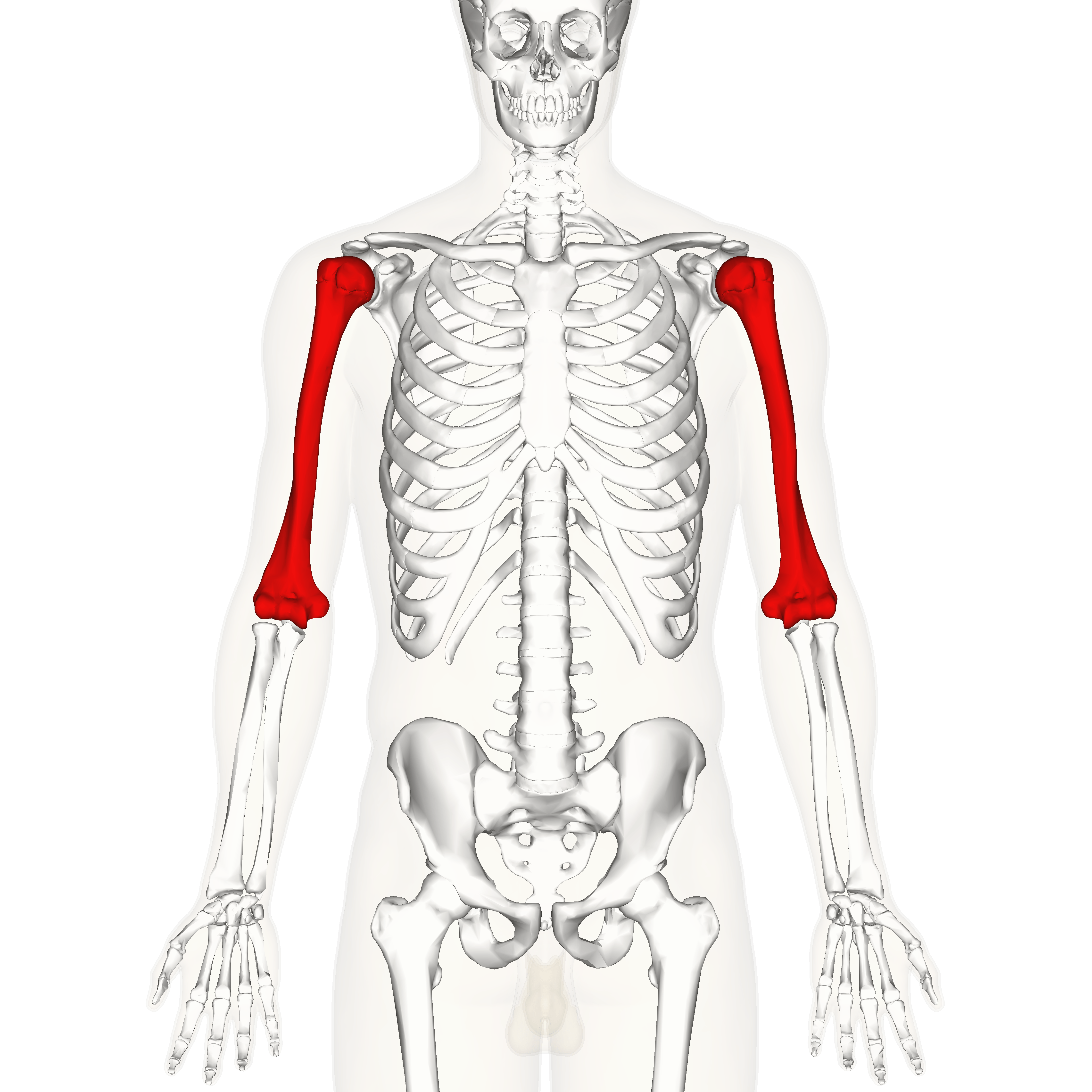
The humerus is part of this system?
a)
Muscular
b)
Reproductive
c)
Skeletal
d)
Nervous
14.
This system carries oxygen, nutrients and waste around the body.
a)
Lymphatic
b)
Urinary
c)
Respiratory
d)
Circulatory
15.
This system carries oxygen, nutrients and waste around the body.
a)
Lymphatic
b)
Urinary
c)
Respiratory
d)
Circulatory
16.
What is the main function of the respiratory system?
a)
to provide oxygen and remove carbon dioxide from the body
b)
to bring oxygen to the body
c)
to break down food and absorb nutrients
d)
to remove oxygen from the body and deliver carbon dioxide
17.
What is the function of the digestive system?
a)
to break down and absorb nutrients
b)
to support and protect our bodies
c)
to produce vitamin D
d)
to help us move
18.
What function does the heart do?
a)
Protects organs and produces red blood cells.
b)
Generates heat.
c)
Breaks down food into nutrients.
d)
The heart is a pump, which moves the blood. The arteries and veins are the pipes where the blood flows.
19.
What body system consists of the lungs
a)
Respiratory
b)
Circulatory
c)
Muscular
d)
Skeletal
20.
What body system consists of the kidneys?
a)
Circulatory
b)
Excretory
c)
Digestive
d)
Muscular
21.
What body system consists of the heart?
a)
Excretory
b)
Digestive
c)
Circulatory
d)
Respiratory
22.
The food I eat goes down my esophagus to my __________.
a)
Bladder
b)
Kidney
c)
Stomach
d)
Big Toe
23.
My _______ are special organs that filter waste out of my blood. 
a)
Pancrease
b)
Esophogus
c)
Bladder
d)
Kidneys
24.
Your skin and hair are parts of your ___________
a)
endocrine system
b)
excretory system
c)
lymphatic system
d)
integumentary system
25.
The brain and spinal cord belong to what system?
a)
Lymphatic System
b)
Circulatory System
c)
Nervous System
d)
Reproductive System
26.
Glands, Pituitary and thyroid belong to what system?
a)
Endocrine System
b)
Excretory System
c)
Reproductive System
d)
Skeletal System
27.
The mouth, esophagus and large intestine belong to what system?
a)
Nervous System
b)
Digestive System 
c)
Integumentary System
d)
Lymphatic System 
28.
My spinal cord helps _________ travel between my brain and the nerves in my body. 
a)
Memories
b)
Blood
c)
Waste
d)
Messages
29.
a body system made up of bones, joints, and connective tissue
a)
Muscular System
b)
Skeletal System
c)
Circulatory System
d)
Endocrine System
30.
Which best compares the respiratory system to the circulatory system?
a)
The respiratory system transports oxygen to cells, while the circulatory system provides oxygen for cells.
b)
The respiratory system provides oxygen for cells, while the circulatory system transports oxygen to cells.
c)
The respiratory system breaks down food for cell energy, while the circulatory system rids the body of waste.
d)
The respiratory system rids the body of waste, while the circulatory system breaks down food for cell energy.
31.
Which two human body systems are most responsible for getting oxygen to cells?
a)
digestive and skeletal
b)
skeletal and circulatory
c)
circulatory and respiratory
d)
respiratory and digestive
32.
The brain and spinal cord belong to what system?
a)
Lymphatic System
b)
Circulatory System
c)
Nervous System
d)
Reproductive System
33.
List the levels of organization in the human body in order from least complex to most complex…
a)
Tissues, cells, organ systems, organs, and organism
b)
Cells, tissues, organ systems, organs, and organism
c)
Cells, tissues, organs, organism, and organ systems
d)
Cells, tissues, organs, organ systems, and organism
34.
How does the muscular system depend on the nervous system?
a)
The nervous system transports blood to the muscles.
b)
The nervous system provides support for the muscles.
c)
The nervous system supplies food and oxygen to the muscles.
d)
The nervous system sends signals to the muscles to cause movement.
35.
What body systems work together to help food get to your stomach?
a)
Immune & Circulatory
b)
Digestive & Muscular
c)
Muscular & Respiratory
d)
Digestive & Cardiovascular
36.
What are two body systems that work together to deliver nutrients to your cells?
a)
Digestive and excretory
b)
Excretory and circulatory
c)
Circulatory and digestive
d)
Phineas and Ferb
37.
Name this protist?
a)
Euglena 
b)
Amoeba 
c)
Paramecium 
d)
Volvox
38.
Name this protist?
a)
Volvox
b)
Euglena 
c)
Amoeba 
d)
Paramecium 
39.
Name this protist?
a)
Paramecium 
b)
Amoeba 
c)
Volvox
d)
Euglena 
40.
Name this protist?
a)
Amoeba
b)
Euglena
c)
Paramecium 
d)
Volvox
41.
How does this protist move? 
a)
Pseudopods 
b)
Cilia 
c)
Flagellum
42.
How does this protist move? 
a)
Flagellum
b)
Cilia 
c)
Pseudopods
43.
How does this protist move?
a)
Cilia 
b)
Flagellum
c)
It just floats about
d)
Pseudopods
44.
How does this protist move? 
a)
Cilia
b)
Pseudopods
c)
Flagellum 
45.

Which protist has an eyespot?

a)

Amoeba

b)

Cilia

c)

Euglena

d)

Paramecium

46.
Fine hairs that allow protist to move is called what? 
a)
Pseudopods 
b)
Euglena 
c)
Flagella 
d)
Cilia 
47.
What are the finger like projections called? 
a)
Flagella 
b)
Cilia 
c)
Pseudopods
d)
Veela 
48.
Which of the following is true ALL organisms in the protist kingdom?
a)
They are multicellular
b)
They live in moist environments
c)
They move using cilia
d)
They move using flagella
49.
What is the name of the structure shown in the model?
a)
cilia
b)
flagella
c)
amoeba
d)
pseudopod 
50.
Which of the following is the best model for cilia?
a)
A
b)
B
c)
C
d)
D
51.
A pseudopod literally means...
a)
small hair
b)
long tail
c)
no nucleus
d)
false foot
52.
What organism uses the pseudopod for both movement and capturing its food?
a)
amoeba
b)
paramecium
c)
volvox
d)
pretzel mold
53.
What is Cilia?
a)
A tail like structure that help protist move
b)
Hair like fibers that help protist move
c)
A place where spores are kept
d)
A fake foot that help protist move
54.

Which 2 types of protists can be considered plant like and animal like?

a)

Volvox and Amoeba

b)

Amoeba and Euglena

c)

Euglena and Volvox

55.

Iron : Straighten

as

_____ : Movement

a)

Eyespot

b)

Flagella

c)

Protist

d)

Eukryote

56.

Which protist has cilia?

a)

Euglena

b)

Paramecium

c)

Amoeba

d)

Volvox

57.

Cilia is used for

a)

capturing food and finding sunlight

b)

finding sunlight and movement

c)

movement and capturing food

d)

I'm not sure because I don't have any

58.

"It's fun to stay at the _________"

a)

YCMA

b)

YMCA

c)

MCYA

d)

AYCM

59.

Animals have _____ cells.

a)

no

b)

10 trillion

c)

prokaryotic

d)

eukaryotic

60.

_________ make proteins for the cell.

a)

mitochondria

b)

ribosomes

c)

Monster Drinks

d)

golgi bodies

61.

Cell walls and chloroplast are only contained in ____ cells.

a)

plant

b)

prokaryotic

c)

animal

d)

human

62.
Short hair like appendages used by microorganisms for motion are called ______________.
a)
cilia
b)
falgella
c)
pseudopods
d)
eye spots
63.
 An organelle of the protist Euglena that it uses to detect light and produce food is called___________________.
a)
flagella
b)
cilia
c)
pseudopod
d)
eyespot
64.
 An organelle of the protist Euglena that it uses to detect light and produce food is called___________________.
a)
flagella
b)
cilia
c)
pseudopod
d)
eyespot
65.
 A paramecium is an example of
a)
a single-celled organism
b)
multiple organisms.
c)
an inorganic substance
d)
a group of cells.
66.
The illustrations below are of a euglena, a paramecium, and an amoeba.  
 How do these organisms compare?  
a)
They use different structures for movement
b)
They use different structures to control cell activity.
c)
They all make their own food by photosynthesis
d)
They all have eyespots to sense sunlight
67.
What is the main function of the cell wall in a plant cell?
a)
to protect against disease
b)
to give structural support
c)
to contain the parts of the cell
d)
to help with cell division
68.
Which function makes a plant cell different from an animal cell?
a)
ability to convert sunlight into energy
b)
ability to divide into two cells
c)
ability to absorb nutrients
d)
ability to use energy
69.
The basic units of structure and function for both plants and animals are
a)
cells
b)
systems
c)
organs
d)
tissues
70.
Which of the following allows materials to enter and leave a cell?
a)
cell wall
b)
vacuole
c)
cell membrane
d)
mitochondria
71.
Which of these could only be found inside a plant cell?
a)
nucleus
b)
mitochondria
c)
cytoplasm
d)
chloroplasts
72.
Which organelle directs all activities of the cell?
a)
directoria
b)
nucleus
c)
brain
d)
chloroplast
73.
Which is a basic structure found in all living organisms?
a)
heart
b)
element
c)
organ
d)
cell
74.
 Organisms that are classified as multicellular must have
a)
only one cell.
b)
more than one cell
c)
large cells.
d)
identical cells
75.
What two colors are the cat's hat in "The Cat in the Hat"?
a)
Red and White
b)
Red and Blue
c)
Blue and White
d)
White and Black
76.
How many days are in August?
a)
28
b)
30
c)
31
d)
912
77.
What social media logo is this?
a)
Snapchat
b)
Flickr
c)
Twitter
d)
Yik Yak
78.
You've been bullied into doing a 10km run by your friends. you use one last burst off energy to overtake the person of the 56th position. Which position are you now in?
a)
1st
b)
56th
c)
57th
d)
58th
79.
What is the cell organelle that forms the outer boundary of a cell and allows certain materials to move into and out of a cell?
a)
nucleus
b)
cell membrane
c)
cell wall
d)
cell barrier
80.
What is the cell organelle that is a gel-like material inside the cell that contains water and nutrients?
a)
rough ER
b)
smooth ER
c)
ribosomes
d)
cytoplasm
81.
What is the cell organelle that directs the activity of a cell that contains chromosomes with DNA?
a)
nucleolus
b)
nucleus
c)
ribosomes
d)
golgi body
82.
What is the cell organelle that breaks down food and releases energy to the cell?
a)
nucleus
b)
mitochondria
c)
chloroplast
d)
ribosome
83.
What is the cell organelle that is a storage area for the cell?
a)
golgi body
b)
smooth ER
c)
ribosome
d)
vacuole
84.
What is the cell organelle that provides structure to the outside of a PLANT cell?
a)
cell wall
b)
cell membrane
c)
nucleus
d)
nuclear membrane
85.
What is the cell organelle that contains chlorophyll and makes food for a PLANT cell?
a)
chlorophyll
b)
chloroplast
c)
vacuole
d)
mitochondria
86.
Letter C represents what cell part?
a)
nucleus
b)
nucleolus
c)
nuclear membrane
d)
cytoplasm
87.
Letter A represents what cell part?
a)
nucleus
b)
nucleolus
c)
nuclear membrane
d)
cytoplasm
88.
Letter D represents which cell organelle?
a)
smooth ER
b)
rough ER
c)
golgi body
d)
vacuole
89.
Letter M represents which cell organelle?
a)
cell wall
b)
cell membrane
c)
cytoplasm
d)
mitochondria
90.
Which organelle belongs in plant cells only?
a)
Cell Membrane
b)
Mitochondrion
c)
Chloroplast
d)
Nucleus
91.
Which organelle belongs in plant cells only?
a)
Cytoplasm
b)
Mitochondrion
c)
Cell Wall
d)
Nucleus
92.
Which organelle belongs in both plant and animal cells?
a)
Chloroplast
b)
Mitochondrion
c)
Large Central Vacuole
d)
Cell Wall
93.
What organelle is called the "powerhouse" of a cell?

a)
Endoplasmic Reticulum
b)
Nucleus
c)
Mitochondria
d)
Nucleolus
94.
What type of cell does not have a defined nucleus or membrane bound organelles.
a)

Animal Cell

b)
Prokaryote
c)
Eukaryote
d)

Plant Cell

95.
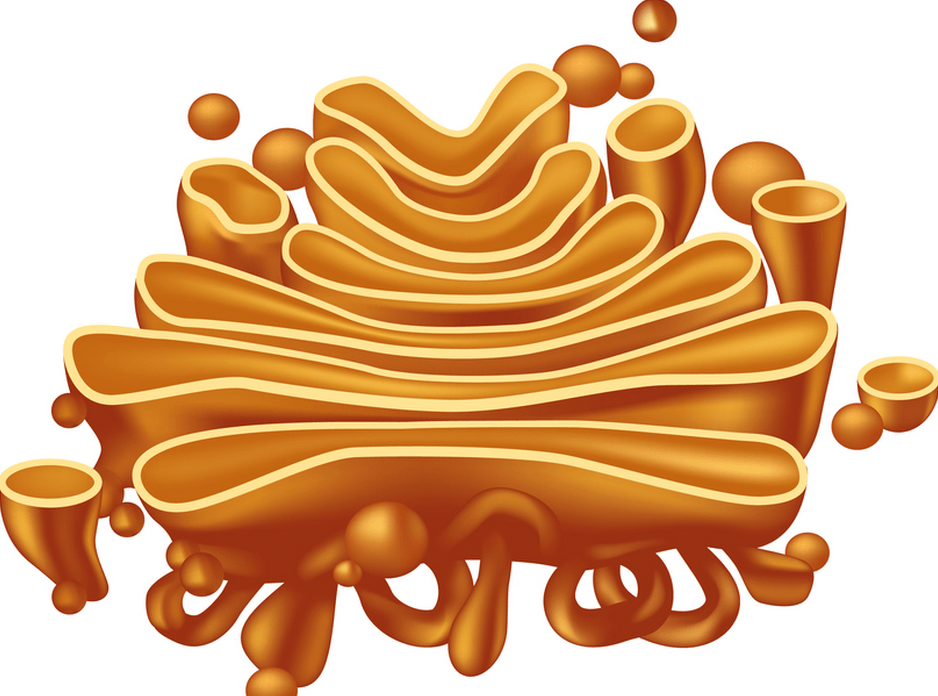
I am a protein packaging and shipping machine! Who am I?
a)
vacuole
b)
ribosome
c)
mitochondrion
d)
golgi apparatus
96.
What is found in both plant and animal cells but is much larger in plant cells?
a)
Nucleus
b)
Mitochondria
c)
Chloroplast
d)
Vacuole
97.
Where are proteins made?
a)
Golgi body
b)
Mitoichondria
c)
Chromosomes
d)
Ribosomes
98.
This organelle takes food and turns it into ENERGY for plant and animal cells.
a)
Chloroplast
b)
Mitochondria
c)
Lysosome
d)
Ribosome
99.
What is the gel-like substance inside of cells called?

a)
photoplasm
b)
photosynthesis
c)
cytoskeleton
d)
cytoplasm
100.
The ___________ is the basic unit of life
a)
organ
b)
cell
c)
atom
d)
tissue
101.

If Peter Piper picked a peck of Pickle Peppers, how many Pickle peppers did Peter Piper pick?

a)

a bushel

b)

huh?

c)

a peck

d)

12