
 Worksheets
M/J Physical Science EOC Review
Total questions: 133
Worksheet time: 2hrs 57mins
Name
Class
Date
1.
What is a PUSH or PULL of an object?
a)
Motion
b)
Force
c)
Friction
d)
Gravity
2.
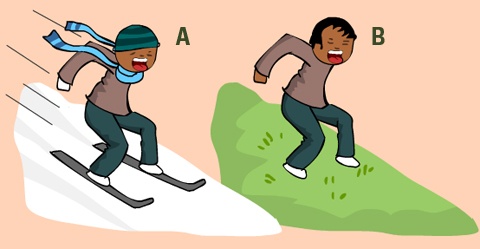
Why is it harder for the boy in Image B to get down the hill?
a)
Motion
b)
Friction
c)
Work
d)
Displacement
3.
Which force produces a change in motion?
a)
unbalanced force
b)
balanced force
c)
gravitational force
d)
frictional force
4.
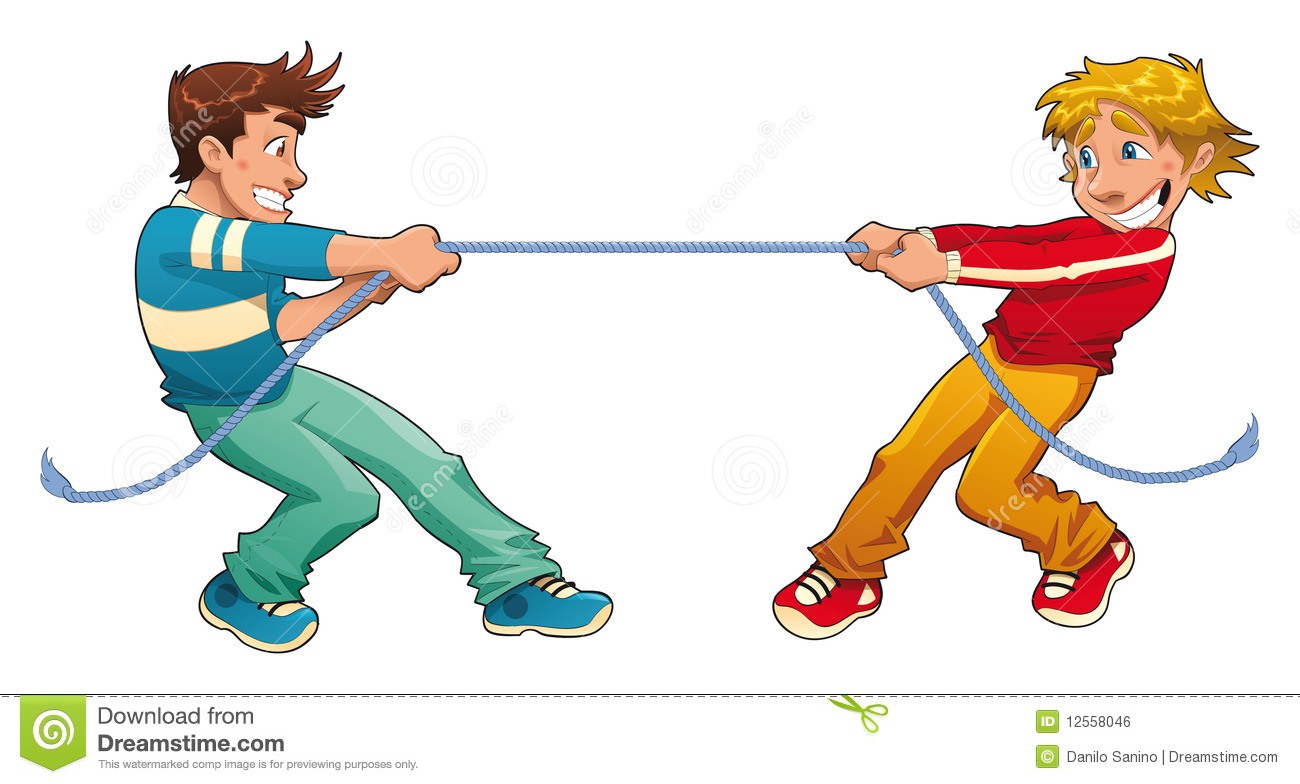
If these boys are pulling with the same amount of force. What will happen?
a)
The boy in blue will win.
b)
They will not move at all.
c)
The boy in red will win.
d)
Both will fall down.
5.
_______________ is how fast an object changes over time.
a)
speed
b)
velocity
c)
momentum
d)
acceleration
6.
What happens when two forces act in the same direction?
a)
They cancel each other out.
b)
The stronger one prevails.
c)
Their strengths are added.
d)
Their sum divided by the two is the total force.
7.
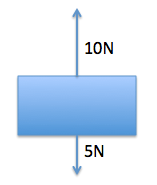
What is the net force on the block? (click on the words to view the picture)
a)
5 Newtons up
b)
5 Newtons down
c)
15 Newtons up
d)
15 Newtons down
8.
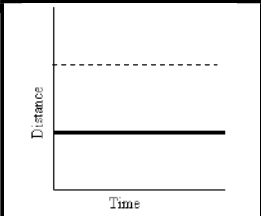
What does this graph represent?
a)
Constant speed
b)
Acceleration
c)
Not moving
9.
How is gravity affected by mass?
a)
the larger the mass of the object, the greater the gravity
b)
small objects have no gravity
c)
gravity is not affected by mass of objects, whether large or small
10.
What is the difference between mass and weight?
a)
mass is how much matter is in an object, and weight is the gravitational pull on that object
b)
mass and weight are the same
c)
weight affects how much mass is in an object
d)
weight is determined by how many atoms make up an object
11.
What is motion?
a)
It's like the ocean
b)
Any change in an animal or person's position.
c)
Motion is like acting
d)
Any change in an object or person's position.
12.
What pulls a ball back to earth?
a)
Gas
b)
Gravity
c)
Friction
d)
Molecules
13.

The picture of the position vs. time graph shows an object that is...
a)
accelerating/speeding up
b)
moving at a constant speed
c)
not moving
d)
accelerating/slowing down.
14.

This graph shows
a)
An object stopped
b)
An object slowing down
c)
An object speeding up
d)
An object moving at constant speed
15.

This graph shows
a)
An object stopped
b)
An object slowing down
c)
An object speeding up
d)
An object moving at constant speed
16.
Speed is equal to
a)
Distance/Time
b)
Time/Distance
c)
Time x Distance
d)
Acceleration
17.

This graph shows
a)
An object speeding up
b)
An object stopped
c)
An object speeding up
d)
An object slowing down
18.
Energy due to motion is ____________ energy.
a)
Potential
b)
Energy
c)
Kinetic
d)
Friction
19.
The faster an object moves, the ________ kinetic energy it has.
a)
more
b)
less
c)
none of the above
d)
all of the above
20.
__________ is stored energy.
a)
Potential
b)
Kinetic
c)
None of the above
d)
All of the above
21.
Gravitational potential energy depends on the ________ and ________ of the object.
a)
Height and mass
b)
Friction and movement
c)
Mass and Movement
d)
Height and Friction
22.

What kind of energy is in a rock at the edge of a cliff?
a)
Potential
b)
Kinetic
23.

What kind of energy is in a moving skateboard?
a)
Potential
b)
Kinetic
24.

What kind of energy is in a person climbing a ladder?
a)
Potential
b)
Kinetic
c)
Both
25.
Energy can not be created or destroyed, only converted from one form to another.
a)
true
b)
false
26.
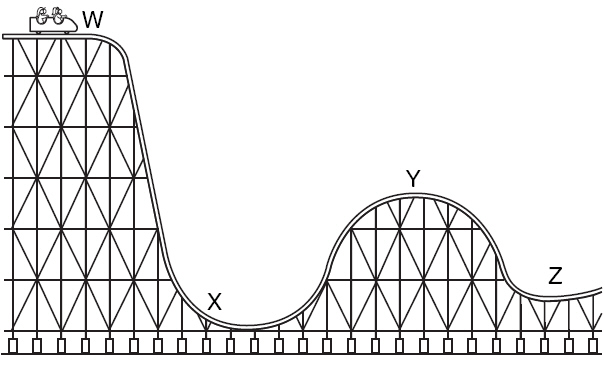
At which point is potential energy greatest?
a)
W
b)
X
c)
Y
d)
Z
27.

At which point is kinetic energy greatest?
a)
W
b)
X
c)
Y
d)
Z
28.
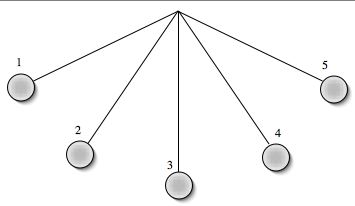
When a pendulum swings, at which point is kinetic energy highest?
a)
1
b)
2
c)
3
d)
4
29.
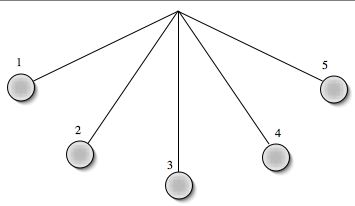
When a pendulum swings, at which point is potential energy at its greatest?
a)
1
b)
2
c)
3
d)
4
30.

What do we call a change from one form of energy to another?
a)
Energy form
b)
Energy transformation
c)
Kinetic energy
d)
Potential energy
31.
Which energy transformation below matches?
A book falling?
A book falling?
a)
chemical to sound and heat
b)
mechanical to sound
c)
electrical to sound and heat
d)
thermal to sound
32.
Which energy transformation below matches?
An electrical light?
An electrical light?
a)
chemical to heat, sound, light, mechanical
b)
solar to heat, sound, light, mechanical
c)
electrical to heat, light, mechanical
d)
mechanical to light and heat
33.
Getting a sunburn is an example of...
a)
condensation
b)
conduction
c)
convection
d)
radiation
34.
What states that energy can never be created or destroyed?
a)
law of conservation of momentum
b)
law of conservation of energy
c)
law of conservation of matter
d)
law of conservation of water
35.
Which energy transformation below matches?
Animals eating food?
Animals eating food?
a)
electrical to potential
b)
chemical to mechanical
c)
potential to chemical
d)
thermal to mechanical
36.
What machine changes electrical energy into light and sound energy
a)
battery
b)
lightbulb
c)
alarm clock
d)
apple
37.
Which of the following increases when an object becomes warmer?
a)
chemical energy
b)
elastic potential energy
c)
nuclear energy
d)
thermal energy
38.
The energy stored in gasoline is
a)
chemical energy.
b)
electromagnetic energy.
c)
mechanical energy.
d)
nuclear energy.
39.
Heat is the transfer of thermal energy from one object to another because of a difference in
a)
specific heat
b)
phase
c)
temperature
d)
waste heat
40.
Energy from the sun reaches Earth mostly by
a)
conduction.
b)
convection.
c)
radiation.
d)
thermal expansion.
41.
Matter is needed to transfer thermal energy by
a)
conduction.
b)
convection.
c)
radiation.
d)
both conduction and convection
42.
Which of the following materials conducts heat well?
a)
glass
b)
plastic
c)
metal
d)
wood
43.
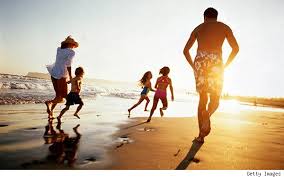
The sun shines down on this family as the play on the beach.
a)
conduction
b)
convection
c)
radiation
44.
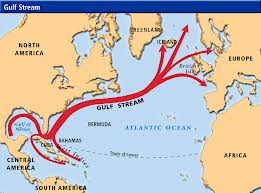
The Gulf Stream is a current that brings warm ocean water from the south to the north.
a)
conduction
b)
convection
c)
radiation
45.

Blow drying your wet hair.
a)
conduction
b)
convection
c)
radiation
46.
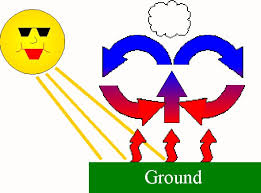
Warm air rises and the cool air sinks.
a)
conduction
b)
convection
c)
radiation
47.
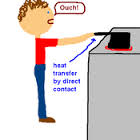
Johnny accidentally grabbed the handle of the hot pot.
a)
conduction
b)
convection
c)
radiation
48.
When white light is separated into all of its colors.
a)
transmission
b)
rainbow
c)
reflection
d)
absorption
49.
Allows virtually all light to pass through
a)
transparent
b)
translucent
c)
opaque
50.
Allows some light to pass through.
a)
transparent
b)
translucent
c)
opaque
51.
Allows no light to pass through.
a)
transparent
b)
translucent
c)
opaque
52.
Electromagnetic waves with long wavelengths and low frequencies.
a)
radio
b)
visible light
c)
x-ray
d)
gamma
53.
Electromagnetic waves with short wavelengths and high frequencies.
a)
radio
b)
visible light
c)
x-ray
d)
gamma
54.
The range of waves from radio to gamma.
a)
Electromagnetic Spectrum
b)
Rainbow
c)
Transmission of light
d)
Communication Spectrum
55.
Why would an object appear red?
a)
it is absorbing red light
b)
it is reflecting red light
c)
it is reflecting no light
d)
it is reflecting all light
56.
What do televisions and cell phones use for communication?
a)
visible light
b)
gamma rays
c)
radio waves
d)
infrared waves
57.
This type of wave needs to travel through a medium and cannot move through space
a)
transverse
b)
longitudinal
c)
electromagnetic
d)
all of the above
58.
The number of waves in a period of time is a wave's
a)
frequency
b)
speed
c)
amplitude
d)
wavelength
59.
The amplitude of a wave is related to its
a)
mass
b)
speed
c)
volume
d)
height
60.
An object that is transparent
a)
allows light to pass through it
b)
transmits light but not images
c)
does not transmit light
d)
all of the above
61.
When rays of light hit a smooth surface and bounce back at the same angle, this is called
a)
refraction
b)
reflection
c)
opaque
d)
transparent
62.
Light is bent as it passes from the air into the lens of eyeglasses. This bending is called
a)
reflection
b)
refraction
c)
interference
d)
shifting
63.
As the frequency of an electromagnetic wave increases, the amount of energy in that wave...
a)
increases.
b)
decreases.
c)
stays the same.
64.
As the frequency of an electromagnetic wave increases the wavelength of that wave...
a)
increases.
b)
decreases.
c)
stays the same.
65.
Which color has the highest frequency?
a)
red
b)
orange
c)
green
d)
blue
66.
Which color has the least amount of energy?
a)
red
b)
orange
c)
green
d)
blue
67.
Which of the following is a type of high-energy electromagnetic wave?
a)
visible light
b)
ultraviolet light
c)
microwaves
d)
infrared waves
68.
Which of the following has the longest wavelength?
a)
microwaves
b)
visible light
c)
x-rays
d)
infrared waves
69.
What is transferred by a radio wave?
a)
air
b)
energy
c)
matter
d)
space
70.
In a longitudinal wave, where are the particles most spread out?
a)
compression
b)
crest
c)
rarefaction
d)
trough
71.
Which is an example of refraction?
a)
A flashlight beam hitting a mirror
b)
a shout crossing a crowded room
c)
A sunbeam striking a window
d)
A water wave bending around a rock
72.
Sound waves travel fastest through what type of material?
a)
gases
b)
liquids
c)
solids
d)
Empty space
73.
The amount of space that matter takes up is its _______.
a)
atom
b)
volume
c)
matter
d)
weight
74.
The amount of matter something contains is its ______________.
a)
gas
b)
solid
c)
weight
d)
mass
75.
________________ is anything that has mass and takes up space.
a)
volume
b)
matter
c)
mass
d)
weight
76.
Which of the following is an example of a chemical property?
a)
melting
b)
bending a paper clip
c)
rusting
d)
boiling water
77.
Texture, color, states of matter, flexibility, freezing & melting points
a)
Chemical Properties
b)
Physical Properties
c)
States of Mass
d)
Scientific matterology
78.
Physical or Chemical Property? If copper comes in contact with water, it will turn green.
a)
Physical
b)
Chemical
c)
Neither
79.
Physical or Chemical Property? The temperature of boiling water is 100 degrees Celsius.
a)
Physical
b)
Chemical
c)
Neither
80.
Define a Chemical Property
a)
A property which depends on the objects size or matter.
b)
A property of matter not involving in its manifestation a chemical change
c)
A property or behavior of a substance which undergoes a chemical change or reaction.
d)
A property which makes the object smell or taste different.
81.
Define a Physical Property
a)
A property of matter not involving in its manifestation a chemical change
b)
A property in which stops a chemical reaction from occuring.
c)
A property or behavior of a substance which undergoes a chemical change or reaction.
d)
A property which makes the object smell or taste different.
82.
The amount of mass in a specific volume
a)
density
b)
weight
c)
matter
d)
state
83.
An example of a physical change would be a change in...
a)
Color
b)
Shape
c)
Size
d)
All of the above
84.
Baking a cake is an example of a...
a)
Physical Change
b)
Chemical Change
85.

Which of the following is not a clue of a chemical change?
a)
change in odor or color
b)
fizzing or bubbling
c)
a different shape
d)
change in temperature
86.

Which of the following is not an example of a physical change?
a)
cutting an orange
b)
smashing a pumpkin
c)
sawing wood
d)
rusting metal
87.
This particle is found in the nucleus and has no charge
a)
Neutron
b)
Proton
c)
Electron
88.
This particle is found in the nucleus and has a positive charge
a)
Electron
b)
Proton
c)
Neutron
89.
This is a negatively charged particle found outside the nucleus
a)
Electron
b)
Proton
c)
Neutron
90.
This contains most of the mass of an atom
a)
Electron Cloud
b)
Nucleus
c)
Electron
91.
This is the simplest of all atoms and contains only one proton and one electron
a)
Oxygen
b)
Hydrogen
c)
Water
92.
All matter is made of what?
a)
energy
b)
atoms
c)
electrons
d)
compounds
93.

What scientist is best known for his "Plum Pudding" model of the atom?
a)
J.J. Tomson
b)
Ernest Rutherford
c)
John Dalton
d)
Democritus
94.

People have always agreed that matter is made of atoms.
a)
True
b)
False
95.
An atom's overall charge is ________.
a)
positive
b)
depends
c)
neutral
d)
negative
96.
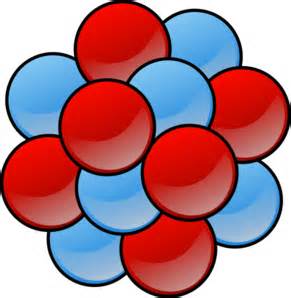
What does the nucleus of an atom contain?
a)
Electrons and neutrons
b)
Protons and neutrons
c)
Neutrinos and positrons
d)
DNA and RN
97.
True or False: The majority of an atom is made up of empty space
a)
True
b)
False
98.
Contributes basically no mass to an atom.
a)
protons
b)
neutrons
c)
electrons
d)
protons and neutrons
99.
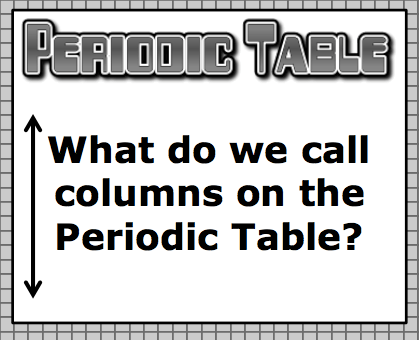
a)
Periods
b)
Groups
100.
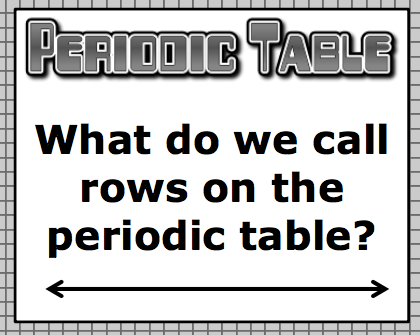
a)
Periods
b)
Groups
101.
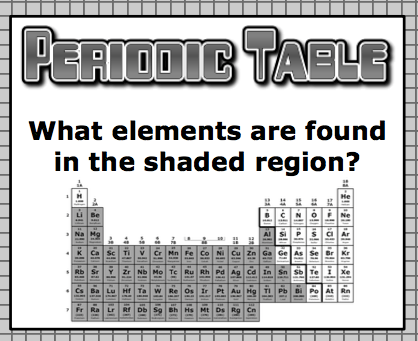
a)
Metals
b)
Nonmetals
c)
Metalloids
102.
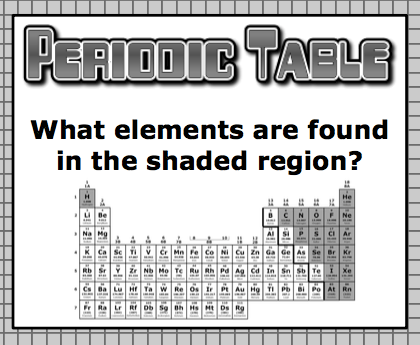
a)
Metals
b)
Nonmetals
c)
Metalloids
103.
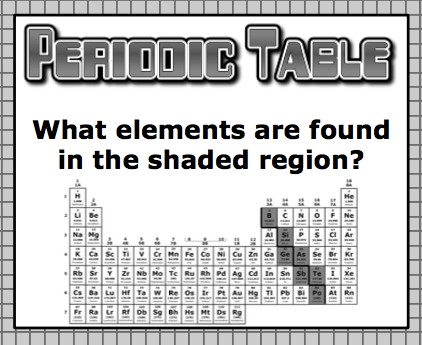
a)
Metals
b)
Nonmetals
c)
Metalloids
104.
a)
Metals
b)
Nonmetals
c)
Metalloids
105.
a)
Metals
b)
Nonmetals
c)
Metalloids
106.
a)
Metals
b)
Nonmetals
c)
Metalloids
107.
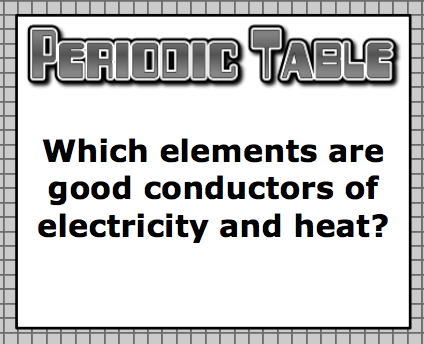
a)
Metals
b)
Nonmetals
c)
Metalloids
108.
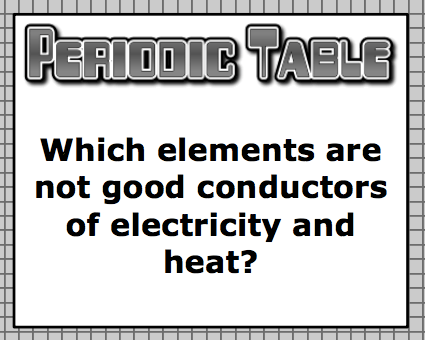
a)
Metals
b)
Nonmetals
c)
Metalloids
109.
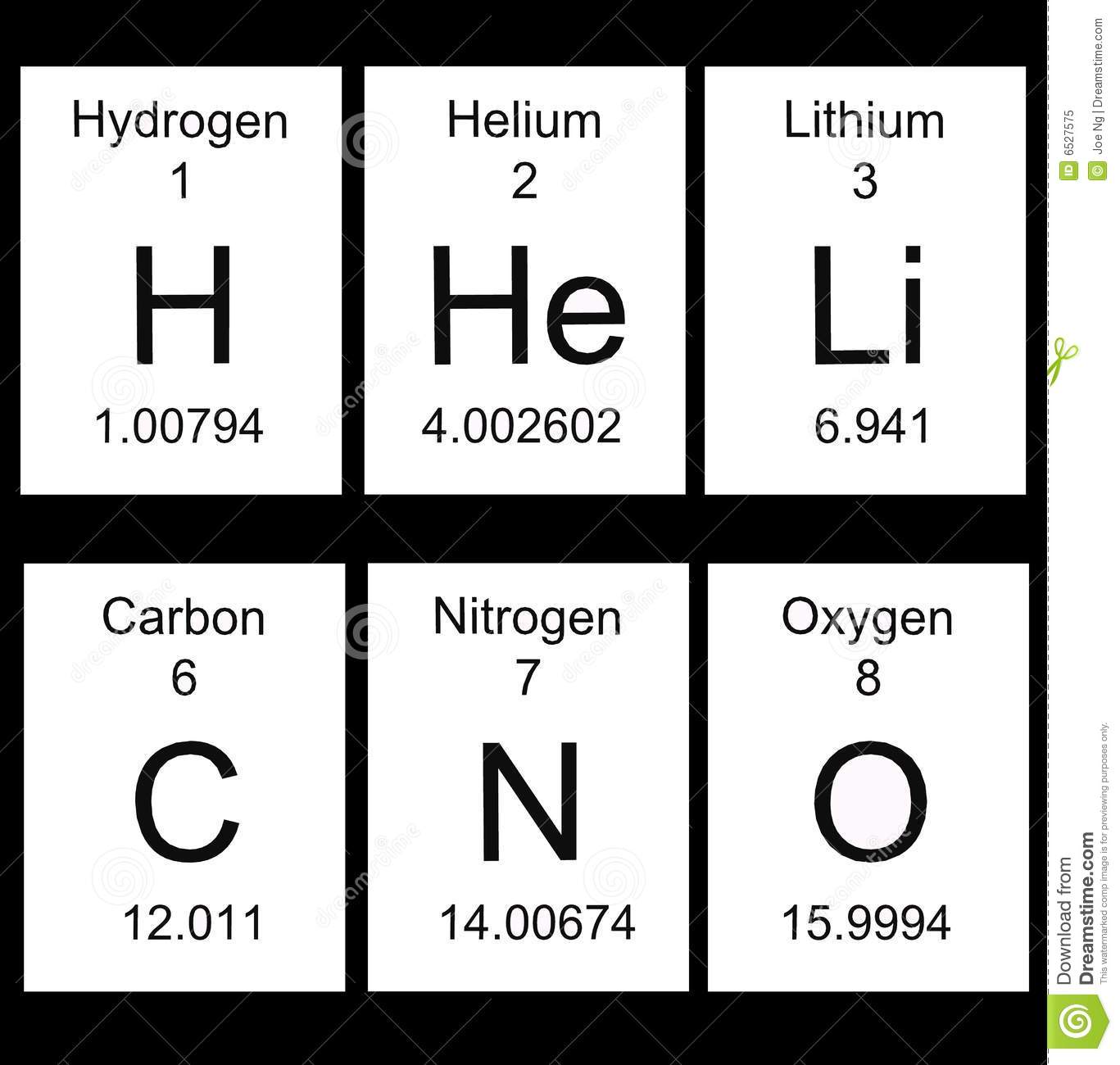
The number at the bottom of each square on the periodic table is the ...
a)
atomic number
b)
atomic mass
c)
chemical symbol
d)
element name
110.
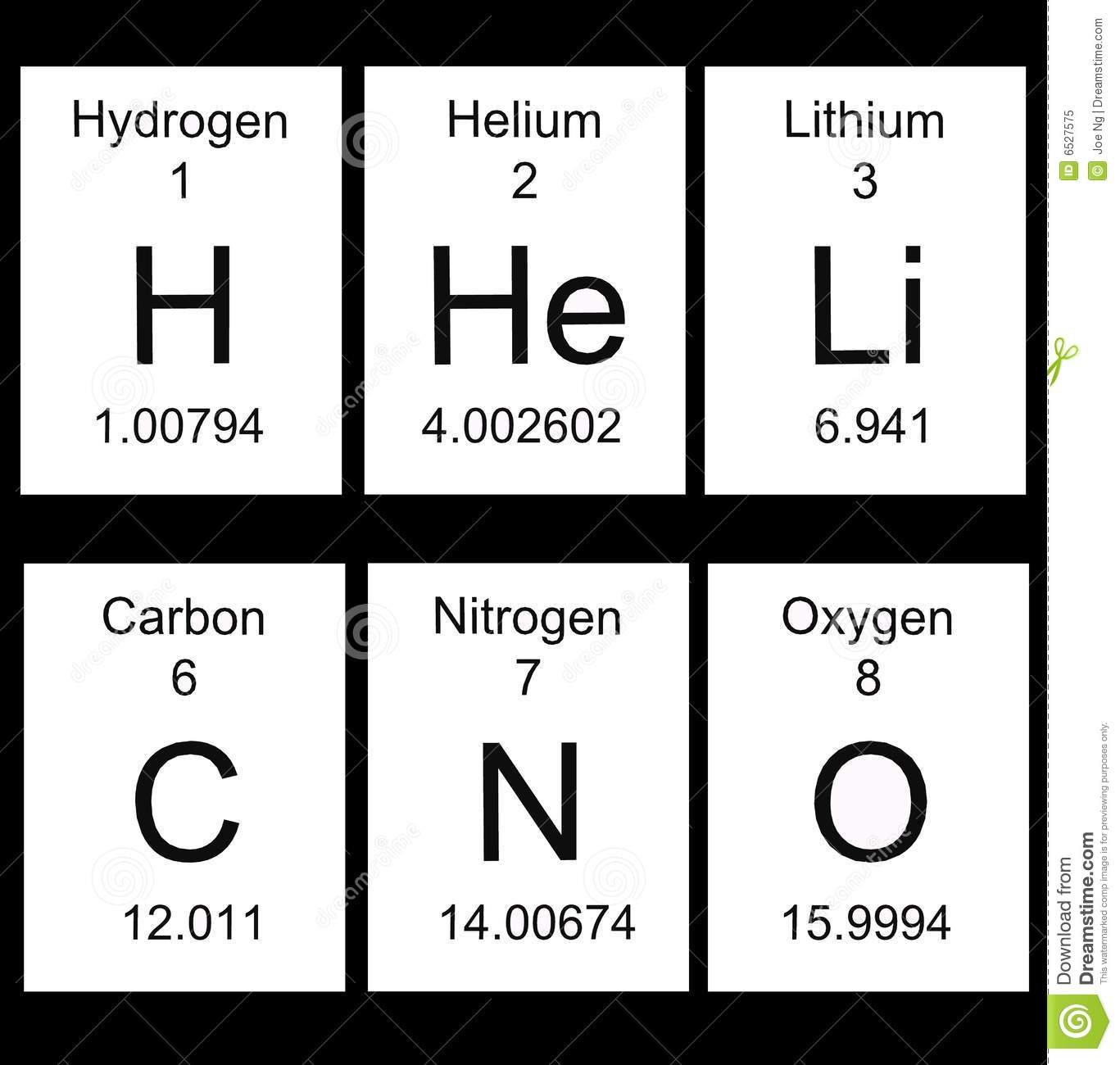
The number at the top of each square on the periodic table is the ...
a)
atomic number
b)
atomic mass
c)
Chemical Symbol
d)
Element Name
111.
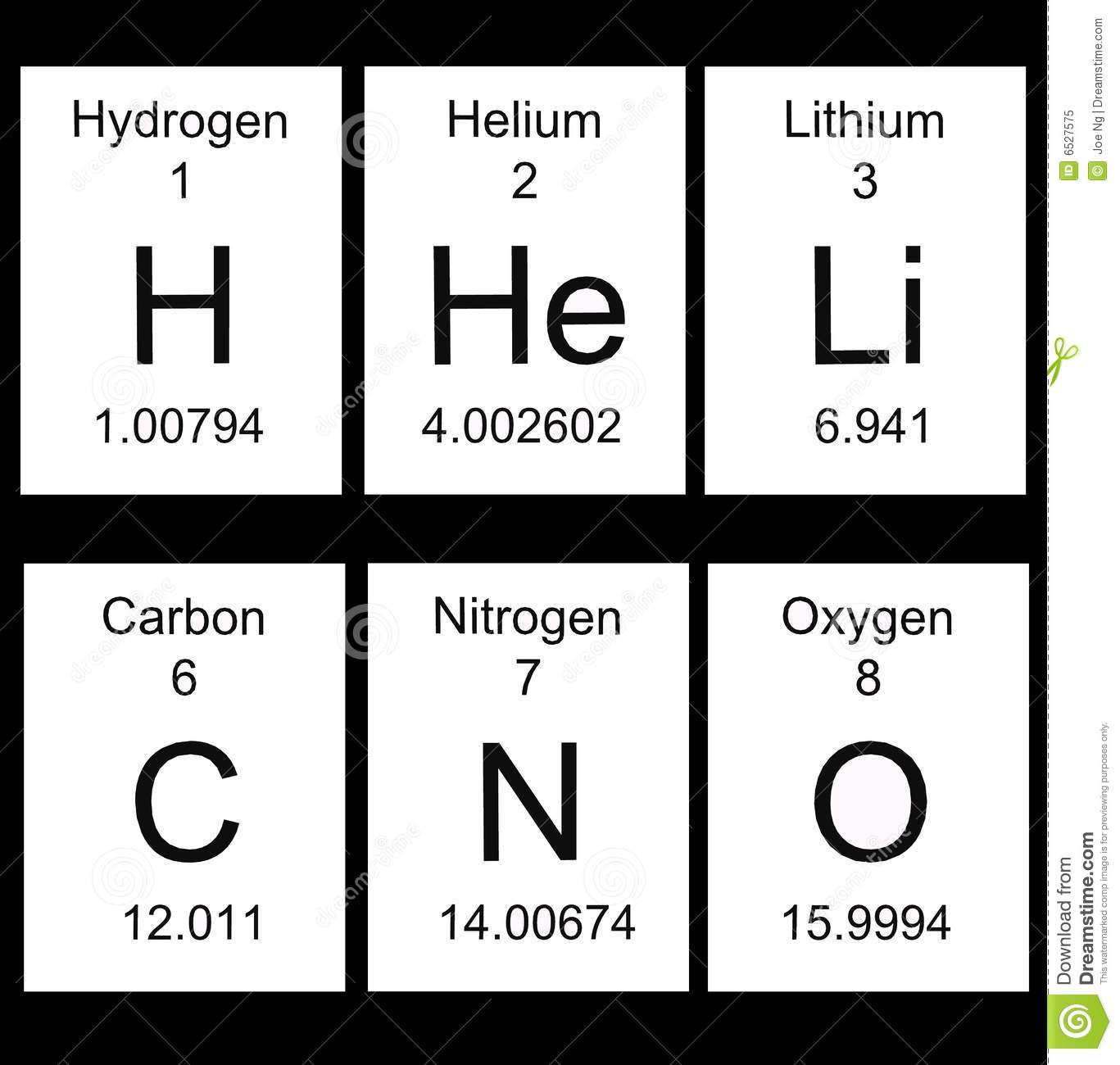
What is the chemical symbol for Lithium?
a)
H
b)
He
c)
Li
d)
N
112.
The basic unit of matter is
a)
a mixture
b)
a substance
c)
an atom
d)
a compound
113.
A substance that contains only one type of atom is a(n)
a)
compound
b)
element
c)
heterogeneous mixture
d)
homogeneous mixture
114.
Which of these is a pure substance?
a)
bread
b)
table salt
c)
garden soil
d)
sea water
115.
Which of these is not an example of a molecule?
a)
CH4
b)
C
c)
C6H12O6
d)
H2O
116.
Which of these is a mixture?
a)
Uncooked chocolate chips and cookie dough blended together with a spoon.
b)
Distilled water
c)
A nugget of gold
d)
A molecule of Oxygen
117.
Atoms of an element always have a certain number of
a)
neutrons
b)
protons
c)
electrons
d)
ions
118.
Two or more elements chemically combined:
a)
an atom
b)
a compound
c)
a mixture
d)
a pure substance
119.
A mixture that appears to be evenly mixed throughout:
a)
an atom
b)
a compound
c)
a homogeneous mixture
d)
a heterogeneous mixture
120.
mixture that does NOT appear to be evenly mixed throughout:
a)
an atom
b)
a compound
c)
a homogeneous mixture
d)
a heterogeneous mixture
121.
Which of the following would be an example of a chemical formula:
a)
C6H12O6
b)
F= ma
c)
2 H2 + O2 -> 2 H2O
d)
6.02 x 10 23
122.
Which of the following would be an example of a chemical equation?
a)
C6H12O6
b)
2 H2+ O2 -> 2 H2O
c)
F= ma
d)
H2O
123.
silver spoon
a)
A. MIXTURE
b)
B. COMPOUND
c)
C. ELEMENT
124.
an aluminum pie plate
a)
A. MIXTURE
b)
B. COMPOUND
c)
C. ELEMENT
125.
baking soda
a)
A. MIXTURE
b)
B. COMPOUND
c)
C. ELEMENT
126.
potting soil
a)
A. MIXTURE
b)
B. COMPOUND
c)
C. ELEMENT
127.
Italian dressing
a)
A. HOMOGENEOUS
b)
B. HETEROGENEOUS
128.
Cereal
a)
A. HOMOGENEOUS
b)
B. HETEROGENEOUS
129.
Sugar water.
a)
A. HOMOGENEOUS
b)
B. HETEROGENOUS
130.
How many atoms of carbon (C) are in C6H12O6?
a)
3
b)
6
c)
12
d)
24
131.
Which is the correct formula for:
three hydrogen (H)
one sulfur (S)
four oxygen (O)
three hydrogen (H)
one sulfur (S)
four oxygen (O)
a)
H3SO4
b)
HSO4
c)
H4S3O
d)
H2O
132.
Which is the correct formula for:
one carbon (C)
two oxygen (O)
one carbon (C)
two oxygen (O)
a)
CO2
b)
CO
c)
C2O
d)
2CO
133.
How many elements are in H2O?
a)
1
b)
2
c)
3
d)
4
100 %

