
Font size
S
M
L
XL
 Worksheets
Physical Science Spring Final Review
Total questions: 115
Worksheet time: 1hrs 24mins
Name
Class
Date
1.
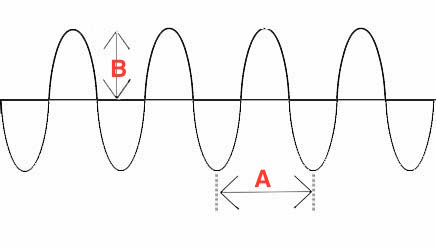
What property of this wave is represented by the letter "A"
a)
amplitude
b)
crest
c)
trough
d)
wavelength
2.
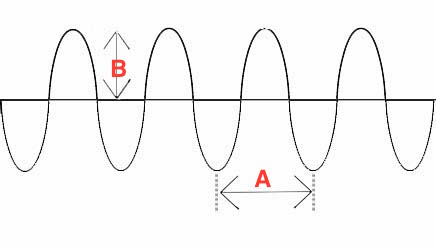
What property of the wave is represented by the letter "B"?
a)
amplitude
b)
crest
c)
trough
d)
wavelength
3.
The highest point on a wave is:
a)
the crest
b)
the trough
c)
the top
d)
the coast
4.
The lowest point on a wave is the:
a)
Amplitude
b)
Crest
c)
Trough
d)
Wavelength
5.
The number of wavelengths that pass a point each per second is:
a)
frequency
b)
period
c)
longitudinal
d)
transverse wave
6.
The type of waves that require medium to pass:
a)
Mechanical Waves
b)
Electromagnetic Waves
7.
When the frequency of a wave increases, what happens to the wavelength?
a)
The wavelength is not directly affected by the frequency of a wave.
b)
The wavelength increases.
c)
The wavelength decreases.
d)
More specific information is needed to form a conclusion about the wavelength.
8.
Which of the following can sound travel through?
a)
solid
b)
liquid
c)
gas
d)
all of the above
9.
regular disturbances that carry energy through matter or space
a)
crest
b)
energy
c)
wave
d)
trough
10.
which material does sound travel the fastest?
a)
solid
b)
liquid
c)
gases
11.
When a wave strikes and object and bounces off. (example echo)
a)
medium
b)
refraction
c)
reflection
d)
interference
12.
When a wave bends as it passes through at an angle from one medium to another.(example: pencil in a glass of water-)
a)
medium
b)
refraction
c)
reflection
d)
interference
13.
The lowest part of the wave is?
a)
crest
b)
trough
c)
rarefaction
d)
wavelength
14.
When light shines through a prism it creates a ________________
a)
colors
b)
ROY G. BIV
c)
spectrum
d)
electromagnetic wave
15.
Material that allows light to pass through allowing you to see "clearly" to the other side
a)
opaque
b)
translucent
c)
transparent
16.
Light is a form of
a)
energy
b)
radiation
c)
reflection
17.
Wax paper or a foggy window is an example of what type of material.
a)
transparent
b)
translucent
c)
opaque
18.
What is the short, thick nerve through which signals travel to the brain from the eye?
a)
Lens
b)
Retina
c)
Optic Nerve
d)
Cornea
19.
Visible light is ...
a)
Light bulb
b)
sun
c)
light that we can see with our natural eye
d)
fire
20.
What are the 3 primary colors?
a)
red, green, blue
b)
yellow, orange, violet
c)
red, black, green
d)
magenta, cyan, indigo
21.
____________________ is the hole through which light enters the eye.
a)
Cornea
b)
Iris
c)
Retina
d)
Pupil
22.
_________________ is the transparent front surface of the eye
a)
Pupil
b)
Cornea
c)
Lens
d)
Iris
23.
What cells make up the retina
a)
rods and cones
b)
pupil and iris
c)
optic nerve and cornea
24.

Which images are opaque?
a)
A & C
b)
A,C,E, & F
c)
D, E, & F
d)
A & E
25.
Why do we see objects as white?
a)
They absorb all light
b)
They reflect all light
c)
They absorb some light and reflect some light
26.

Transfer of energy when a wave disappears into a surface
a)
Transparent
b)
Refraction
c)
Reflection
d)
Absorption
27.

White light is made up of _________________ colors.
a)
10
b)
3
c)
7
d)
70
28.

Which color absorbs all light?
a)
White
b)
Black
c)
Orange
d)
Green
29.
What are the colors of the visible spectrum in order?
a)
ROY B GIV
b)
BOY G RIV
c)
ROY G BIV
d)
GOY B RIV
30.
Which type of electromagnetic waves is used to image bone?
a)
Gamma Rays
b)
UV Rays
c)
X-Rays
d)
B-Rays
31.
What form of energy travels faster? Light or Sound?
a)
light
b)
sound
32.
Which of these is an example of visible light?
a)
X-rays
b)
rainbow
c)
microwaves
d)
radio waves
33.
What kind of object blocks all light?
a)
Opaque
b)
Translucent
c)
Transparent
d)
Reflected
34.
The color you see is the color that is ___.
a)
reflected
b)
absorbed
35.
Which is translucent?
a)
tissue paper
b)
air
c)
wood
d)
clear plastic
36.
The ____________ is the energy that flows from the battery, through the wire in it’s path through the circuit.
a)
Electric Current
b)
Conductor
c)
Electromagnet
d)
Insulator
37.

The red and black plastic wire coverings are excellent ______.
a)
Conductors
b)
Insulators
c)
Currents
d)
Magnets
38.
A flow of electrons through a conductor is called:
a)
A river
b)
A spark
c)
An electron flow
d)
A current
39.

What kind of circuit is this?
a)
series
b)
parallel
40.

What kind of circuit is this?
a)
Series
b)
Consecutive
c)
Parallel
d)
Training
41.
A material in which electrons are able to move easily
a)
Circuit
b)
Insulator
c)
Resistance
d)
Conductor
42.
A material in which electrons are not able to move easily
a)
Circuit
b)
Insulator
c)
Resistance
d)
Conductor
43.
An example of a parallel circuit is
a)
the wiring in a house
b)
a flashlight
c)
a single circular path
44.
the type of current that is used in outlets
a)
apparating current
b)
diverting current
c)
AC
d)
DC
45.
measure of electric current
a)
watt
b)
ohm
c)
volt
d)
amp
46.
measure of resistance
a)
watt
b)
ohm
c)
volt
d)
amp
47.
measure of power
a)
watt
b)
ohm
c)
volt
d)
amp
48.
What happens when two north poles of a magnet are placed together?
a)
they repel
b)
they attract
c)
they cancel each other out
d)
the strength of the magnet is doubled
49.
When two magnets attract, they ______________
a)
push apart
b)
change color
c)
get colder
d)
pull together
50.
Magnets have a north and a south ___________
a)
shape
b)
color
c)
pole
d)
region
51.
What happens when two bar magnets repel each other?
a)
The poles of the magnets pull toward each other.
b)
The poles of the magnets push away from each other.
c)
The centers of the magnets pull toward each other.
d)
The centers o the magnets push away from each other.
52.
If an object is magnetic, will it attract or repel a magnet?
a)
Attract
b)
Repel
53.
Ionic Bonding involves...
a)
The transfer of protons
b)
The transfer of nuetrons
c)
The transfer of electrons
d)
None Of the above
54.
What do atoms that form positive ions tend to do?
a)
Tend to lose electrons
b)
Tend to lose protons
c)
Tend to gain electrons
d)
Tend to gain protons
55.
What usually forms the positive ion?
a)
Metal
b)
Non Metals
c)
None
56.
What usually forms the negative ion?
a)
nonmetals
b)
metal
c)
none
57.
Covalent compounds
a)
Share electrons
b)
transfer electrons
c)
contain a sea of electrons
d)
conduct electricity
58.
What two types of atoms make a covalent bond?
a)
2 Nonmetals
b)
1 Nonmetal and 1 Metal
c)
2 Metals
d)
2 Noble Gases
59.
What happens when an atom loses an electron?
a)
Neutral (no charge)
b)
Positive charge
c)
Negative charge
60.

What elements generally make an ionic bond?
a)
metal and nonmetal
b)
2 or more nonmetals
c)
metal
d)
none of the above
61.
What is a valence electron?
a)
an electron that is found in the outermost shell of an atom.
b)
an electron found in the innermost shell of an atom.
c)
an electron found in the middle shell.
62.
What is the number of valence electrons for Oxygen?
a)
8
b)
6
c)
2
d)
1
63.
What is the number of valence electrons for Silicon?
a)
1
b)
2
c)
6
d)
4
64.
How many valence electrons are elements trying to reach in their outer shells?
a)
1
b)
2
c)
5
d)
8
65.
What determines the reactivity of an element?
a)
Size of its nucleus
b)
Number of total electrons
c)
Number of valence electrons
d)
Number of shells
66.
How do you determine the number of valence electrons an element has?
a)
Look at its period
b)
Look at its group
c)
Look at its atomic number
d)
Look at its atomic mass
67.

This could be the dot diagram of
a)
Al
b)
Si
c)
Na
d)
Mg
68.

This could be the dot diagram of
a)
Be
b)
B
c)
C
d)
Ne
69.
How are covalent bonds formed?
a)
Sharing of electrons
b)
Transfer of electrons
70.
How are ionic bonds formed?
a)
Transfer of electrons
b)
Sharing of electrons
71.
The minimum energy required to remove an electron from the ground state of an atom
a)
electron configuration
b)
energy levels
c)
ionization energy
d)
ionic bond
72.

How many protons are in this element?
a)
79
b)
196
c)
117
d)
Cannot be determined
73.

How many electrons does potassium K contain? (click to see image)
a)
19
b)
39
c)
20
d)
40
74.

What element is this?
a)
Helium
b)
Hydrogen
c)
Argon
d)
Silver
75.

?
a)
Lithium
b)
Boron
c)
Carbon
d)
Neon
76.
What determines an element's identity?
a)
The number of protons
b)
The number of electrons
c)
The number of neutrons
d)
The number of valence electrons
77.
Ions are:
a)
atoms with a positive or negative charge
b)
atoms with no charge
c)
atoms with ONLY a positive charge
d)
atoms with ONLY a negative charge
78.

What is the ionic symbol for Krypton?
a)
Kr
b)
Kr+
c)
Kr-
d)
Kr-2
79.

A model of an atom that shows all of the electrons in their energy levels (shells) is called
a)
electron dot diagram
b)
valence electrons
c)
Bohr Model
80.

Where are the nonmetals located on the periodic table?
a)
Blue
b)
Red
c)
Green
81.

Where are metals located on the periodic table?
a)
Blue
b)
Green
c)
Red
82.

How many valence electrons in this structure?
a)
6
b)
5
c)
4
d)
7
83.

Why are ions formed?
a)
To make our lives difficult
b)
Because atoms want 8 valence electrons
c)
Because atoms have the same number of protons and electrons
d)
Because atoms gained neutrons
84.

Anions are...
a)
Positive
b)
Negative
c)
Neutral
d)
Crying
85.

Cations are...
a)
Positive
b)
Negative
c)
Neutral
d)
Purring
86.
The tool used to measure the mass of a substance or object is a ______________.
a)
balance
b)
graduated cylinder
c)
ruler
d)
thermometer
87.
Which units of measurement are used for volume?
a)
grams
b)
centimeters
c)
grams/milliliter
d)
milliliter
88.
Which lab tool might you use to measure the volume of a liquid?
a)
electric scale
b)
bunsen burner
c)
test tube
d)
graduated cylinder
89.

I have two objects with the same volume but different masses. Which object will be more dense?
a)
The object with less weight.
b)
The object with more weight.
c)
The object with more mass.
d)
The object with less mass.
90.
What is the formula for density?
a)
density = mass x volume
b)
density = mass / volume
c)
density = mass + volume
d)
density = mass - volume
91.
In general what is the most dense form of matter?
a)
solid
b)
liquid
c)
gas
d)
plasmas
92.
A student knows the mass of an object. What other variable does the student need to know to calculate the object's density?
a)
Color
b)
Weight
c)
Volume
d)
Length
93.
Why do objects sink or float in H2O?
a)
Because their densities are higher or lower than compared to water
b)
Because their densities are using gravity to pull down
c)
Because their densities are heavier or lighter
d)
Because their mass and volumes are equal
94.
Volume is ...
a)
Mass/Volume
b)
The amount of matter in an object.
c)
The amount of space an object occupies.
d)
Anything that has mass and occupies space.
95.
Density is...
a)
the amount of mass in an object
b)
the amount of space an object takes up
c)
the amount of mass in a given space
d)
the weight of an object
96.

How did Mendeleev arrange the elements?
a)
alphabetical
b)
density
c)
melting point
d)
atomic mass
97.
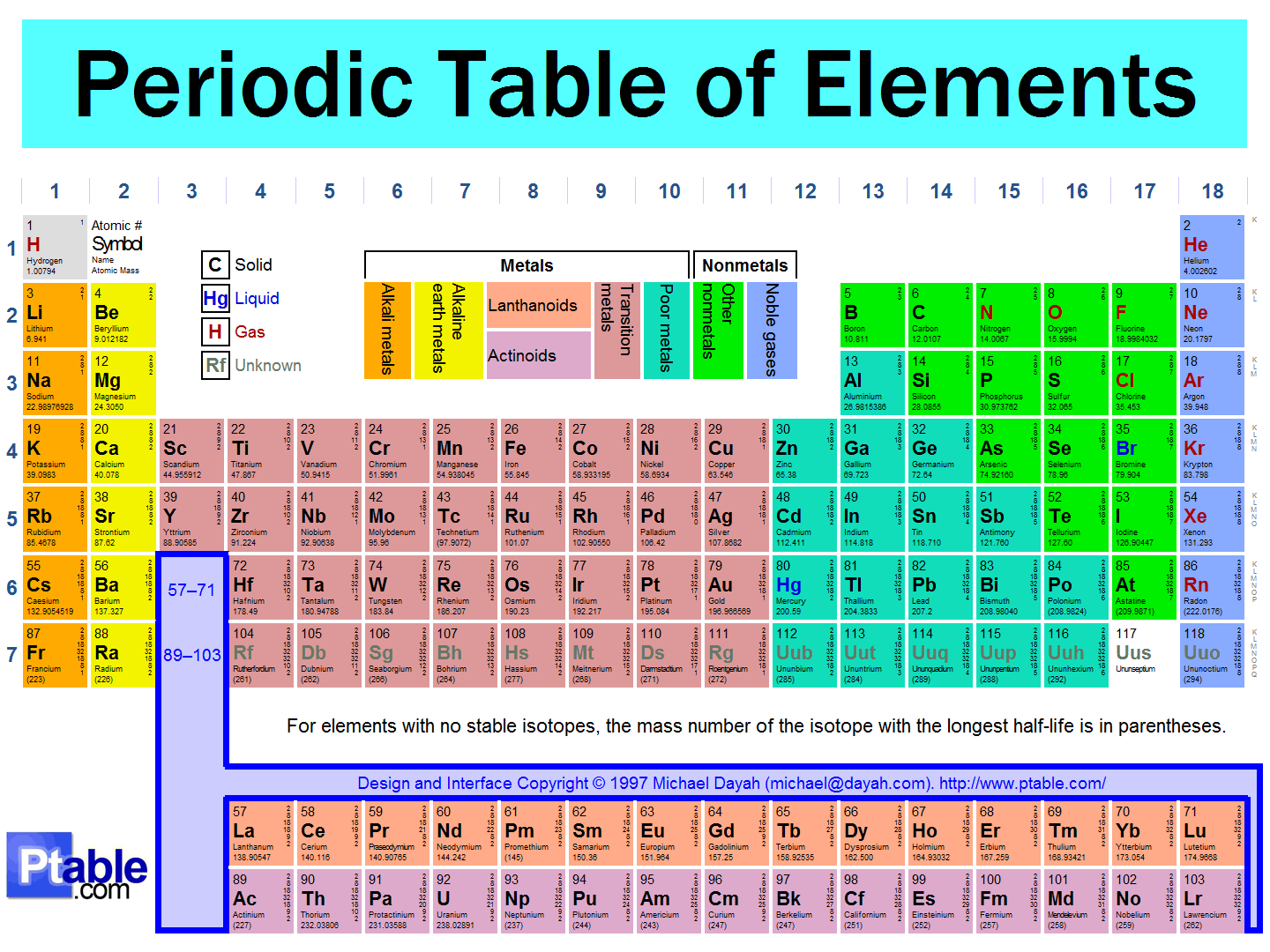
The horizontal row on the periodic table is called a
a)
group
b)
family
c)
period
d)
atomic number
98.

A vertical column is called...
a)
group
b)
tower
c)
period
d)
crew
99.
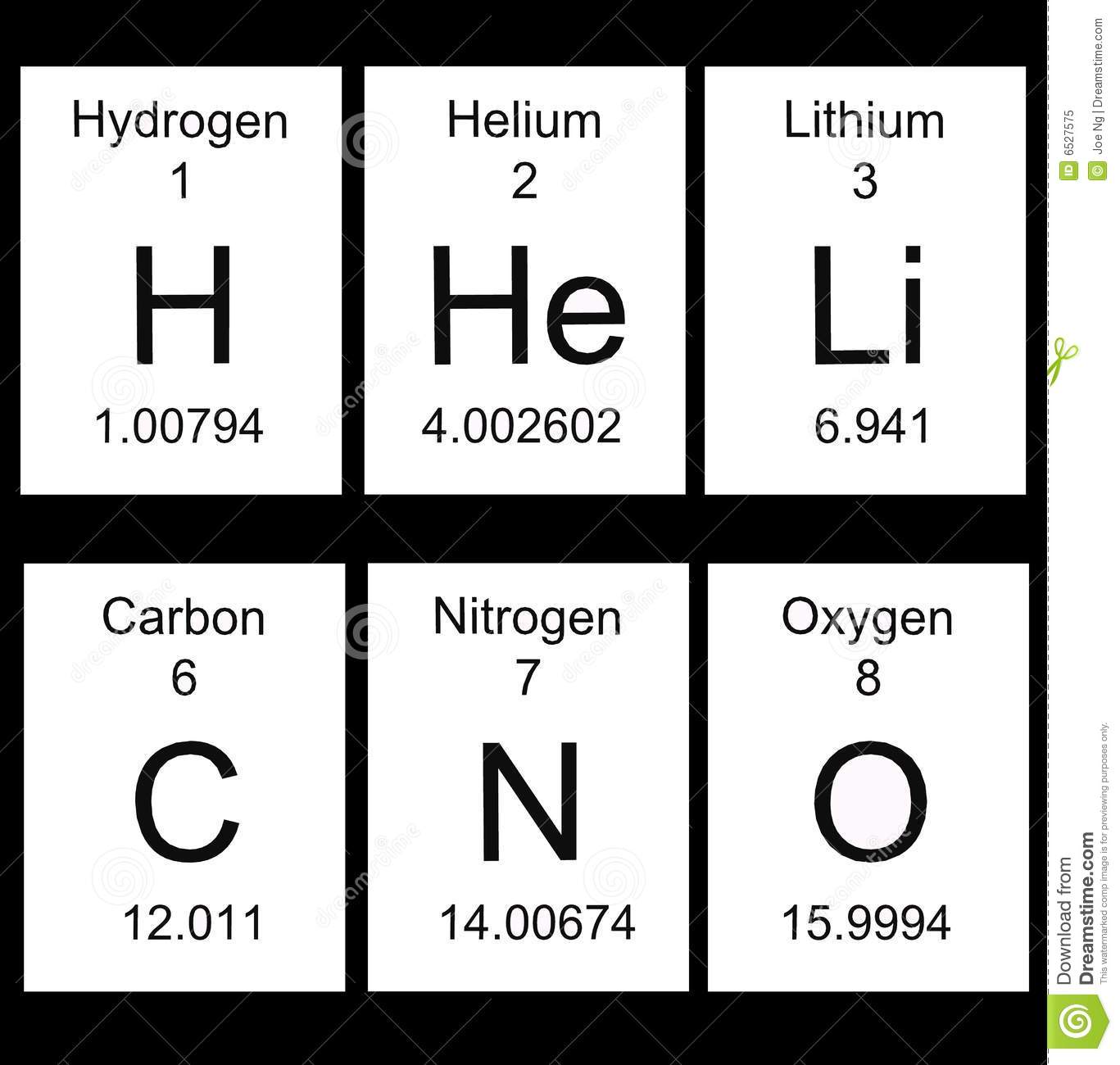
The number at the bottom of each square on the periodic table is the ...
a)
atomic number
b)
atomic mass
c)
chemical symbol
d)
element name
100.
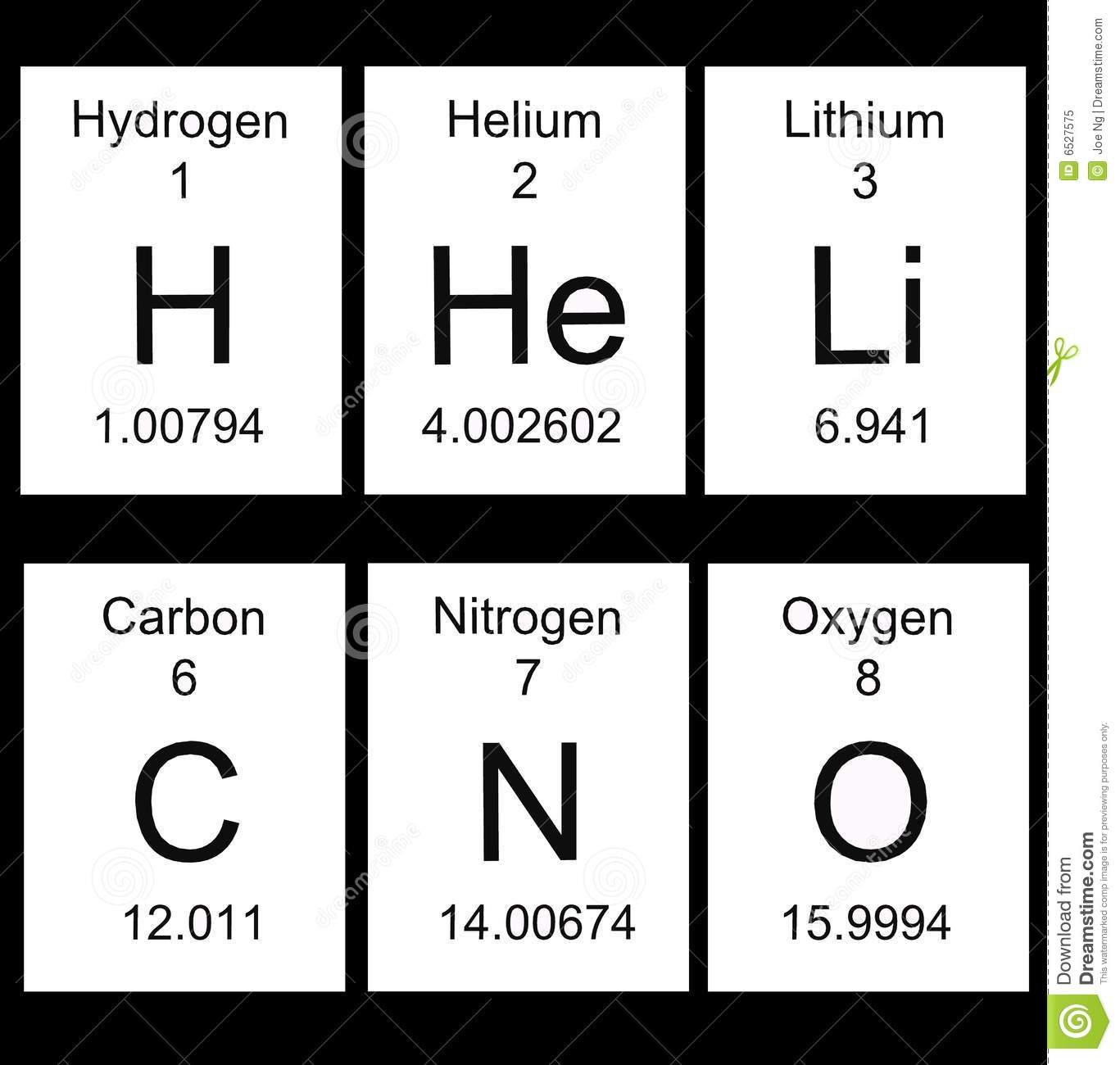
The number at the top of each square on the periodic table is the ...
a)
atomic number
b)
atomic mass
c)
Chemical Symbol
d)
Element Name
101.
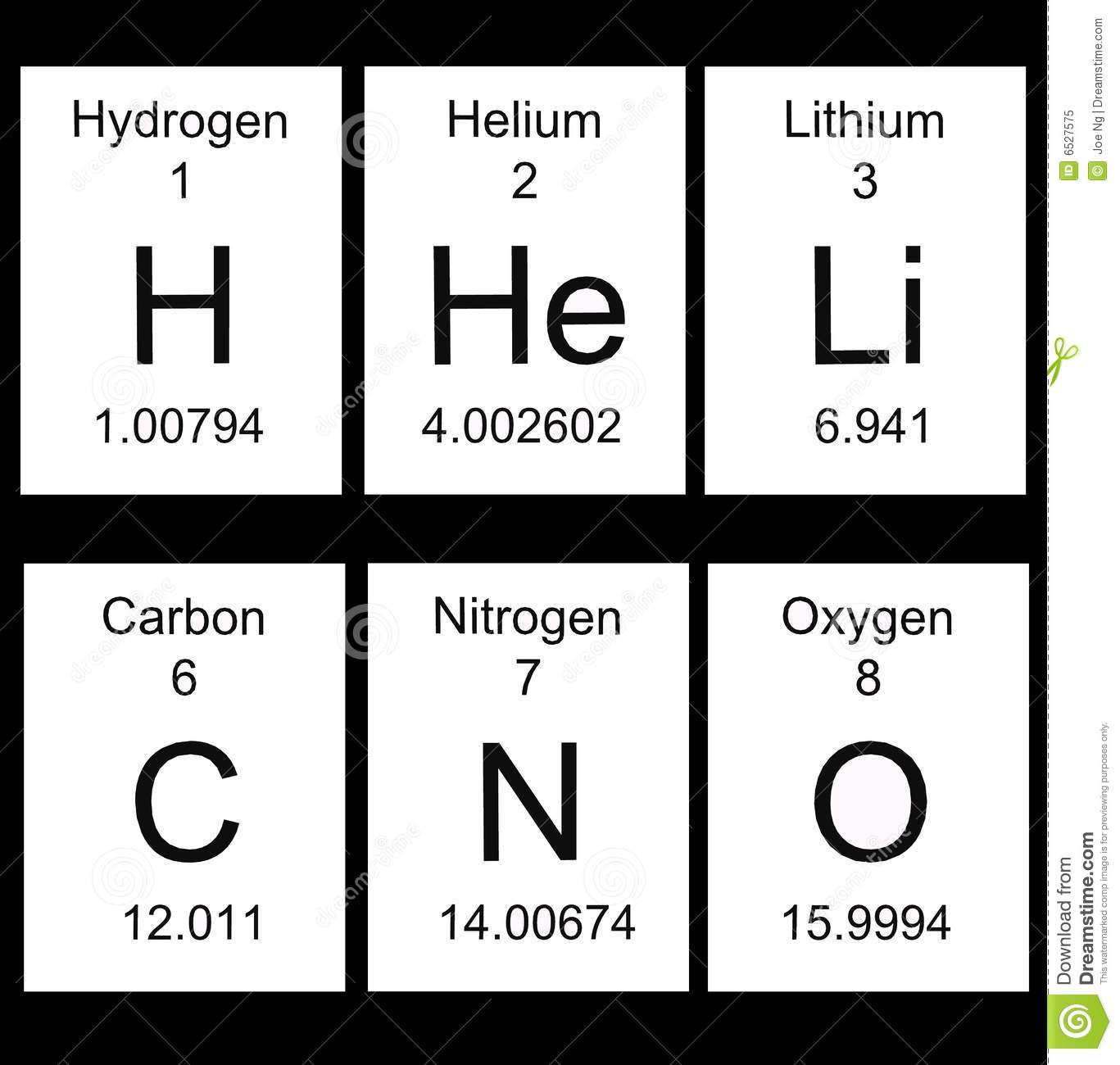
What is the chemical symbol for Lithium?
a)
H
b)
He
c)
Li
d)
N
102.

How many elements follow the periodic law?
a)
7
b)
98
c)
110
d)
All of them
103.

Pure forms of these elements are stored in oil so they won't react with oxygen and water in the air.
a)
Alkali Metals
b)
Alkaline-earth metals
c)
Halogens
d)
Noble Gases
104.

All of the actinides are ___________.
a)
stable
b)
radioactive
c)
shiny
d)
named after scientists
105.

Most of the elements on the periodic table are classified as _____.
a)
Metals
b)
Nonmetals
c)
Metalloids
d)
Periods
106.
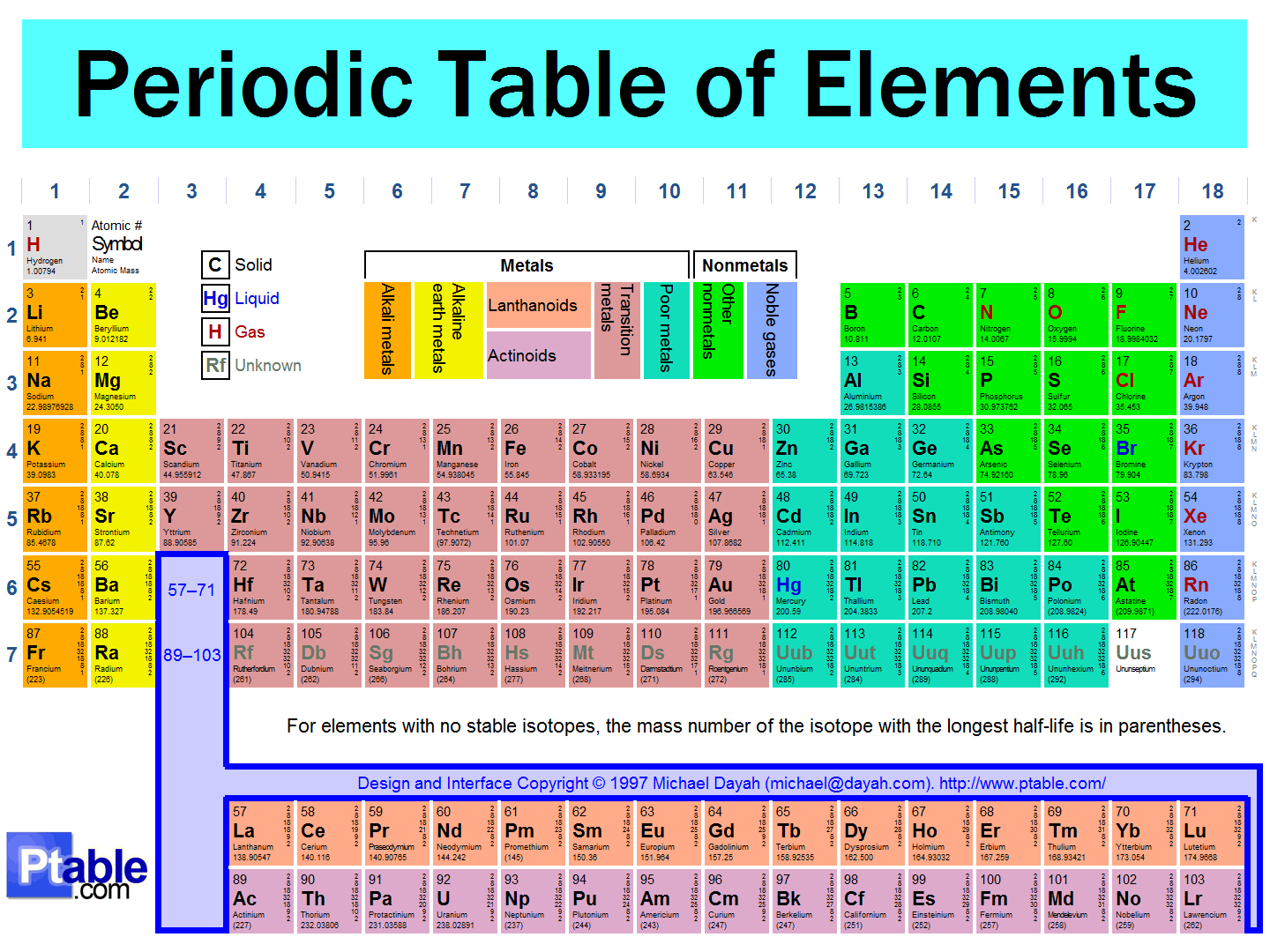
This class of elements are sometimes called "semiconductors."
a)
Metals
b)
Nonmetals
c)
Metalloids
d)
Groups
107.
Which group of the periodic table is composed of inert (not reactive) gases?
a)
alkali metals
b)
alkaline earth metals
c)
halogens
d)
noble gases
108.
The properties of an element can be predicted from...
a)
color
b)
location on Periodic Table
c)
educated guess
d)
atomic number
109.

In what section would Transition Metals be found?
a)
orange
b)
light blue
c)
blue
d)
white
110.

What section is the least reactive?
a)
yellow
b)
red
c)
dark blue
d)
orange
111.
What happens to the atomic number of elements as you move left to right, up to down on the Periodic Table?
a)
Increases
b)
Decreases
112.
Valence electrons are:
a)
Electrons farthest away from the nucleus
b)
Electrons closest to the nucleus
c)
Electrons that just come and go - they don't stay with the atom
113.
The atomic number tells you what?
a)
number of electrons
b)
number of protons
c)
number of neutrons
d)
both electrons and protons in an atom.
114.
H2O is an example of a...
a)
Element
b)
Compound
c)
Water
d)
Liquid
115.
1st shell of an atom can hold maximum of
a)
2
b)
4
c)
6
d)
8
Reset

